
The Story
Why it exists.
The beginning
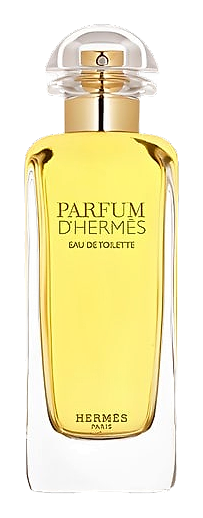
In 1984, Hermès introduced Parfum d'Hermès, a chypre-floral that used aldehydes not as nostalgia but as architecture, giving the rose and jasmine a structure to hang from. The fragrance wasn't loud. It wasn't trying to announce anything. It simply existed, which was exactly the point. Sixteen years later, Hermès would reinterpret it under the name Rouge Hermès, the color of the house, but the original never really disappeared from the conversation among people who remembered what it smelled like the first time. There was something about its restraint that made it linger in memory, not as a loud statement but as a quiet presence that communicated through suggestion rather than declaration.
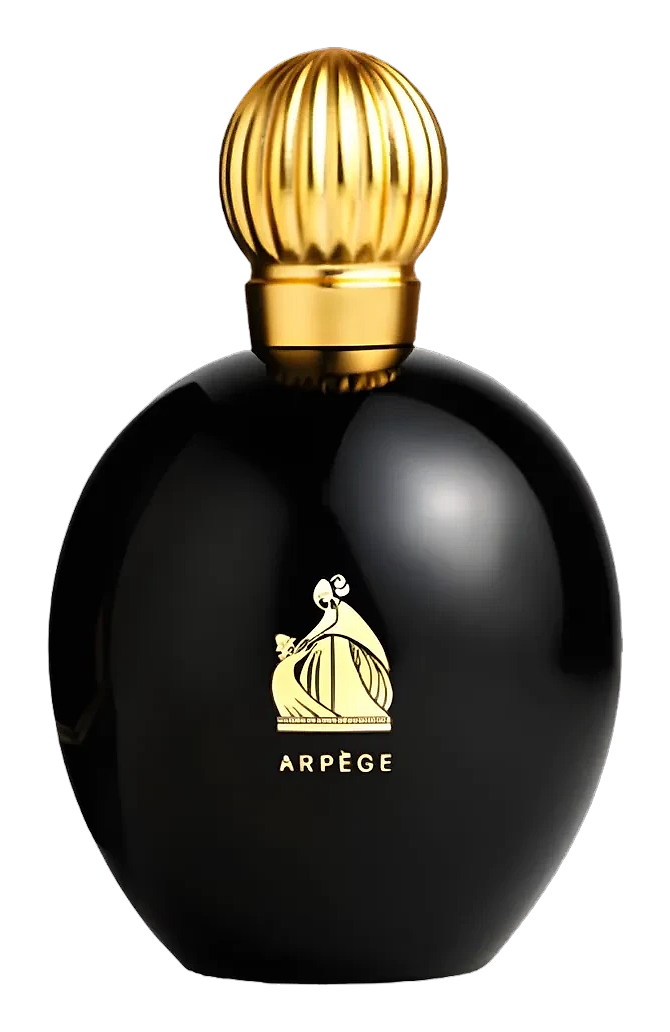
What makes this structure unusual is the aldehyde-rose tension. Aldehydes typically signal vintage, they're the backbone of Chanel No. 5, of Arpège, of anything that wants to announce itself with history. But here, Kamei and Chaillan used them differently. They arrive clean and slightly metallic, then cede the stage to Bulgarian rose and Egyptian jasmine without fanfare. The myrrh in the base isn't there for drama, it's there to anchor, to keep the florals from floating into something too pretty. That's the Hermès move: nothing is wasted on effect.
The evolution
The opening begins with aldehydes and galbanum, that green-bright lift before the bergamot settles into something softer. Then the heart takes over: Bulgarian rose and ylang-ylang arriving in stages, not all at once. The iris adds that powdery texture that keeps the rose from becoming too romantic. By the time the base begins its slow reveal, the myrrh arrives first, followed by incense, then the warm amber that gives everything weight. The drydown settles into sandalwood, cedar, vetiver, a woody warmth that stays close to the skin rather than announcing itself across a room. Eventually there's still something there: vanilla and amber, softer now, the kind of warmth that lives in fabric rather than air. The progression feels measured, each layer arriving at its own pace, never rushing toward the finish.
Cultural impact
Parfum d'Hermès occupies an interesting position: discontinued, then resurrected as Rouge Hermès in 2000, which means it exists in memory as much as in bottles. Those who remember it speak of it with a particular kind of reverence, not nostalgia, exactly, but recognition. It found its audience among women who sought something that didn't announce itself. The fragrance worked quietly, suggesting rather than declaring, and in the years that followed, Hermès continued this approach with scents that whispered rather than shouted.