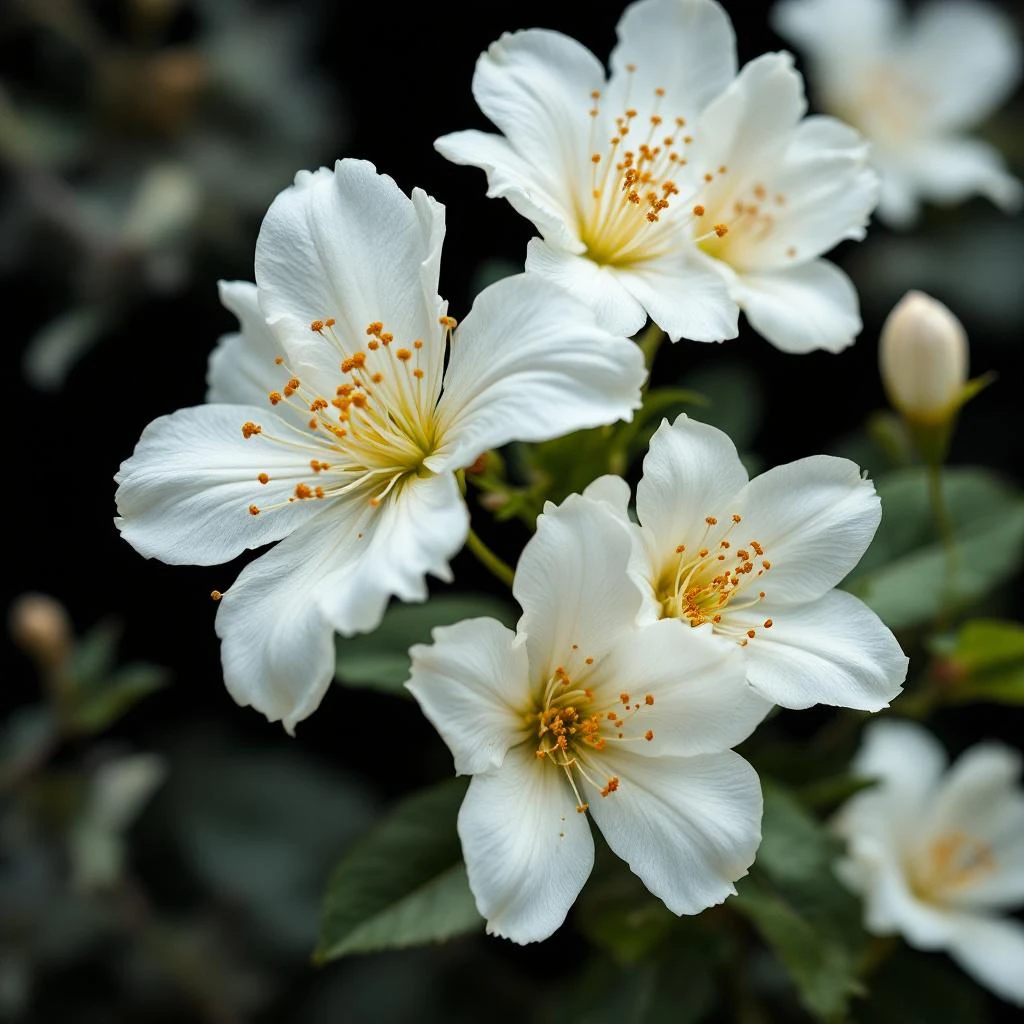
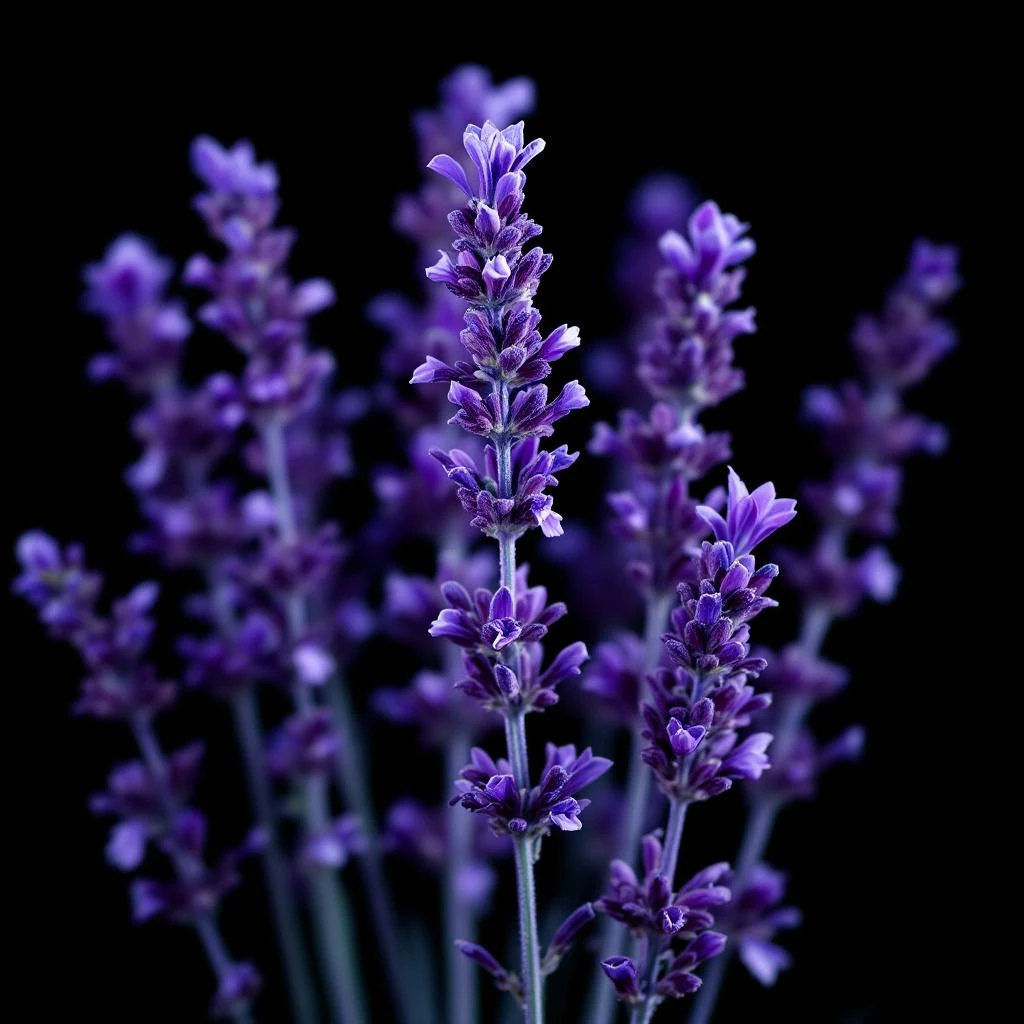
Hyacinth
Hyacinth captures spring in a bottle — a heady blend of green stalks, dewy petals, and honeyed sweetness that feels like stepping into a sunlit garden just after rain. One of perfumery's most distinctive floral notes.
Character
How it smells
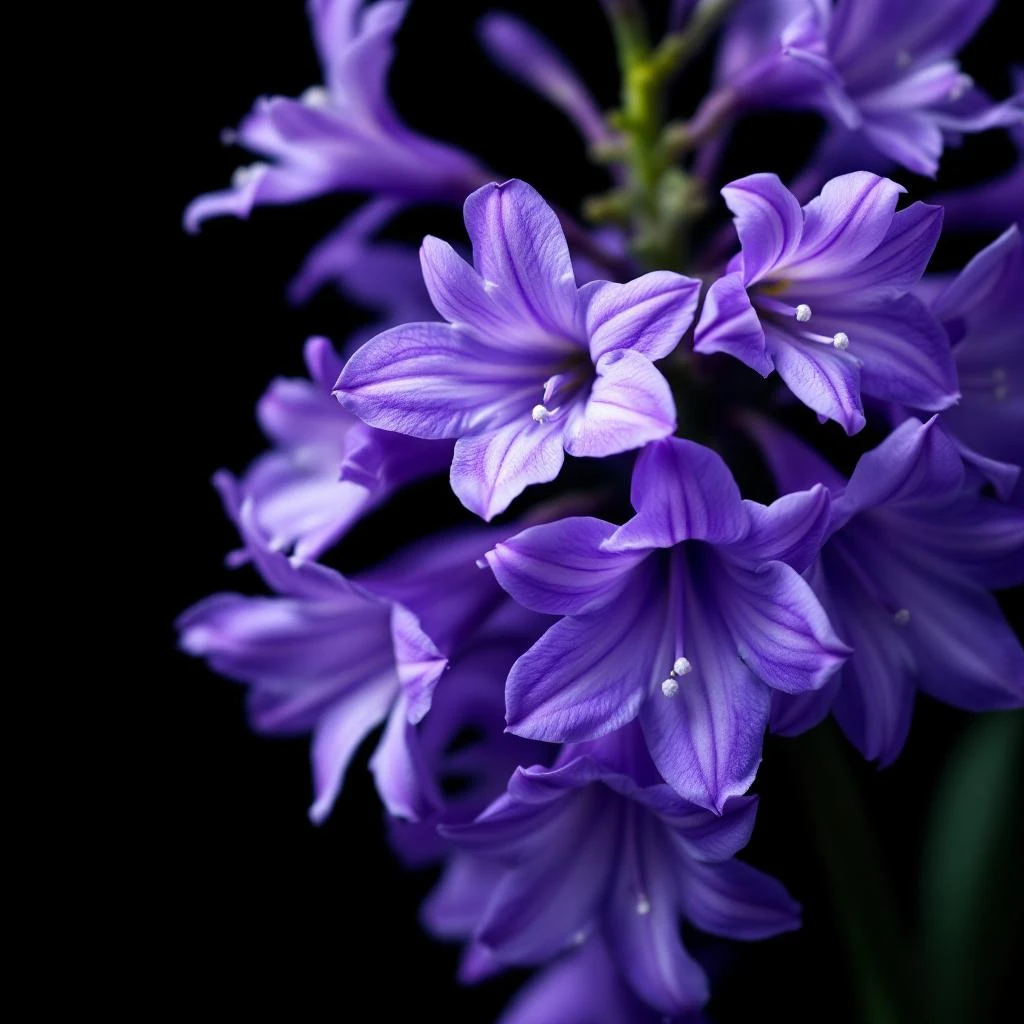
Green, dewy, intensely floral — spring's signature note.
A single hyacinth bulb contains 1,500 to 2,500 flowerlets, making it one of the most densely packed floral sources in nature.






Origin
Syria
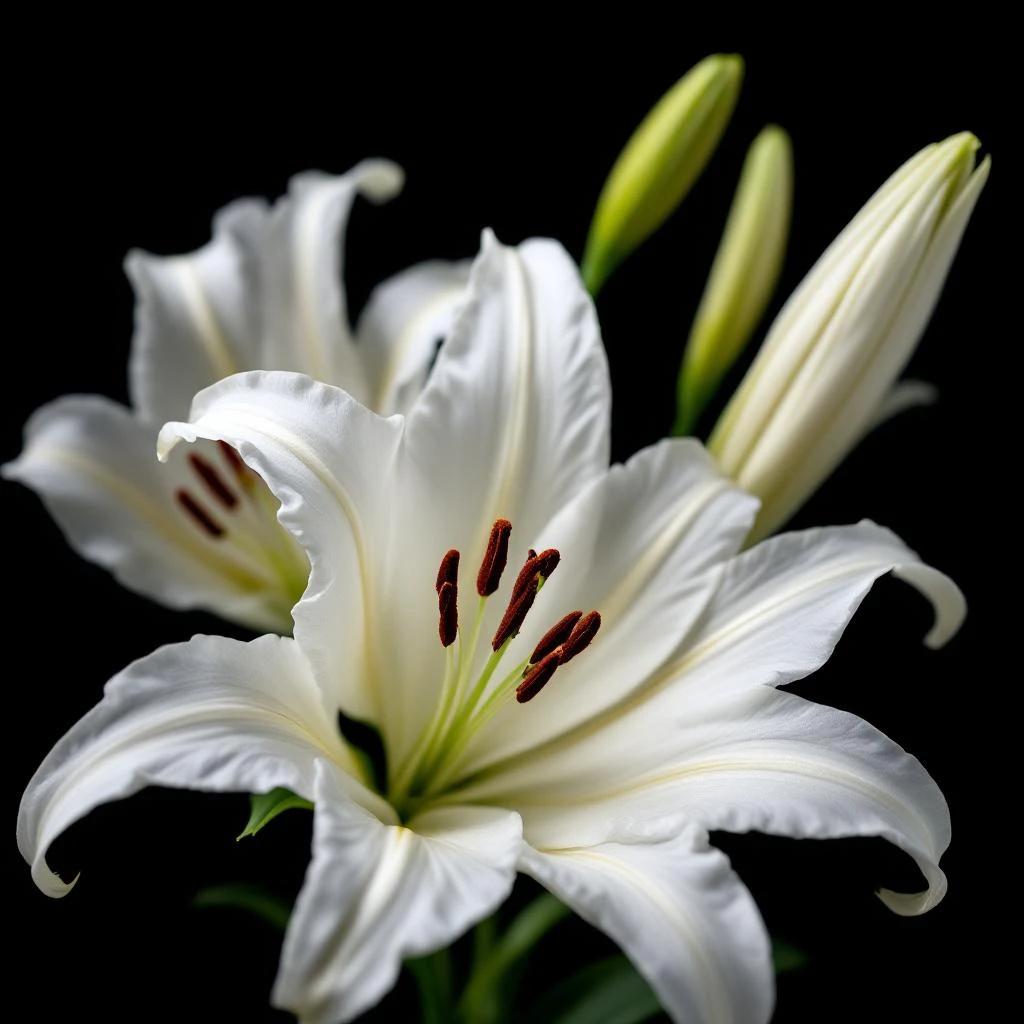
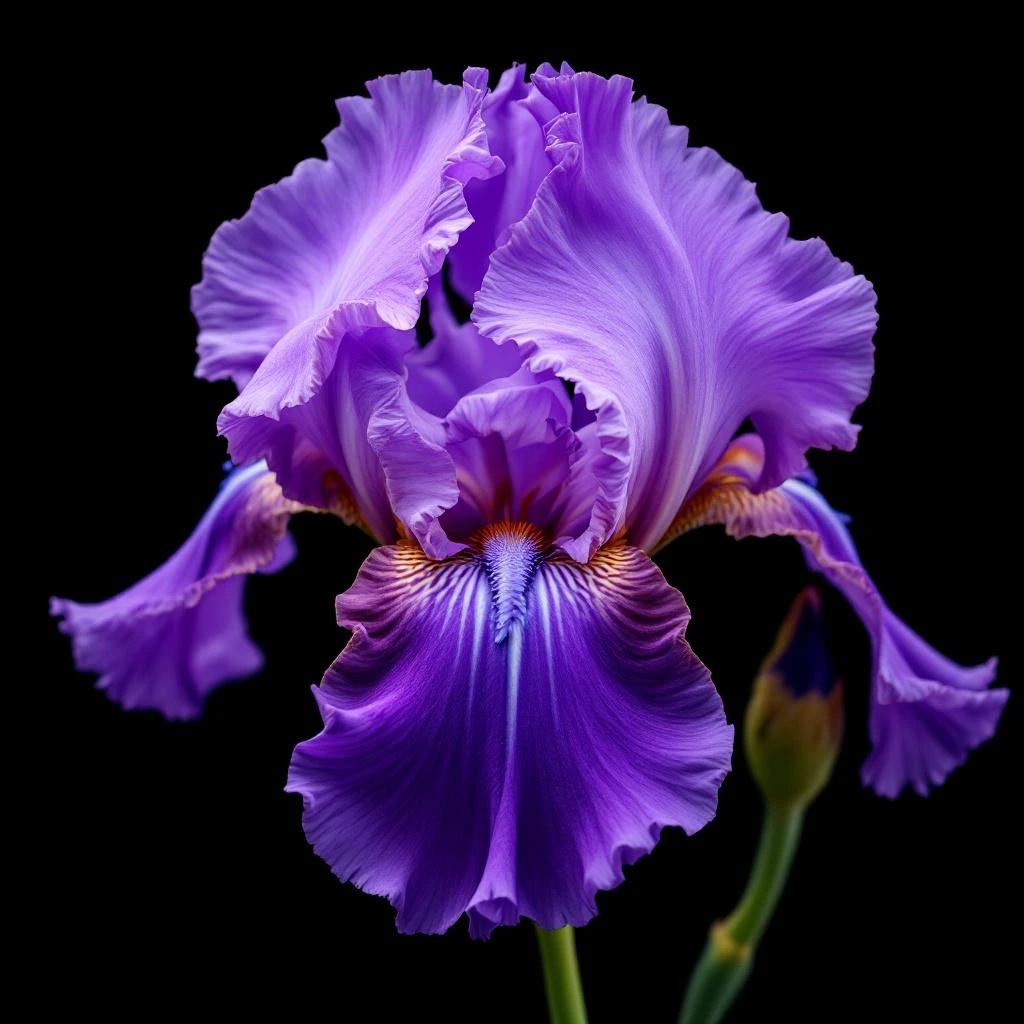
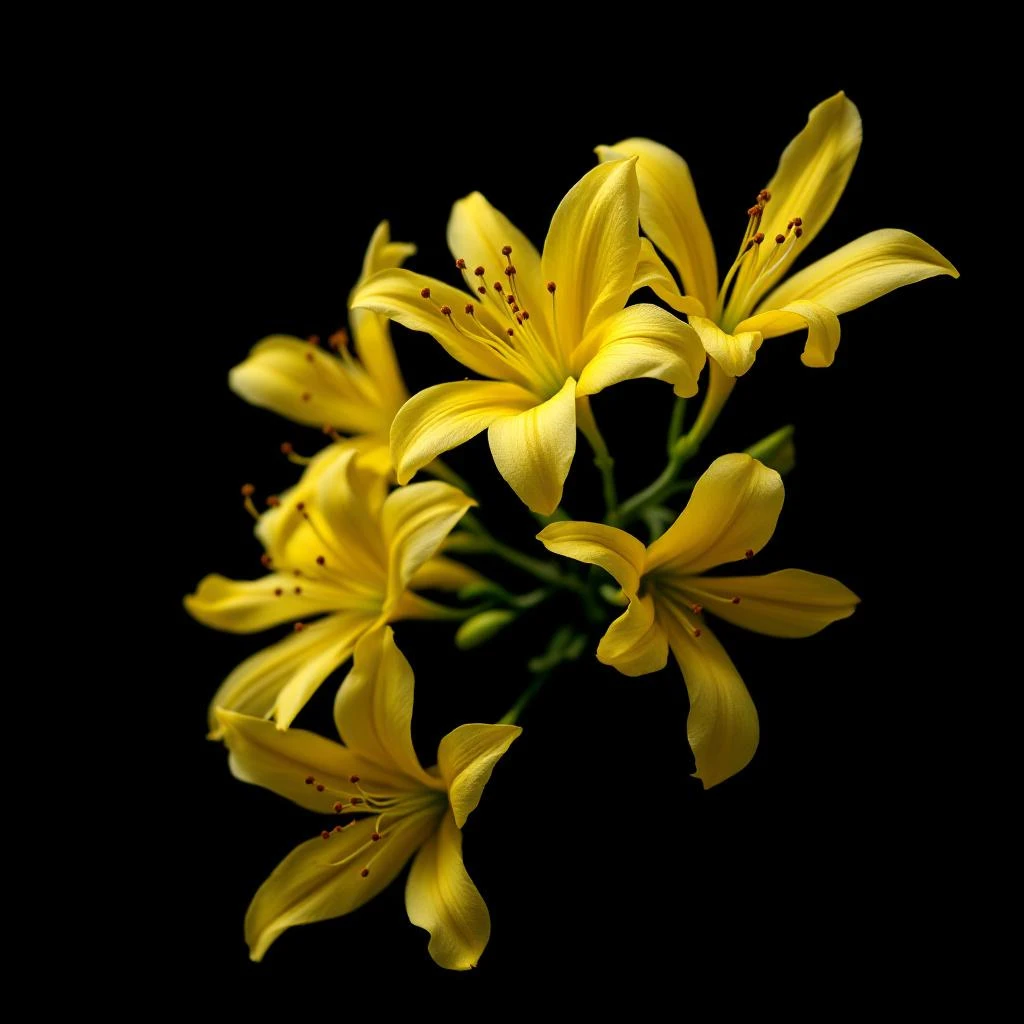
The hyacinth flower carries a name rooted in Greek mythology — Hyacinthus was a beautiful youth beloved by Apollo, whose blood gave rise to the flower according to legend. But the botanical story begins in Syria, where Hyacinthus ambréeis first grew wild before spreading across the ancient world.
European gardens discovered hyacinth in the 15th century, with Dutch and French horticulturists driving its transformation from wild flower to cultivated treasure. The Dutch obsession with hyacinth breeding in the 17th and 18th centuries produced the large, densely packed flower spikes we recognize today — a far cry from the simpler wild forms.
As a perfumery material, hyacinth emerged more recently. The 19th and 20th centuries saw perfumers seek ways to capture its distinctive scent, eventually developing solvent extraction methods suitable for the flower's delicate aromatic compounds. Two varieties — Hyacinthus orientalis L. and others — became the primary sources for extraction.
The transition to modern perfumery brought challenges. Natural extraction proved difficult because the compounds responsible for hyacinth's character are sensitive to heat and traditional distillation. Solvent extraction solved this problem for high-end absolutes, while synthetic chemistry enabled broader commercial use. Today, both approaches coexist — natural absolutes for luxury formulations, synthetic recreations for everyday products — reflecting how perfumery balances tradition with innovation.
Hyacinth's spring flowering season made it a natural symbol of renewal and freshness, associations that perfumers still draw upon when creating seasonal fragrances.
Wears it best
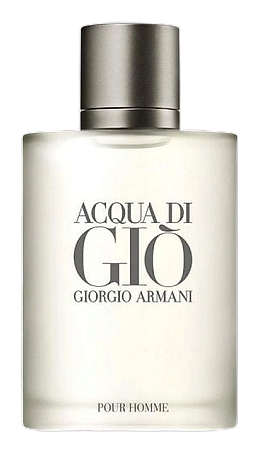
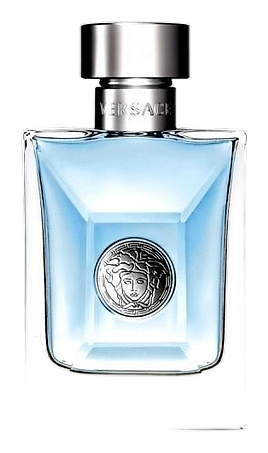
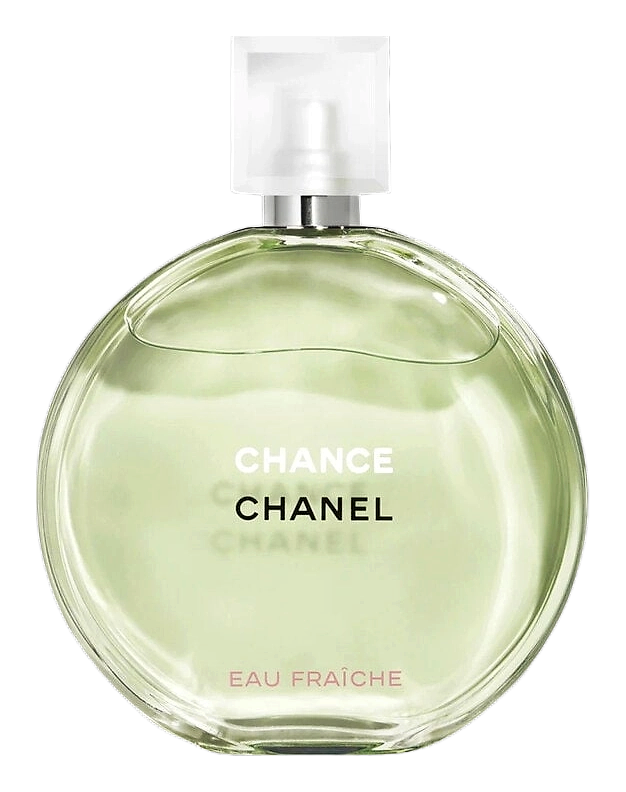
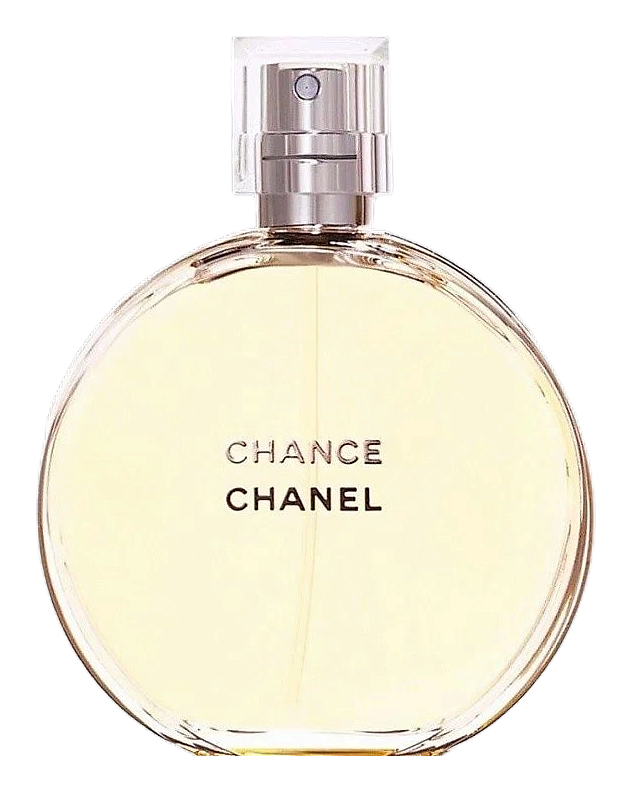
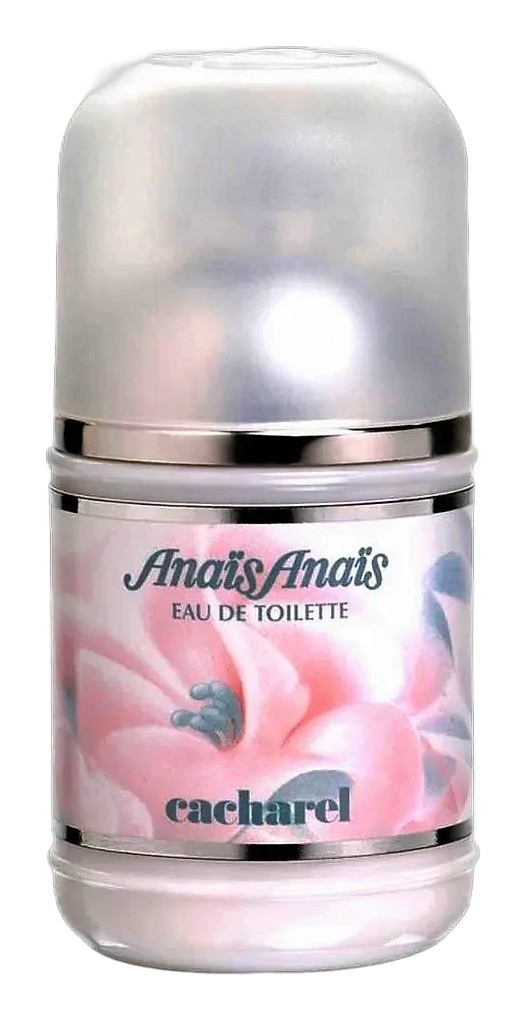
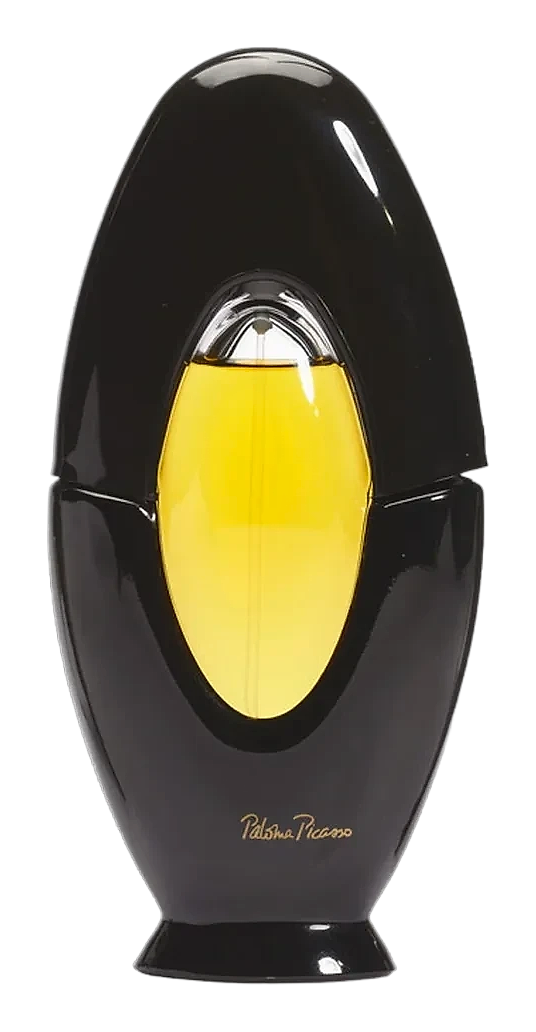
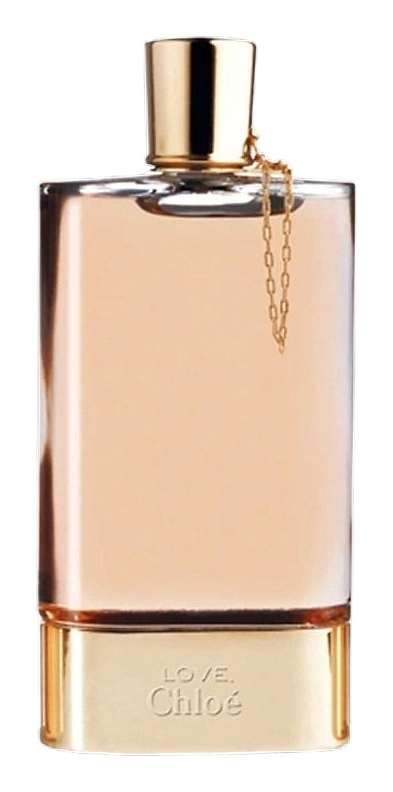
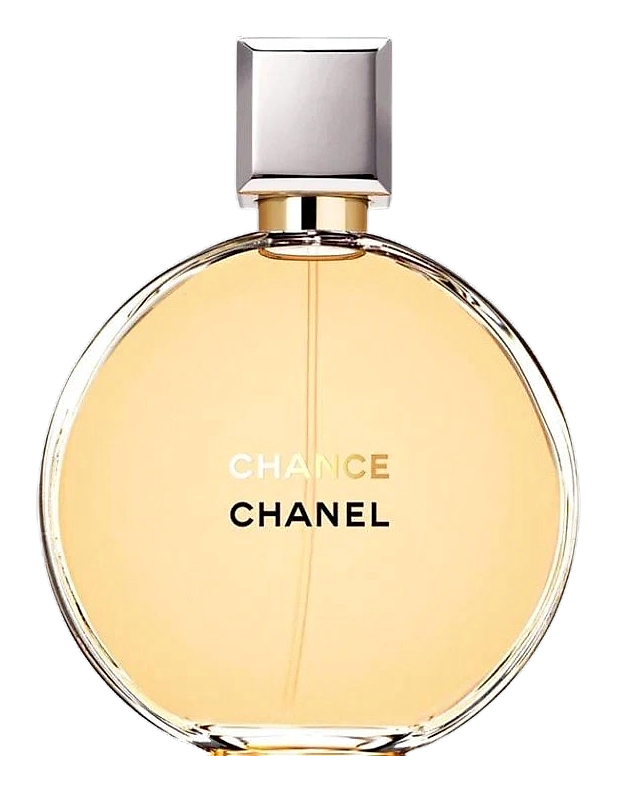
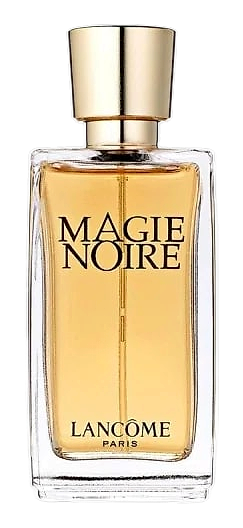
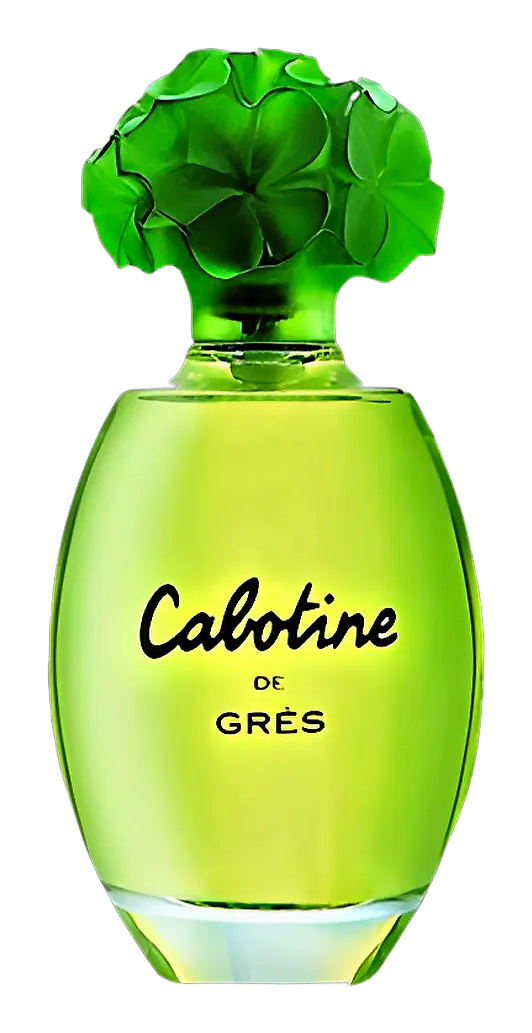
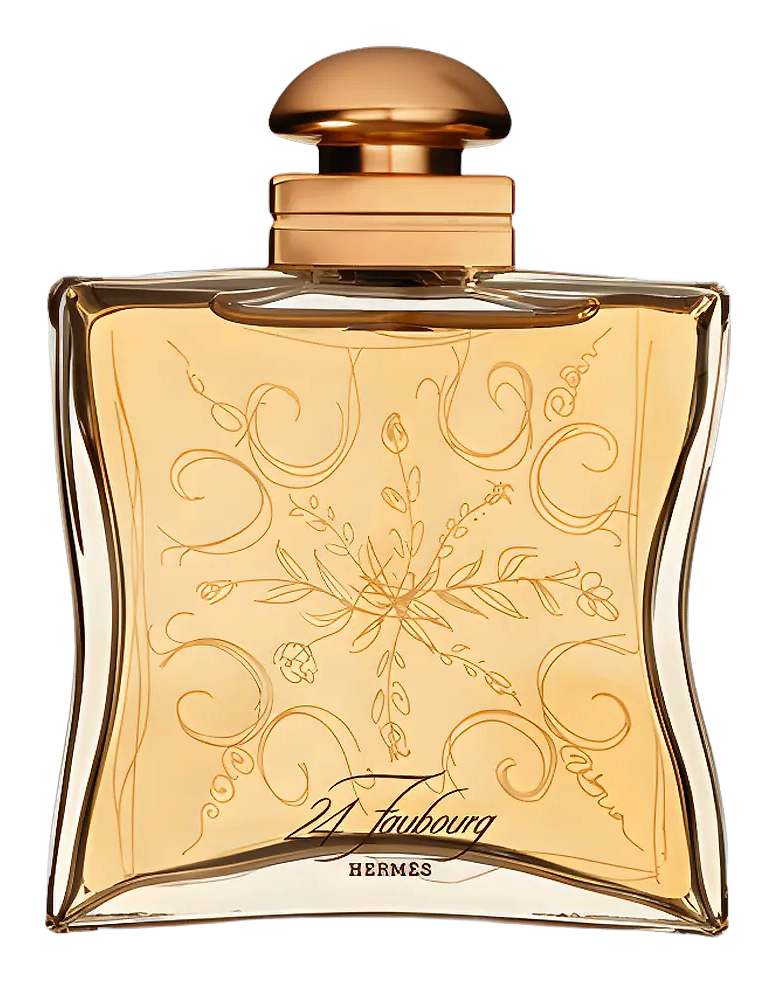
Fragrances featuring Hyacinth

Good to know
Questions, answered
The essentials on Hyacinth in perfumery: how it smells, where it comes from, and how it behaves on skin.
What does hyacinth smell like?
Hyacinth smells intensely green with dewy floral sweetness. Think cut grass, fresh petals, and a honey-like richness that feels like spring morning in a garden.
Is hyacinth used more as a natural or synthetic ingredient?
Most commercial fragrances use synthetic hyacinth because natural extraction is expensive and yields are low. Natural absolute remains a luxury ingredient in high-end formulations.
What extraction method produces hyacinth absolute?
Solvent extraction produces hyacinth absolute. Steam distillation damages the delicate aromatic compounds, making solvent methods the industry standard.
Which fragrance families use hyacinth most often?
Hyacinth appears primarily in green, fresh floral, and chypre fragrances. It pairs naturally with galbanum, citrus, and other green notes for spring and summer scents.
What parts of the hyacinth plant are used in perfumery?
Perfumers use the fresh flowers for extraction. The entire bloom is harvested during the short flowering season to capture the full aromatic profile.
How much flower material is needed to produce hyacinth absolute?
Several tons of fresh hyacinth flowers yield only a few kilograms of absolute. This low yield makes natural hyacinth one of the more expensive floral materials.
What season does hyacinth represent in perfumery?
Hyacinth is a spring flower, so it represents freshness and renewal in fragrance. Perfumers use it to evoke seasonal transitions, particularly in spring and early summer scents.
Can hyacinth stand alone as a fragrance note, or does it need support?
Hyacinth works as a prominent heart note but benefits from green and citrus support. Its intensity means it rarely needs reinforcement — a little goes a long way.