The Story
Why it exists.
The beginning
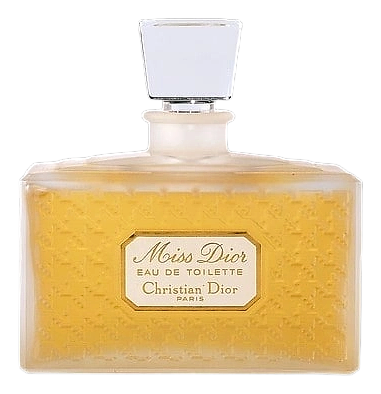
Edmond Roudnitska created Miss Dior Extrait in 1992, working within one of the most storied chypre structures in perfumery. The fragrance opens with a sharp, green wave of galbanum that immediately sets a crisp tone, undercut by the clean brightness of bergamot that lifts the initial impact. The galbanum is not merely a top note but a structural element, weaving through the composition to maintain that verdant character throughout the wear. As the opening settles, gardenia emerges as the floral centerpiece, lush and heady without tipping into sweetness. The gardenia's creamy, almost buttery texture provides a rich counterpoint to the galbanum's sharpness, creating a tension between crisp and lush that defines the Miss Dior character.
What makes this composition unusual is the balance of green and floral within a chypre framework. Galbanum is one of perfumery's more challenging materials, it can read as harsh, almost aggressive, if not handled carefully. Here it serves as both opener and anchor, appearing in the top notes and informing the base through the oakmoss and labdanum combination. The gardenia is equally deliberate: waxy, indolic, and deeplytextured, it doesn't smell like a generic white flower, it smells like a flower pressed between the pages of a heavy book. The carnation and neroli together create something that borders on spicy without warmth, a paradox that gives the heart its distinctive character.
The evolution
The opening hits within seconds, galbanum and bergamot arriving together, the bergamot bright and citrus-clean, the galbanum green and immediate. The interplay between these two elements creates an initial impression that is both sharp and refreshing, with the bergamot providing a luminous citrus quality while the galbanum contributes an intensely herbal, almost vegetable-like depth. As the top notes dissipate, gardenia and sage take over, and the gardenia is lush but not sweet, its creamy white floral character unfurling with a tropical richness that feels decadent yet controlled. The sage adds an herbal counterpoint that prevents it from becoming precious, its slightly camphoraceous edge keeping the florals grounded.
Cultural impact
Miss Dior Extrait occupies a specific position: a 1992 chypre extrait from one of perfumery's most storied houses, created by Edmond Roudnitska. The fragrance has endured not through reinvention but through consistency, it remains the expression of green floral chypre that it was at launch. In the decades since, the chypre genre has been shaped and reshaped by regulation around oakmoss, and older compositions like this one serve as reference points for what the structure originally meant.





