


































Heritage
A house, in its own words
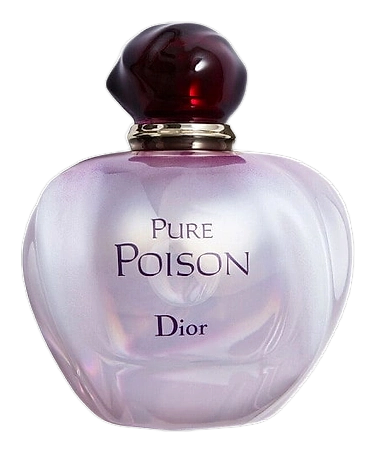
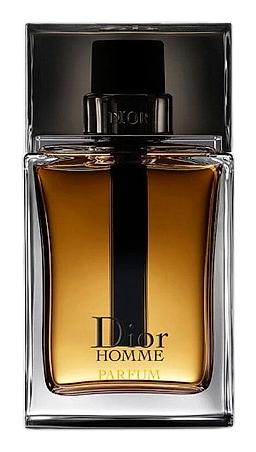
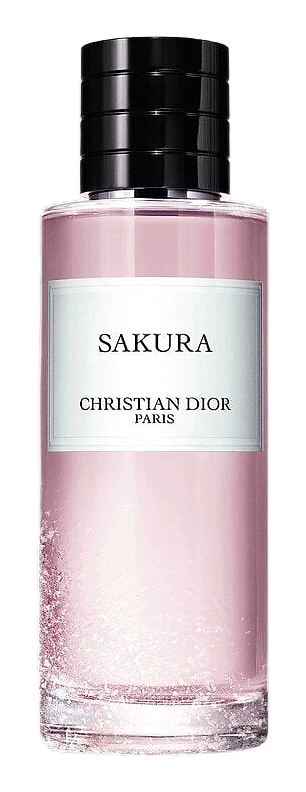
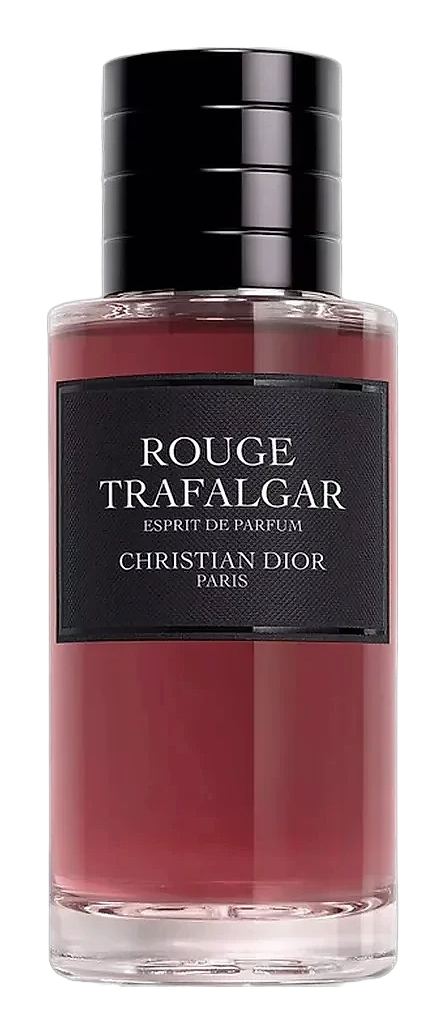
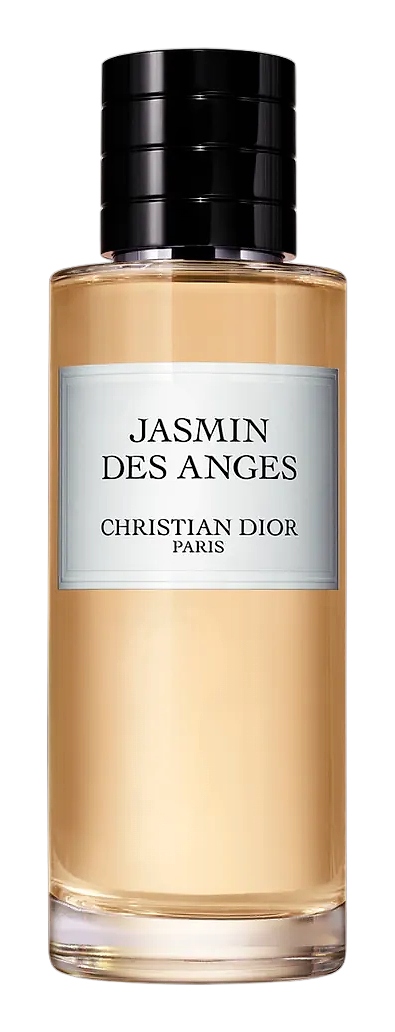
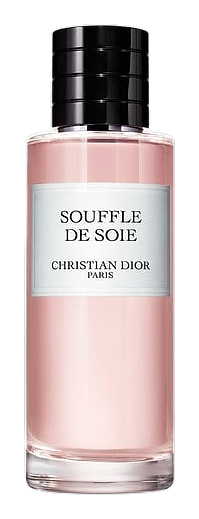
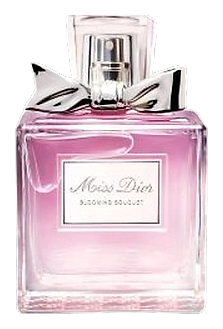
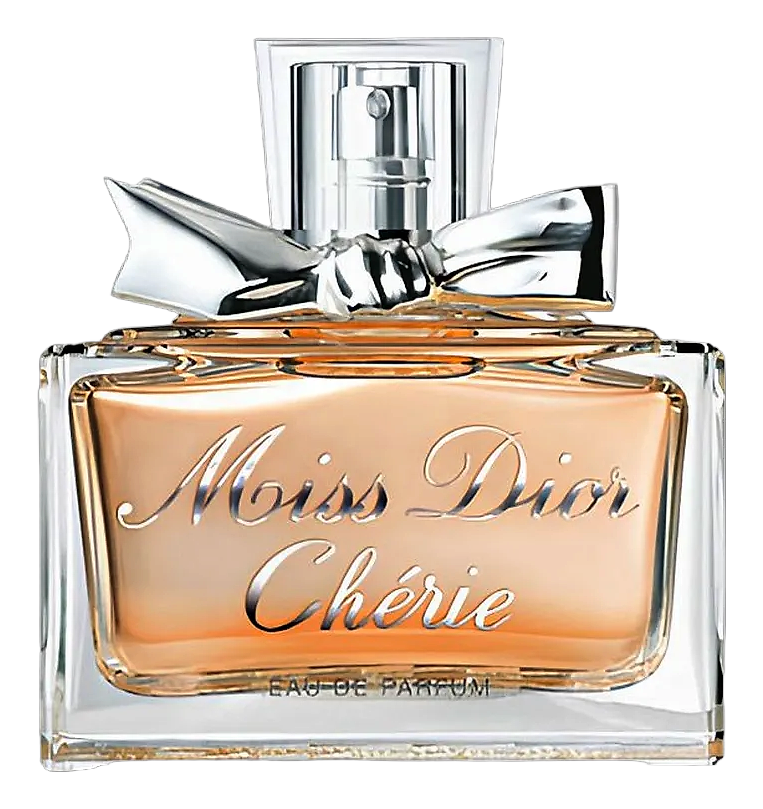
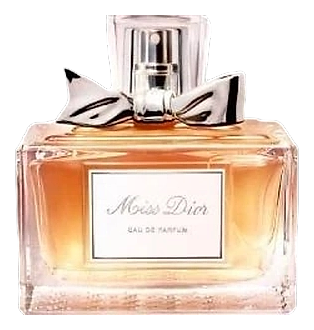
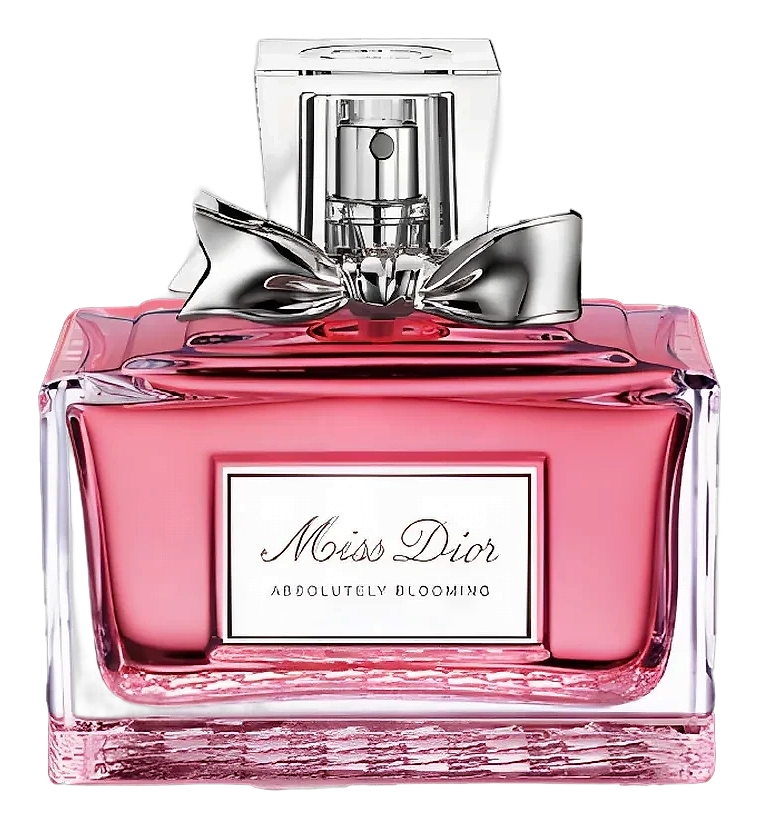
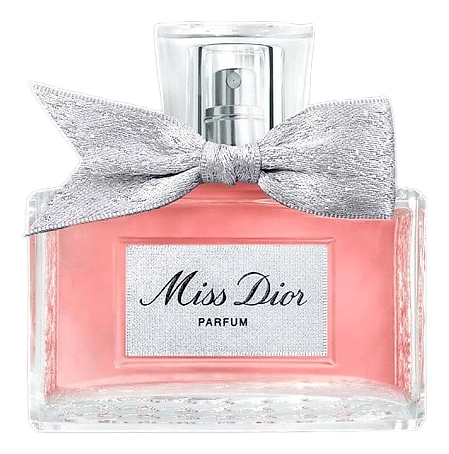
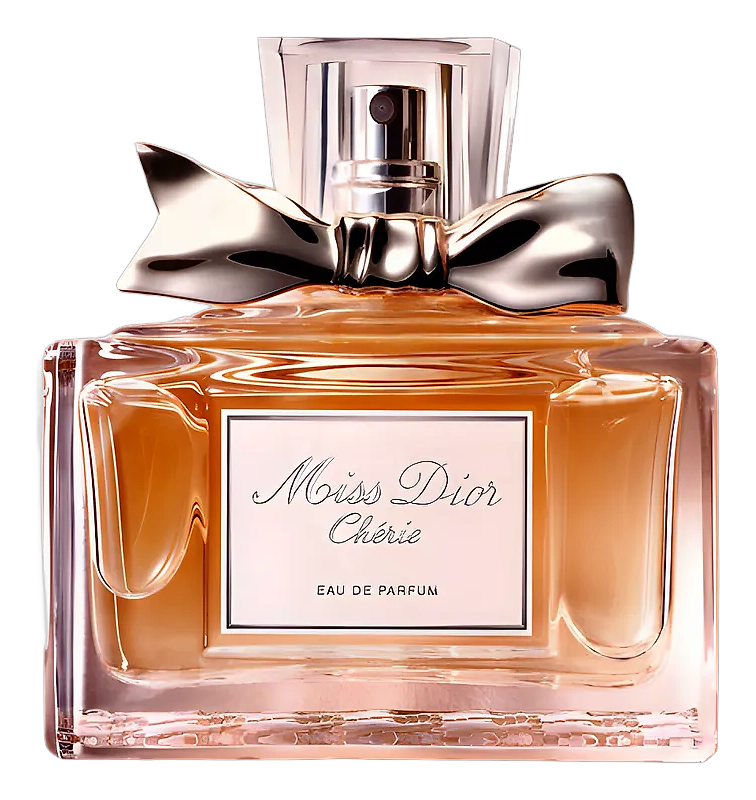
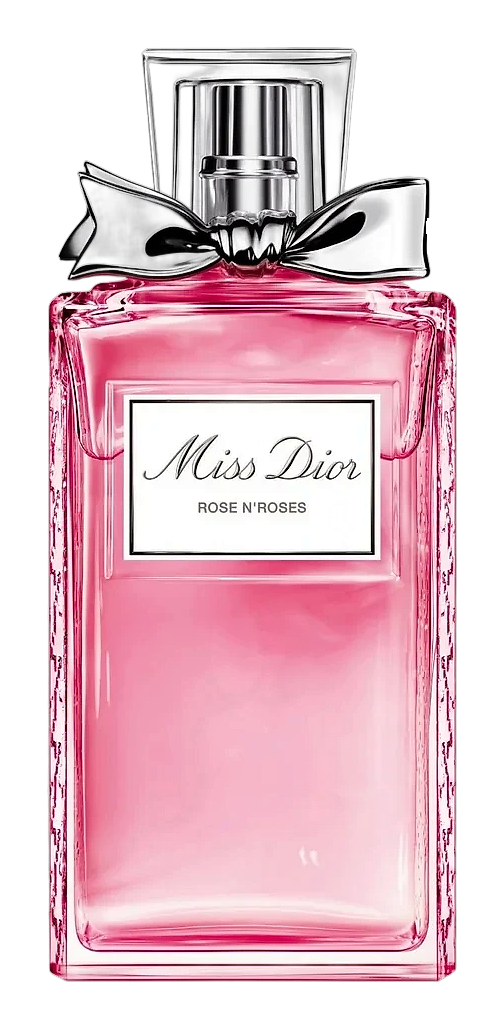
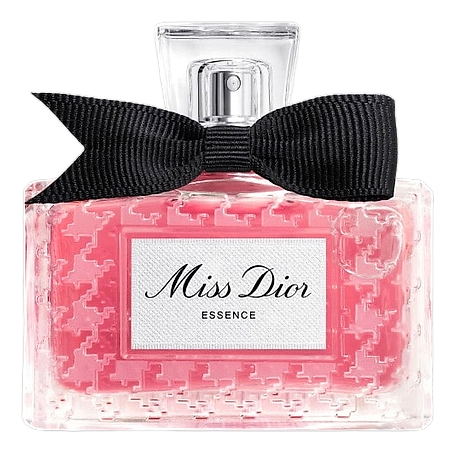
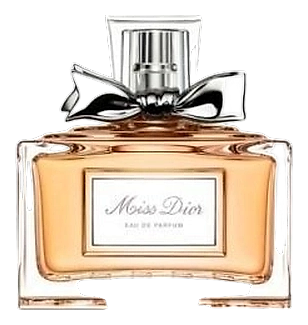
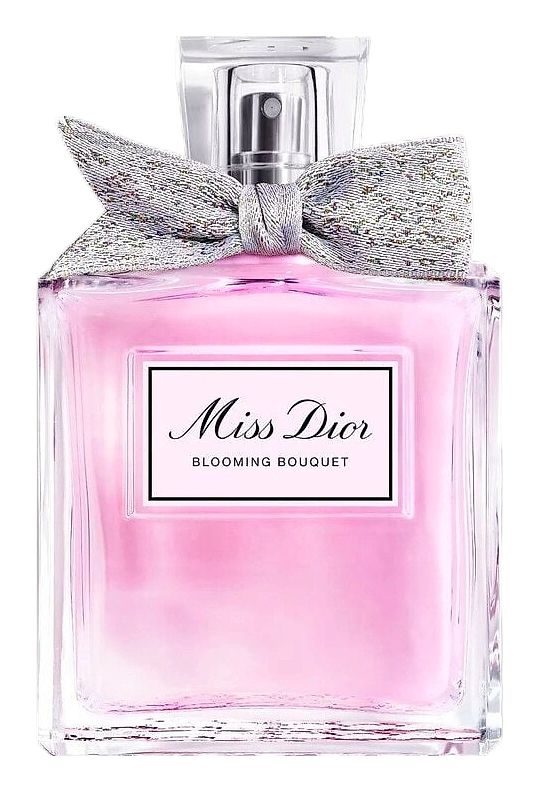
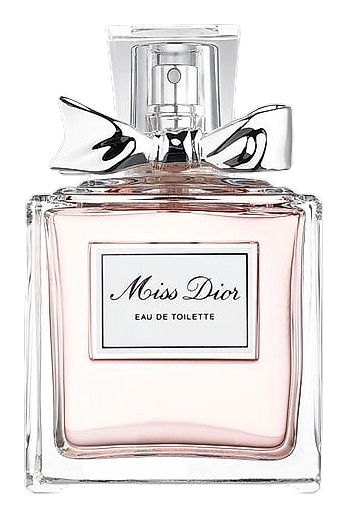
When Christian Dior established his couture house in 1946, he didn't just want to dress women; he wanted to perfume them. In 1947, alongside his revolutionary 'New Look' collection, he launched his first scent, Miss Dior. It was a spectacular green floral chypre conceived as the fragrant finishing touch to his gowns, a scent that 'smells of love.' This act forever entwined Dior's fashion with its fragrances. The couturier's own passion for flowers, cultivated in his childhood garden in Granville, became the brand's olfactory soul. After Christian Dior's sudden death in 1957, the fragrance house continued to define its eras. Eau Sauvage (1966) set a new standard for masculine freshness that still endures. The 1980s were marked by the opulent and divisive Poison, a heady tuberose that perfectly captured the decade's spirit of excess. The turn of the millennium brought J'adore (1999), a radiant floral bouquet that became a global phenomenon and a pillar of modern femininity. Through it all, Dior has maintained its status as a leader, shaping the public's taste while honoring its founder's original vision. At its heart, Dior's philosophy is that perfume is an indispensable part of style and personality. Christian Dior himself saw it as the 'final touch on a dress.' This belief drives a dual approach to creation. On one hand, the house produces magnificent, widely appealing fragrances that become cultural touchstones. On the other, it nurtures a deep respect for raw materials and high perfumery, most evident in the exclusive Maison Christian Dior line. This commitment is rooted in a love for exceptional flowers, particularly the roses and jasmine from Grasse, the cradle of French perfumery. The house isn't just selling a product; it's offering a piece of the Dior dream. Whether it's a bold statement or a subtle signature, a Dior scent is designed to be worn with confidence and elegance, an invisible garment that communicates a powerful sense of self.