
The Story
Why it exists.
The beginning
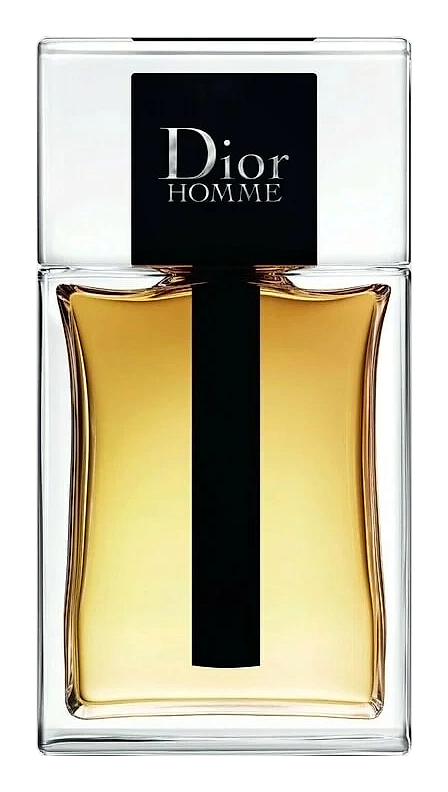
Dior has been defining masculine style since 1946. From Eau Sauvage's revolutionary freshness to Sauvage's global dominance, the house has always balanced mainstream appeal with genuine craft. François Demachy has led creation since 2006, building on a legacy of icons. Dior Homme arrived in 2005 as something rare, a masculine fragrance built on iris and powder that spoke to men who wanted sophistication over swagger. When Demachy returned to the name in 2020, he faced a question: what does that man look like now?
The note selection in Dior Homme 2020 reflects a specific philosophy: woods should communicate clarity, not heaviness. Cedarwood provides structure and masculinity without bulk. Cashmere wood adds comfort without sweetness. Patchouli grounds without earthiness. The opening trio of bergamot, pink pepper, and elemi creates initial interest before ceding to this woody heart. The drydown relies on Iso E Super because it behaves like skin itself, extending the fragrance's presence without announcing it. Vetiver and white musk complete the picture with subtle smoky and clean facets respectively.
The evolution
The opening chapter of Dior Homme 2020 writes itself in bright citrus and spice. Bergamot provides that immediate, sparkling lift, while pink pepper adds warmth with its slightly floral bite. Elemi brings a resinous quality that hints at complexity without announcing it. As the fragrance develops over the first thirty minutes, the composition gradually shifts from this initial brightness toward something more grounded. Cedarwood emerges as the dominant material of the heart, its aromatic precision replacing the powdery iris of the original. Cashmere wood adds an unexpected dimension, a creamy woodiness that softens what could have been harsh. Patchouli threads through in measured traces, providing earthiness that anchors the composition. The drydown unfolds slowly, with Iso E Super taking center stage around the three-hour mark. This molecule creates an almost transparent aura that sits close to the skin.
Cultural impact
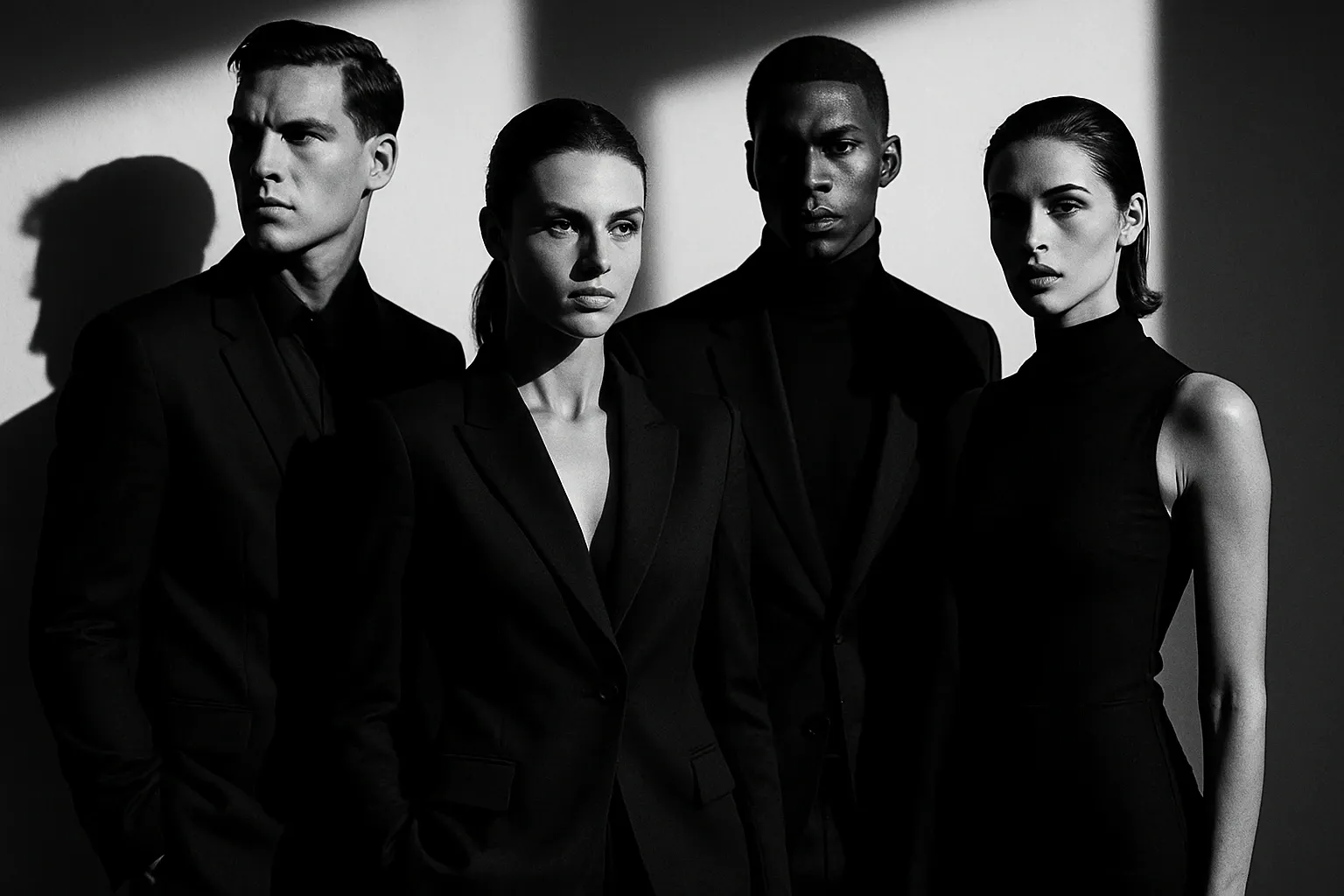
Robert Pattinson fronts the campaign, the choice of an actor known for choosing interesting work over safe bets. Dior Homme 2020 occupies the same space: a designer fragrance that refuses to be obvious. It's not trying to rival niche houses at twice the price. It's trying to be the best version of what a well-made men's fragrance can be. That means clean, warm, woody, and personal. It means wearing well without drawing attention. It means lasting long enough that the person who notices you three hours later isn't sure if they imagined it.