François Demachy
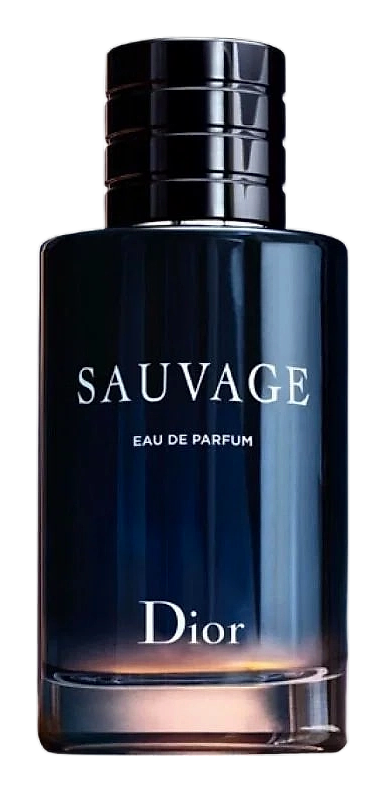
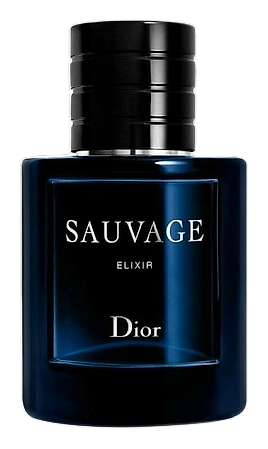
François Demachy grew up in Grasse, the perfume capital of southern France, where flower fields doubled as his childhood playground. Born in Cannes around 1949 to a pharmacist father, he never planned to become a perfumer. He pursued medical studies first, training in dentistry and physiotherapy before financial reality pushed him toward a job at the fragrance house Mane. That detour became permanent. He enrolled at Charabot, one of Grasse's historic raw materials companies, and spent five years learning the craft from the ground up. After Charabot, Demachy joined Chanel, where he would stay for more than two decades. As Director of Research and Development, he oversaw fragrance creation not only for Chanel but also for Ungaro, Bourjois, and Tiffany. His first major commercial fragrance, Ungaro Diva, dates to the early 1980s. It was a scent he reportedly created with his wife in mind, and it caught the attention of Sophia Loren. That early success hinted at what would come: a career defined by both technical command and emotional instinct. In 2006, LVMH recruited Demachy as Director of Development for their perfumes and cosmetics division, making him Christian Dior's official Perfumer-Creator. He also composed for Fendi and Acqua di Parma under the LVMH umbrella. From his workshop in Grasse, he built some of the most commercially significant fragrances of the 21st century, including Sauvage, which became one of the best-selling men's fragrances in history. After roughly 15 years at Dior, he was succeeded by Francis Kurkdjian, though he remained active within LVMH. His career spans more than four decades, documented in the film 'Nose,' which followed him from Indonesian patchouli farms to Italian bergamot groves to the jasmine fields of his hometown.
The hits
Notable creations




The signature
How François composes
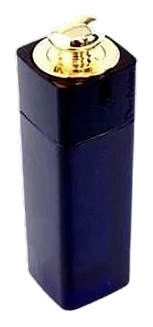
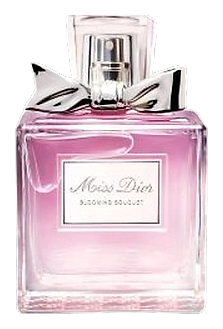
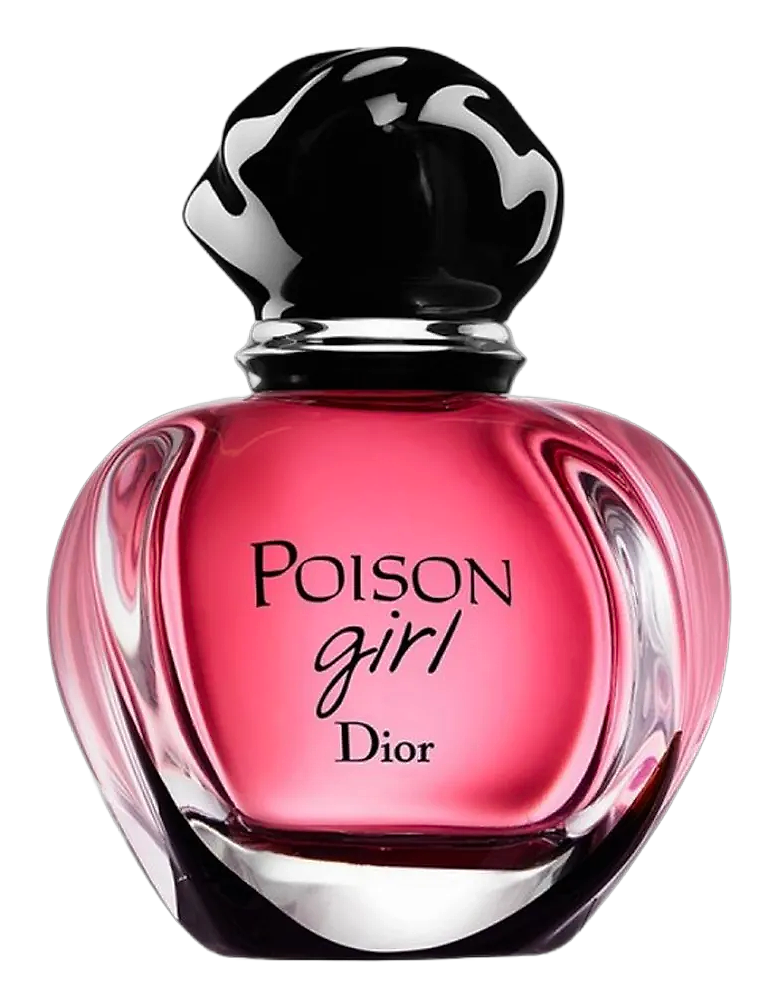
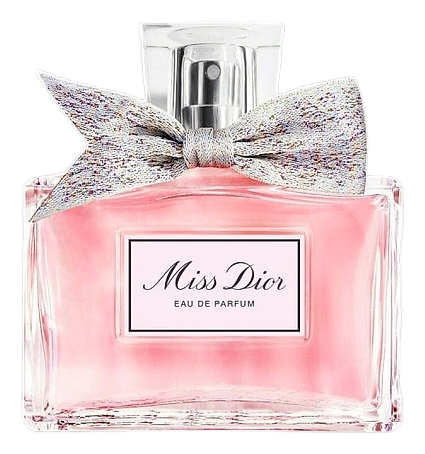
Demachy's work bridges two traditions. He is a Grasse native with deep roots in natural raw materials, yet he embraces modern molecules without hesitation. For his revision of Miss Dior, he stripped back patchouli and introduced potent orange notes, both classic sweet and blood orange, using ingredients unavailable when the original launched in 1947. That willingness to radically alter supporting characters while keeping a floral heart intact is a signature move. His palette leans toward ingredients tied to place. Rosa Centifolia from Grasse. Jasmine Grandiflorum from the fields he visits every harvest. Jasmine Sambac from India. Patchouli from Indonesia. Bergamot from Italy. He treats sourcing as part of the creative act, not a supply chain task. When he composed La Colle Noire, the result was a multi-faceted woody rose built around the Rose de Mai growing at Christian Dior's own estate in Grasse. His range is unusually broad. He can produce a fresh, ambroxan-powered masculinity like Sauvage and an intimate oud composition like Oud Ispahan. He handles powdery orientals (Hypnotic Poison), austere leather-amber blends (Fahrenheit Absolute), and airy florals (Joy by Dior) with equal command. His creations rarely shout. Even Sauvage, for all its projection, is built on a clean structure that reads as effortless. Across nearly 200 commercially released fragrances, the common thread is clarity of intent: each composition knows exactly what it wants to say.
Philosophy
What drives François
Demachy approaches perfume as emotion made tangible. In interviews, he returns to one idea: fragrance should move you before you understand why. He has described happiness as linked to light, associating it with roses and neroli. Sadness, in his view, smells old-fashioned, like carnations. These aren't abstractions for him. They shape how he builds compositions. His creative process resists formula. He starts each project by imagining in multiple directions simultaneously, a deliberate strategy to avoid creative saturation. He narrows possibilities gradually, and he relies on feedback early. 'You very quickly need to hear the opinions of others to make progress,' he has said. He finds reinventing existing fragrances intellectually stimulating because the constraints force invention. Free creation satisfies differently, but carries the risk of getting lost. Demachy wakes before 7 a.m. and tests with his nose at its freshest. He wears a personal cologne he mixed himself, deliberately without musk, so his skin stays clear for the day's trials. That small ritual captures something essential about him: precision in service of instinct, discipline that protects the space for surprise.
The houses
Maisons François composes for
In the same league