Elemi
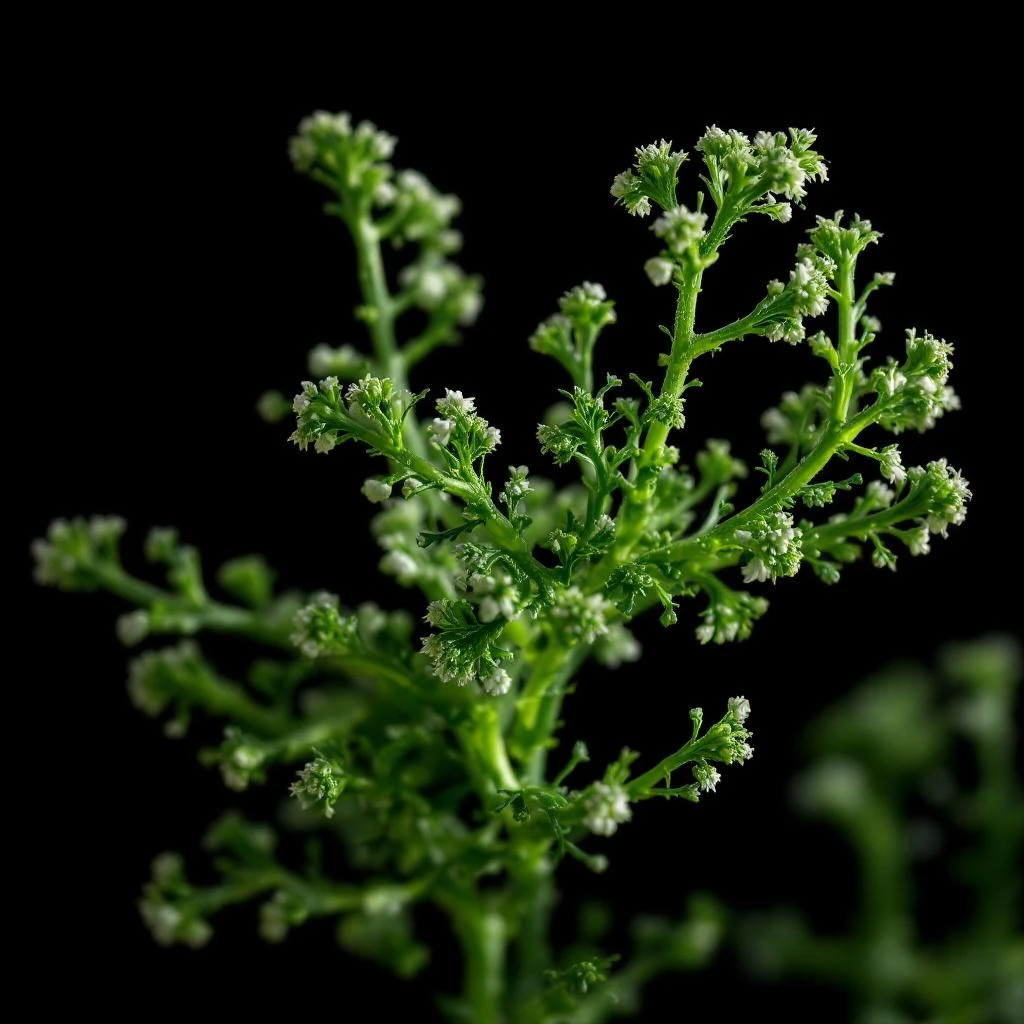
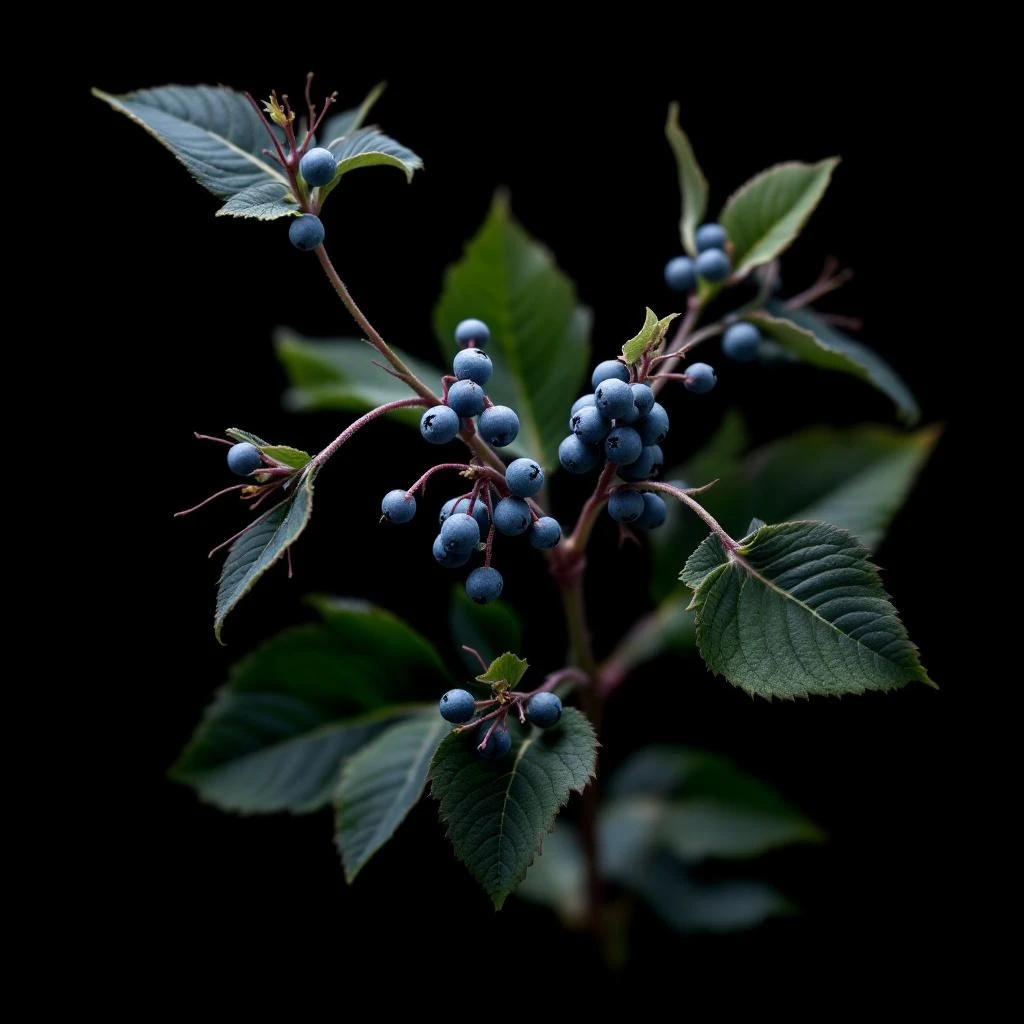
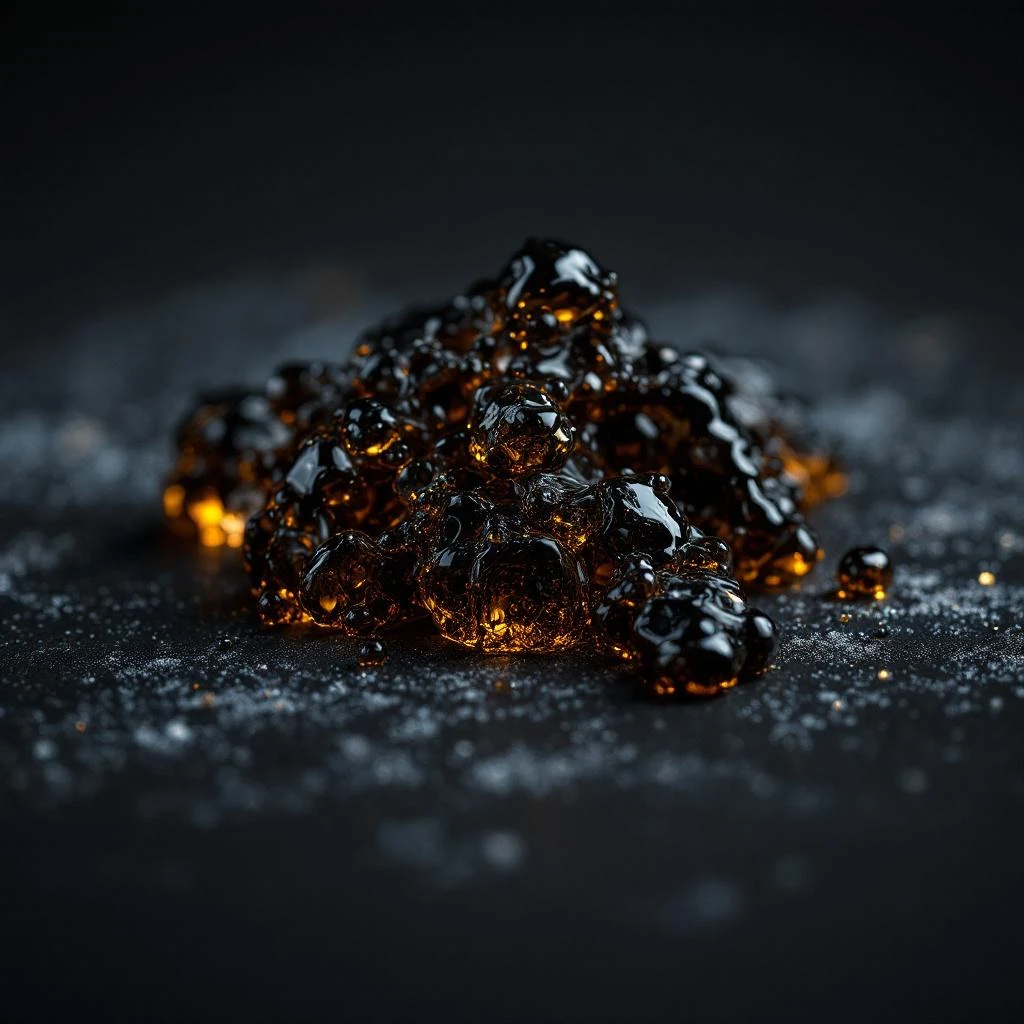
Elemi is a pale yellow oleoresin tapped from the Canarium luzonicum tree native to the Philippines. Its scent blends citrus freshness with warm, resinous depth—an almost electric brightness that perfumers rely on to lift and modernize heavier base notes.

Character
How it smells
Bright resin from the Philippine jungle.
When harvesters cut the Canarium luzonicum trunk, the resin flows so freely it inspired Filipino locals to say the tree was crying.







Origin
Philippines
Elemi has appeared in perfumery and ceremonial use since antiquity, though it remains less famous than its botanical cousins frankincense and myrrh. Ancient Filipino communities used the resin in incense for rituals and as a folk medicine for wounds and respiratory complaints.
Colonial-era Spanish traders noted elemi among Philippine exports, though it never achieved the global recognition of other resinous materials. European perfumers began incorporating elemi into compositions during the 19th century, drawn to its fresh, citrusy brightness, which offered a different character from the heavier, smokier resins of Arabia and East Africa.
Today, niche and artisan perfumers value elemi for its ability to add luminosity to woody and oriental structures, serving as both a top-note brightener and a subtle balsamic backbone. The ingredient bridges two worlds: the humid Philippine forests where it originates and the modern fragrance labs that rely on its versatility.
Wears it best
Fragrances featuring Elemi
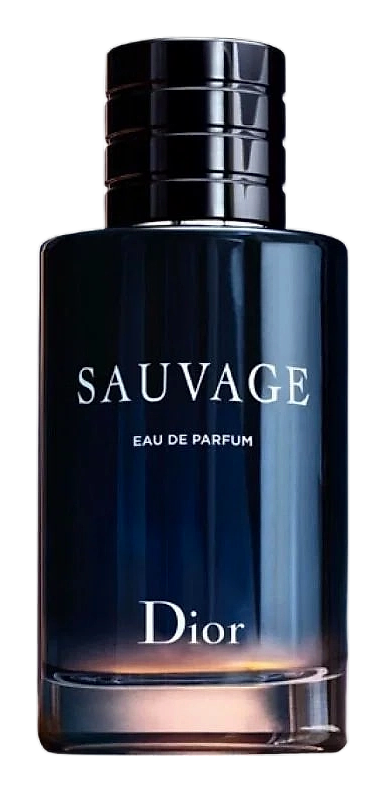
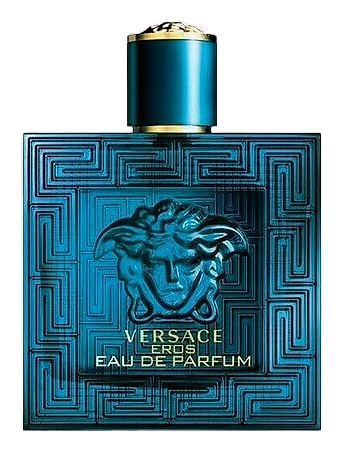
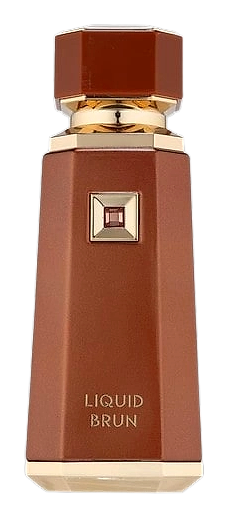




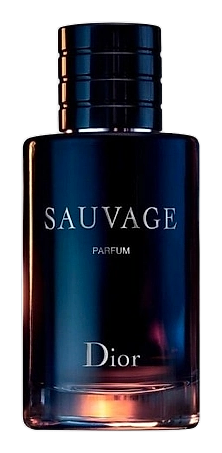


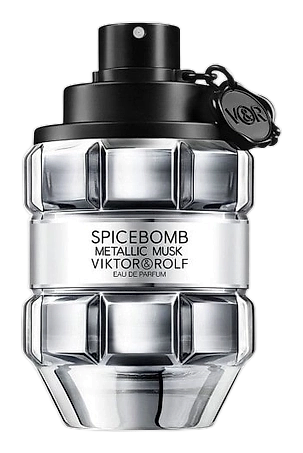

Brands
Brands known for Elemi
Good to know
Questions, answered
The essentials on Elemi in perfumery: how it smells, where it comes from, and how it behaves on skin.
What does elemi smell like?
Elemi carries a bright, citrusy-resinous scent with notes of lemon, pine, and warm balsam. It feels fresh and almost electric, which is why perfumers use it to lift heavier fragrance structures.
Is elemi a resin or an essential oil?
Elemi begins as a resin (oleoresin) tapped from the Canarium luzonicum tree. Perfumers typically use steam-distilled elemi oil, which concentrates the aromatic compounds from that raw resin.
Which countries produce elemi?
The Philippines supplies the vast majority of the world's elemi. The Canarium luzonicum tree grows wild in Philippine forests, and tapping remains largely a wild-harvesting practice rather than plantation-based.
Is elemi related to frankincense?
Yes. Both belong to the Burseraceae botanical family. Elemi shares the resinous, balsamic character of frankincense and myrrh but with a distinctly brighter, more citrus-forward aroma.
What fragrance families use elemi?
Perfumers add elemi to woody, oriental, fougère, and fresh citrus compositions. It functions as both a bright top-note and a subtle balsamic heart-note, depending on concentration and搭配.
Does elemi come from endangered trees?
The IUCN has not classified Canarium luzonicum as threatened, but wild-harvesting pressure exists. Sustainable tapping practices and wild-forest management are growing concerns in Philippine producing regions.
How long has elemi been used in perfumery?
European perfumers adopted elemi during the 19th century. It has older ceremonial and medicinal roots in the Philippines, where indigenous communities used the resin for centuries before colonial trade routes introduced it to Western perfumery.
Can elemi cause skin irritation?
Elemi oil contains limonene and other compounds that may cause sensitization in some individuals. IFRA guidelines recommend typical usage levels below 2% in finished fragrance concentrates for topical application.