Galbanum
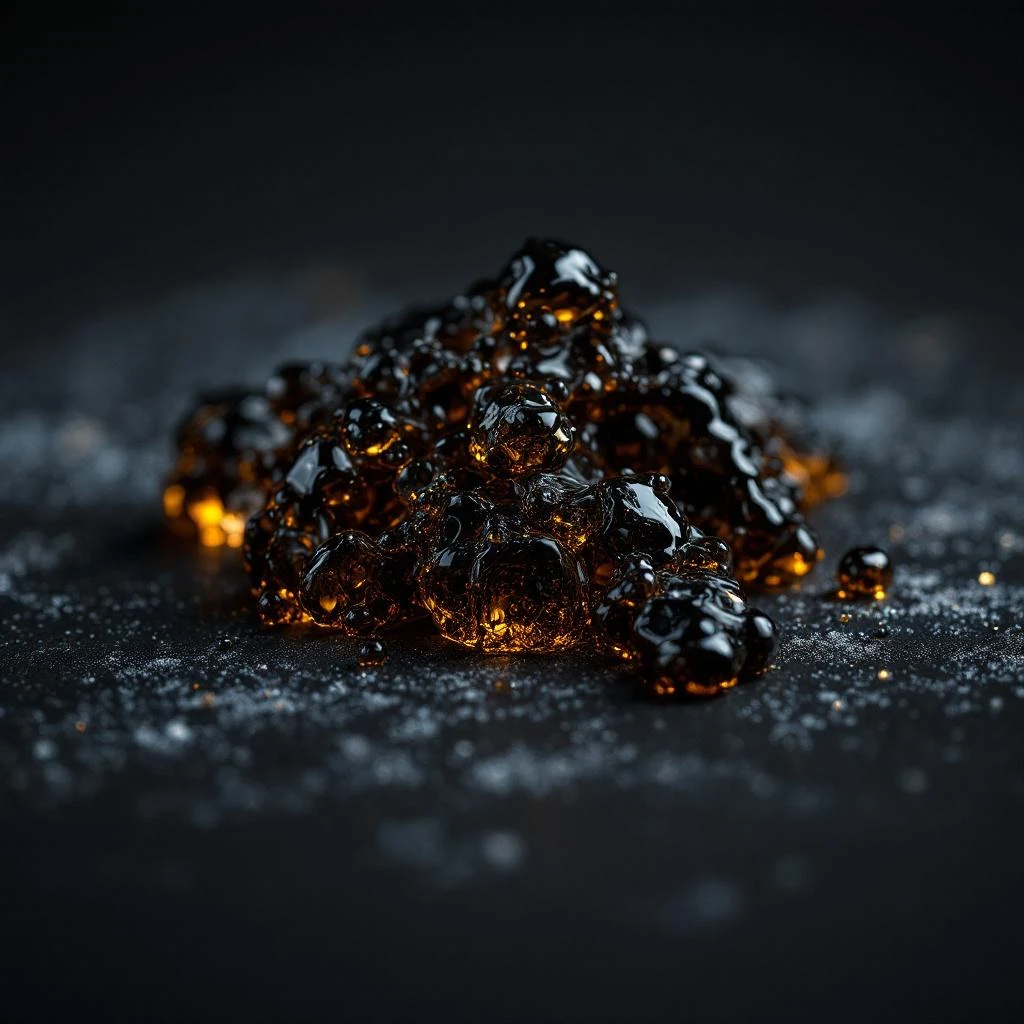
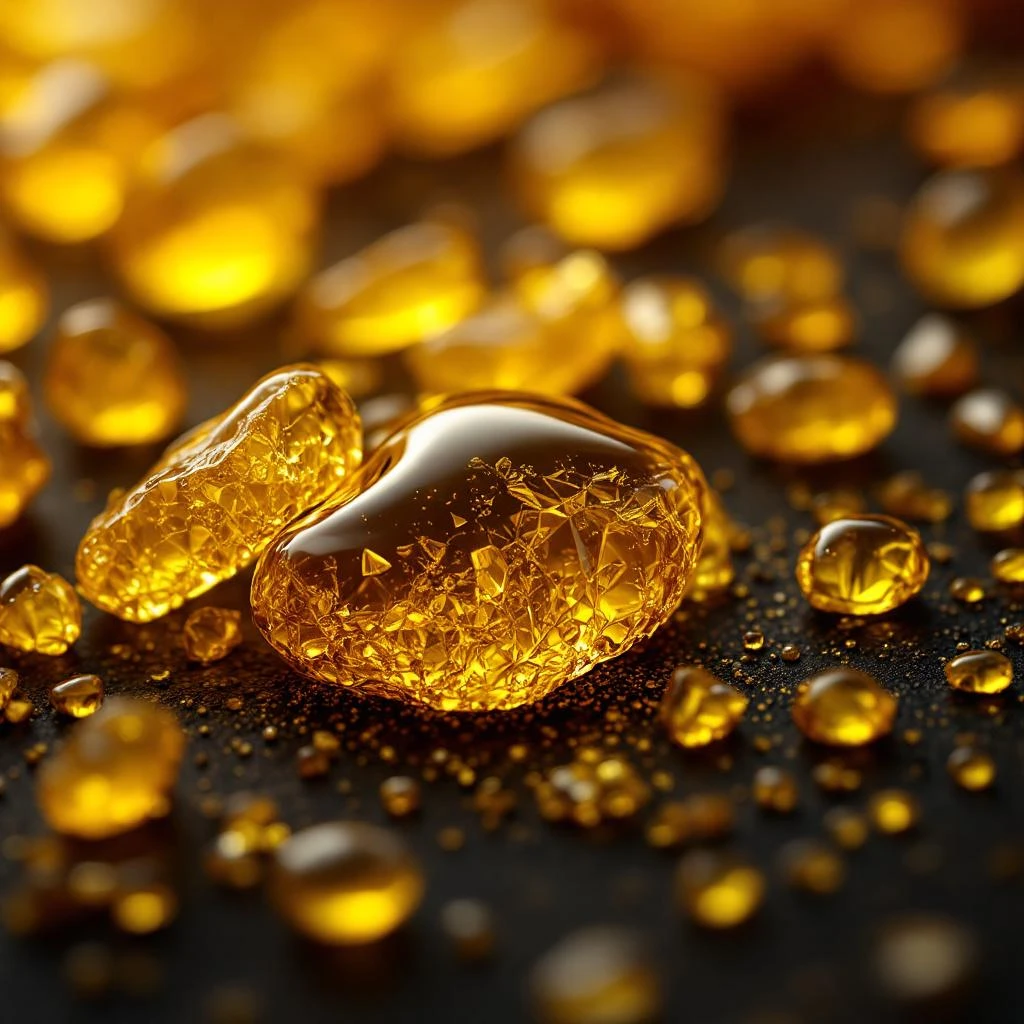
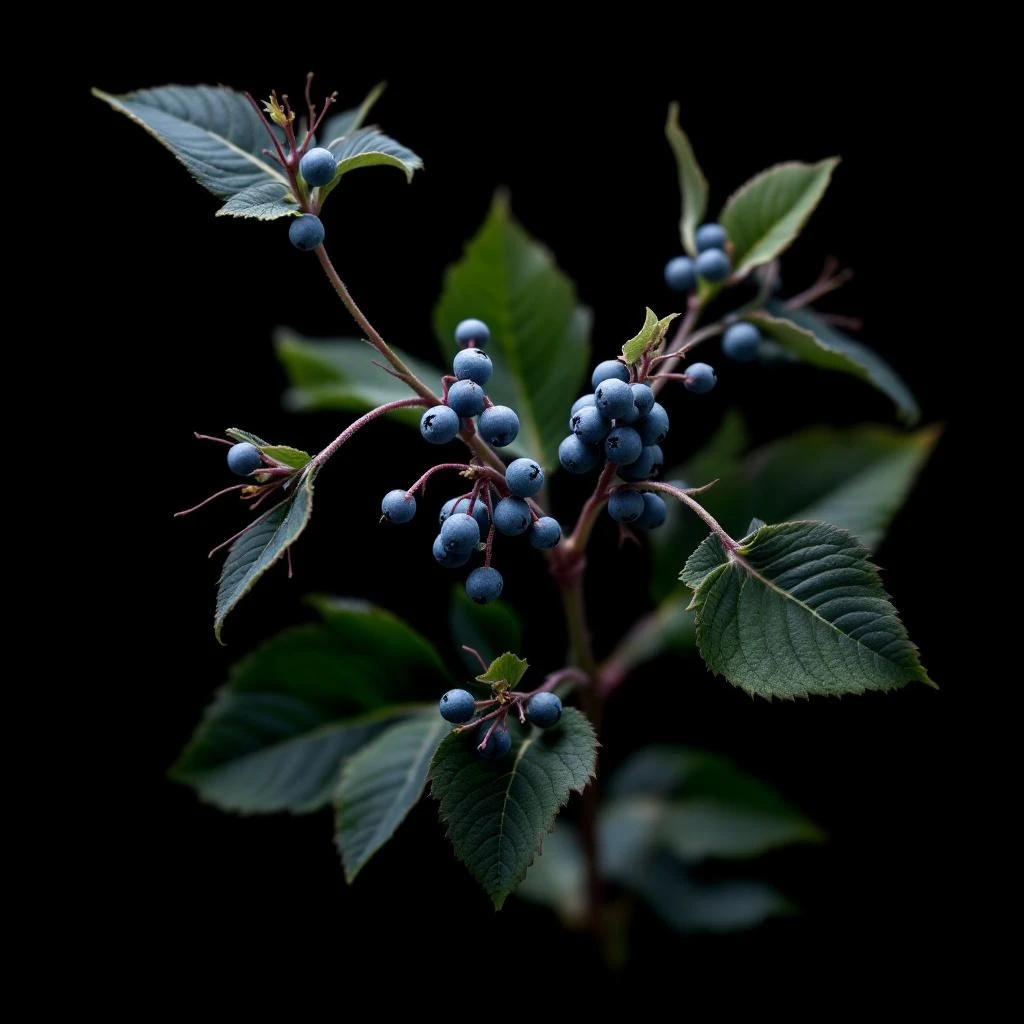
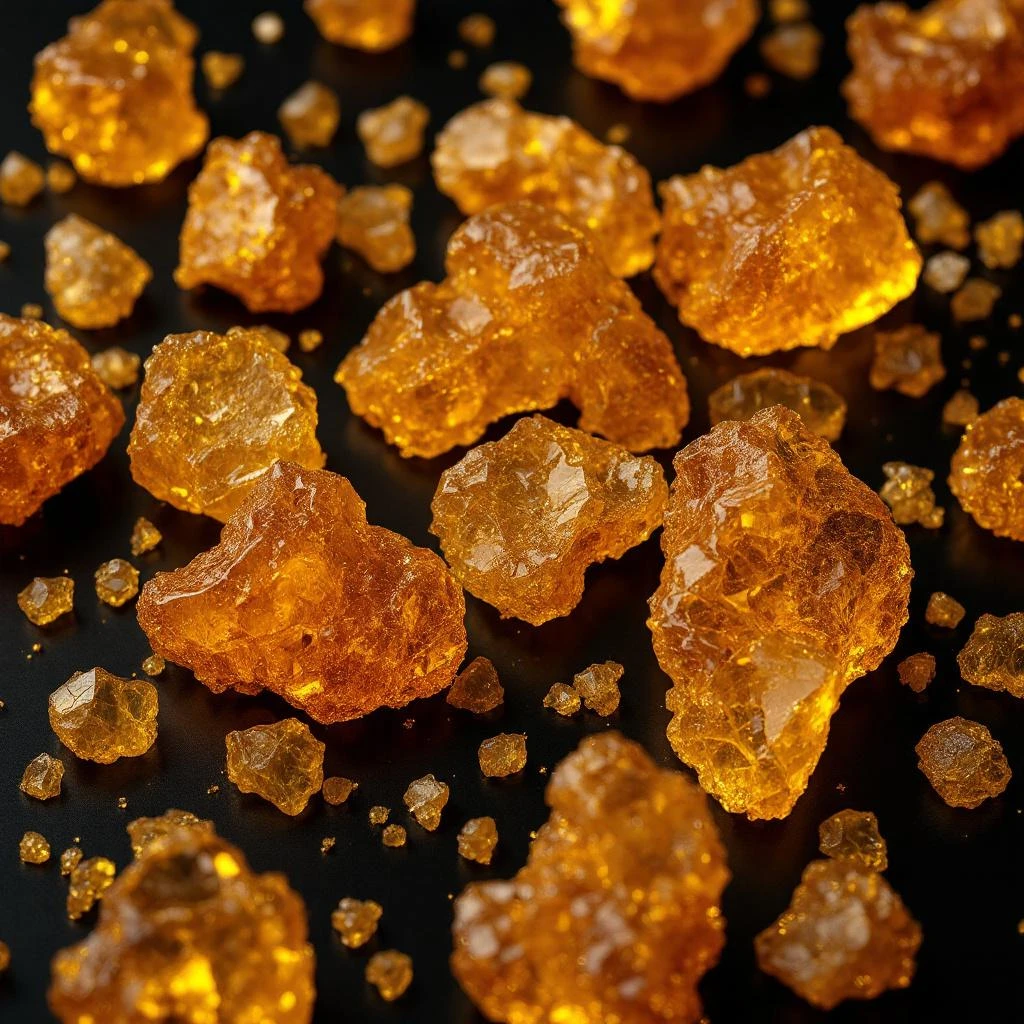
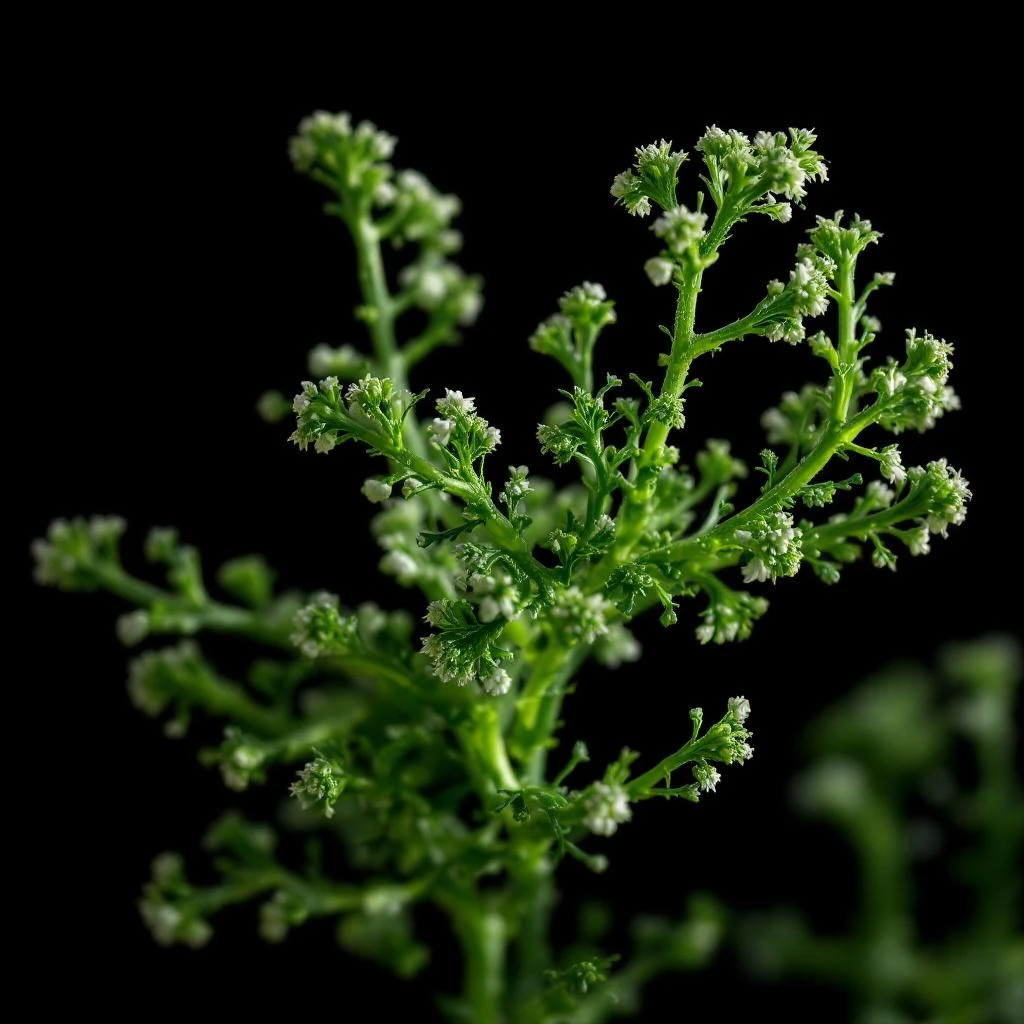
Galbanum is a striking green note from the resin of Ferula plants native to Iran. Its scent evokes freshly cut grass, bitter sap and earthy animalic nuances. Among perfumers, it ranks among the most coveted ingredients for achieving a piercing green character.
Character
How it smells
The ancient green note that anchors modern fragrance.
Galbanum appears in the Old Testament as part of the holy incense formula, making it among the oldest aromatic ingredients documented in human history.








Origin
Iran
Galbanum carries one of the longest documented histories of any fragrant material. Ancient Egyptians imported it in substantial quantities from Persia for religious ceremonies, therapeutic treatments, and embalming practices. The resin appears in the Old Testament as a component of the sacred ketoret incense burned in Solomon's Temple, confirming its status as a holy aromatic substance in ancient Israelite tradition.
Greek and Roman cultures adopted galbanum widely. Physicians including Hippocrates documented its medicinal properties, while perfumers and priests burned it in incense rituals. Romans incorporated the resin into scented bath waters and skin balms, recognizing both its aromatic and therapeutic qualities. These applications spread throughout the Mediterranean world via established trade routes connecting Persia with Egypt, Greece, and Rome.
Despite millennia of use, galbanum remained relatively obscure in modern perfumery until the twentieth century. Perfumers began featuring it prominently in chypre and green fragrance families, where its complex green character provided structural depth. Today, it occupies a special position as a rare natural material that conveys authenticity and historical continuity. Its inclusion signals craftsmanship, and its scarcity ensures it remains a marker of premium fragrance composition.
Wears it best
Fragrances featuring Galbanum
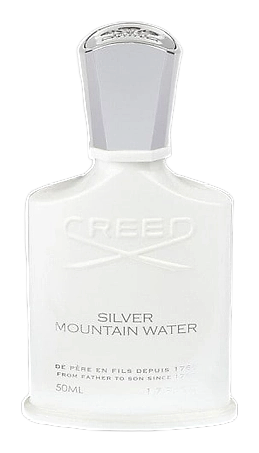
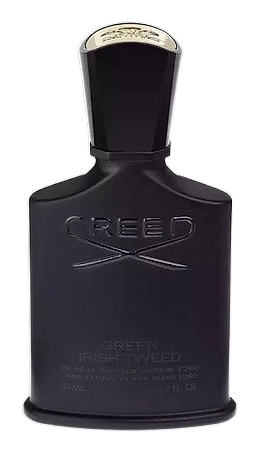
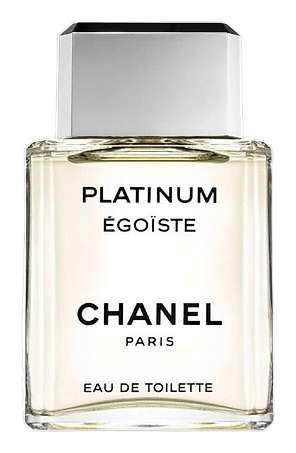
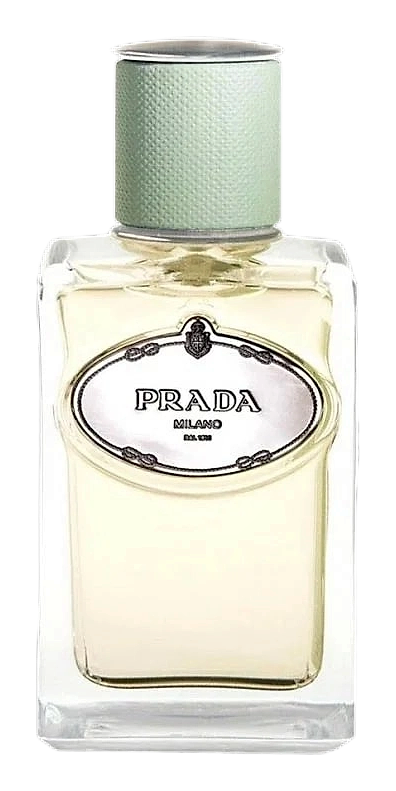
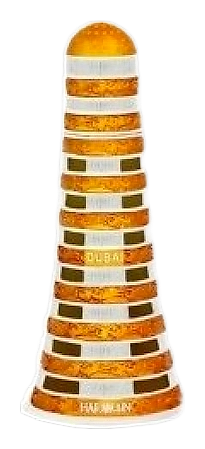
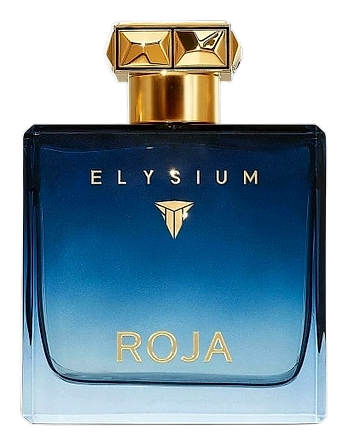

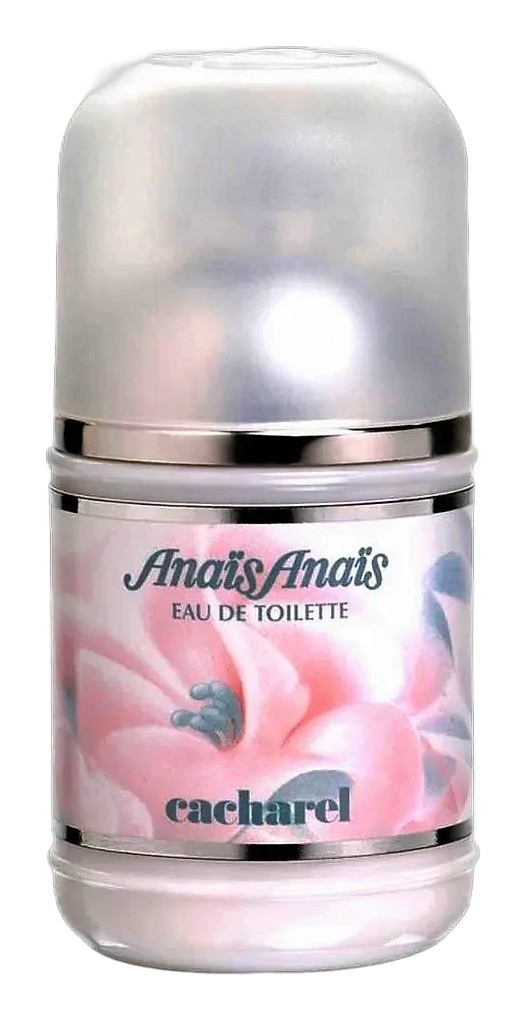
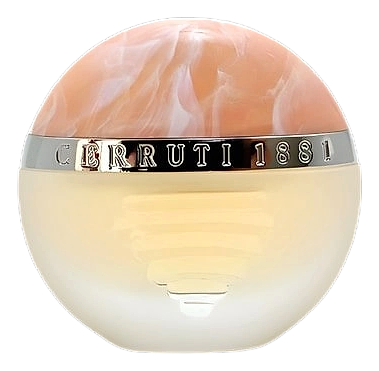
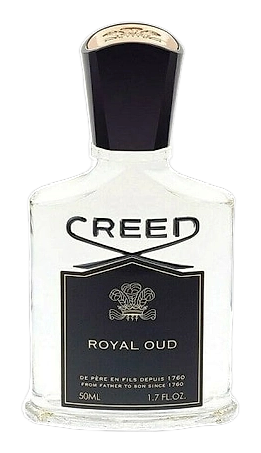
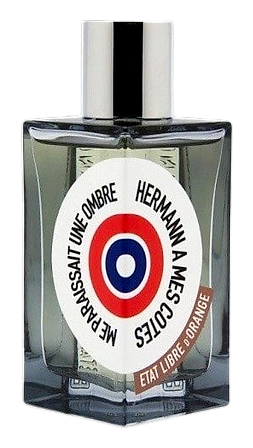
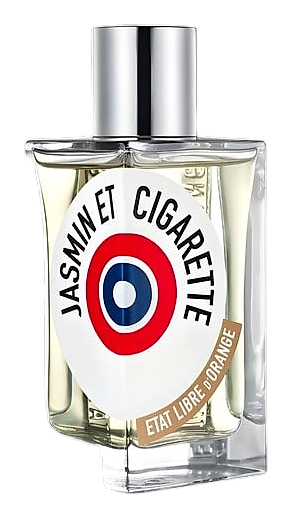
Brands
Brands known for Galbanum
Good to know
Questions, answered
The essentials on Galbanum in perfumery: how it smells, where it comes from, and how it behaves on skin.
Is galbanum a natural or synthetic ingredient?
Galbanum is a natural ingredient sourced from the gum-resin of Ferula plants, primarily grown in Iran. While synthetic alternatives exist for cost reasons, natural galbanum offers a complexity that mimics have not fully replicated.
What does galbanum smell like?
Galbanum delivers a sharp, intensely green scent reminiscent of freshly cut grass with bitter sap and resinous undertones. It carries an earthy, balsamic quality with faint animalic warmth that gives it remarkable depth.
What fragrances traditionally feature galbanum?
Galbanum appears in classic chypre fragrances and modern green compositions. It provides structural depth and an authentic verdant character that distinguishes fragrances from those relying solely on synthetic green materials.
Why is galbanum expensive?
Galbanum commands high prices due to limited supply and labor-intensive collection. Ferula plants grow only in specific regions, and each plant yields small amounts of gum-resin collected by hand over extended periods.
What other names exist for galbanum?
Galbanum derives from the Latin galbanum, itself borrowed from Hebrew or Aramaic terms for the substance. The Ferula species producing the gum-resin are sometimes called galbanum ferula in botanical references.
Can galbanum be used as a fixative?
Galbanum resinoid acts as a fixative in fragrance compositions, helping slower-evaping notes remain present on the skin. Its resinous nature stabilizes lighter top notes and extends the dry-down phase of a fragrance.
Does galbanum have historical significance beyond perfumery?
Ancient Egyptians used galbanum for religious ceremonies and embalming. Greeks and Romans burned it as incense and incorporated it into medicinal balms. It appears in biblical texts as a sacred incense ingredient.
What forms of galbanum are available to perfumers?
Perfumers work with galbanum essential oil, resinoid, and absolute. Each format offers different concentrations and aromatic profiles, with the resinoid providing the most intense and complex character.