Elemi Resin
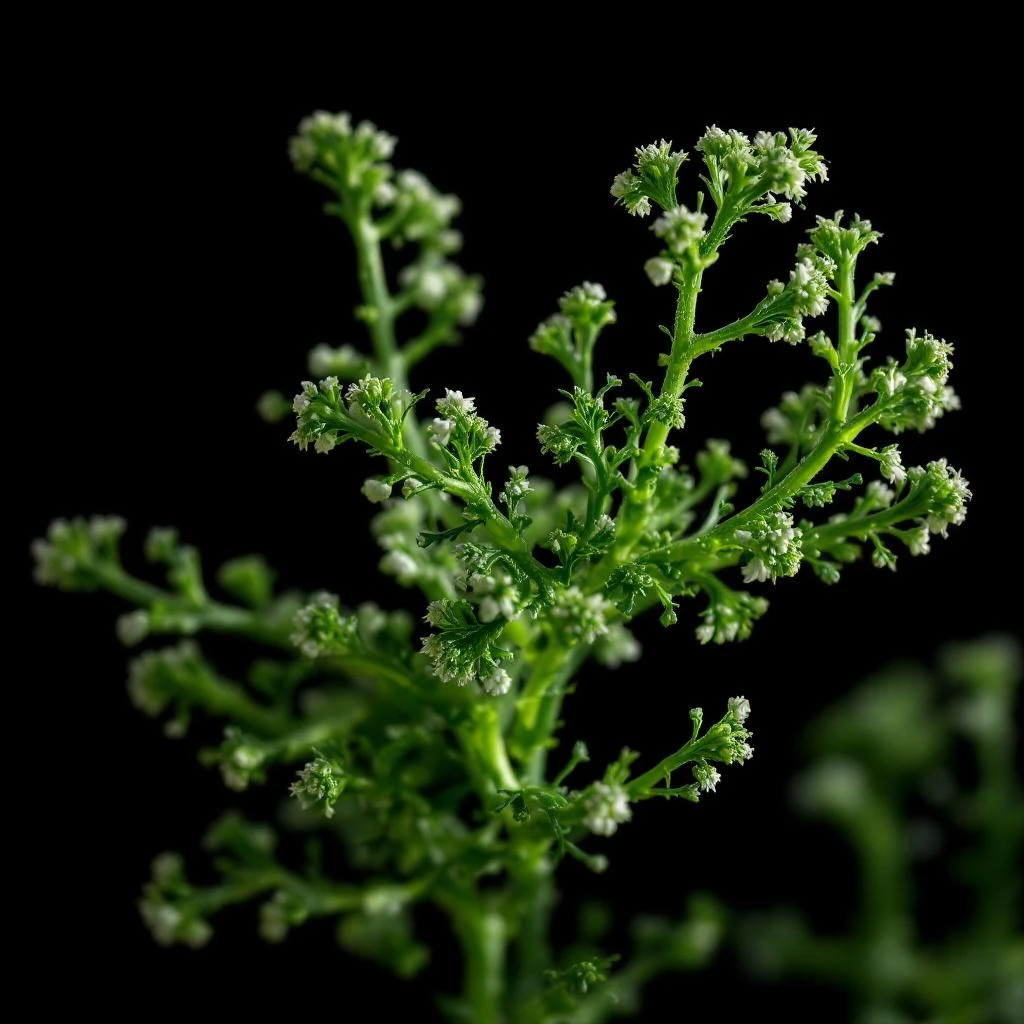
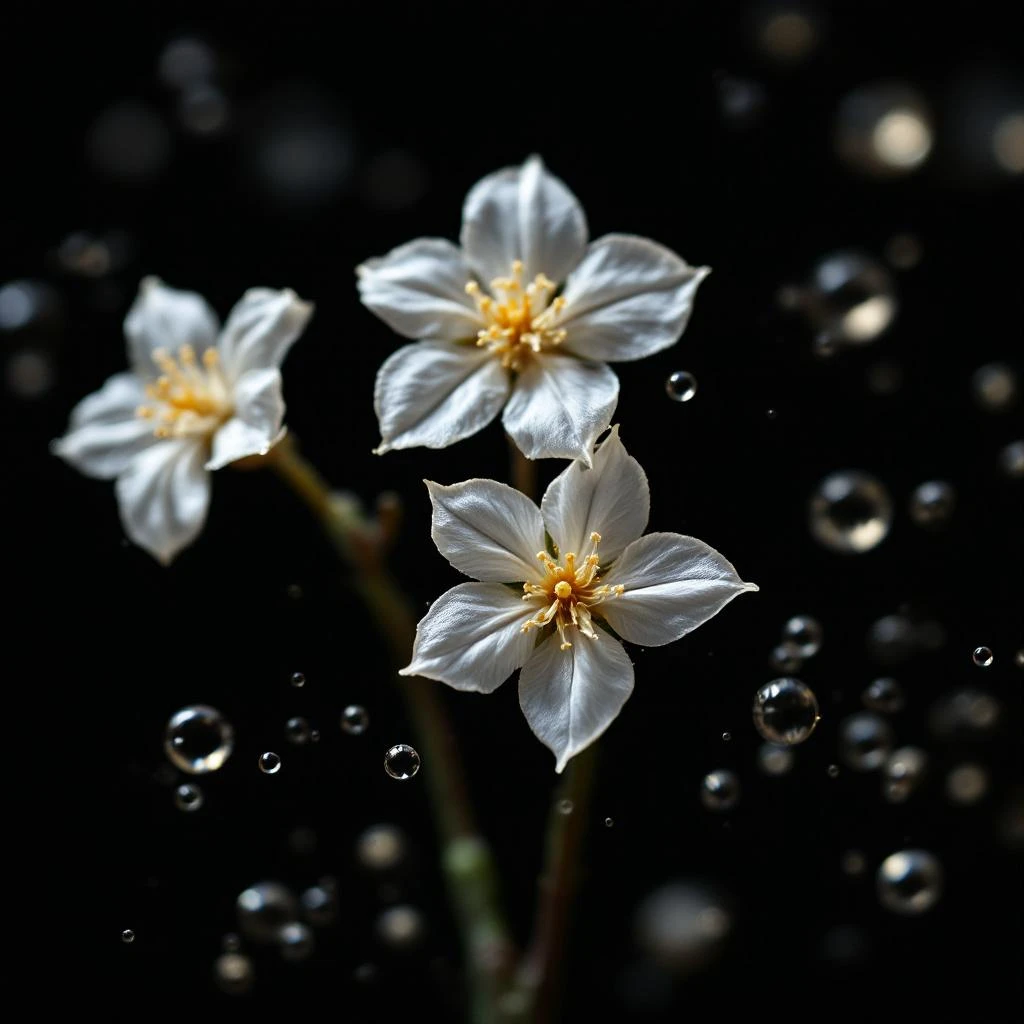
Elemi resin is a fragrant oleoresin harvested from the Canarium luzonicum tree native to the Philippines. In perfumery, it functions as a bridging agent, delivering bright citrus freshness, subtle pine warmth, and gentle incense-like depth that lifts and clarifies fragrance compositions from opening through development.

Character
How it smells
Philippine sunshine in resin form, bridging the fresh and the sacred.
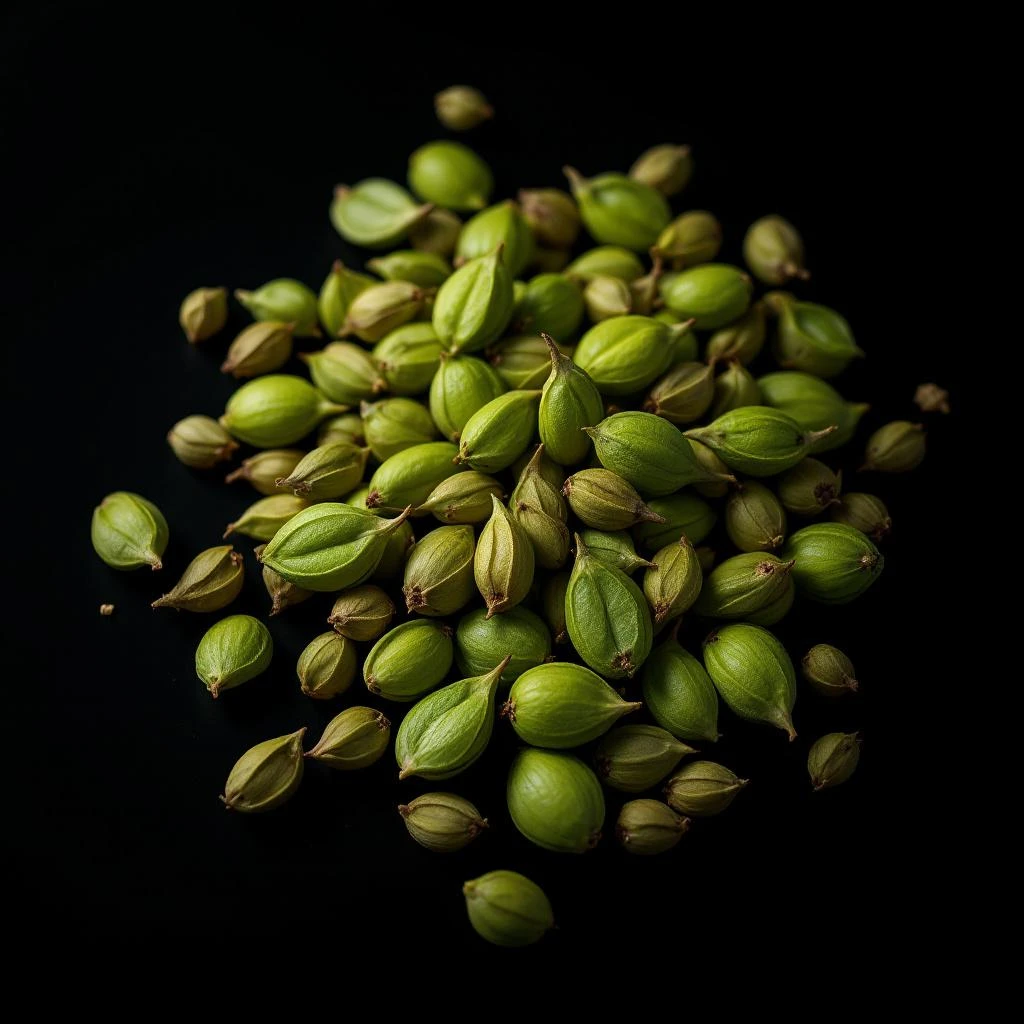
A single Canarium luzonicum tree yields up to 5 kilograms of gum resin annually through careful hand-tapping over one week each season.








Origin
Philippines
The name 'Elemi' traces back through centuries of linguistic exchange, derived from the Arabic phrase 'al-lami,' meaning 'above and below,' reflecting its historical use as a curative compound in ancient European medicine. The ingredient shares botanical kinship with frankincense and myrrh through the Burseraceae family, a connection evident in its resinous character. Ancient Egyptians employed elemi in embalming rituals and temple incense, placing it alongside frankincense and myrrh in sacred preparations.
During the Middle Ages, European apothecaries prized the resin for its antiseptic and wound-healing properties, incorporating it into healing balms. The Philippines emerged as the primary source during the colonial period, with Manila serving as the export hub—a relationship so significant that the ingredient became permanently known as Manila Elemi. By the 17th and 18th centuries, perfumers had begun capturing its fresh, aromatic qualities in luxury fragrances.
Today, elemi remains valued for its unique ability to inject clarity and brightness into fragrance compositions while maintaining warmth and depth.
Wears it best
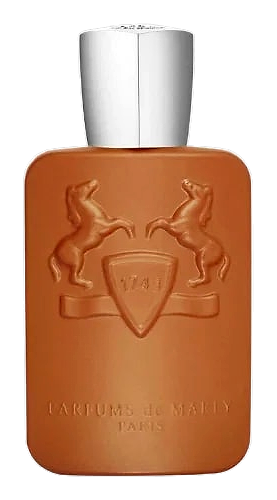
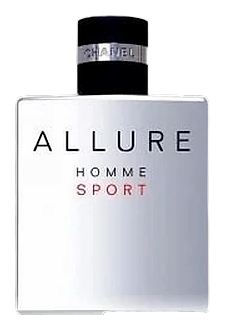
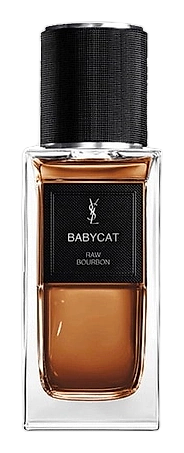
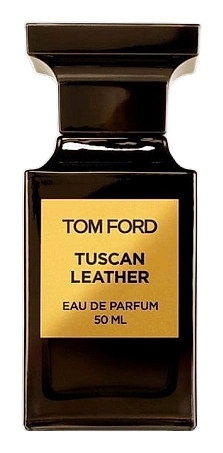
Fragrances featuring Elemi Resin





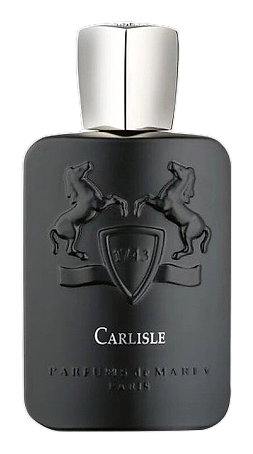
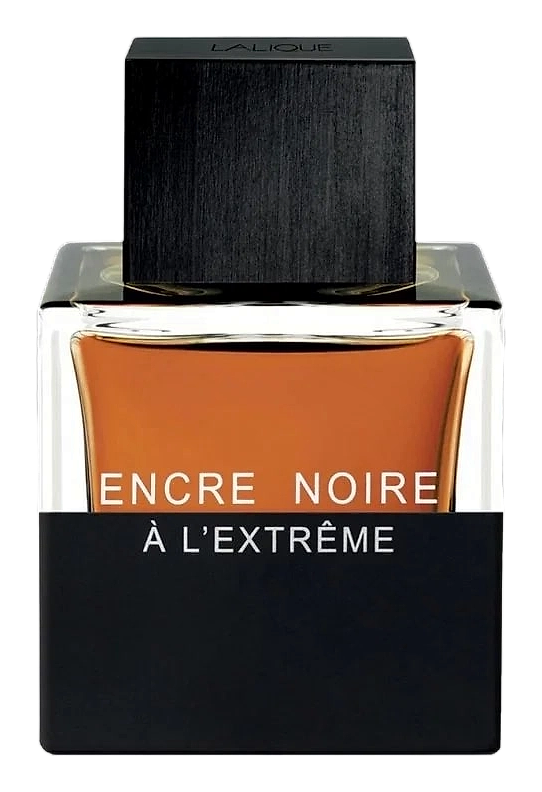
Brands
Brands known for Elemi Resin
Good to know
Questions, answered
The essentials on Elemi Resin in perfumery: how it smells, where it comes from, and how it behaves on skin.
What does Elemi resin smell like in perfume?
Elemi resin smells like fresh citrus with lemon and pine notes, balanced by soft incense warmth and subtle peppery undertones. Its aromatic profile sits between bright citrus and deeper resin, creating a clean yet grounding effect in fragrance compositions.
Why is Elemi resin used in perfumery?
Elemi resin is used for its versatility and bridging qualities. It adds brightness and clarity to fragrances while providing warm, resinous depth. Perfumers value it as a connector between top and heart notes, helping compositions transition smoothly from opening to development.
Is Elemi resin in perfume natural or synthetic?
Elemi resin is a natural ingredient sourced from Canarium luzonicum trees in the Philippines. Natural elemi essential oil is obtained through steam distillation of the harvested resin. Some fragrance formulations may use synthetic alternatives that replicate specific facets of its aroma profile.
What famous perfumes contain Elemi resin?
Elemi resin appears in numerous luxury fragrances including Acqua di Gioia by Armani, Noir Anthracite by Dior, and Tam Dao by Diptyque. It is particularly prevalent in aromatic, woody, and oriental fragrance families where its fresh-resinous character adds complexity.
Is Elemi resin a top note, heart note, or base note?
Elemi resin functions primarily as a heart note with lingering top-note qualities. Its initial impression is bright and citrusy, but the resinous depth develops within the first hour of wear, making it most prominent during the fragrance's middle stage. The aroma persists for several hours.
What notes pair well with Elemi resin in perfume?
Elemi resin pairs naturally with other resinous ingredients such as frankincense, myrrh, and benzoin. It harmonizes well with citrus oils like bergamot, woody materials including cedar and sandalwood, and spices like black pepper. These combinations enhance its fresh clarity while adding warmth.
How is Elemi resin extracted?
Elemi resin is extracted through a tapping process where harvesters make small daily incisions in the Canarium luzonicum bark during the January to June season. The exuded gum resin is collected by hand, cleaned, and sun-dried before steam distillation in European facilities to produce the essential oil used in perfumery.
Is Elemi resin used in men's or women's fragrances?
Elemi resin is used equally in men's and women's fragrances. In masculine scents, it typically energizes aromatic, fresh, and woody compositions. In feminine fragrances, it adds luminosity to floral and warm oriental structures. Its balanced citrus-resinous character makes it versatile across gender designations.