Resinous Notes
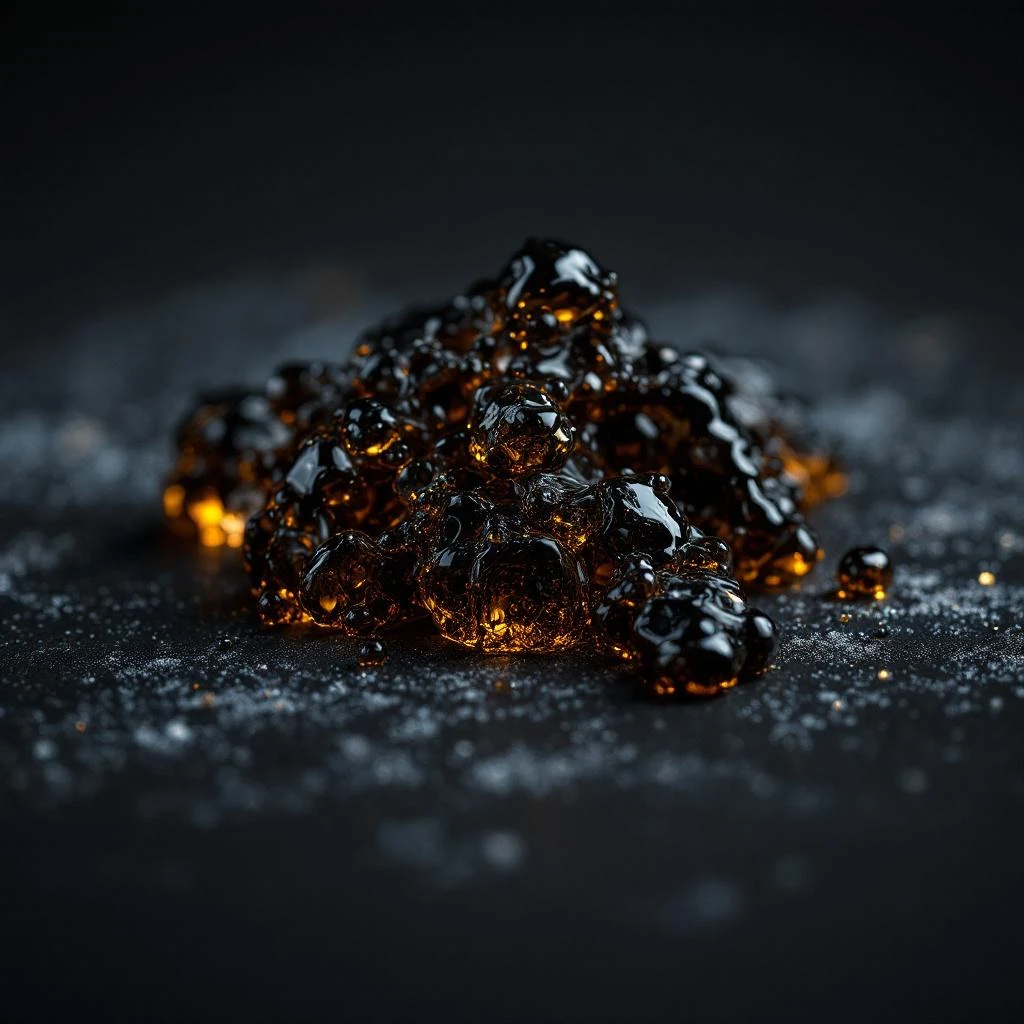
Rich, warm materials sourced from tree saps and gums. Frankincense, myrrh, and benzoin create depth, warmth, and ancient mystery in fragrance compositions.
Character
How it smells
Ancient warmth. Sacred depth. Timeless comfort.
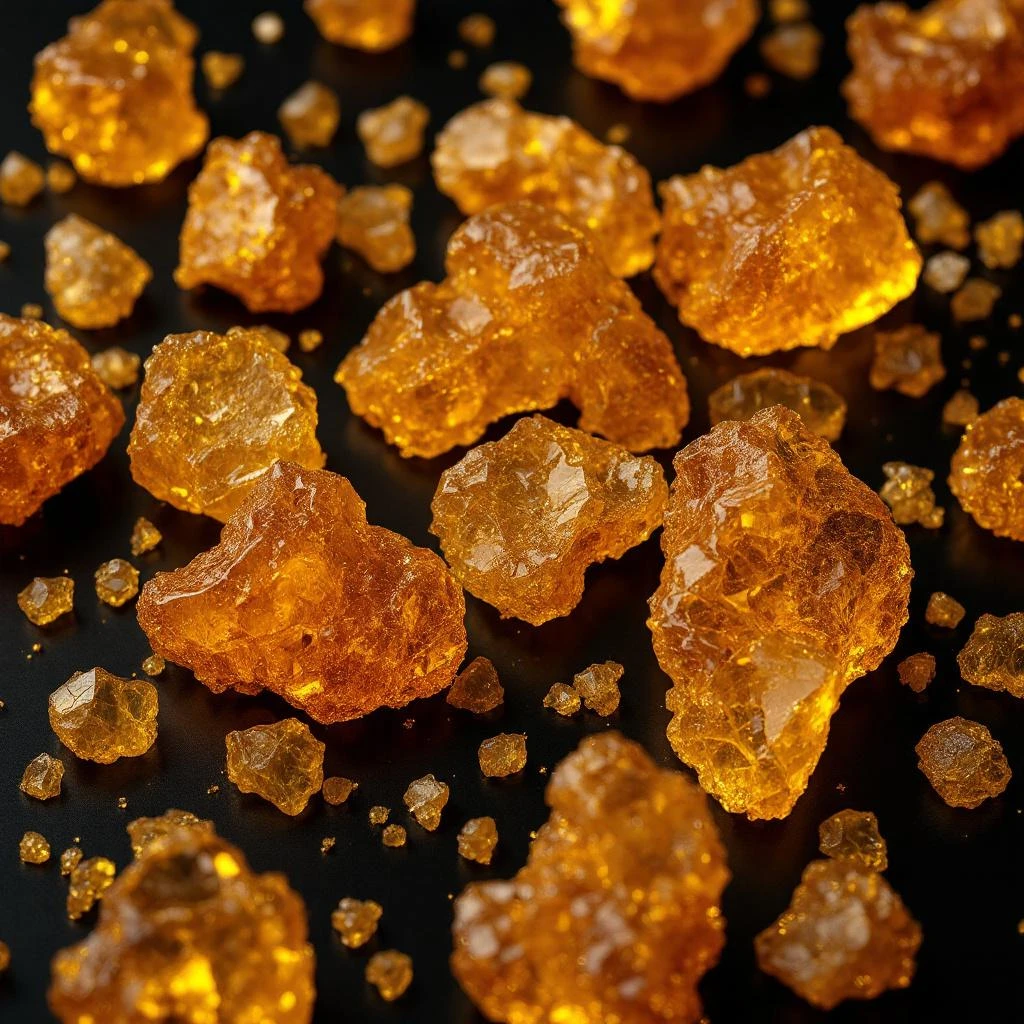
Frankincense resin commanded prices higher than gold for millennia, fueling the ancient Incense Route trade across Arabia for over 2,000 years.







Origin
Somalia
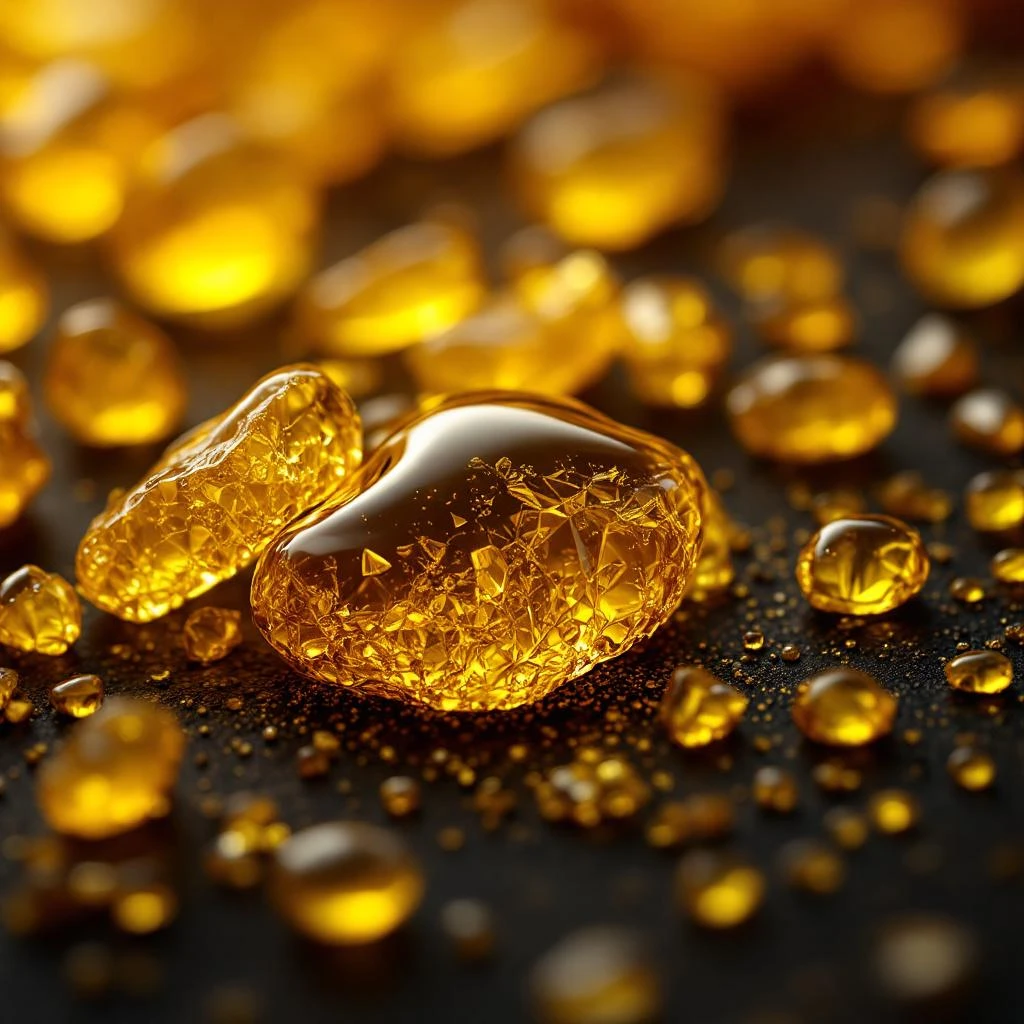
Resinous materials shaped human civilization through trade and ritual. The Incense Route connected Arabia, East Africa, and the Mediterranean world for over two millennia, with frankincense and myrrh as primary commodities. These trade networks funded kingdoms and built cities along their paths.
Ancient Egyptians used resinous materials extensively, incorporating them into mummification practices and temple rituals. The kyphi incense blend, containing sixteen ingredients including frankincense and myrrh, served religious and medicinal purposes. Greek physicians documented therapeutic applications of these materials, while Roman perfumers developed early extraction techniques to capture their aromatic properties.
Religious traditions across Judaism, Christianity, and Islam elevated these materials to sacred status. Biblical references to frankincense and myrrh as gifts for the infant Jesus reflect their value and spiritual significance. Today, perfumers continue using these materials to anchor oriental fragrances, chypres, and fougeres, adding warmth, depth, and an unmistakable sense of history.
Wears it best
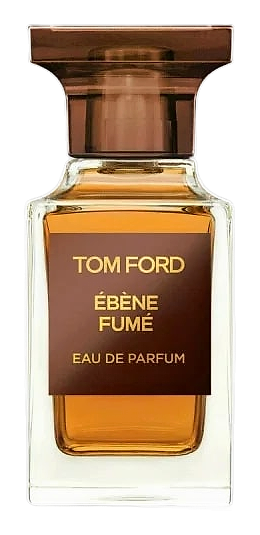
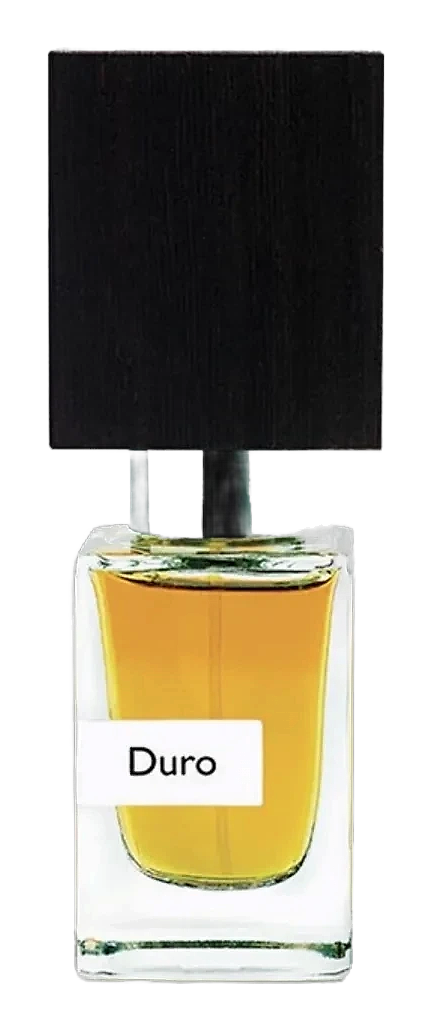
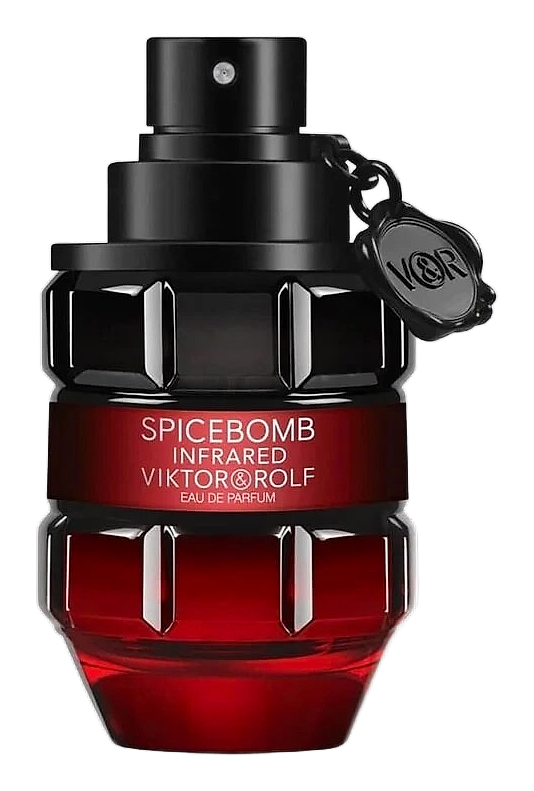
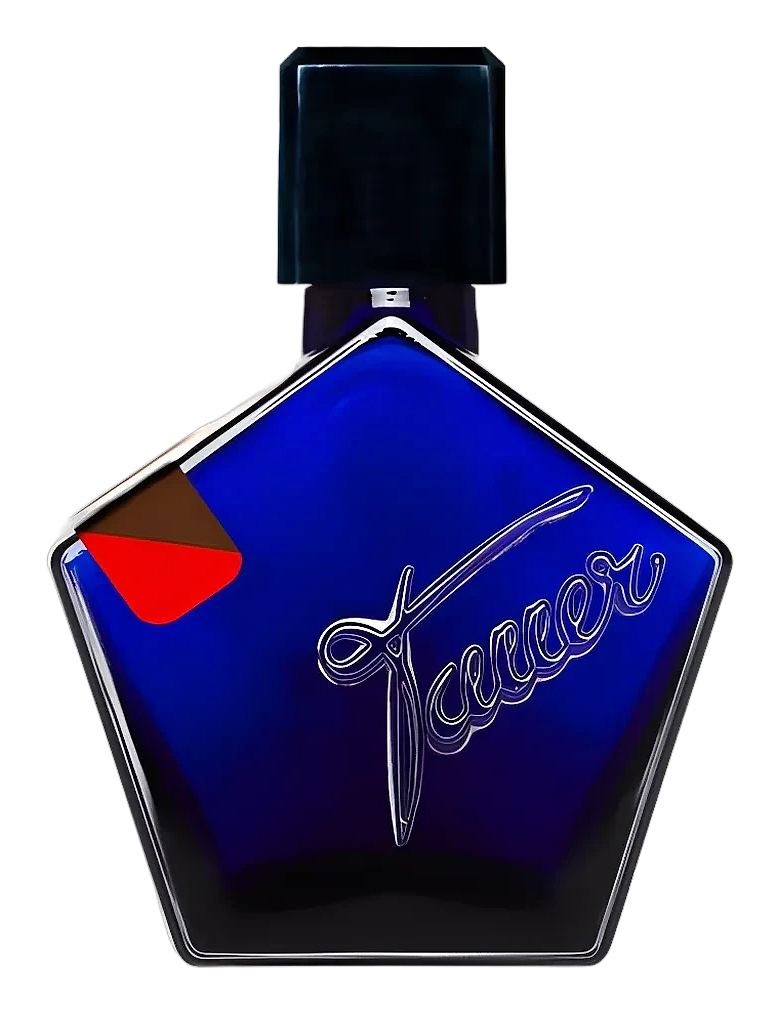
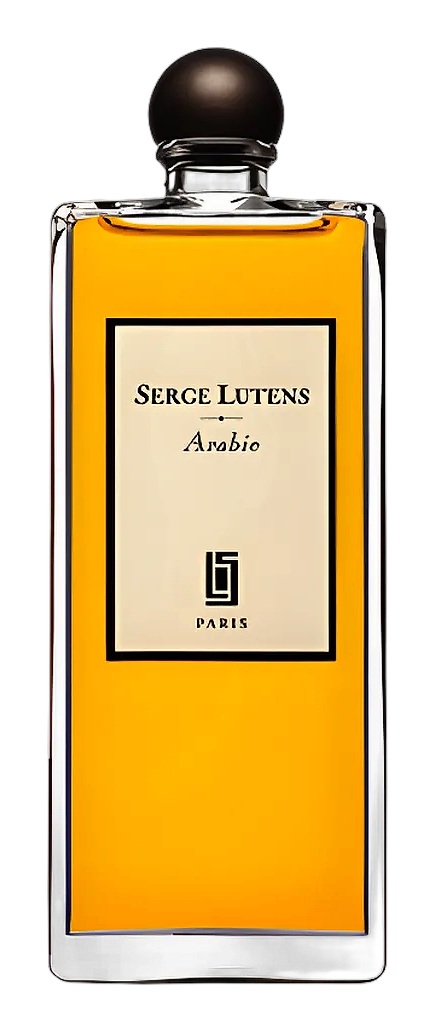
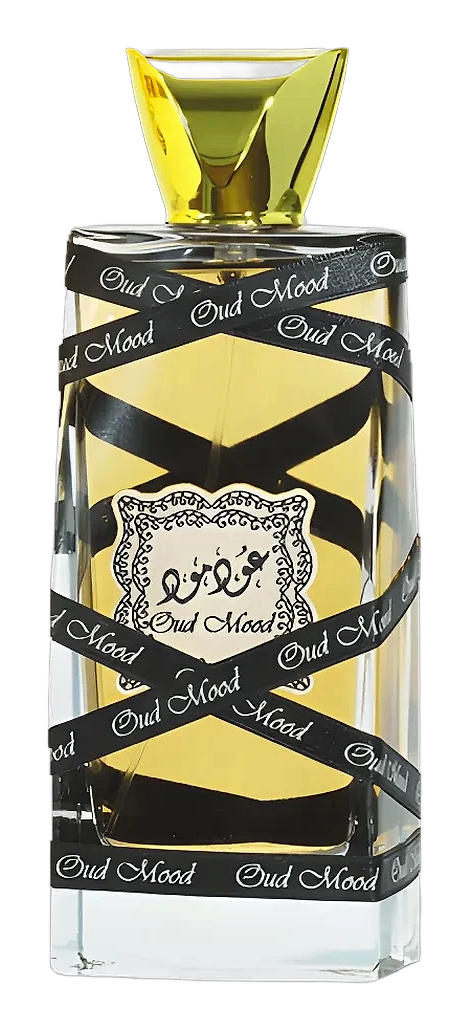
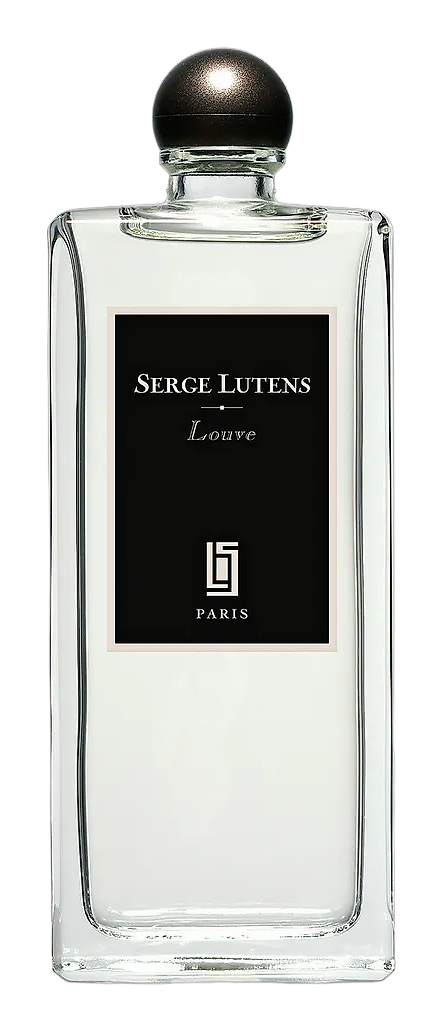
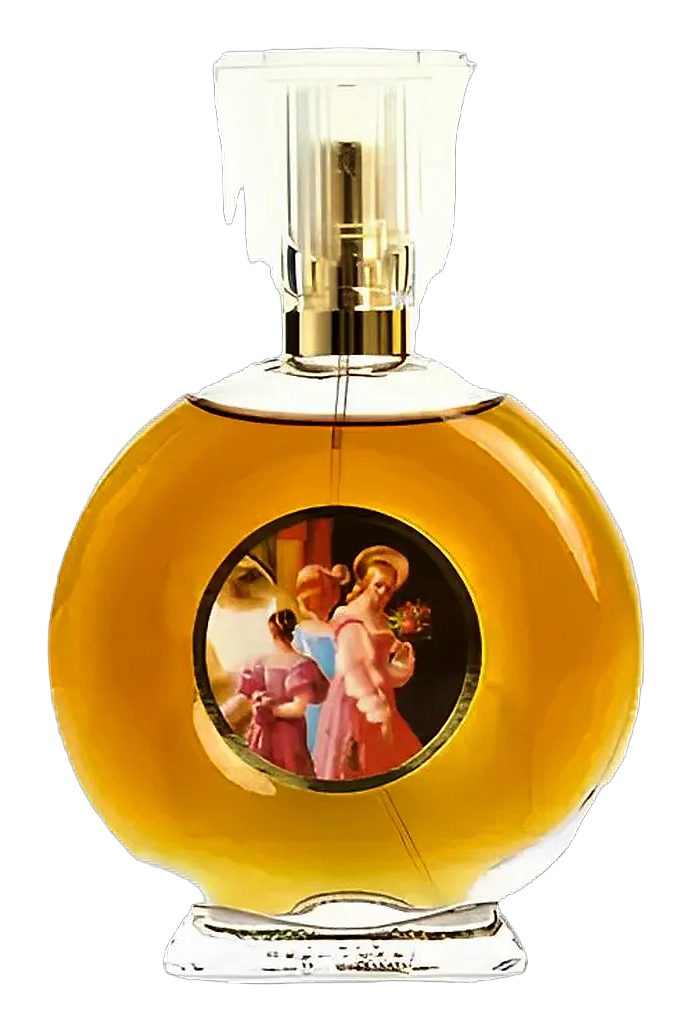
Fragrances featuring Resinous Notes




Brands
Brands known for Resinous Notes
Good to know
Questions, answered
The essentials on Resinous Notes in perfumery: how it smells, where it comes from, and how it behaves on skin.
What defines a resinous note in perfumery?
Resinous notes come from natural gum and sap exudates of trees, primarily from Boswellia, Commiphora, and Styrax species. These materials provide warm, balsamic, and fixative qualities that anchor fragrance compositions and extend longevity on skin.
Where does frankincense originate?
Frankincense comes from Boswellia trees growing across the Horn of Africa and Arabian Peninsula. Oman, Somalia, and Yemen produce the most prized varieties, with resin quality varying significantly by region and species.
Why is genuine resin oil expensive?
Authentic resin materials command premium prices because harvesters collect them by hand through careful tapping methods. Overharvesting threatens wild Boswellia populations, further limiting supply and driving prices upward.
What pairs well with frankincense in fragrance?
Frankincense blends naturally with citrus, woody, and spicy materials. Its versatility allows combination with florals for contrast or with other resins and ambers for deeper, more complex oriental compositions.
How much resin concentrate appears in typical fragrance formulas?
Resinous materials typically appear in base note concentrations ranging from 5 to 30 percent. Parfum concentrations use higher proportions, while lighter eau de colognes may include minimal amounts for depth.
Can you distinguish natural from synthetic resin notes?
Natural resin oils display complex, evolving aromatic profiles impossible to fully replicate synthetically. They carry subtle variations reflecting harvest conditions, processing methods, and seasonal factors that artificial alternatives cannot match.
How should resinous fragrance materials be stored?
Store resin oils in dark glass containers away from heat and direct sunlight. Exposure to oxygen and warmth degrades their aromatic compounds over time. Proper storage preserves their character for several years.
Are resin notes common in religious contexts?
Frankincense and myrrh hold sacred status across multiple religious traditions, including Christianity, Islam, and ancient Egyptian practices. Their use in modern perfumery draws on these historical associations without serving religious purposes.