The Story
Why it exists.
The beginning
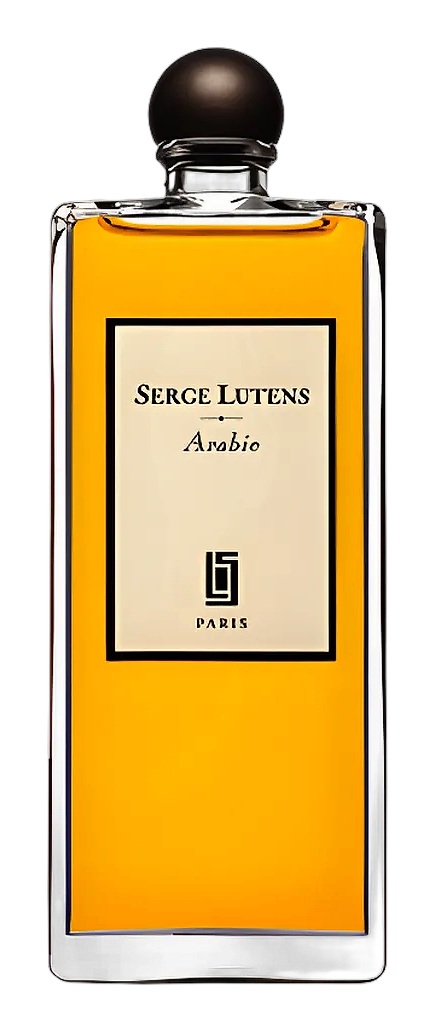
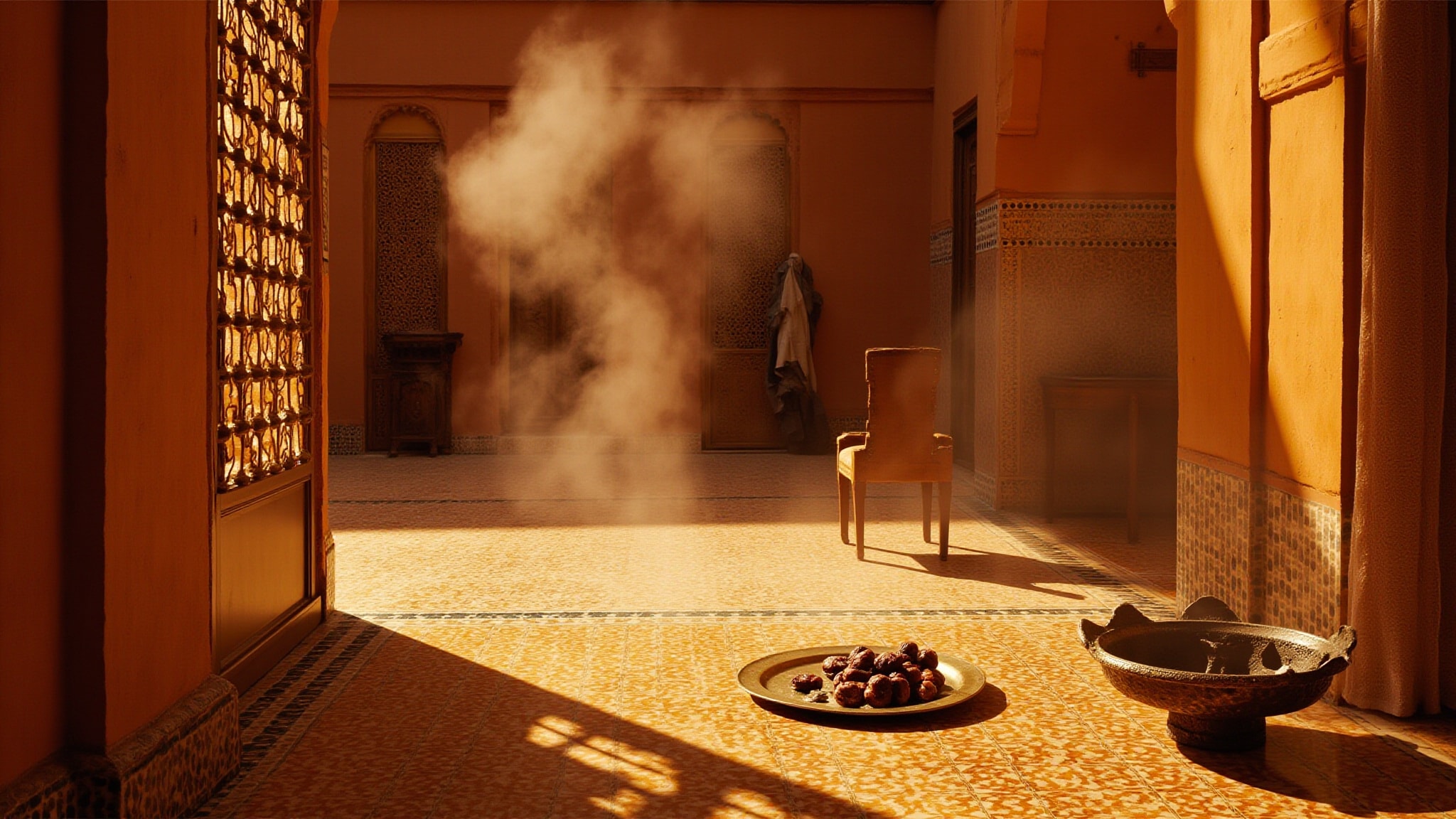
Arabie arrives from Serge Lutens in 2000, named for a name that carries weight, Arabia, land of stories, of trade routes and spice markets, of distance and heat. Lutens, the photographer turned perfumer who spent years in Morocco, had always been interested in places that resisted easy translation. Arabia as a concept, conjuring incense, overland caravans, warmth that builds, became the working material. Christopher Sheldrake, the house perfumer since 1992, translated that image into a fragrance that would not be mistaken for anywhere else. The brief was simple: bring it home.
The decision to anchor Arabie around resins, myrrh, benzoin, labdanum, rather than florals was deliberate. Resins hold. They project without screaming. Where most oriental fragrances reach for warmth through vanilla or amber, Arabie builds its foundation on gum resins that dry down slowly and stay close to skin for hours. The cumin, listed in the official copy as a key material, adds a savory edge that splits wearers. Some find it dirty. Others find it the reason they come back. That tension is where the fragrance lives, sweet enough to charm, dry enough to challenge.
The evolution
The opening arrives bright, candied mandarin peel and the green hint of bay leaf. For the first thirty minutes, there's a freshness that feels almost citrus forward, a surprise in a fragrance built on resins. Then the dried fruits announce themselves. Dates and figs, dark and jammy, as the citrus retreats. This is the phase that defines Arabie for most: warm, sweet, with cumin and clove asserting themselves at the edges. The cumin doesn't fade. It lingers alongside the dried fruits as the heart opens. After two hours, the Resins take full command. Myrrh and benzoin move forward, with labdanum adding a balsamic depth that anchors everything beneath it. Sandalwood and cedar arrive last, quiet but persistent. The drydown on Arabie runs long, not just in projection but in character. The next morning, on unwashed skin, there's still something there. Warm. Resinous. A faint sweetness under dry wood.
Cultural impact
Arabie sits in a category of its own, dense and resinous, warm but assertive, with enough cumin to split a room. Wearers describe it as the scent of someone who means what they say. It challenged assumptions about what oriental fragrances could be when it launched, earning a following among those who wanted complexity over comfort. Now it ranks among the defining niche orientals, not because it compromises, but because it refuses to.