Bay Leaf
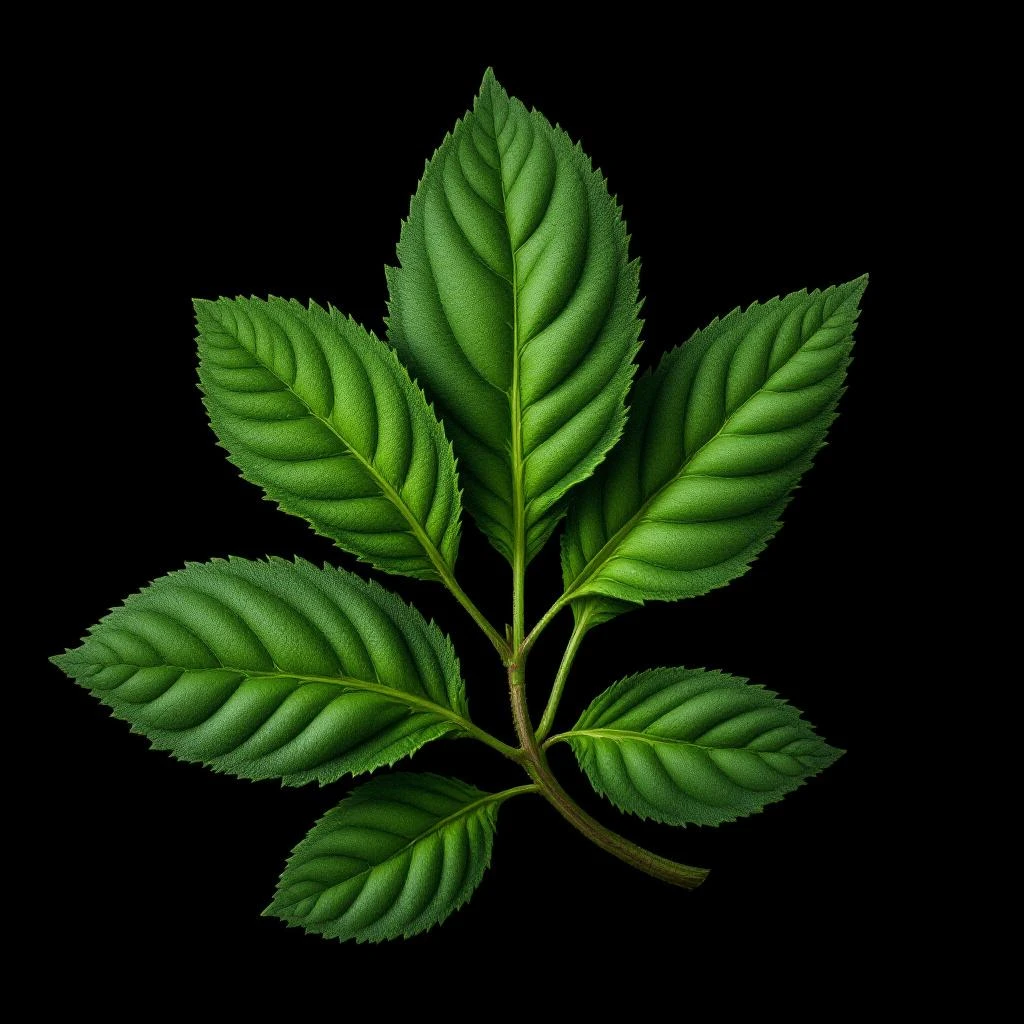
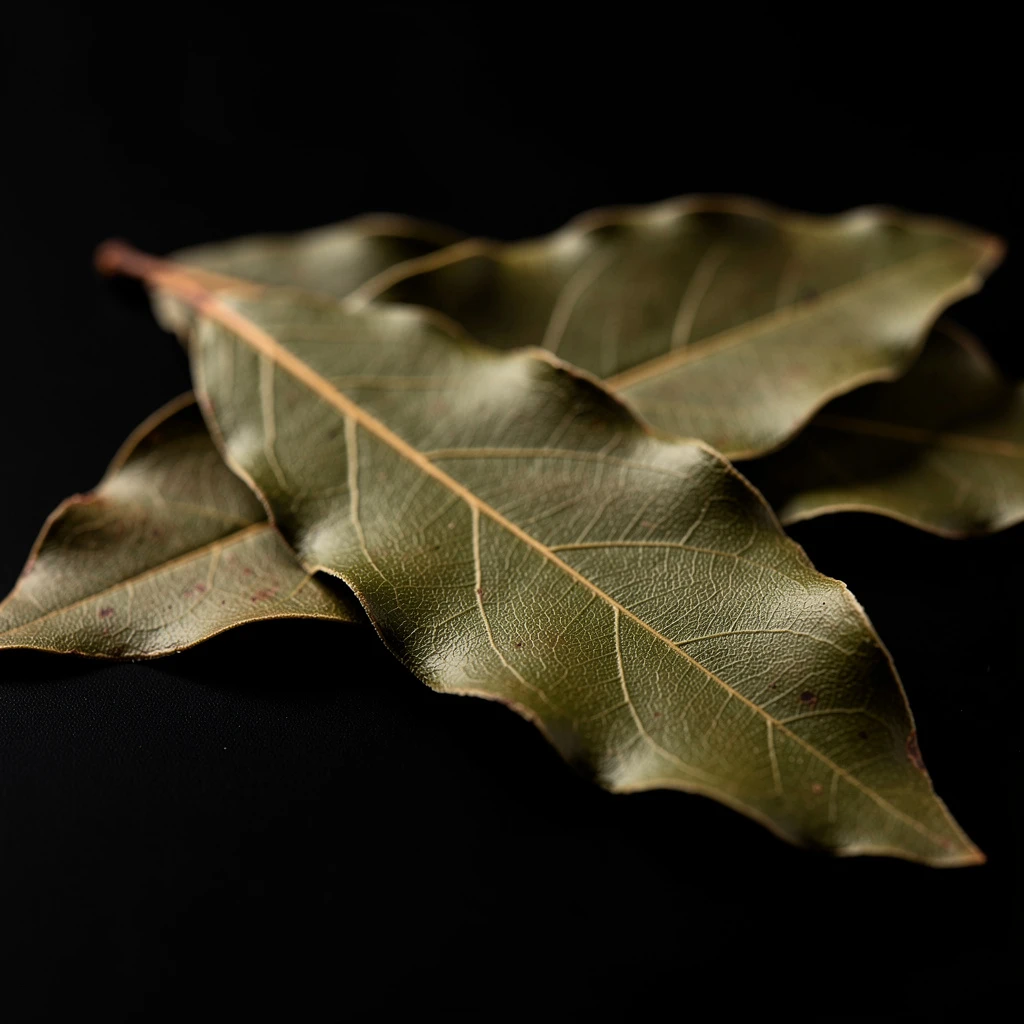
Bay leaf lends perfumery a sharp, camphoraceous edge with herbal warmth beneath. Steam-distilled from Laurus nobilis, this Mediterranean evergreen shapes aromatic compositions from colognes to orientals with its distinctive spicy-cool signature.
Character
How it smells
Spicy, camphoraceous, unmistakably herbal.
Bay laurel oil yields between 0.8 and 3.9 percent from fresh leaves, with cineole content peaking in winter months.








Origin
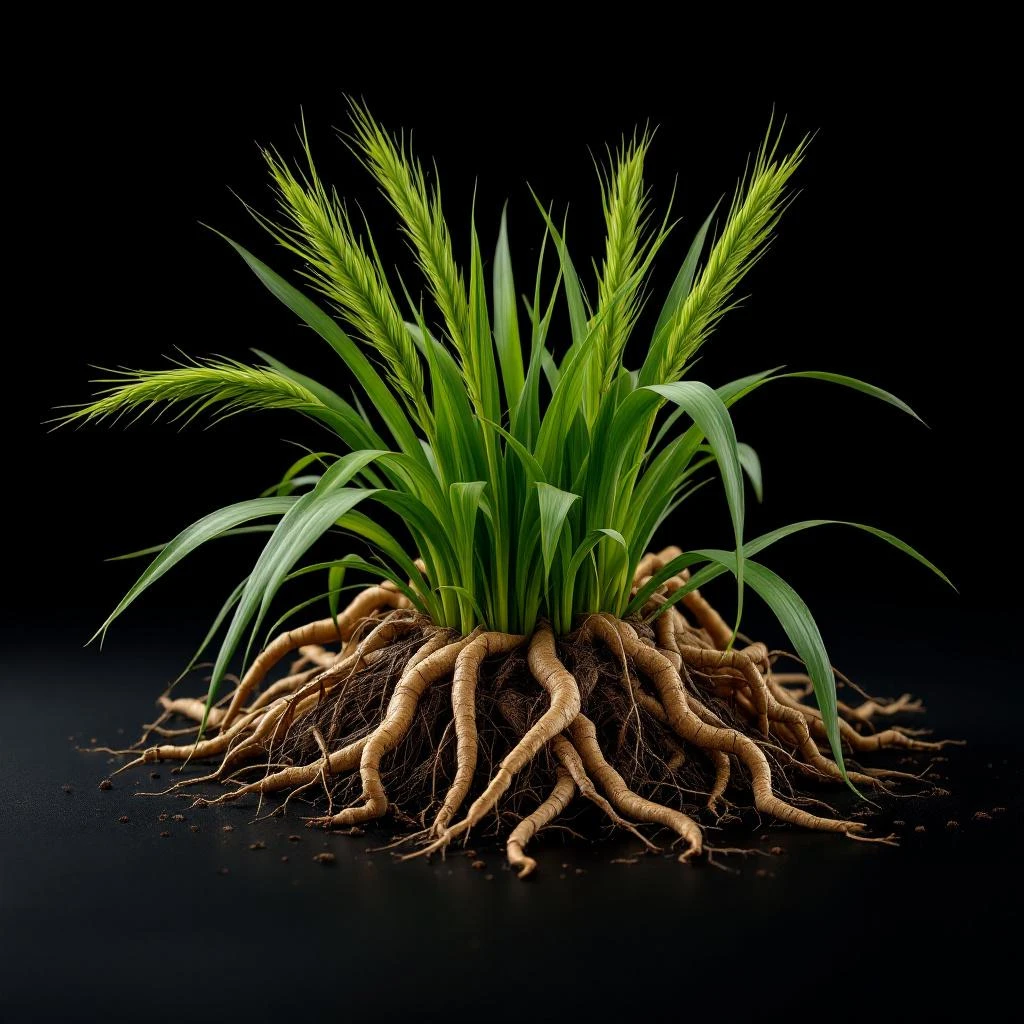
Turkey
Bay laurel traces its most likely origin to South Asia before spreading westward through Asia Minor and into the Mediterranean, where Laurus nobilis became intertwined with classical culture. The ancient Greeks crowned poets, victors, and emperors with wreaths of its leaves, and the myth of Daphne's transformation into a laurel tree to escape Apollo cemented the plant's symbolic weight.
Romans carried the tradition forward, using bay in cooking, medicine, and ritual. In ancient Egypt, the leaves were prized for their aromatic properties and incorporated into perfumes and ceremonial preparations.
The spice traveled established trade routes east and west, reaching kitchens and apothecaries across the known world. By the modern era, its essential oil found a permanent place in soap, dental products, and fragrance compositions, carrying a botanical legacy older than most perfume traditions still practiced today.
Wears it best
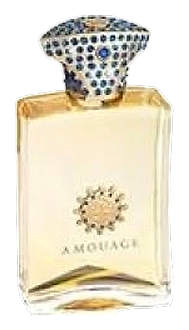
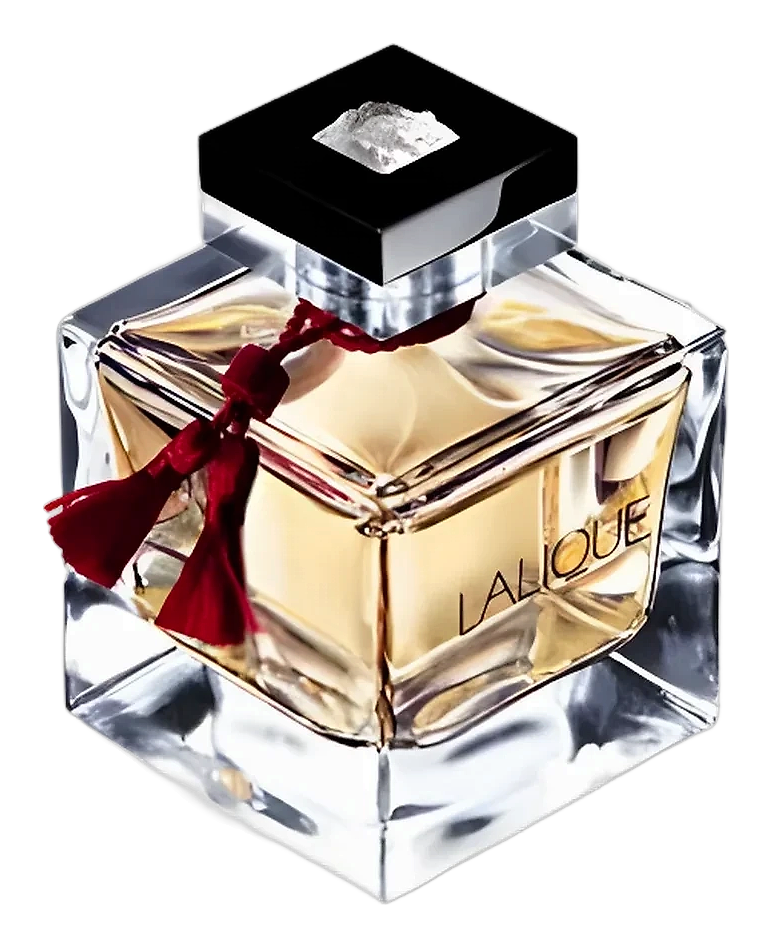
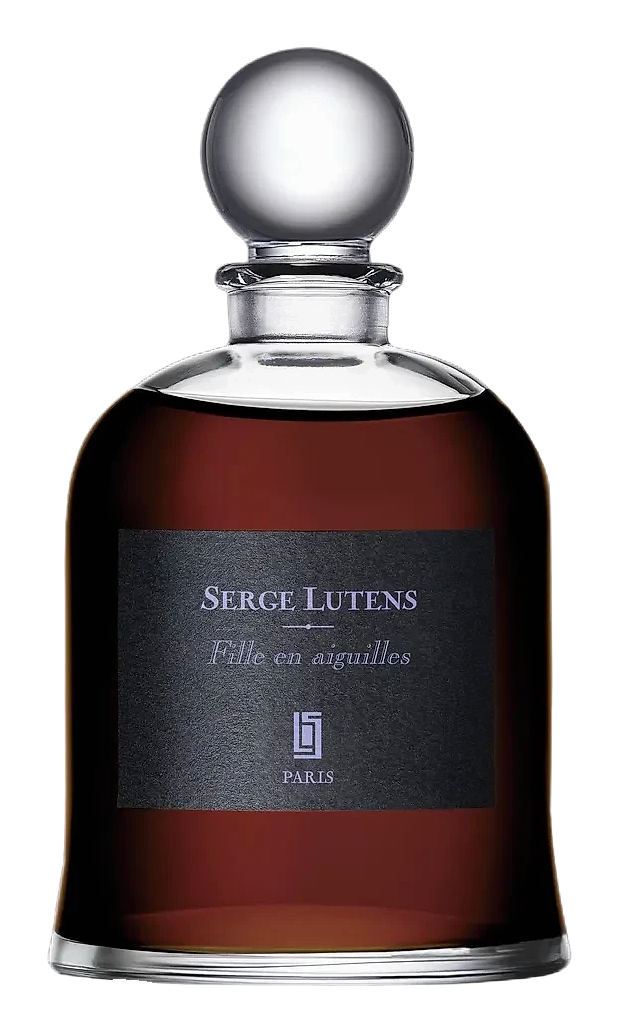
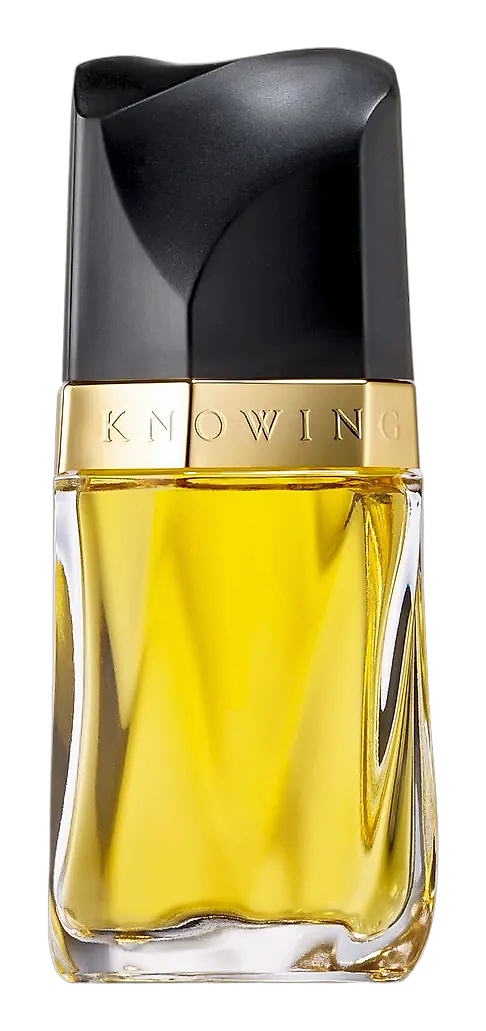
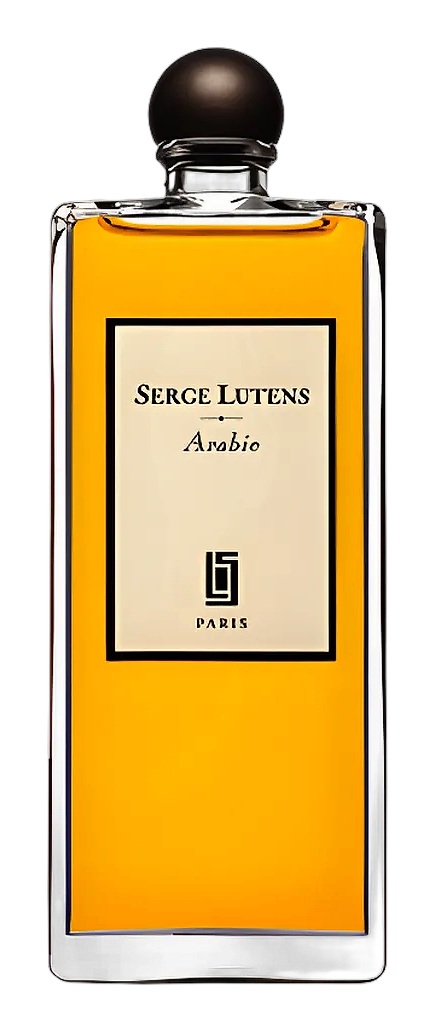
Fragrances featuring Bay Leaf
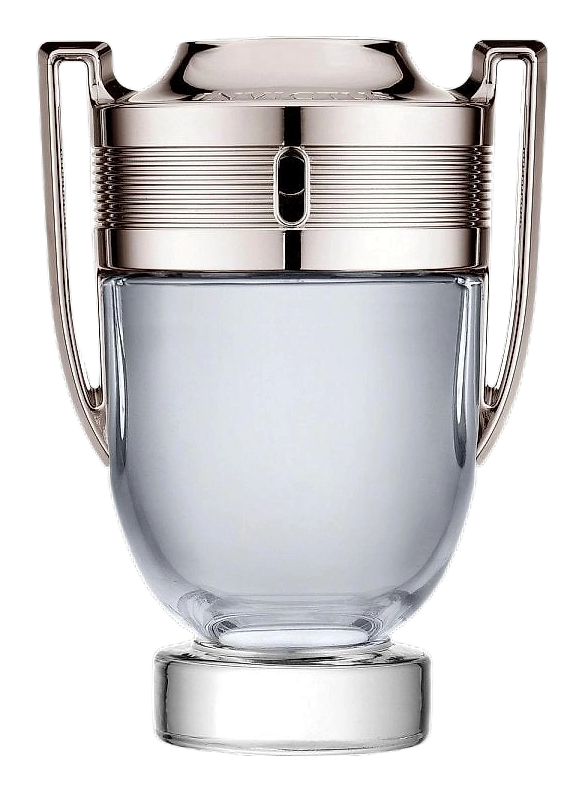
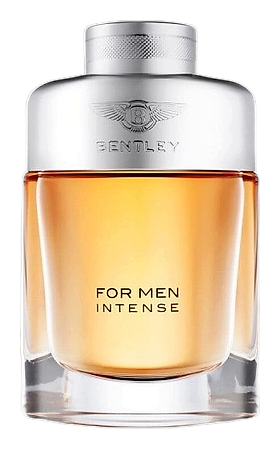


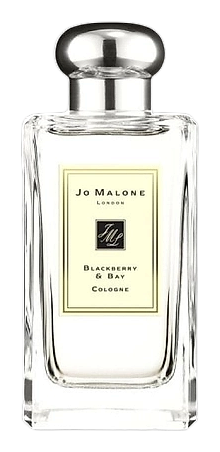
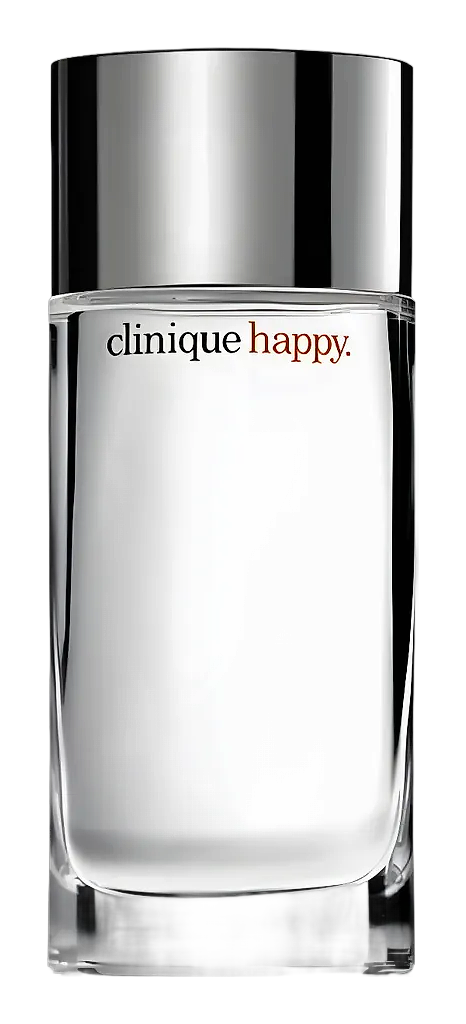

Brands
Brands known for Bay Leaf
Good to know
Questions, answered
The essentials on Bay Leaf in perfumery: how it smells, where it comes from, and how it behaves on skin.
What does bay leaf smell like in perfumery?
Bay leaf contributes an aromatic, spicy, and camphoraceous scent to fragrances. The oil carries sharp cineole-dominant top notes supported by warmer herbal undertones, making it a common accent in fougère and aromatic cologne structures.
How is bay leaf oil extracted?
Steam distillation of fresh or partially dried Laurus nobilis leaves produces bay leaf essential oil. Yields range from 0.8 to 3.9 percent depending on harvest season and leaf condition, with cineole content peaking in winter.
Where does bay laurel originate?
Bay laurel most likely originated in South Asia before spreading through Asia Minor to the Mediterranean. Turkey, Albania, and Portugal remain leading producers of the essential oil used in perfumery today.
Is bay leaf safe in fragrance?
Bay leaf oil is generally recognized as safe for use in cosmetic and fragrance formulations at appropriate dilutions. Its eugenol content requires consideration for sensitized skin, a standard factor in perfumery IFRA compliance.
What chemical compounds define bay leaf oil?
Cineole (eucalyptol) dominates the aromatic profile at 30 to 50 percent. Supporting compounds include myrcene, eugenol, and pinene, which together produce the sharp, spicy, slightly sweet character perfumers rely on.
What's the difference between bay leaf and bay rum?
Bay leaf in perfumery comes from Laurus nobilis, the Mediterranean laurel. Bay rum derives from Pimenta racemosa, a West Indian tree also called bay. The two produce distinctly different aromatic profiles despite the shared name.
Why is bay laurel historically significant?
Ancient Greeks crowned victors and poets with laurel wreaths, and the myth of Daphne's transformation into the tree gave the plant enduring symbolic meaning. Romans later spread bay laurel across their empire for culinary, medicinal, and ceremonial use.
Which fragrance types commonly use bay leaf?
Bay leaf appears most frequently in aromatic fougères, herbal colognes, and spicy-oriental compositions. Its camphoraceous freshness lifts heavier bases while adding a herbal warmth that bridges citrus top notes and resinous drydowns.