The Story
Why it exists.
The beginning
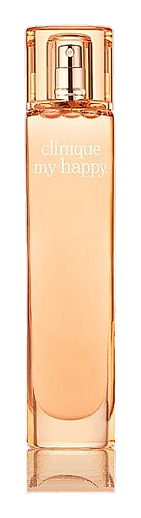
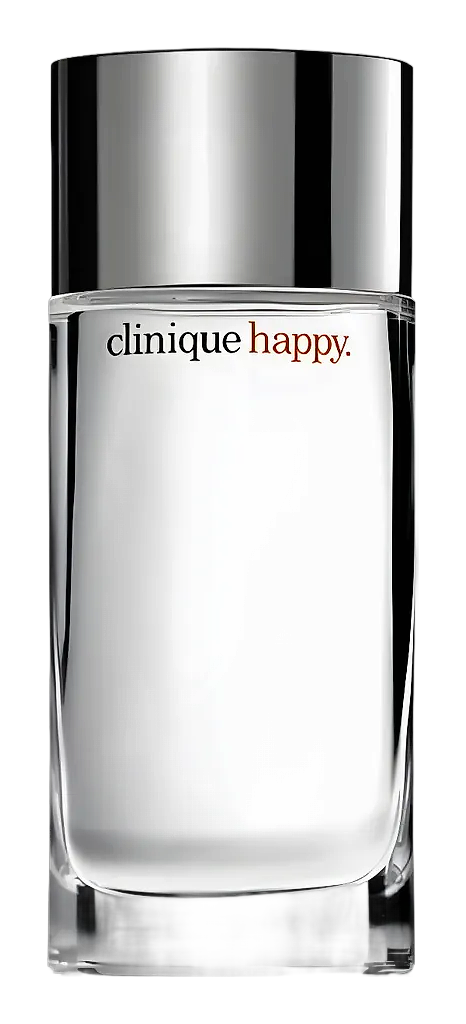
Clinique tasked Jean-Claude Delville with something deceptively simple: bottle the exact moment a day starts to go right. No mystery, no drama. Just the burst of energy that comes from somewhere unexpected. Delville worked with Rodrigo Flores-Roux to build a fragrance that opened like an alarm clock set to your favorite song, citrus first, unapologetic, then softened by florals that felt inevitable rather than added. The goal wasn't complexity. It was mood.
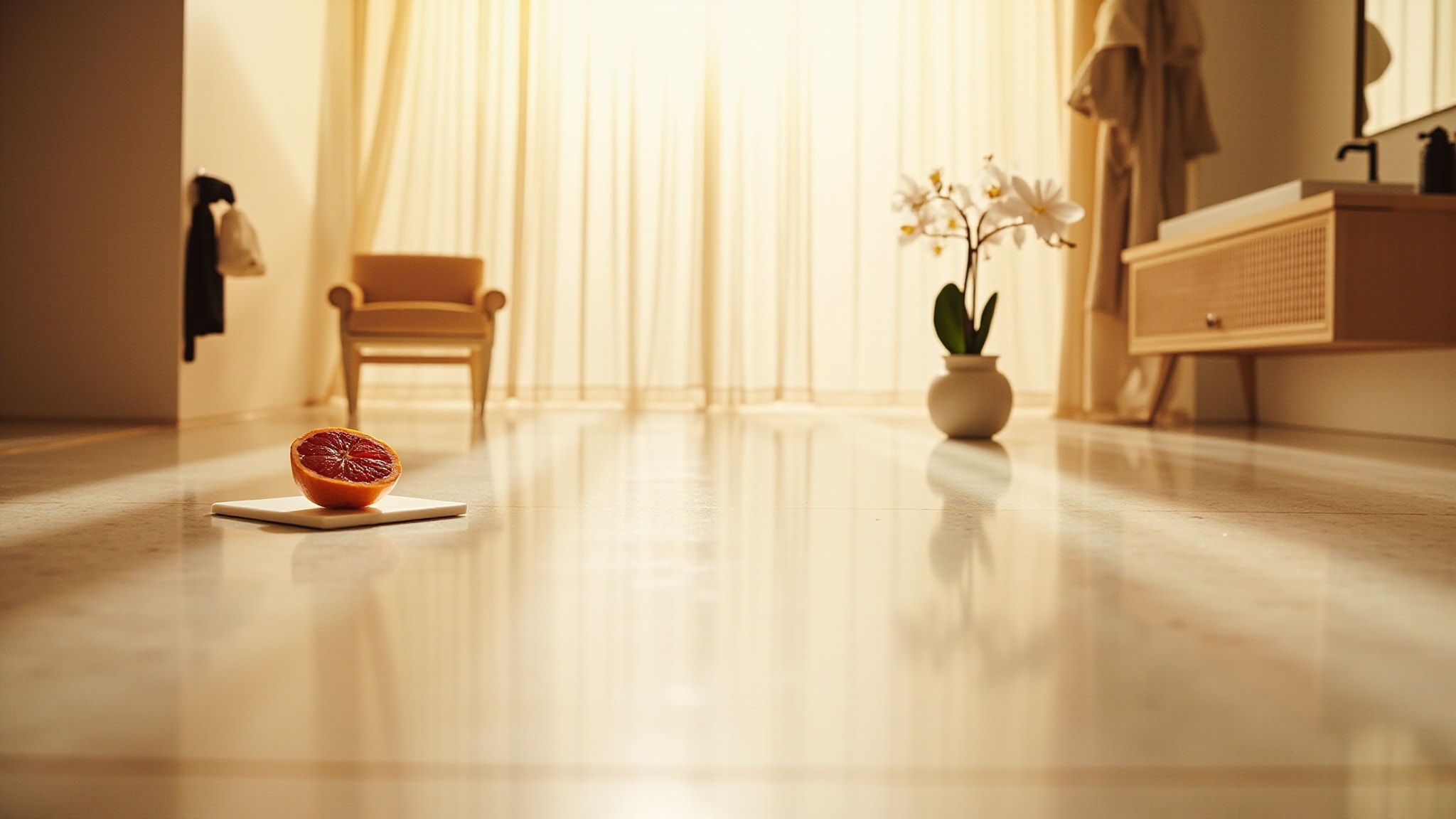
The structure pulls off something unusual: four citrus notes that could overwhelm each other instead create a single unified brightness. Grapefruit brings the bite, mandarin the sweetness, bergamot the polish. Where most fragrances use citrus as an appetizer that clears before the main course, Happy lets it run alongside the florals all day. The boysenberry blossom in the heart is the unexpected choice, a fruit note that reads as color rather than sweetness, giving the white florals something to glow against.
The evolution
The first five minutes are pure grapefruit, sharp, awake, almost astringent. Bergamot and mandarin slide underneath almost immediately, softening what could have been too tart. Around the fifteen-minute mark, the boysenberry and orchid emerge. The florals don't replace the citrus. They harmonize with it, a rare move that keeps the fragrance feeling coherent from spray to drydown. By hour two, the jasmine and magnolia take over, warm and skin-close. The drydown isn't dramatic, it's the soft hum of mimosa and musk that stays intimate for another three or four hours. On fabric, it hangs around until the next wash.
Cultural impact
Happy won the Fragrance Foundation's Fragrance of the Year award in 1998 and was inducted into their Hall of Fame in 2014, one of the rare fragrances that stops being a trend and becomes a reference point. It's the scent people mention when they say they don't usually like perfume but make an exception.