Boysenberry Blossom
Boysenberry Blossom captures the tart-sweet duality of a legendary California berry hybrid, translating its sun-drenched fruit character into an airy floral abstraction for modern perfumery.
Character
How it smells
Where tart berry meets sun-kissed bloom.
The original boysenberry plant was thought lost for nearly two decades before a single surviving vine was rediscovered on a California farm in 1932.


Origin
United States
The boysenberry owes its existence to one man's ambitious grafting experiments in 1920s California. Rudolph Boysen, a Los Angeles-area horticulturist, pollinated common blackberry pollen onto European raspberry stigmas, then crossed the resulting hybrid with loganberry. The experiment yielded a plump, maroon berry with an exceptionally complex flavor profile—tart, sweet, and richly aromatic.
Boysen patented the variety in 1923 but lacked the resources to commercialize it, and by 1925 the original plants had faded from cultivation. The variety might have vanished entirely had berry farmer George F. Heard discovered Boysen's notes and tracked down surviving vines on a northern California ranch in 1932.
The rescued plants eventually reached nurseries, and by the 1950s boysenberries starred in preserves and pies across America. Perfumery adopted the boysenberry's scent profile decades later, creating Boysenberry Blossom as a bridge between the fruit's rich history and contemporary fragrance design.
Wears it best
Fragrances featuring Boysenberry Blossom





Brands
Brands known for Boysenberry Blossom
Good to know
Questions, answered
The essentials on Boysenberry Blossom in perfumery: how it smells, where it comes from, and how it behaves on skin.
What is Boysenberry Blossom in perfumery?
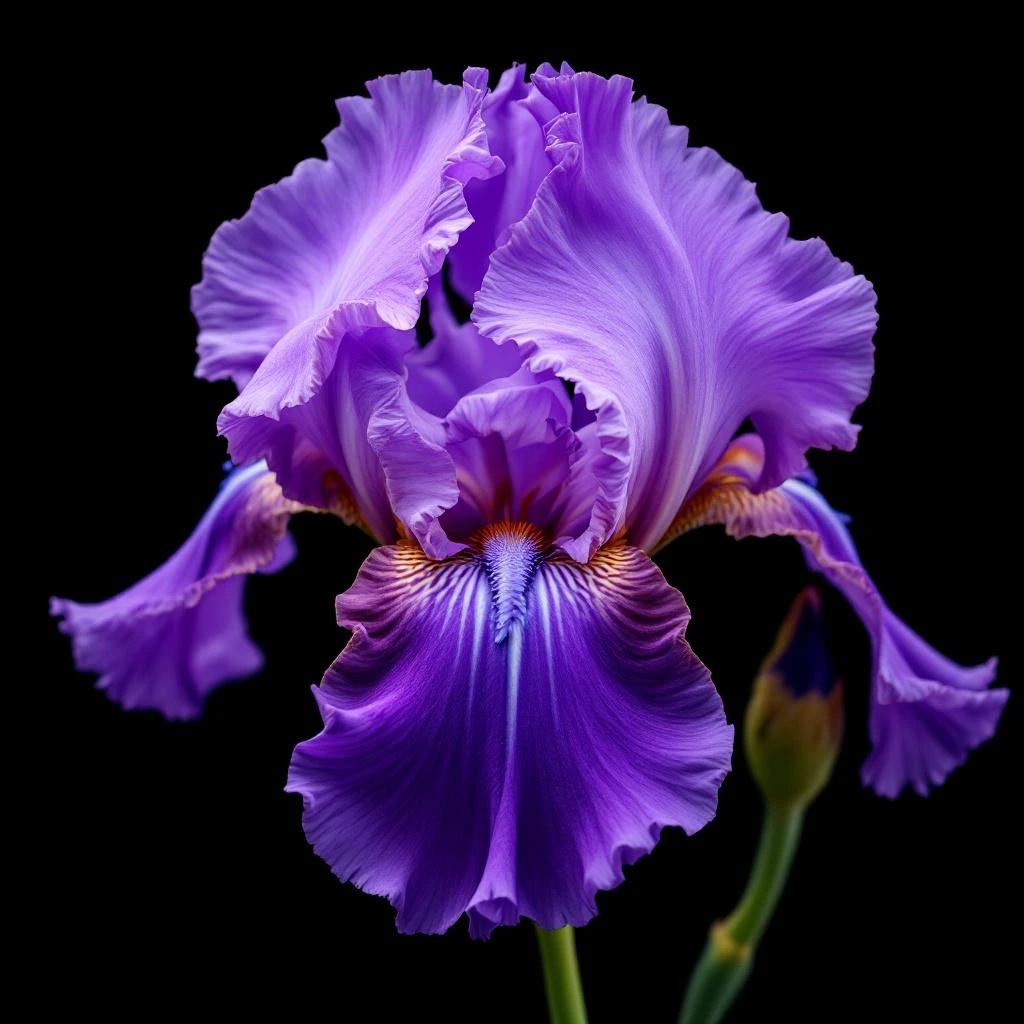
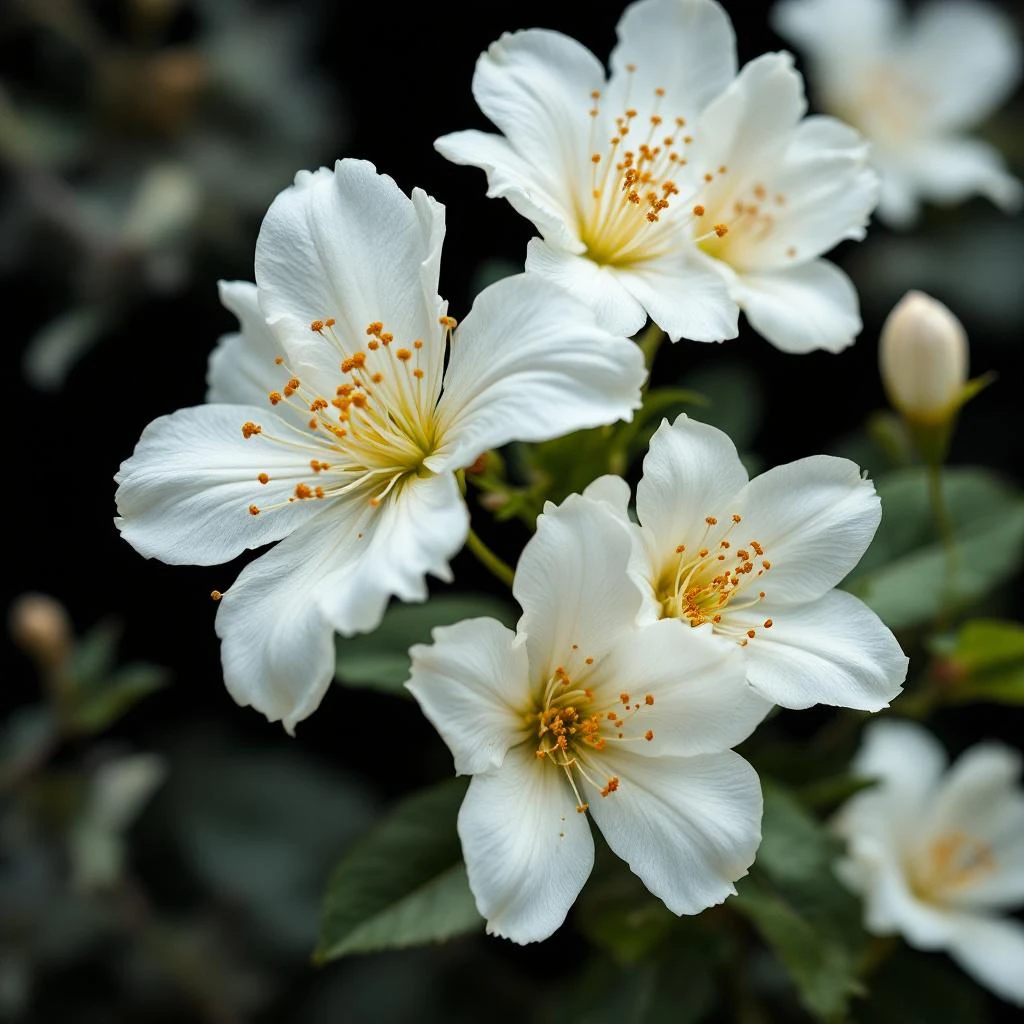
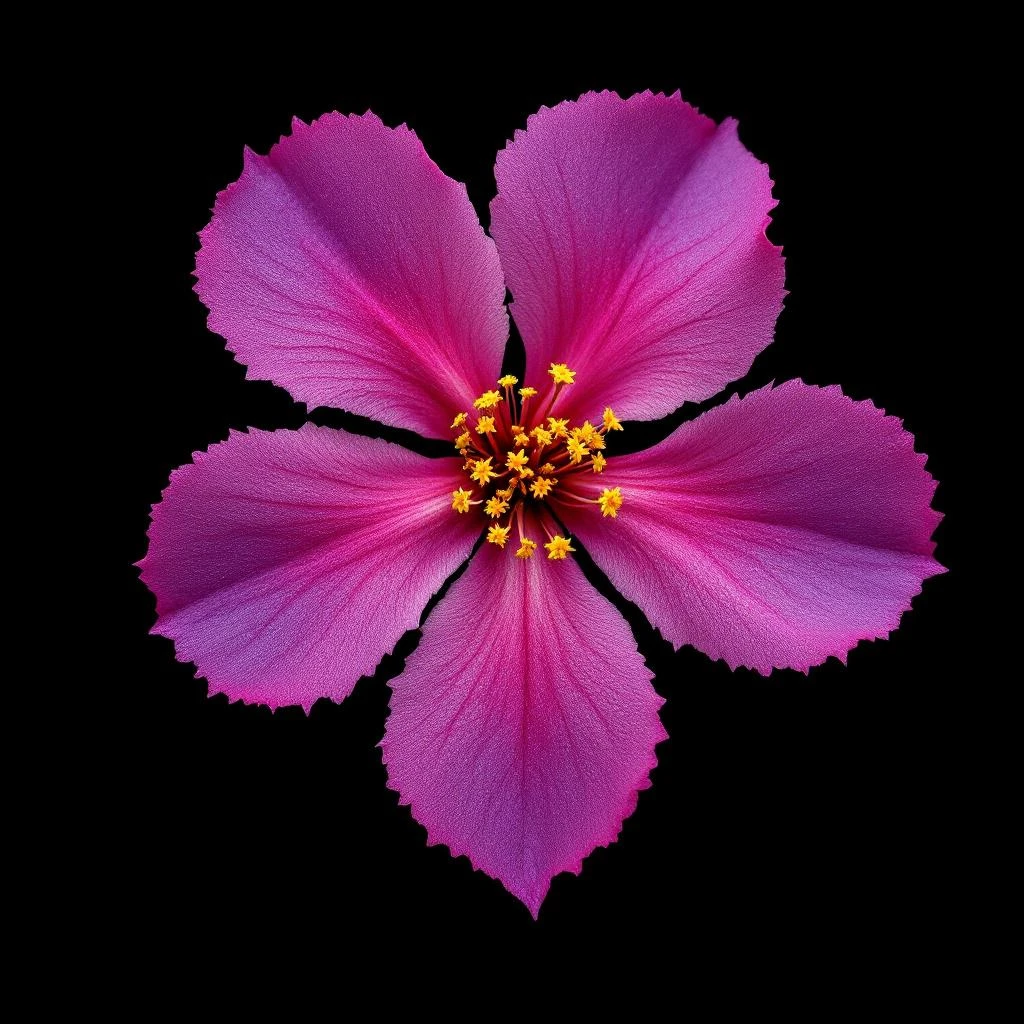
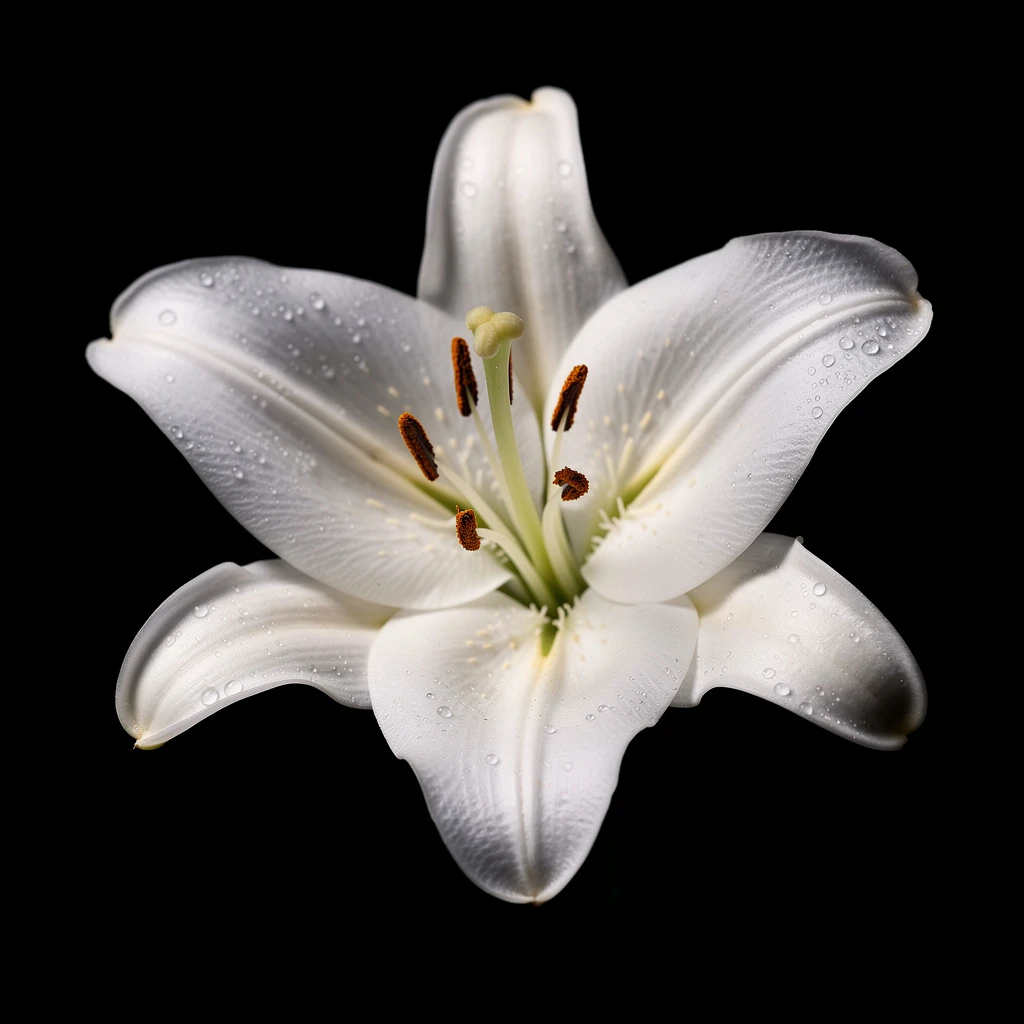
Boysenberry Blossom is a fragrance material that recreates the scent of boysenberry fruit and its delicate white-pink flowers. It combines fruity aromachemicals with floral accords to capture the berry's signature sweet-tart character.
Is Boysenberry Blossom a natural or synthetic ingredient?
Most Boysenberry Blossom materials are synthetically reconstructed using food-grade aromachemicals. This approach ensures consistent quality and avoids the instability that would come from trying to extract scent from actual boysenberry blossoms.
What does Boysenberry Blossom smell like?
It opens with bright, jammy berry notes—reminiscent of ripe raspberries and blackberries—settling into a softer floral heart with hints of rose and green undertones. The overall effect is warm, fruity, and inviting.
Who created the original boysenberry?
Horticulturist Rudolph Boysen developed the berry hybrid in the early 1920s near Los Angeles. He crossed blackberry, raspberry, and loganberry parents, creating a fruit prized for its complex flavor and large size.
When did the boysenberry nearly go extinct?
The boysenberry was thought extinct by 1930, just seven years after its creation. George F. Heard rediscovered surviving vines growing wild on a ranch in northern California, saving the variety from permanent loss.
What fragrance families use Boysenberry Blossom?
It appears primarily in fruity, floral, and gourmand compositions. Perfumers use it to add berry depth to bright florals, soften woody bases, or bring natural sweetness to oriental fragrances.
Why reconstruct boysenberry instead of extracting it naturally?
Natural boysenberry contains very little volatile oil suitable for extraction. Modern reconstruction techniques deliver a more impactful and cost-effective result with better olfactory performance in finished fragrances.
What chemistry defines the boysenberry scent?
Gamma-decalactone provides the characteristic peachy-berry sweetness, while cis-3-hexenyl acetate adds green, tart notes. Rose oxides contribute a subtle floral lift that recalls the plant's blossoms.