    Brand Profile

    Clinique entered the fragrance world through the Estée Lauder Companies in 1968, bringing its dermatological expertise to perfume creation.…More

    United States·Est. 1968·Site

    3.5

    Rating

    50
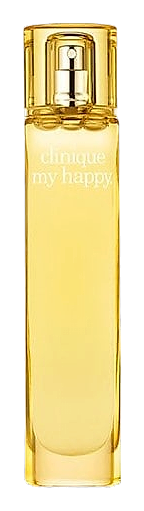
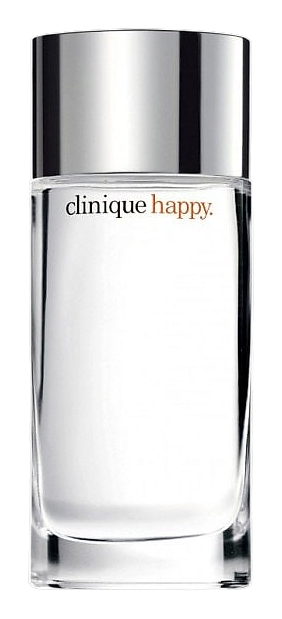
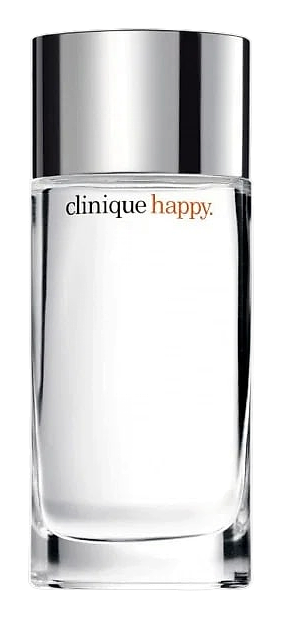
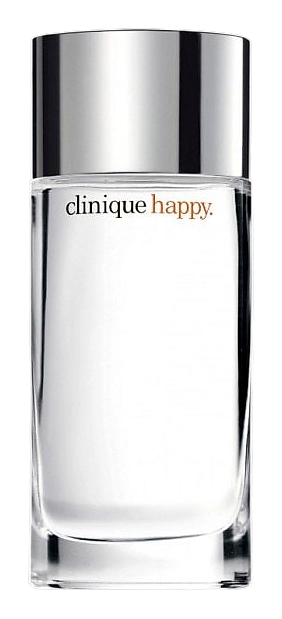
    Clinique Happy by Clinique – Eau de Toilette
    3.5

    Clinique Happy

    Eau de Toilette

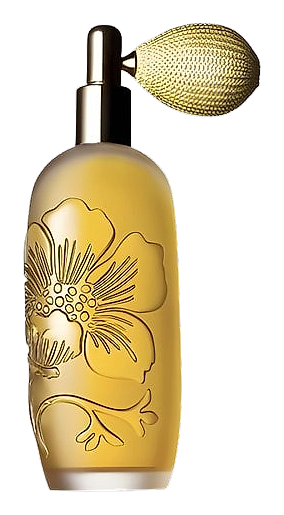
    Aromatics Elixir Sheer Velvet Philtre Sensuel by Clinique
    Best Seller
    4.4

    Aromatics Elixir Sheer Velvet Philtre Sensuel

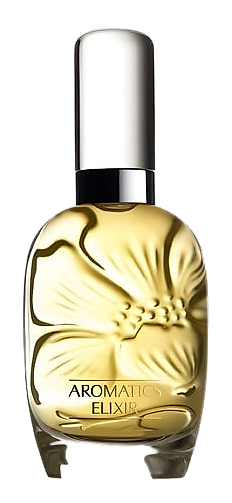
    Aromatics Elixir Premier by Clinique
    Best Seller
    4.4

    Aromatics Elixir Premier

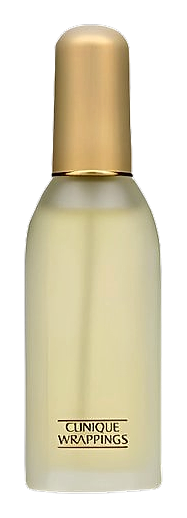
    Clinique Wrappings by Clinique
    Best Seller
    4.3

    Clinique Wrappings

    Beyond Rose by Clinique
    4.3

    Beyond Rose

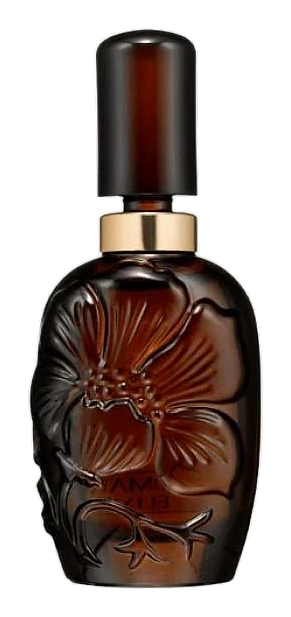
    Aromatics Elixir Perfumer's Reserve by Clinique
    4.2

    Aromatics Elixir Perfumer's Reserve

    Blue Sky Neroli by Clinique
    4.2

    Blue Sky Neroli

    Clinique Happy In Bloom 2014 by Clinique
    4.2

    Clinique Happy In Bloom 2014

    Cocoa & Cashmere by Clinique
    4.1

    Cocoa & Cashmere

    Clinique Happy In Bloom 2016 by Clinique
    4.1

    Clinique Happy In Bloom 2016

    Clinique Happy In Bloom 2011 by Clinique
    4.0

    Clinique Happy In Bloom 2011

    Clinique Happy In Bloom 2008 by Clinique
    4.0

    Clinique Happy In Bloom 2008

    1 of 5

    The Heritage

    The Story of Clinique

    Clinique entered the fragrance world through the Estée Lauder Companies in 1968, bringing its dermatological expertise to perfume creation. Rather than positioning itself as a traditional perfumery house, Clinique applied its clinical background to fragrance development, emphasizing scientific rigor alongside sensory appeal. The brand's Aromatics Elixir, launched in 1975, became its signature scent and remains in production as one of the oldest continuously sold women's fragrances from a major cosmetics company. Clinique's fragrance portfolio spans multiple decades, with notable releases including Aromatics Elixir Premier (2017), the Perfumer's Reserve series (2011), and the Happy collection that began in 2002. The brand operates as a subsidiary of Estée Lauder Companies, combining pharmaceutical-inspired formulation principles with accessible luxury positioning.

    Heritage

    Clinique's origin traces to an article co-authored by beauty journalist Carol Phillips and dermatologist Dr. Norman Orentreich, published in 1967. The article outlined a revolutionary approach to skincare based on skin type analysis rather than generic product categories. Evelyn Lauder, wife of Estée Lauder Companies founder Leonard Lauder, read the piece and recruited both writers to establish a new brand. The name reportedly came to Evelyn Lauder during a visit to Paris, where she observed the clinical precision of French dermatology practices. The company launched as the third brand within the Estée Lauder corporate portfolio, following Estée Lauder itself and Aramis. From its beginning, Clinique distinguished itself by positioning fragrance as part of a holistic beauty system rather than a standalone luxury item. The brand's founding principles emphasized allergy-tested formulations and scientific validation, extending these commitments to its fragrance line when it introduced Aromatics Elixir in 1975. This chypre-floral fragrance, created without publicly identified perfumers in its original formulation, established a template for Clinique's subsequent scent development: complex, countercultural compositions that rejected mainstream olfactory trends. The launch of Clinique Happy in 2002 represented the brand's first major venture into mass-market fragrance, accompanied by reportedly substantial marketing investment, and demonstrated its ability to translate clinical branding into commercial fragrance success.

    Craftsmanship

    Clinique's fragrance production relies on the manufacturing infrastructure of its parent company, Estée Lauder Companies, which controls production facilities and ingredient sourcing networks across multiple continents. The brand's approach to raw materials emphasizes consistency over exotic sourcing, leveraging the corporate supply chain to maintain uniform quality across production batches. Aromatics Elixir's continued production over nearly five decades required reformulation adaptation as certain natural materials became restricted or unavailable, demonstrating the technical expertise involved in maintaining fragrance continuity while addressing regulatory and sustainability pressures. The Perfumer's Reserve series, launched in 2011, represented a deliberate pivot toward crafted exclusivity, utilizing concentrated formulations and refined base notes to differentiate from standard flankers. This craftsmanship philosophy prioritizes structural integrity over individual ingredient spectacle, with compositions designed for evolutionary wear patterns rather than immediate impact. Quality control processes incorporate the same dermatological testing protocols used in Clinique's skincare products, though the specific testing methodologies for fragrance components remain proprietary to the parent company's research divisions.

    Design Language

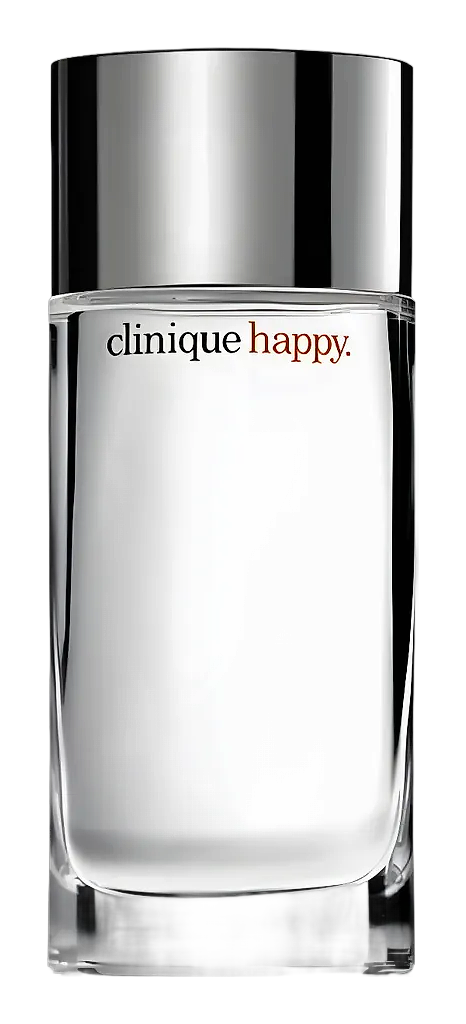
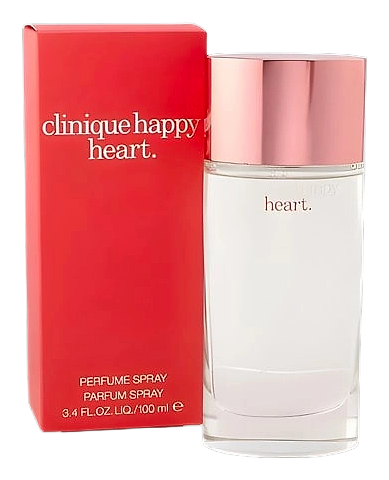
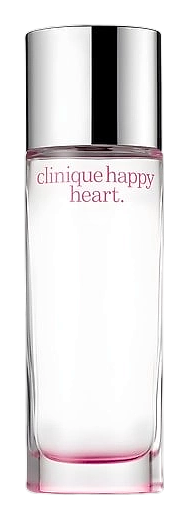
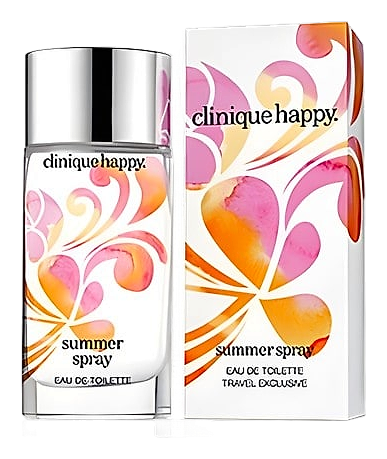
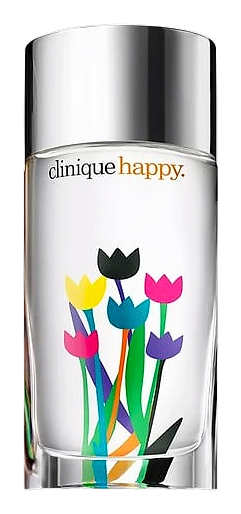
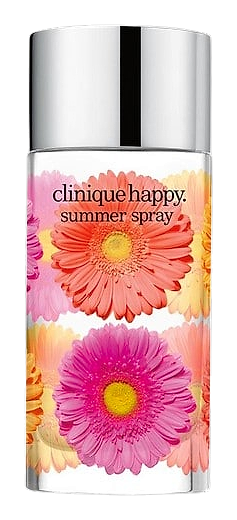
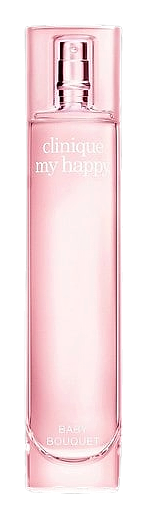
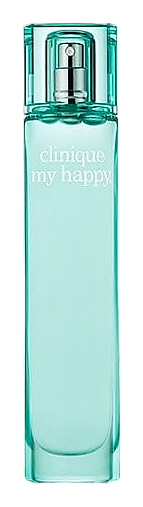
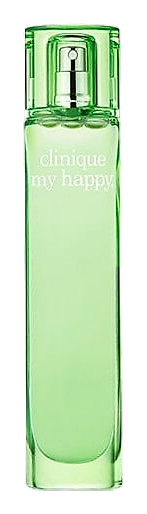
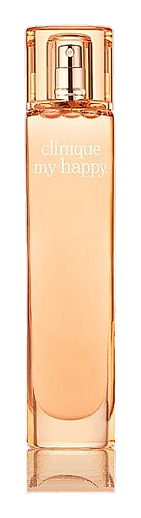
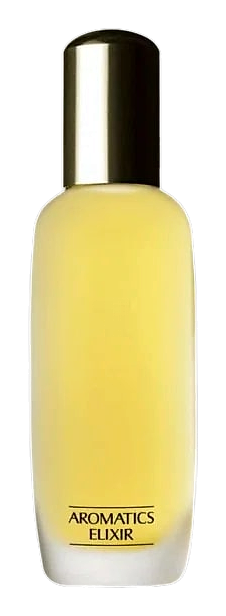
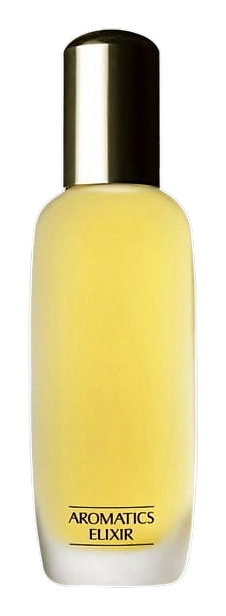
    The visual identity of Clinique fragrances reflects the brand's pharmaceutical heritage through clean typography, white space, and minimalist packaging. The iconic Clinique logo, with its distinctive typeface, appears across all fragrance lines without the elaborate decorative elements typical of European perfume houses. Bottle designs favor functional shapes over artistic flourishes, with the Aromatics Elixir bottle demonstrating a Bauhaus-influenced simplicity that has remained largely unchanged since 1975. This consistent aesthetic signals reliability and scientific credibility rather than artistic exclusivity. The brand's color palette centers on white, black, and green, establishing immediate visual recognition across product categories. Photography and advertising campaigns emphasize product clarity over lifestyle aspiration, reflecting Clinique's positioning as a functional beauty brand rather than an aspirational luxury marker. The Happy line introduced a departure from this minimalism, incorporating brighter colors and rounded forms, though even these fragrances maintain the clean typography and understated packaging that define the brand's visual language.

    Philosophy

    Clinique approaches perfumery with the same systematic thinking that governs its skincare lines. The brand operates on the premise that fragrance, like skincare, should be developed through methodical testing rather than artistic intuition alone. This clinical methodology manifests in the brand's preference for comprehensive fragrance families rather than isolated launches, with each scent positioned as part of an interconnected olfactory ecosystem. The Aromatics Elixir franchise exemplifies this approach, with the original 1975 formulation serving as a foundation for subsequent variations including Sheer Velvet (2006), Premier (2017), and the Perfumer's Reserve (2011). Rather than chasing seasonal trends, Clinique develops scents intended for long-term market presence, a strategy reflected in the decades-long production runs of its core fragrances. The brand's skincare heritage influences its fragrance aesthetics, with compositions often emphasizing skin-like warmth, clean botanical elements, and balanced sillage rather than theatrical projection. This philosophy positions Clinique fragrances as personal signatures rather than statement pieces, aligning with the brand's broader identity as a beauty regime rather than a collection of luxury objects.

    Key Milestones

    1968

    Clinique founded by Evelyn Lauder, Carol Phillips, and Dr. Norman Orentreich as the third brand within Estée Lauder Companies

    1975

    Aromatics Elixir launched, becoming Clinique's signature fragrance and the brand's oldest continuously produced scent

    2002

    Clinique Happy introduced, marking the brand's first major mass-market fragrance launch with substantial marketing investment

    2011

    Aromatics Elixir Perfumer's Reserve released as a limited-edition concentrated formulation within the signature franchise

    2017

    Aromatics Elixir Premier launched, expanding the original scent's heritage into a new premium variant

    At a Glance

    Brand profile snapshot

    Origin

    United States

    Founded

    1968

    Heritage

    58

    Years active

    Collection

    1

    Fragrances released

    Avg Rating

    3.5

    Community sentiment

    Release Rhythm

    2024
    1
    2022
    4
    2021
    3
    2018
    6
    2017
    2
    2016
    2
    2015
    3
    2014
    3
    clinique.com

    Did You Know?

    Interesting Facts

    Distinctive details and defining moments that shape the house personality.

    01

    Clinique's founding inspiration came from a published article rather than a business plan, with co-founder Carol Phillips serving as a beauty journalist who documented dermatological breakthroughs.

    02

    The name 'Clinique' reportedly came to Evelyn Lauder during a Paris visit, where she observed the clinical precision of French dermatology practices that she wanted to capture in the brand identity.

    03

    Aromatics Elixir remained in continuous production for nearly fifty years without public disclosure of its original perfumers, a notable departure from the attribution practices common in the fragrance industry.

    04

    Clinique launched as the third brand within the Estée Lauder corporate structure, following Estée Lauder itself and the Aramis line, establishing a portfolio approach to beauty brand development that became industry standard.

    05

    The brand's skincare origins included a commitment to allergy testing that extended to its fragrance line, making Clinique among the first major fragrance producers to systematically address dermatological concerns in perfume formulation.

    The Artisans

    The Perfumers