Mimosa
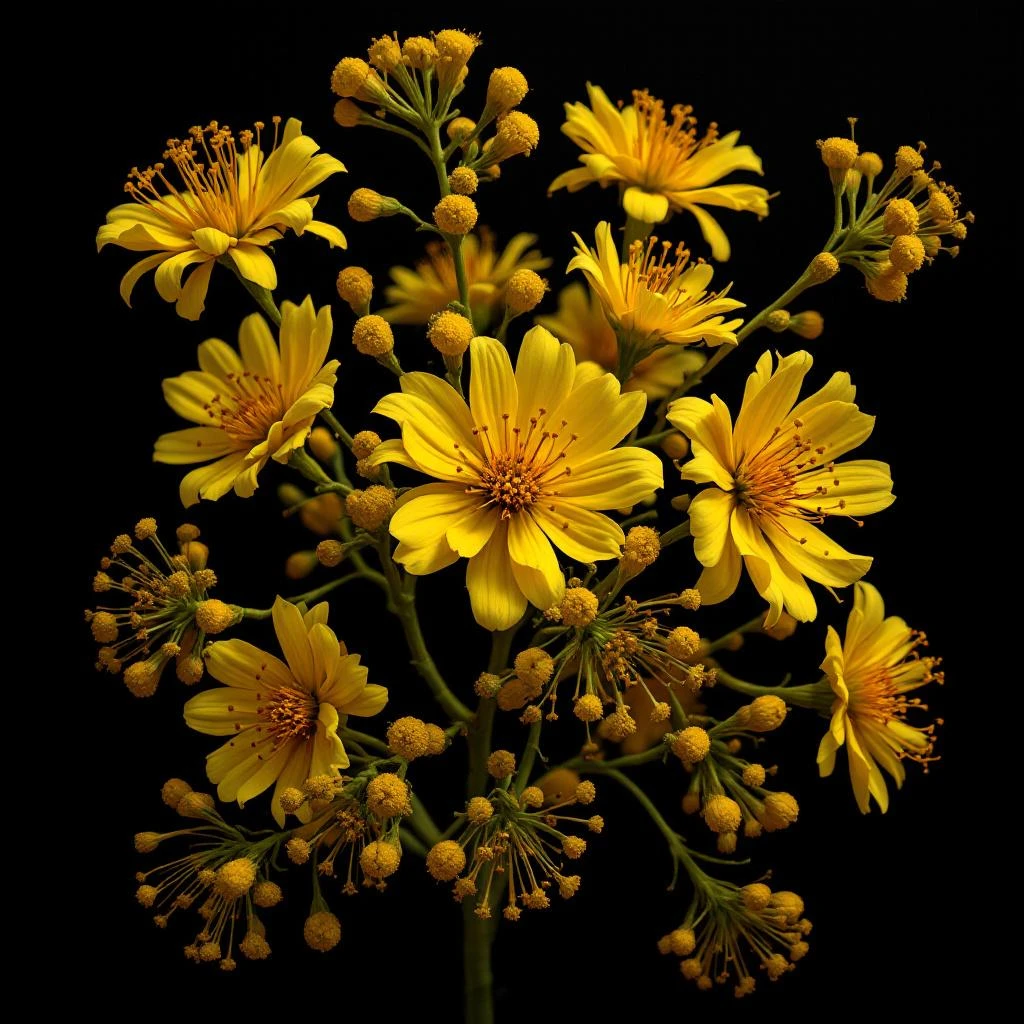
Mimosa brings a golden warmth to fragrance, its powdery, honeyed blooms originating from Australia but flourishing along the French Riviera. In perfumery, it offers a tender floralcy that feels both intimate and luminous.
Character
How it smells
The powdery golden bloom with honeyed warmth
Despite sharing its name with a different genus, perfumery mimosa comes from Acacia dealbata, the golden wattle, which is Australia's national floral emblem.









Origin
Australia
The botanical that perfumers call mimosa, Acacia dealbata, traces its roots to southeastern Australia, where Indigenous peoples recognized its aromatic properties long before European contact. The plant traveled abroad during the colonial era, eventually naturalizing along the French Riviera where it became deeply embedded in local perfumery culture by the 19th century.
Ancient Egyptian traditions offer an even older connection: acacia species held sacred status, symbolizing resurrection and immortality in funerary practices. Egyptian priests burned acacia as incense during ceremonies, establishing a precedent for the flower's spiritual applications.
When modern perfumery emerged in the 1800s, mimosa quickly became a treasured ingredient among French nez for its unique powdery warmth that distinguished it from other florals. Today, it remains a relatively rare and cherished material, prized for its ability to add intimate golden warmth to fragrance compositions.
Wears it best
Fragrances featuring Mimosa

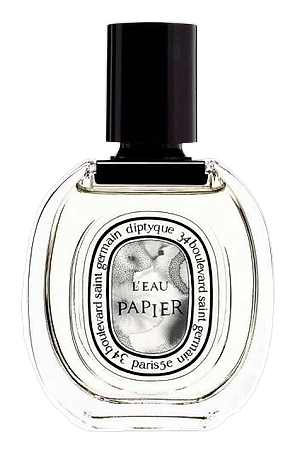
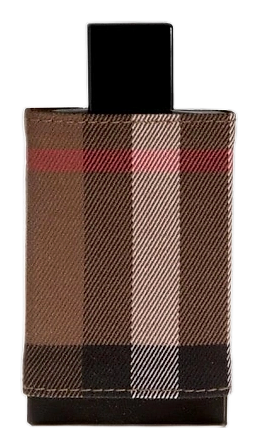
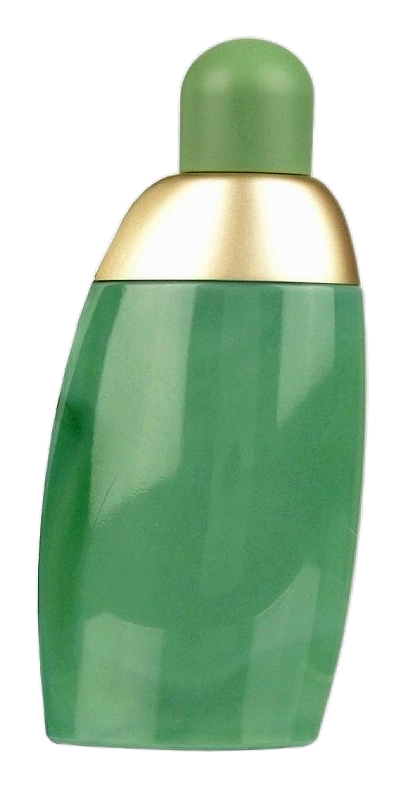
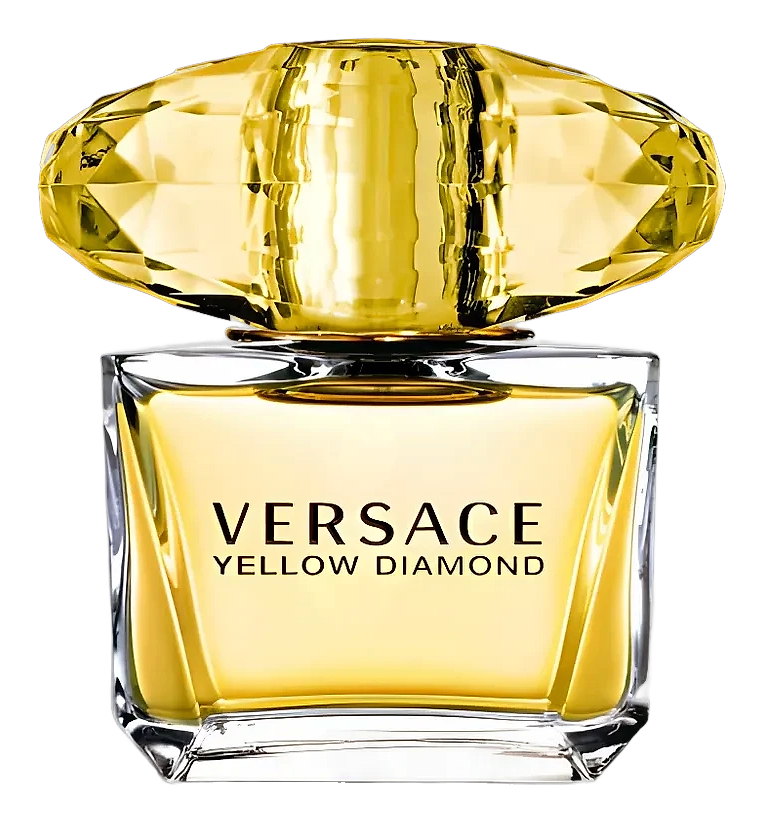

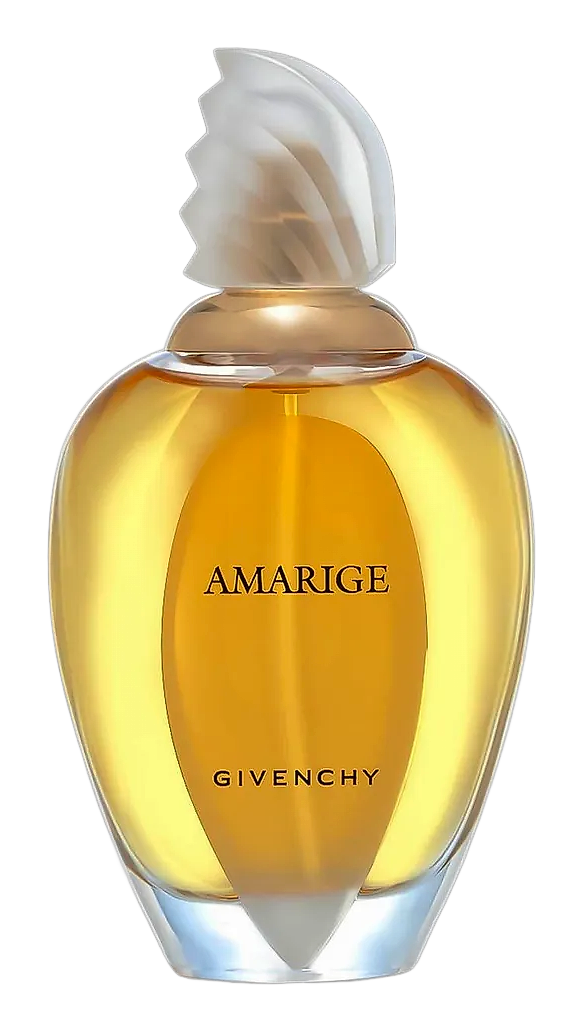


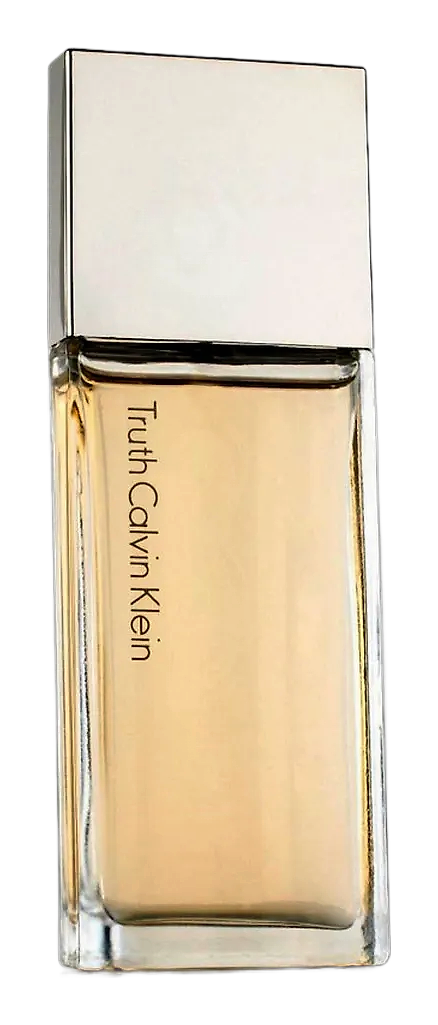
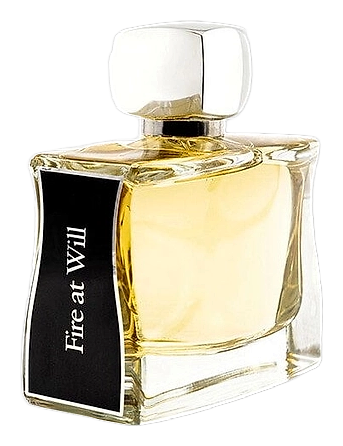
Brands
Brands known for Mimosa
Good to know
Questions, answered
The essentials on Mimosa in perfumery: how it smells, where it comes from, and how it behaves on skin.
What does mimosa smell like in perfume?
Mimosa delivers a powdery, honeyed floral scent with subtle green and almond undertones. It creates a warm, tender impression that feels intimate and luminous in compositions.
Is mimosa a natural or synthetic ingredient?
Mimosa used in perfumery is a natural ingredient sourced from Acacia dealbata flowers. It is extracted via solvent extraction to produce mimosa absolute for fragrance use.
Where does mimosa absolute come from?
The primary production region is the French Riviera, where significant cultivation exists. The source plant originates from Australia, with some experimental production there serving niche perfumery markets.
How is mimosa absolute produced?
Harvesters pick flower heads by hand during a brief spring window. Producers then use solvent extraction to create a concrete, which is refined into the absolute that reaches perfumers.
What fragrance families feature mimosa?
Mimosa appears mainly in floral and chypre compositions as a heart note. Its powdery warmth makes it particularly effective alongside aldehydes, vanillin, and warm woody bases.
What cultural significance does mimosa hold?
Ancient Egyptian mythology linked acacia to resurrection and immortality, using it in sacred incense. The flower later became embedded in French Riviera perfumery culture during the 19th century.
How long has mimosa been used in perfumery?
Mimosa entered modern perfumery during the 1800s when French nez began working with the flower. However, its botanical relatives have a documented history stretching back to ancient Egyptian ceremonial use.
Is mimosa considered rare in perfumery?
Mimosa remains relatively uncommon due to its brief harvest season and labor-intensive hand-picking. Global production stays modest, keeping it a prized material among perfumers.