The Story
Why it exists.
The beginning
Zoologist Perfumes, founded in 2013 in Toronto by video game designer Victor Wong, operates on a provocation: what does a creature smell like? Each fragrance takes an animal's name, translating instinct, habitat, and biology into olfactory narrative. Bee became the house's breakout work and a finalist at the Art & Olfaction Awards 2020, a signal achievement for a young niche house. Cristiano Canali, an Italian perfumer with a background in aromatic materials, accepted a brief that most would refuse: capture not just honey, but the heat, wax, and cooperative chaos of a functioning colony. The result is an extrait that uses beeswax not as a metaphor but as the literal structural material of the scent.
Canali's note philosophy with Bee was to use materials that bees actually interact with: wax, pollen, nectar. The beeswax functions as more than a stylistic choice, it creates a waxy film on skin that holds lighter top notes and slowly releases them. The ginger was chosen specifically for its spiky, slightly camphorated quality, a counter to the viscous sweetness dominating the composition. The floral heart reflects the actual botanical sources bees visit, with mimosa and broom chosen for their dry, slightly bitter characters rather than the overtly sweet florals typically associated with honey accords.
The evolution
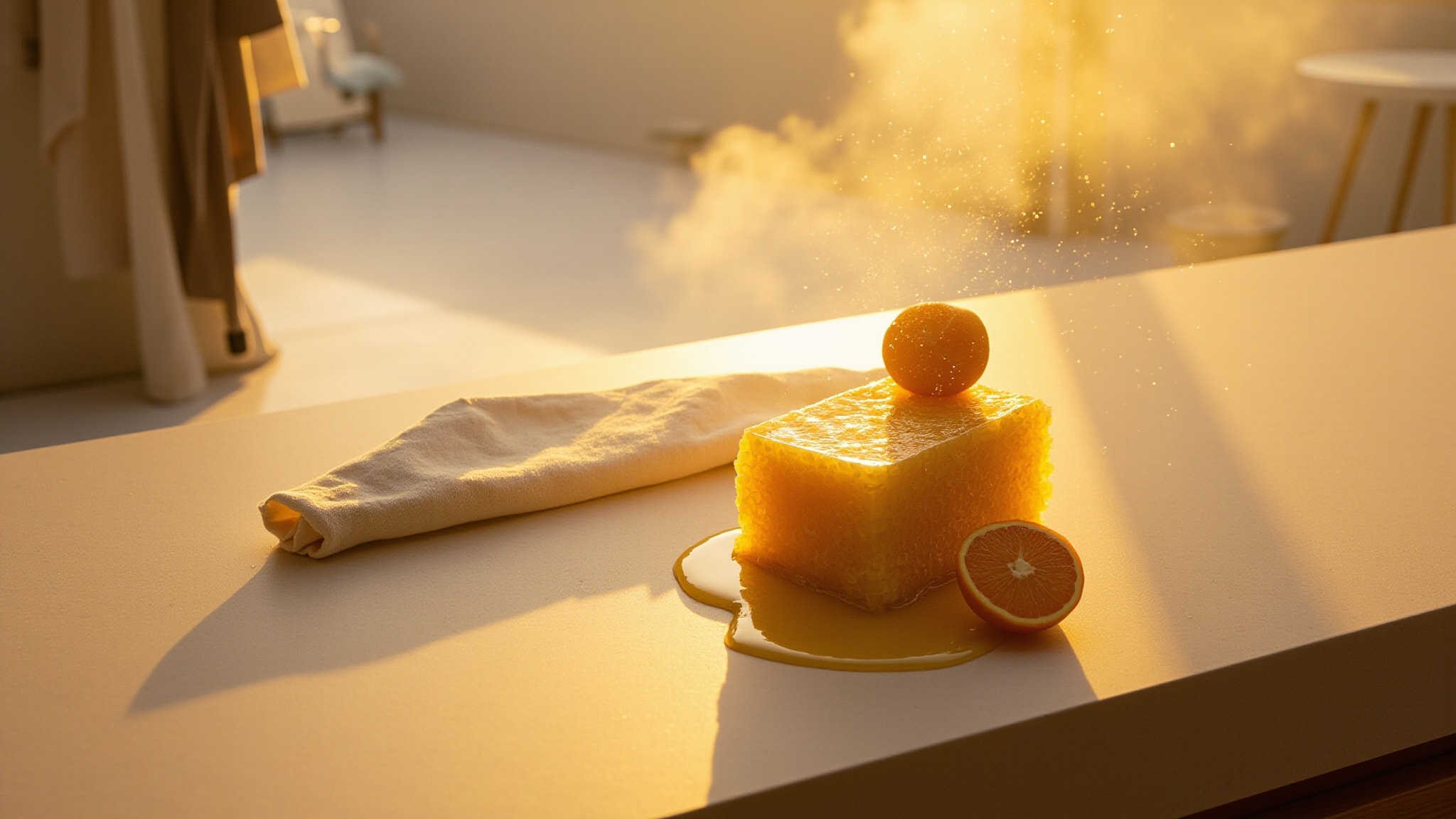
The arc of Bee moves from literal hive geography to sensory abstraction. The opening places you inside the wax combs: beeswax provides the immediate, sticky, almost animal waxy effect, while ginger adds a sharp, fermented spice that reads like the heat generated by thousands of bodies in a small space. Orange brightens this darkness with a clean citrus peel quality that prevents the opening from becoming oppressive. The heart introduces the pollen layer, starting with mimosa's powdery, slightly bitter yellow floral character that feels closer to dust than perfume. Broom extends this into a dry, hay-like register that recalls the meadow landscapes bees actually work. Heliotrope and orange blossom sit atop these drier notes like sweet syrup, enriching the texture without softening it. As the drydown arrives, the original beeswax meets benzoin's sticky, vanillic warmth and tonka bean's cherry-almond sweetness. Sandalwood and labdanum introduce creamy resin that shifts the overall character from waxy to balsamic.
Cultural impact
Bee occupies a distinctive space in the niche fragrance world, one where sweetness and animalic depth coexist without either canceling the other out. Its combination of honey, beeswax, and warm florals makes it immediately memorable, the kind of scent that draws attention not through loudness but through sheer presence. The fragrance does not soften itself for broader appeal; instead, it leans into its intensity, letting the sweetness feel layered rather than simple. The beeswax brings an almost waxy, slightly green animalic quality that grounds the florals and keeps them from floating into abstraction.