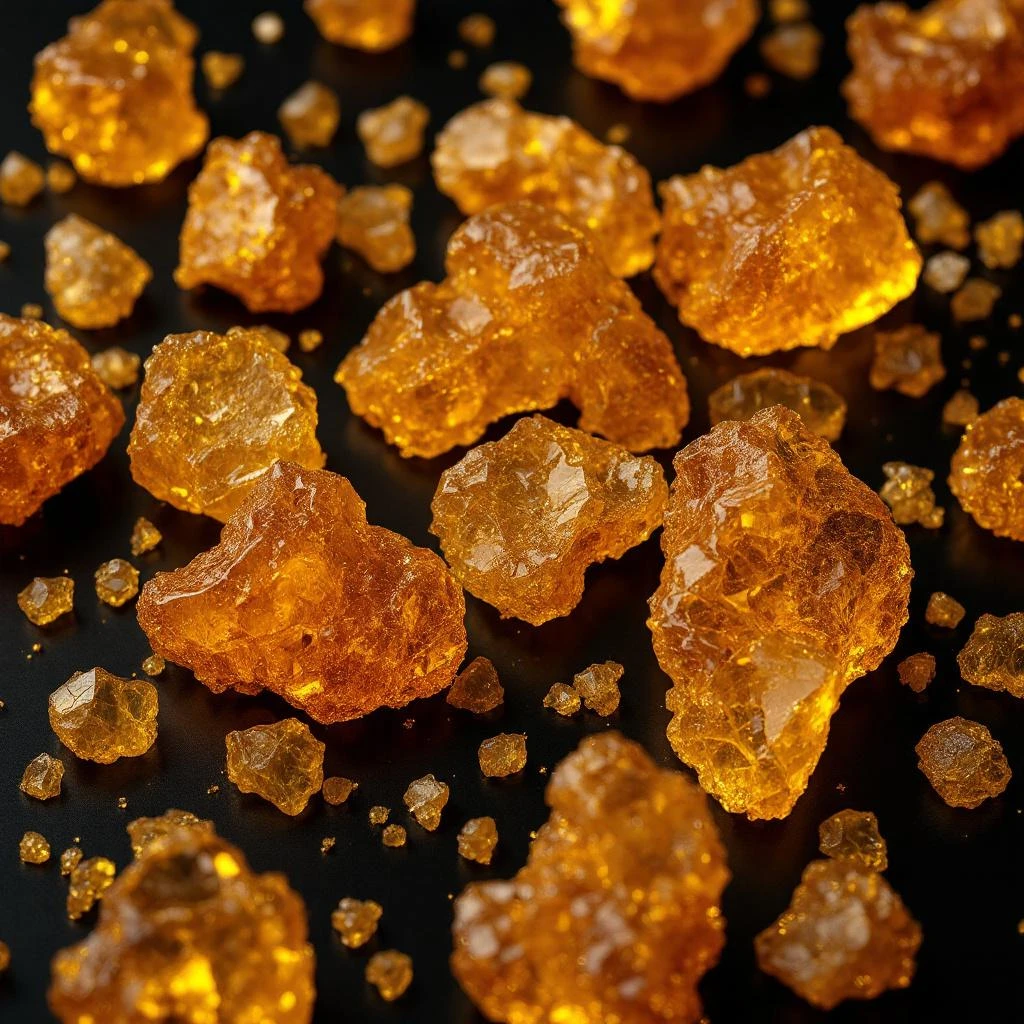
Beeswax
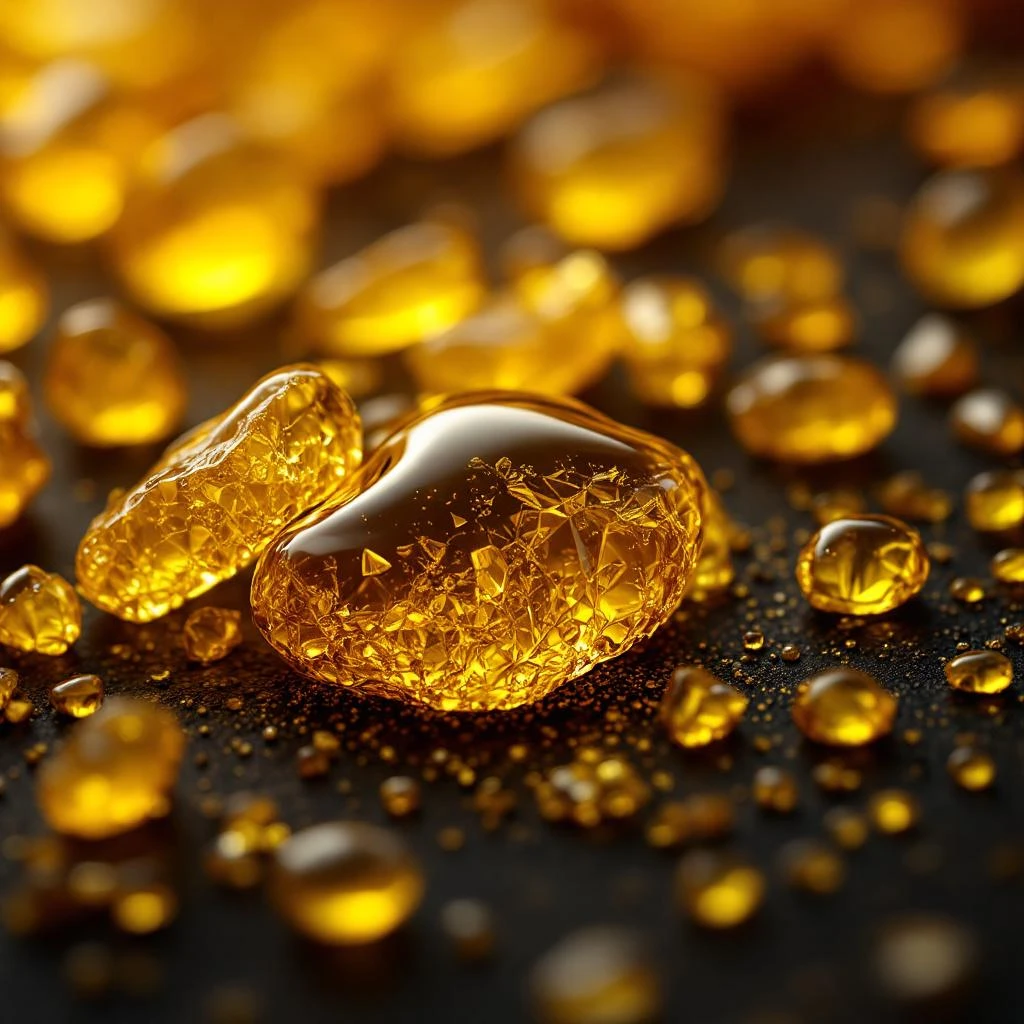
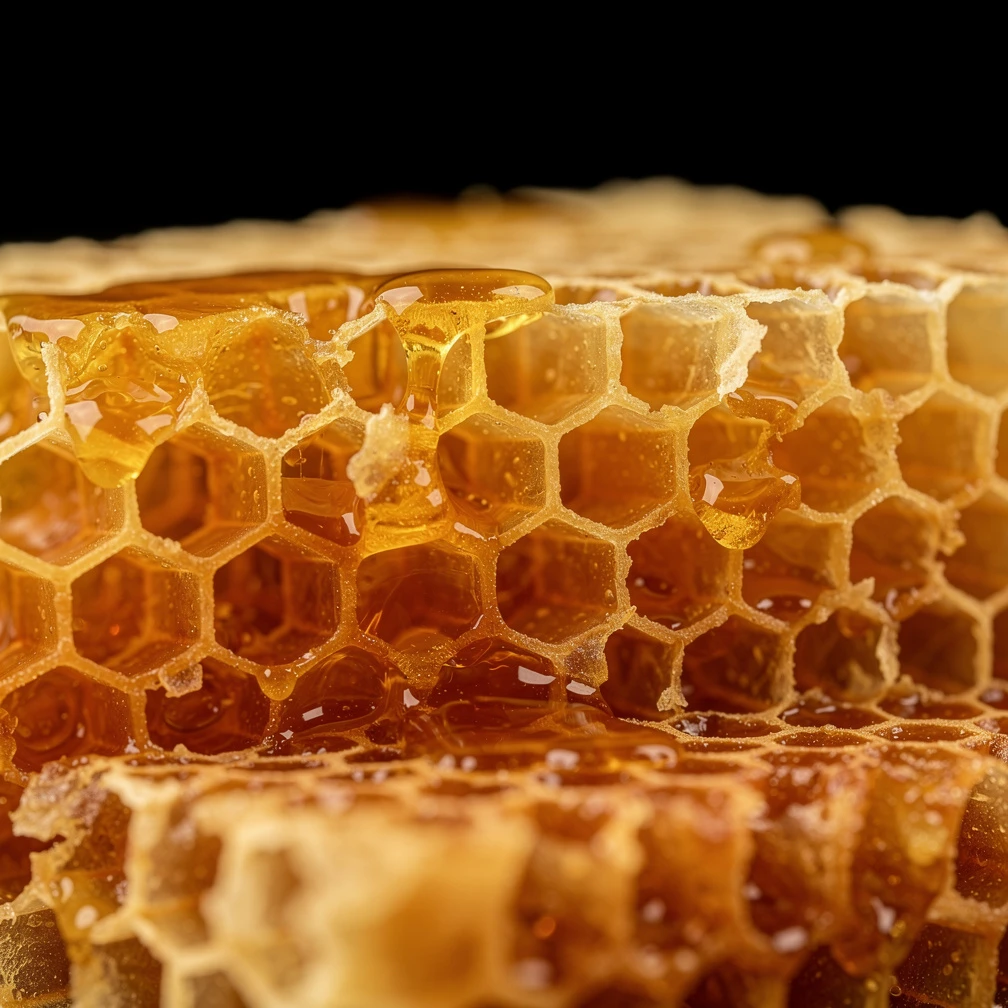
Beeswax delivers a warm, honeyed, slightly animalic scent with creamy depth. It grounds florals, enriches orientals, and lends an unmistakable natural richness that synthetic materials struggle to replicate. In perfumery, beeswax absolute is a prized base note that adds body and longevity to compositions.
Character
How it smells
The ancient wax that makes fragrances feel alive.
A single honeybee produces only about 80 milligrams of wax throughout its lifetime, yet that tiny output built the entire structure of perfumery's most enduring base.







Origin
Mediterranean Region
Beeswax ranks among the oldest materials in human olfactory history. Ancient Egyptians incorporated beeswax into their religious ceremonies and cosmetics around 3000 BCE, using it as a base for aromatic unguents that accompanied the dead into the afterlife. The Romans later expanded beeswax into everyday cosmetics, and the word itself derives from the Old English 'weax,' reflecting its deep roots in northern European culture.
Throughout the Middle Ages, beeswax candles replaced tallow ones in churches across Europe, making the material a commodity of genuine economic power. In perfumery, beeswax served primarily as a fixative and binder for centuries before perfumers began to celebrate its warm, honeyed character as a note in its own right. By the late 20th century, the beeswax absolute had earned recognition as a distinct perfumery ingredient, valued for its ability to lend naturalness and depth to floral and oriental compositions.
Today, beeswax absolute appears in a select group of prestige fragrances, prized for the way it grounds volatile top notes and extends their presence on the skin.
Wears it best
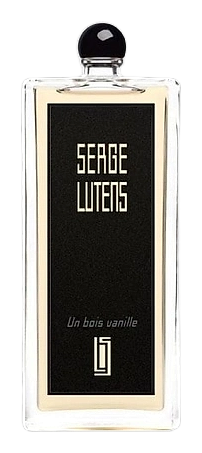
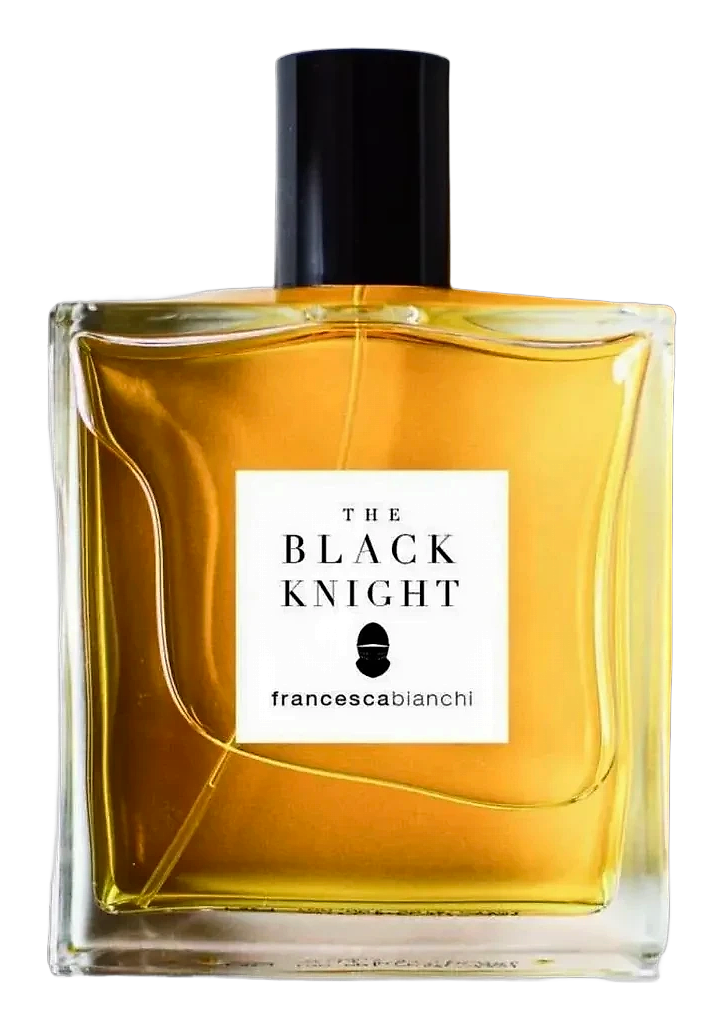
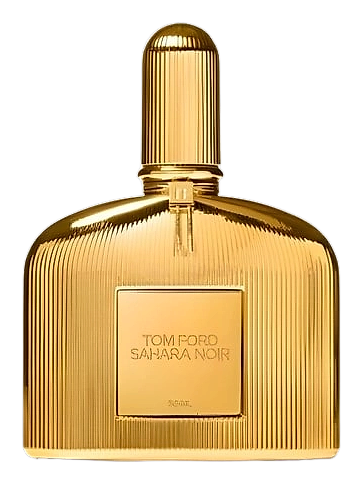
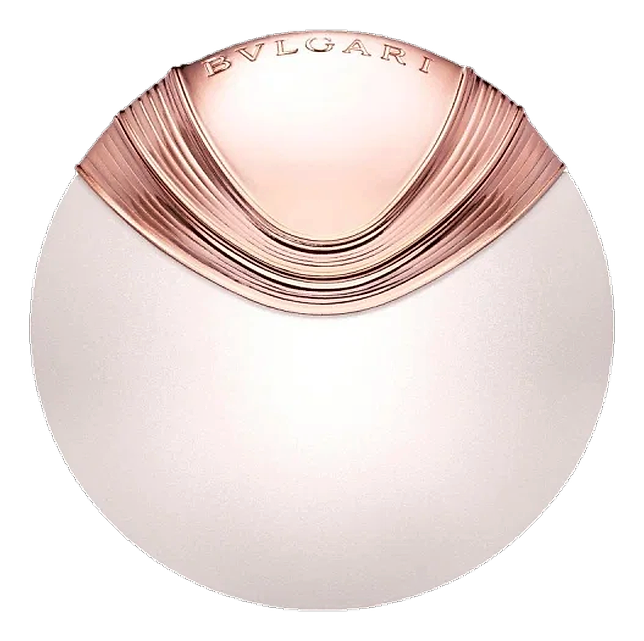
Fragrances featuring Beeswax


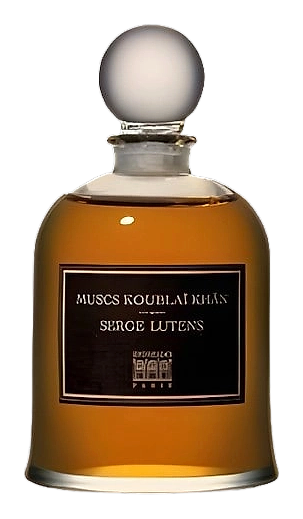

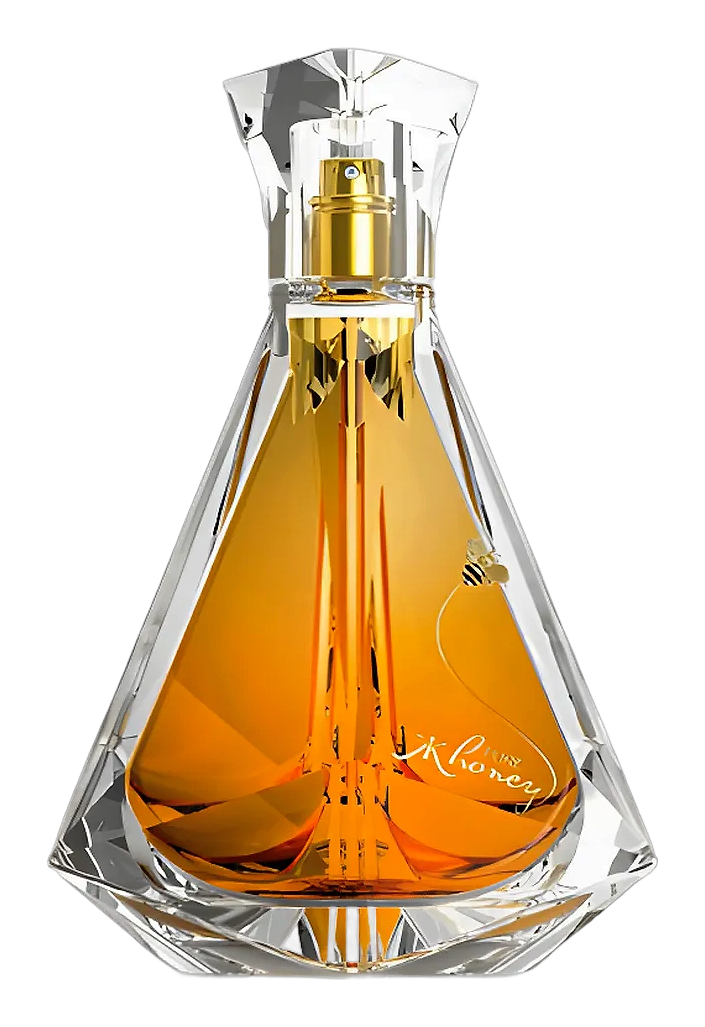

Brands
Brands known for Beeswax
Good to know
Questions, answered
The essentials on Beeswax in perfumery: how it smells, where it comes from, and how it behaves on skin.
What does beeswax smell like in a fragrance?
Beeswax smells warm, honeyed, and slightly animalic with a creamy, waxy depth. It functions as a base note that grounds lighter florals and adds a natural richness that feels almost tangible on skin. No synthetic replicate fully captures its characteristic body and subtle sweetness.
Is beeswax natural or synthetic in perfumery?
Beeswax absolute is a natural material, but synthetic beeswax aromatics also exist. Natural beeswax absolute retains a complex, honeyed depth that most synthetic versions approximate only partially. The distinction matters most in niche and artisan perfumery, where natural materials command a premium.
What is the difference between beeswax absolute and beeswax in perfumery?
Beeswax absolute is a specific solvent-extracted product with a thick, amber consistency and intense honeyed-waxy aroma. However, many fragrances labeled as containing beeswax actually feature synthetic beeswax accords designed to evoke that warm, honeyed character without using the actual absolute.
What role does beeswax play in fragrance compositions?
Beeswax acts as a fixative and base note, slowing the evaporation of lighter top notes and adding body to a fragrance's dry-down. It brings an almost tangible warmth that feels especially at home in oriental, chypre, and rich floral compositions.
How long has beeswax been used in perfumery?
Beeswax has been used since at least 3000 BCE, primarily as a fixative and binding agent in ancient Egyptian unguents. Perfumers only began featuring it as a named note in its own right around 2000, shifting from a supporting role to a celebrated ingredient.
Can beeswax absolute be replicated synthetically?
Synthetic beeswax aromatics exist and do approximate the warm, waxy profile, but they lack the full complexity of the natural absolute. Natural beeswax absolute contains trace aromatic compounds that create a subtle animalic richness no lab-created version has fully matched.
Which fragrance families most commonly use beeswax?
Oriental fragrances, chypres, and rich florals most commonly feature beeswax. It pairs naturally with resins, vanillas, animalic notes, and deep florals, adding warmth and continuity to compositions that rely on layered, persistent dry-downs.
Is beeswax safe to use in skin care and perfume products?
Beeswax is generally recognized as safe for topical use by major regulatory bodies including the FDA. It is not a known sensitizer and is widely used in cosmetics, skin care, and fine fragrances. Those with documented bee product allergies should exercise caution.