The Story
Why it exists.
The beginning
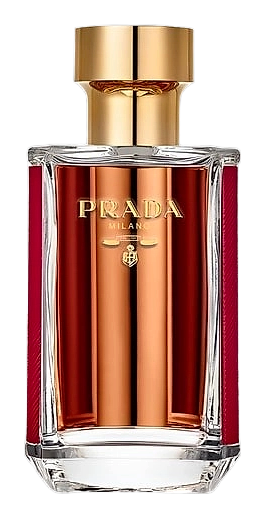
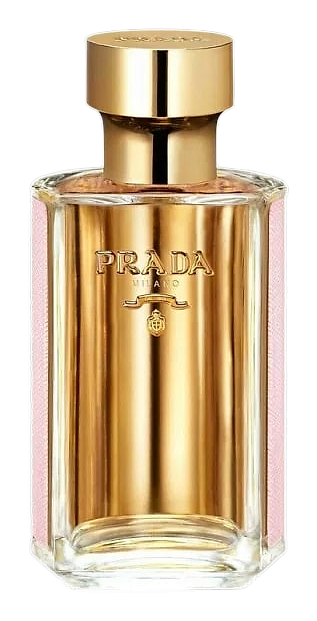
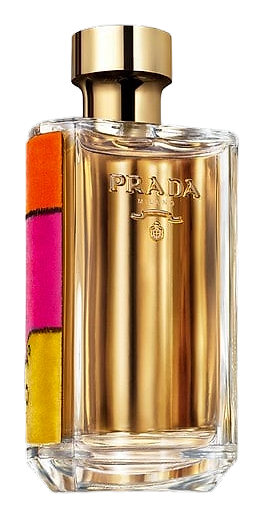
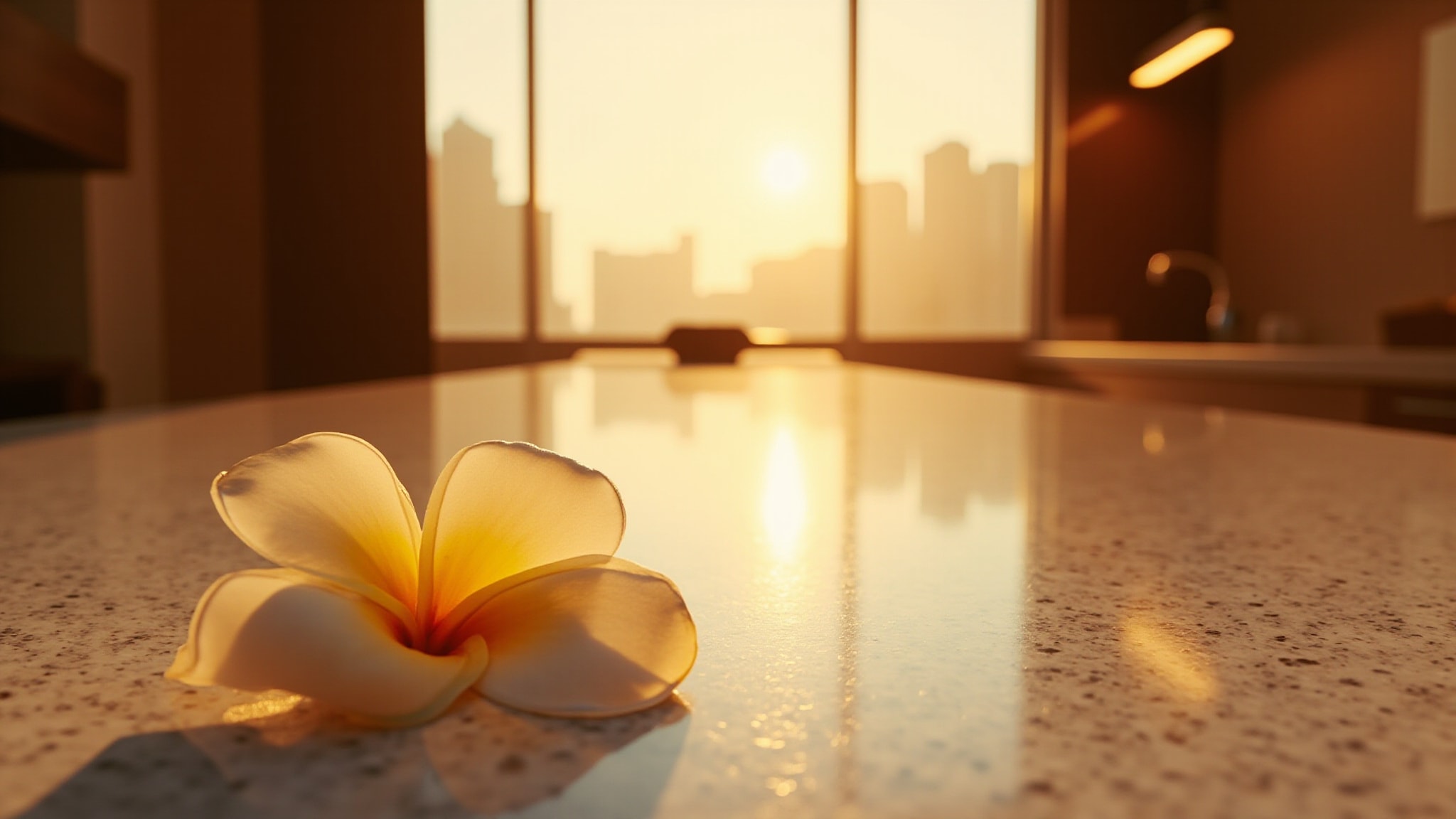
La Femme arrived in 2016 as part of Prada's gender-fluid fragrance duo alongside L'Homme, launched together with the concept of 'reunited in an identical vision.' The house sought to capture something it called the 'absolute woman', not the cliché of femininity, but something more considered. Frangipani, a flower typically relegated to tropical candles and spa contexts, was elevated into something worthy of the house's refined vocabulary. The composition takes this deceptively simple floral and renders it with a sophistication that resists easy categorization, threading it through a matrix of supporting notes that transform its familiar character into something altogether more complex and elusive.
What makes La Femme interesting is its refusal of the obvious. Frangipani carries tropical associations that could easily tip into something cheap or touristy, but the composition steadies it with beeswax, which adds a warm, slightly animalic quality that anchors the lighter florals. The vanilla and vetiver base keeps the florals grounded rather than letting them float upward into the atmosphere. It's a fragrance that knows what it could become and deliberately chooses not to.
The evolution
The opening arrives fresh and bright, magnolia and bergamot give way quickly to the star: frangipani, rendered cooler and more mineral than expected. For the first hour, the florals stay crisp, almost soapy, with carrot seed giving an unexpected green undertone that keeps things grounded. Then the composition shifts. Beeswax emerges, bringing a warm, slightly animalic honeyed quality that softens everything around it. The tuberose deepens, becoming creamier, more nocturnal. The drydown settles into a quiet base of vanilla and vetiver that stays close to the skin for several hours. On fabric, it lingers longer. The evolution isn't dramatic; it's a slow, confident exhale.
Cultural impact
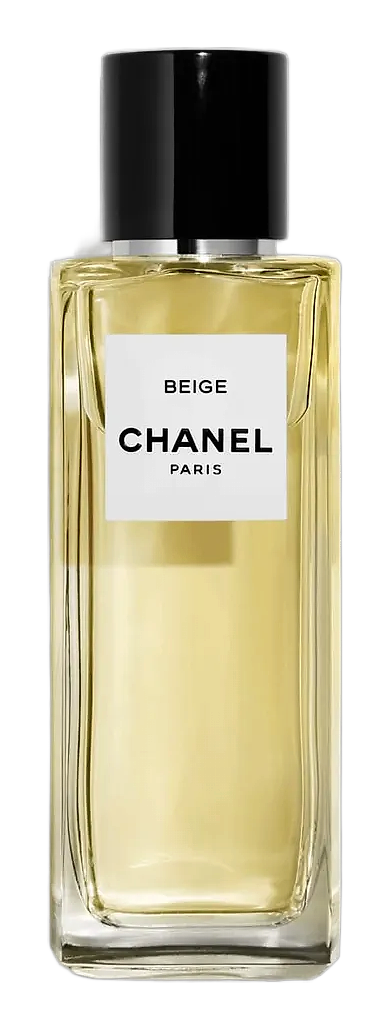
La Femme occupies an interesting position, it's mainstream enough to be accessible (marketed by L'Oréal, advertised with celebrity faces) but carries the Prada house codes that keep it from generic territory. The advertising campaign, photographed by Steven Meisel with actors including Mia Wasikowska and Mia Goth, positioned it as modern and slightly ambiguous rather than classically feminine. Wearers tend to describe it as versatile, professional, and clean, a fragrance for someone who wants to smell expensive without announcing it. It sits alongside Chanel Beige in its creamy white floral register but reads as more shampoo-like and approachable.