Frangipani
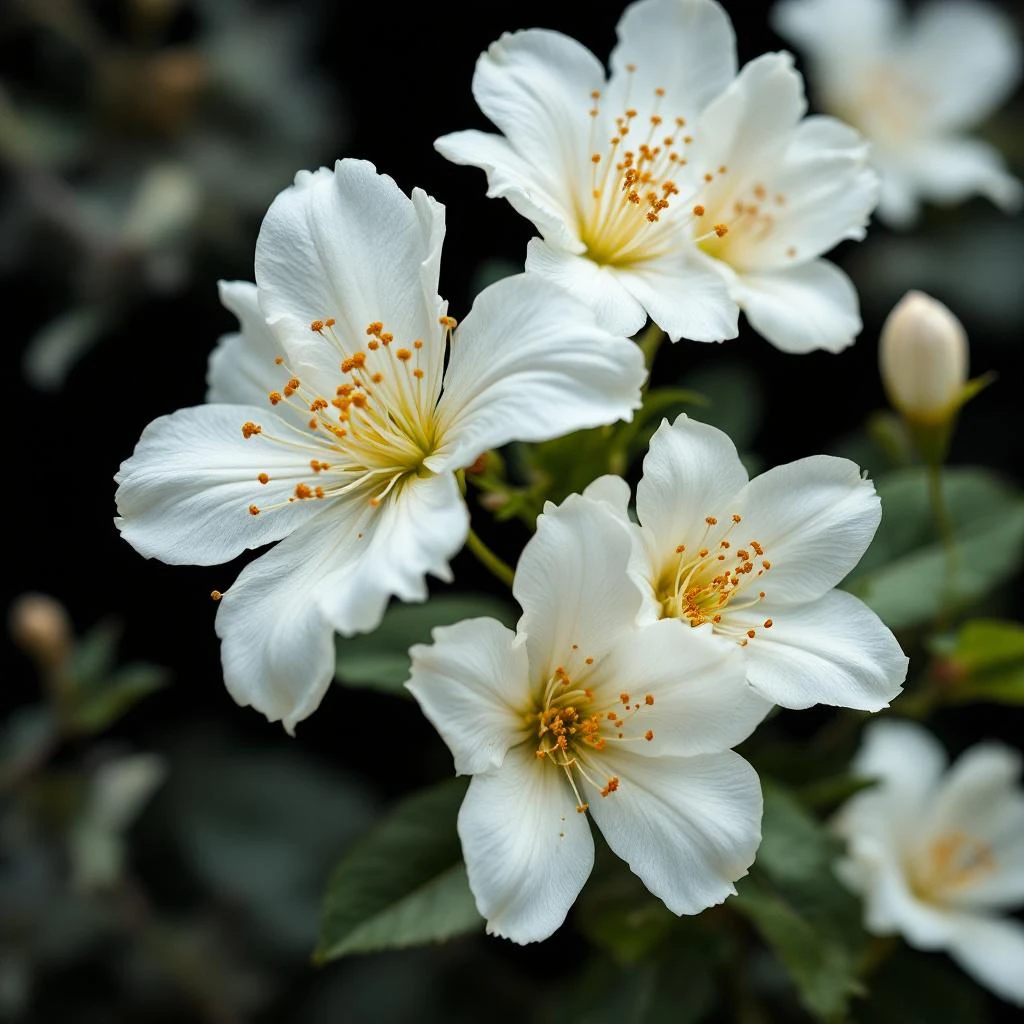
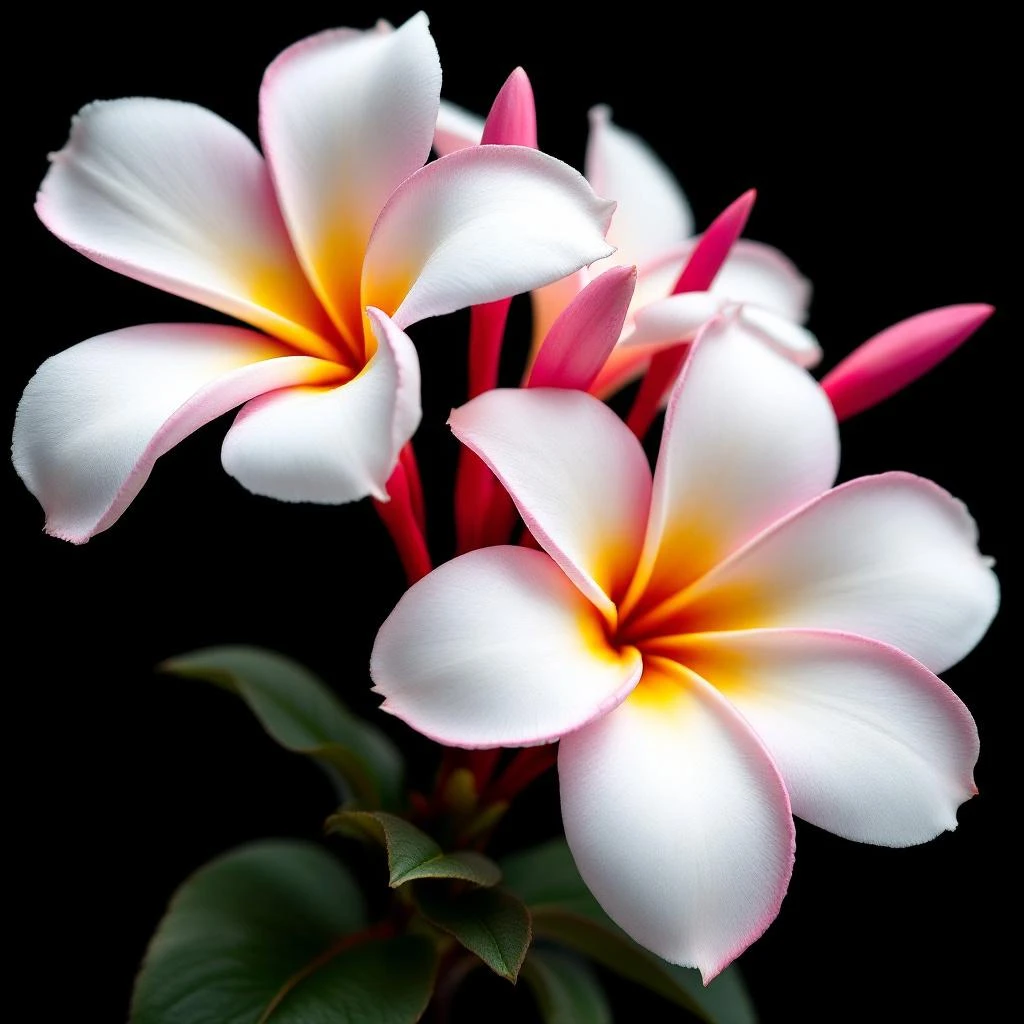
A creamy, sun-warmed tropical blossom whose lilt of citrus, gardenia, and coconut pulls the listener toward white sand and humid evenings. Plumeria carries sacred weight across Pacific and Indian traditions.
Character
How it smells
Creamy, solar, sacred.
The name "frangipani" likely honors Marquis Muzio Frangipani, a 16th-century Italian nobleman who scented gloves with an almond fragrance resembling the flower's perfume.








Origin
Central America
Long before European perfumers encountered the tropical tree, frangipani held sacred status across Mesoamerica, the Pacific Islands, and the Indian subcontinent. Aztec priests associated its golden-centered blooms with nobility and divinity; in Hindu and Buddhist traditions the flower is woven into temple garlands and offerings.
The European connection begins in Renaissance Rome with the Frangipani family, powerful patricians documented from the 11th century onward. In the 16th century, Marquis Muzio Frangipani formulated a perfume for leather gloves using orris, citrus, and almond, a combination that smelled strikingly like the tropical Plumeria flower arriving decades later via colonial trade.
French botanists in the 18th century drew the parallel and named the imported blossom after the long-forgotten glove scent. By the Victorian era, frangipani had become shorthand in European perfumery for creamy, almond-tinged florals, and the name persists in both fine fragrance and Polynesian floral traditions today.
Wears it best
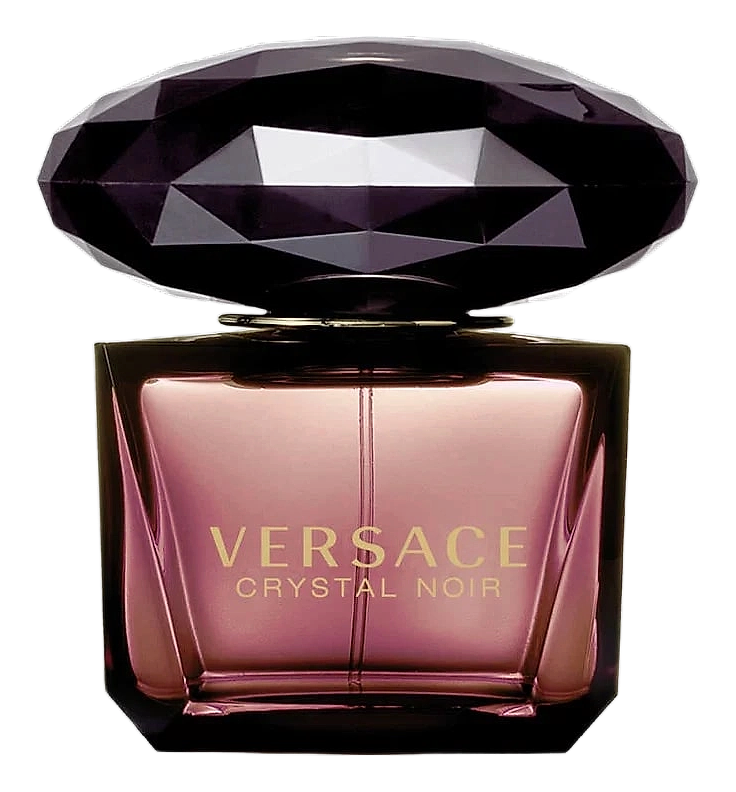
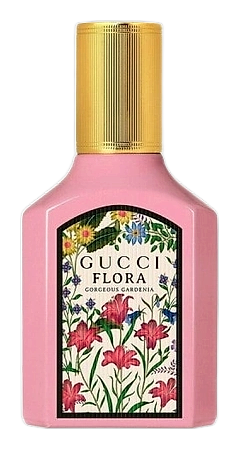
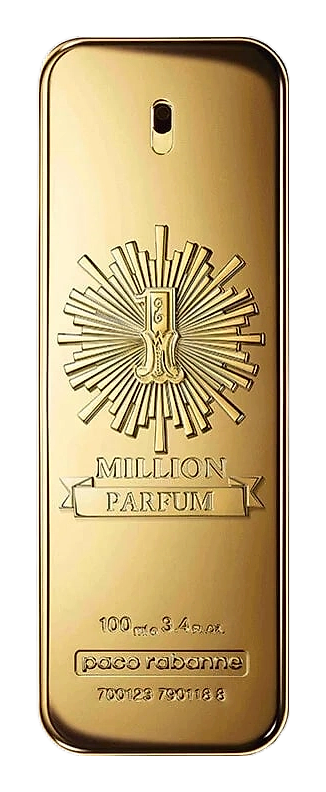
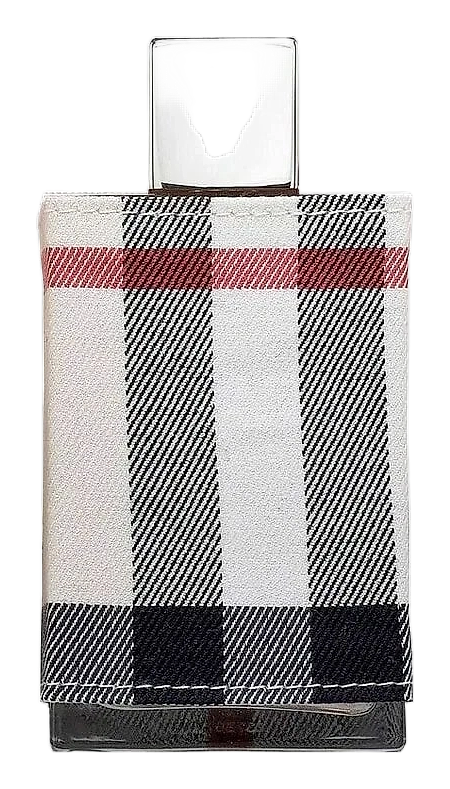
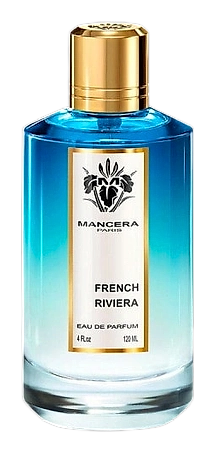
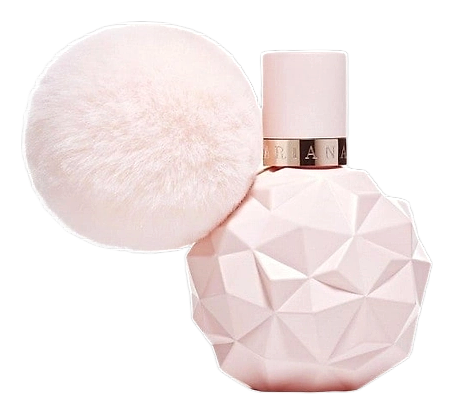
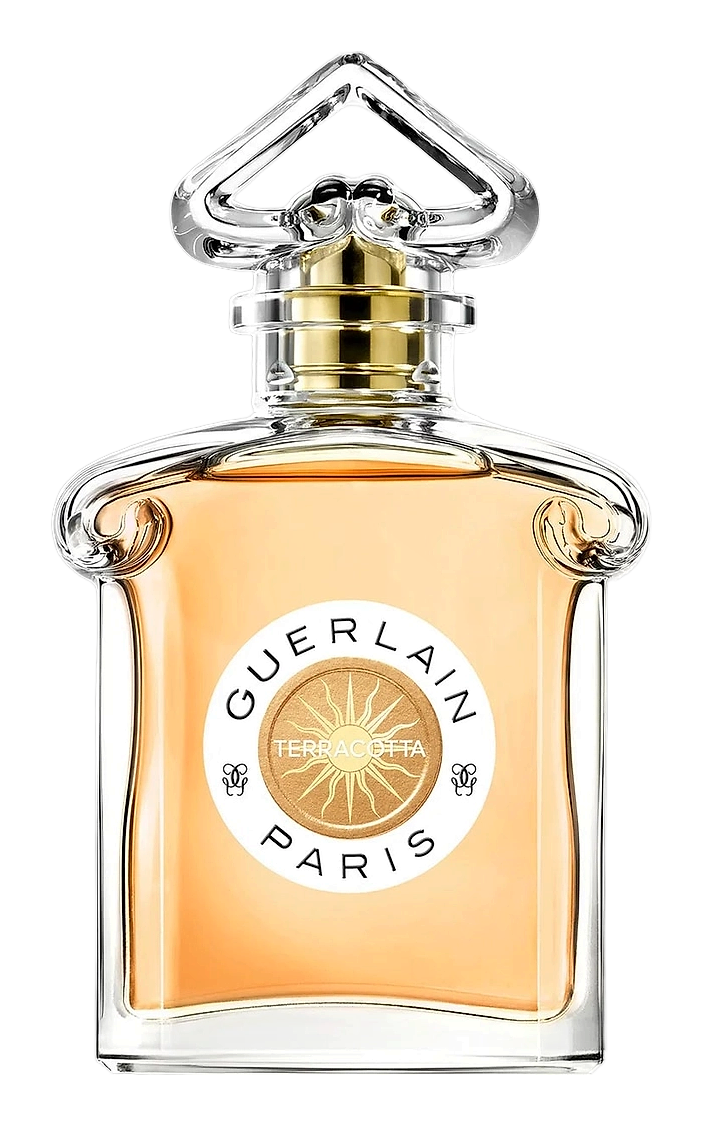
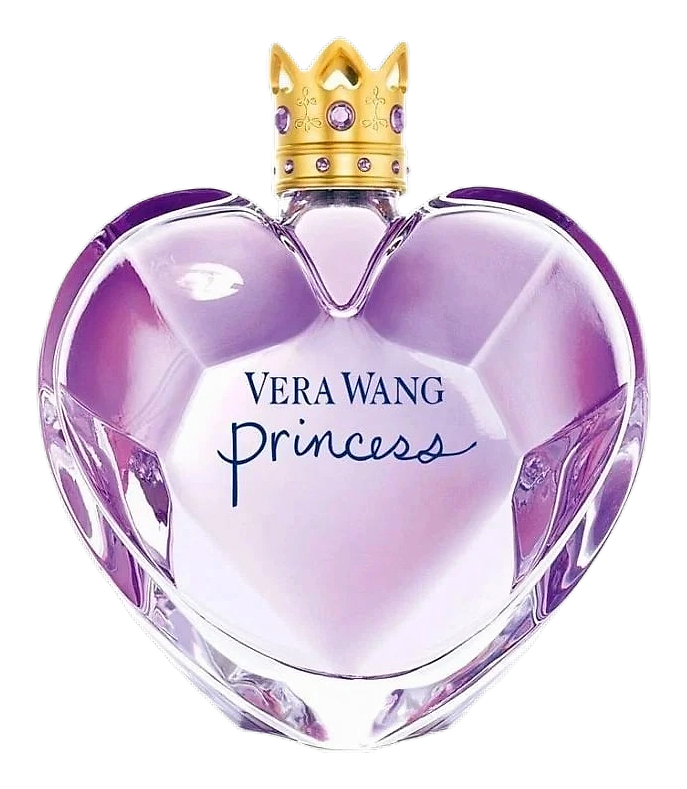
Fragrances featuring Frangipani



Brands
Brands known for Frangipani
Good to know
Questions, answered
The essentials on Frangipani in perfumery: how it smells, where it comes from, and how it behaves on skin.
What does frangipani smell like in perfumery?
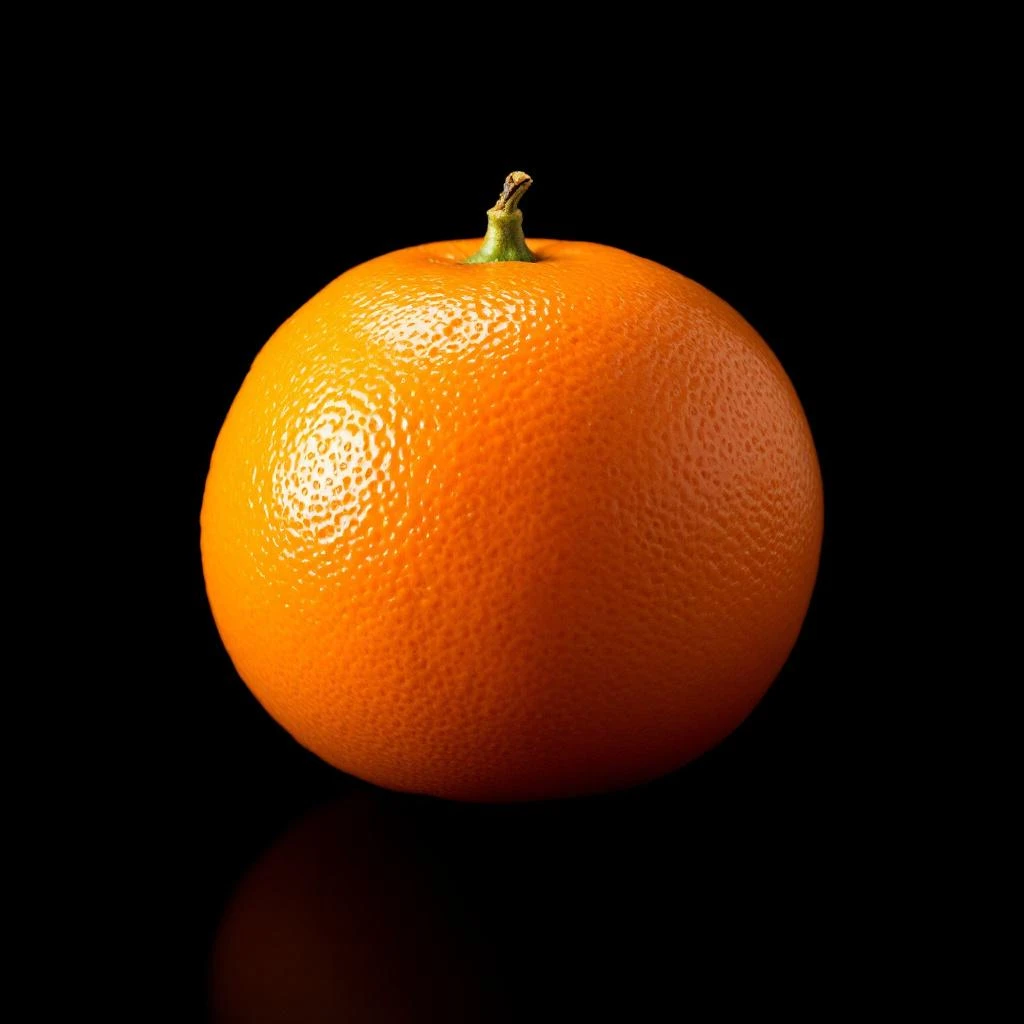
Frangipani presents a creamy white-floral scent laced with peach, coconut, and a subtle citrus brightness. Its character is rich and lactonic rather than sharp, which sets it apart from jasmine or neroli in the same family.
Is frangipani the same as plumeria?
Yes. Frangipani and plumeria refer to the same tropical tree, Plumeria, which produces clusters of waxy, pinwheel-shaped flowers. "Frangipani" is the older European name, while "plumeria" reflects modern botanical classification.
Why is frangipani so expensive in fragrances?
Frangipani yields a vanishingly small amount of absolute per harvest. The delicate flowers must be picked by hand at dawn, and solvent extraction recovers less than 0.05 percent of their weight as usable aromatic material.
Where does frangipani originally come from?
Plumeria trees are native to Central America and the Caribbean, where they grew wild long before cultivation spread to India, Hawaii, and the broader tropics. Fossil evidence and pre-Columbian artifacts place the plant firmly in Mesoamerica.
Is natural frangipani absolute used in perfumes?
Genuine frangipani absolute exists but appears in only a handful of luxury compositions due to cost. Most mainstream fragrances use reconstructed accords built from benzyl salicylate, linalool, and similar synthetic building blocks.
What does frangipani symbolize culturally?
In Hindu and Buddhist traditions frangipani symbolizes devotion and immortality, often placed on altars and woven into offerings. In Polynesian cultures it marks the seasons and the cycles of life, while in Mesoamerica it was once reserved for ceremonial use.
How was frangipani named?
The name traces to the 16th-century Italian Marquis Muzio Frangipani, who created an almond and orris perfume for leather gloves. When French botanists later smelled the imported tropical flowers, they recognized the same character and borrowed the family name.
Is frangipani safe to wear on skin?
Most frangipani accords in modern perfumery are formulated with IFRA-compliant materials and pose no special risk. As with any fragrance, individuals with known salicylate sensitivity should review ingredient lists before applying.