
The Story
Why it exists.
The beginning
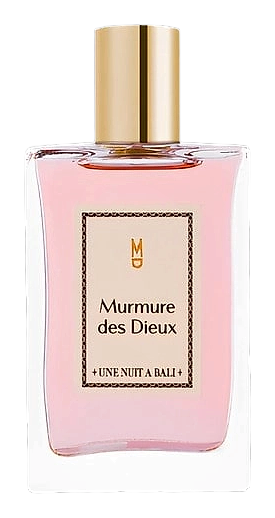
Murmure des Dieux translates to Whisper of the Gods, and that name is the whole story. In Bali, the frangipani is sacred, a flower left on temple altars and tucked behind ears during ceremonies. Une Nuit Nomade built this fragrance around that reverence. Perfumer Nathalie Feisthauer captured the frangipani's almond-like sweetness and tropical creaminess, letting it lead from the first spray rather than hiding it in the drydown. Bergamot and ylang-ylang open the composition with brightness, but the frangipani arrives quickly, creamy, exotic, impossible to ignore. This is a fragrance that wears its inspiration openly, turning the romance of a specific place into something you can carry on your skin.
The note structure here is deceptively simple: tropical florals on top, creamy vanillic base, nothing complicated in between. But that simplicity is the point. Hedione adds transparency to the heart, a transparent jasmine quality that lets the frangipani breathe rather than cloy. Elemi brings a resinous, slightly spicy counterpoint that keeps the florals from becoming too soft. The base is where this fragrance earns its sensuality: benzoin and labdanum create a warm, slightly balsamic foundation, while musk and vanilla round everything into something that smells like warm skin after a long day in the sun. It's lactonic without being sugary, tropical without being cartoonish.
The evolution
The opening arrives fast, bergamot and ylang-ylang burst bright and citrusy, with the ylang-ylang immediately showing its tropical character. Within minutes, the frangipani takes over. This is where the fragrance commits to its identity: creamy, almond-sweet, with a milky quality that feels like sunscreen and salt air. The heart holds for a couple of hours, the florals softening as Hedione adds its transparent shimmer. Then the base arrives, not dramatically, but inevitably. Vanilla and benzoin arrive together, warm and slightly resinous, with the labdanum adding an amber richness that keeps everything grounded. The drydown is intimate. Musk and vanilla cling to skin, warm, close, personal. This is not a fragrance that announces itself across a room. It's the kind of scent someone notices only when they're standing next to you.
Cultural impact
Ylang-Ylang has held sacred significance in Southeast Asian cultures for centuries, traditionally used in temple offerings and wedding ceremonies across Indonesia and the Philippines. Its intoxicating floral character represents femininity and tenderness in many indigenous traditions. Bergamot, originating from the Italian town of Bergamo, carries centuries of Mediterranean refinement in its bright, sophisticated peel. This fragrance brings these two culturally rich ingredients together, creating a bridge between Eastern and Western perfumery traditions. The combination speaks to how modern niche perfumery continues to honor botanical heritage while exploring new sensory territories.
The House
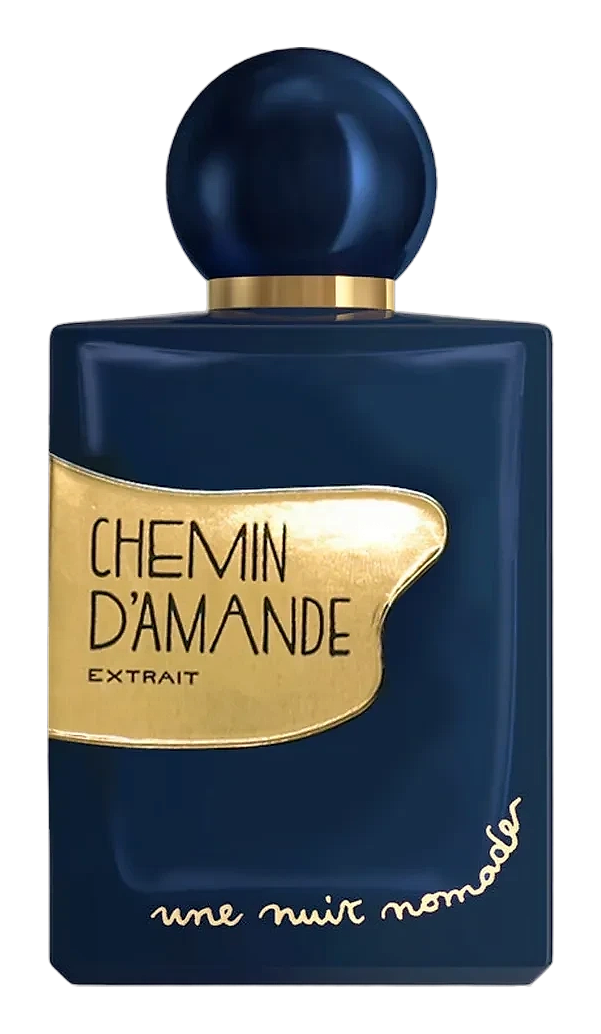
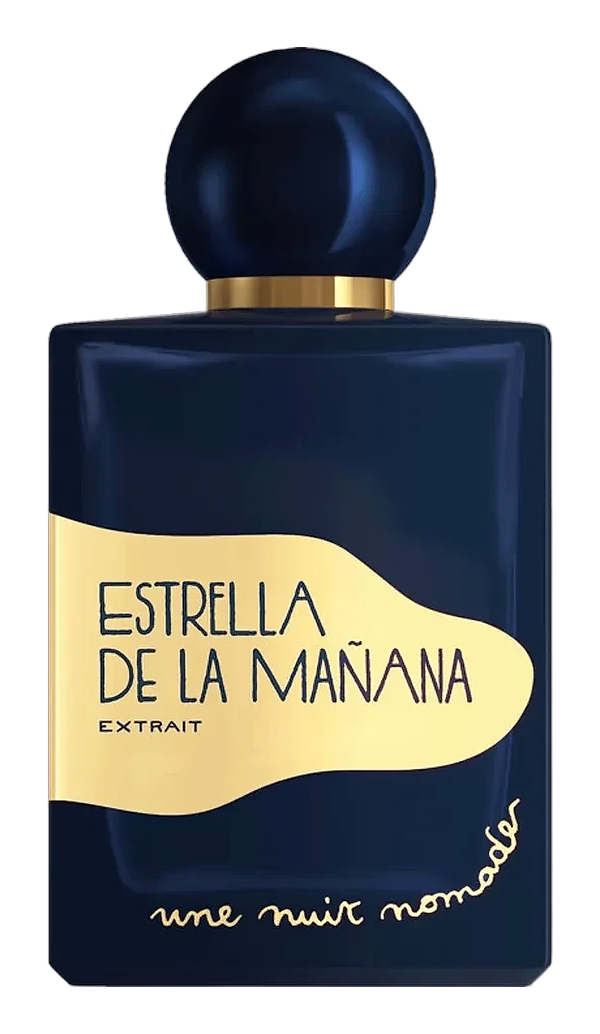
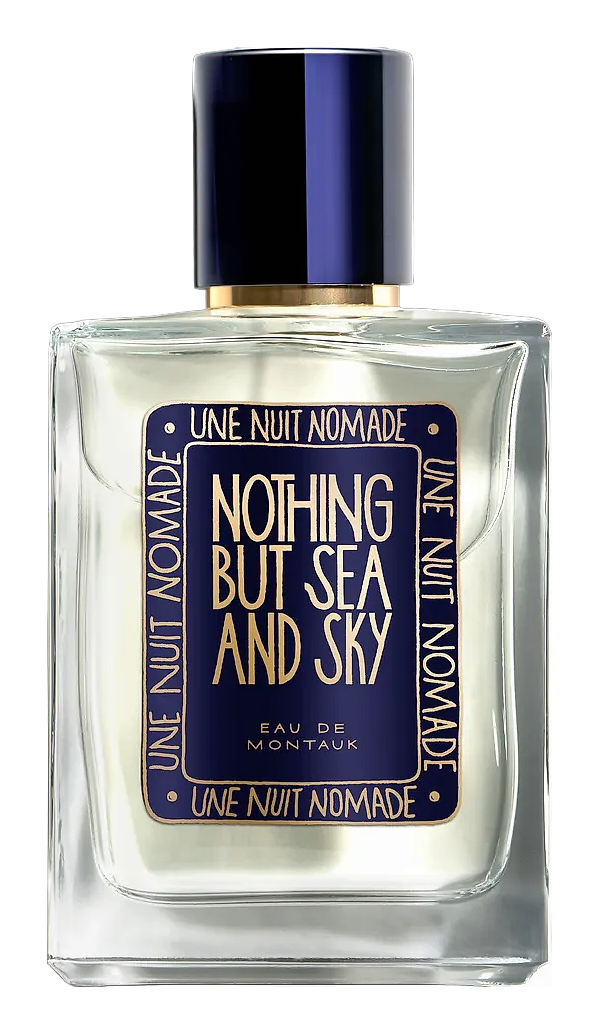
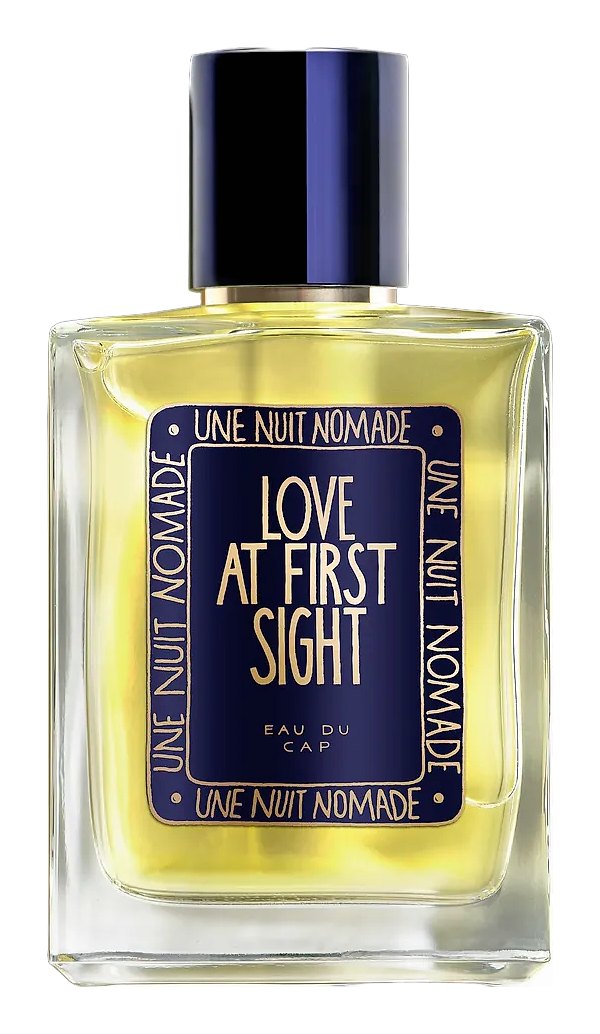
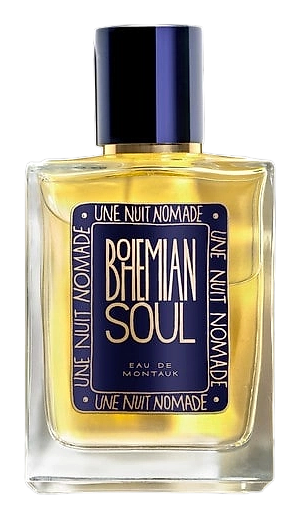
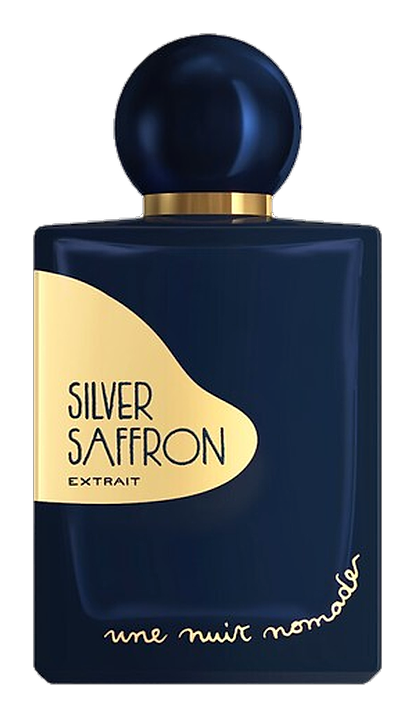
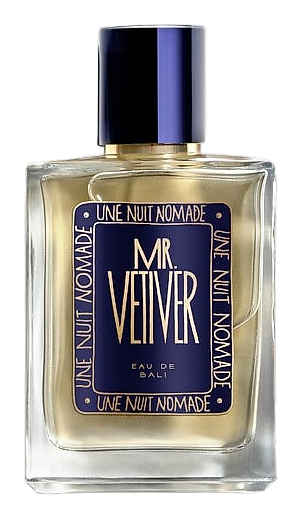
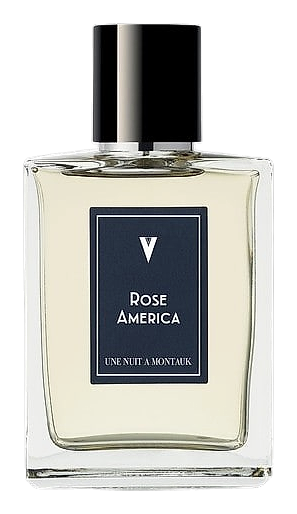
Une Nuit NomadeUne Nuit Nomade is a Parisian niche fragrance house that translates the romance of travel into liquid form. Founded by Philippe Solas and Alexandra Cubizolles, the brand operates from Saint Germain-des-Pres and constructs each scent as a sensory passport to specific destinations, moments, and memories. The house draws its name from the concept of a wandering night, suggesting both adventure and intimacy. Solas brought a background spanning marketing, communications, and Chinese healing practices before entering fragrance, while Cubizolles contributed complementary expertise that enabled the pair to build something independent in an industry often dominated by large houses. Their catalog spans over a dozen compositions released between 2015 and 2025, each named after places or evocative travel moments rather than conventional olfactory categories. The brand presents itself as artistic perfumery that embodies elegance and adventure simultaneously, creating fragrances meant to transport wearers across continents without leaving their skin.
The Creator
Nathalie FeisthauerIn the studio Feisthauer favors a linear approach: she isolates a core accord, then builds outward with complementary facets. She often begins with a mineral or green element, adding depth through woods, resins, or subtle spices.