Styrax
Styrax is a balsamic resin with deep vanilla, warm spice, and leathery facets. Harvested from trees of the Styrax genus, it anchors oriental and chypre compositions as both a rich aromatic and a natural fixative.
Character
How it smells
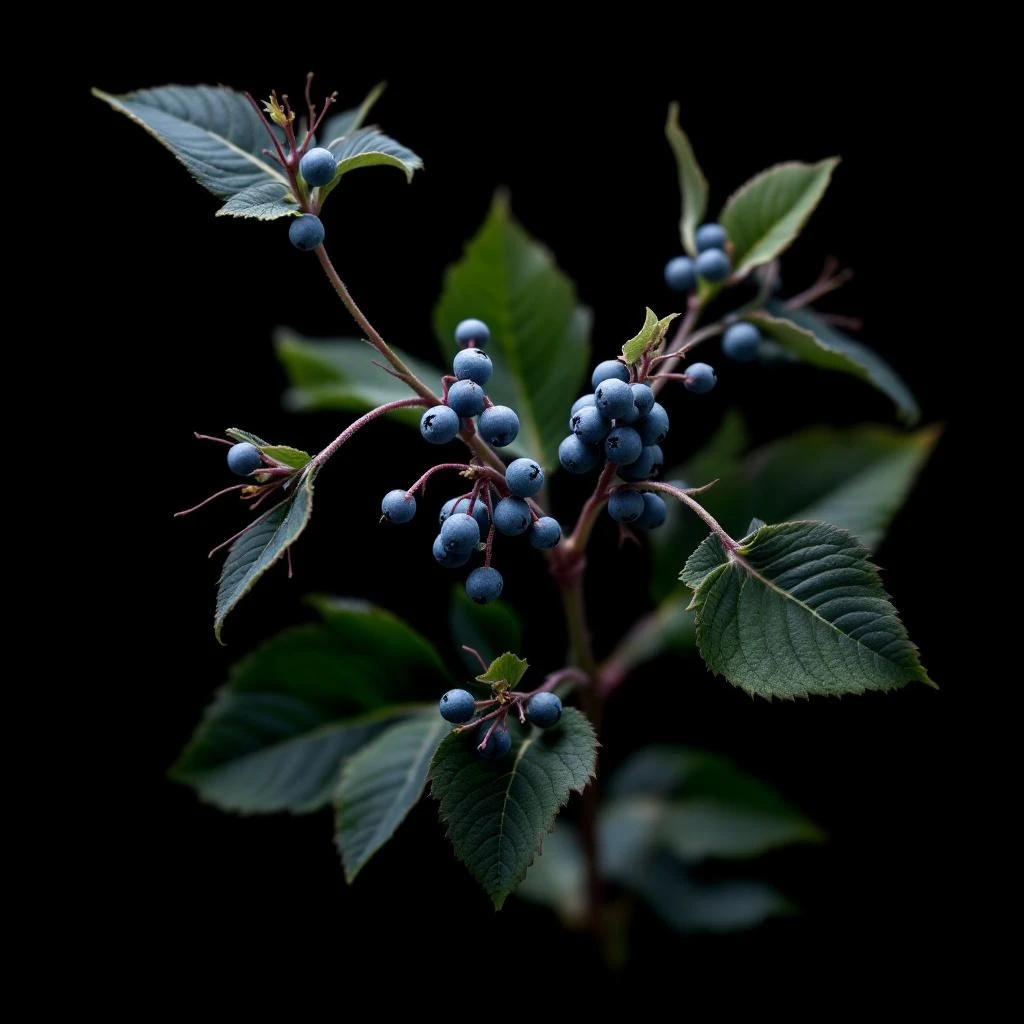
Amber resin with a vanilla heart.
Arab traders once called benzoin "frankincense of Java," reflecting its prized status along ancient spice routes.








Origin
Laos
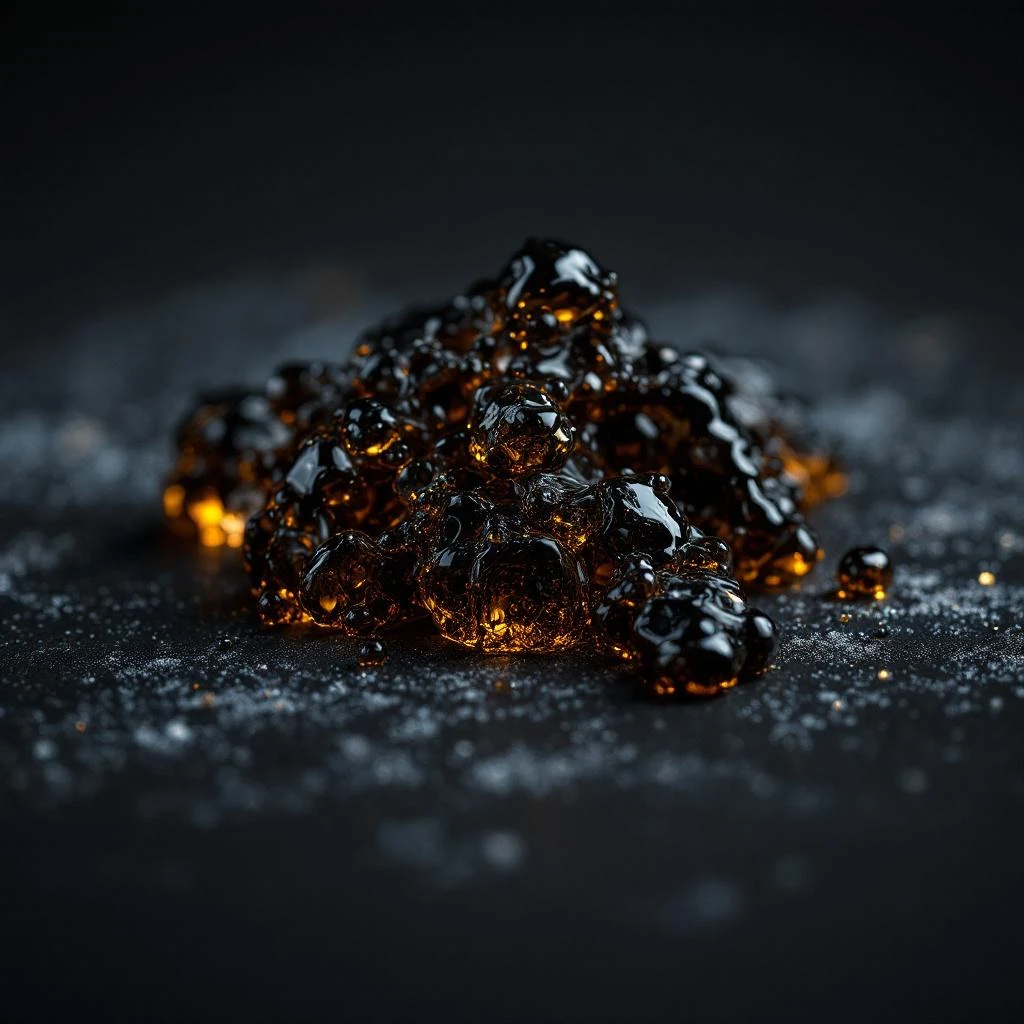
Styrax resin carries one of the longest commercial histories in perfumery, with extraction documented in ancient Egypt and classical Greece. The substance traveled the Silk Road and maritime trade routes, reaching Europe through Arab intermediaries. By the 14th century, Arab traders referred to benzoin as "frankincense of Java," underscoring its luxury status.
European Renaissance perfumers burned it as incense and incorporated it into pomanders, the scented balls carried to mask urban odors. The Portuguese physician Garcia de Orta catalogued benzoin scientifically in 1853 during his studies of Asian medicinal plants. In 1894, French explorer Auguste Ponsot observed Armenian households burning styrax as both fragrance and air disinfectant, a tradition rooted in centuries of folk practice.
Victorian and Edwardian cosmetic formularies listed benzoin as a standard ingredient for skin balms and ceremonial incense. Today, Laos remains a primary source for Siam benzoin, while Sumatra produces the harder Sumatra grade. The resin continues to anchor oriental fragrances, bridging ancient ritual use and modern perfumery.
Wears it best
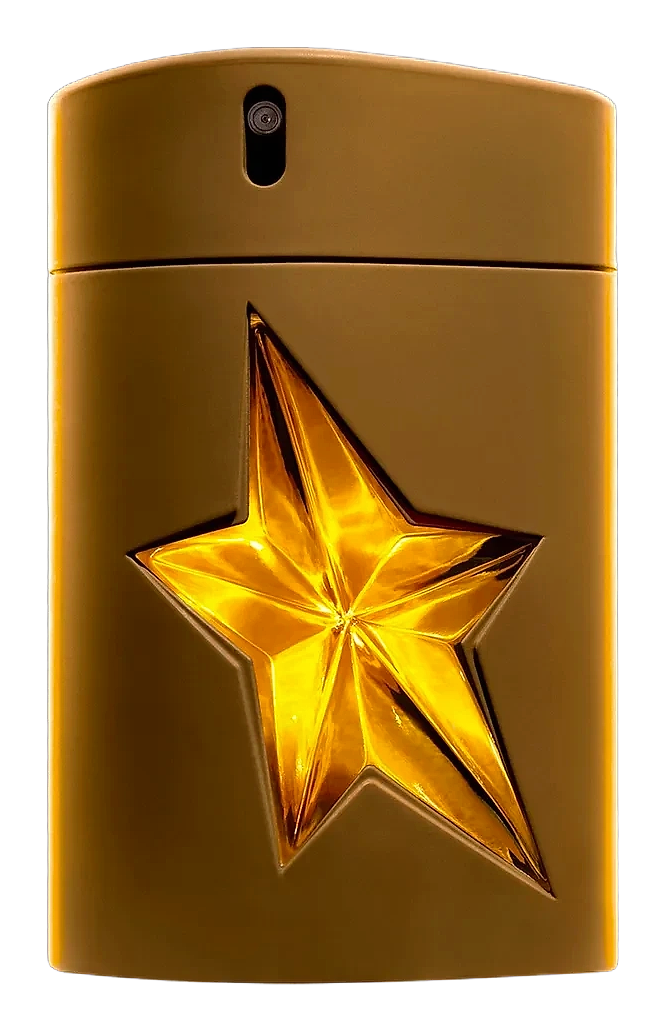
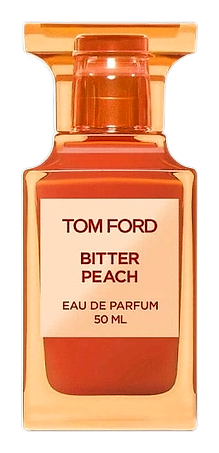
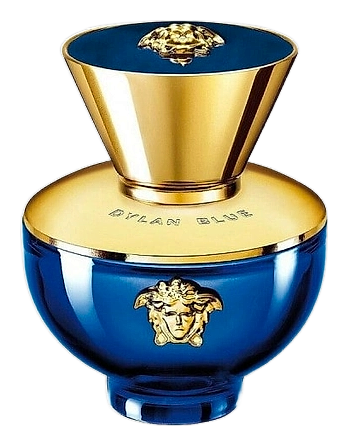
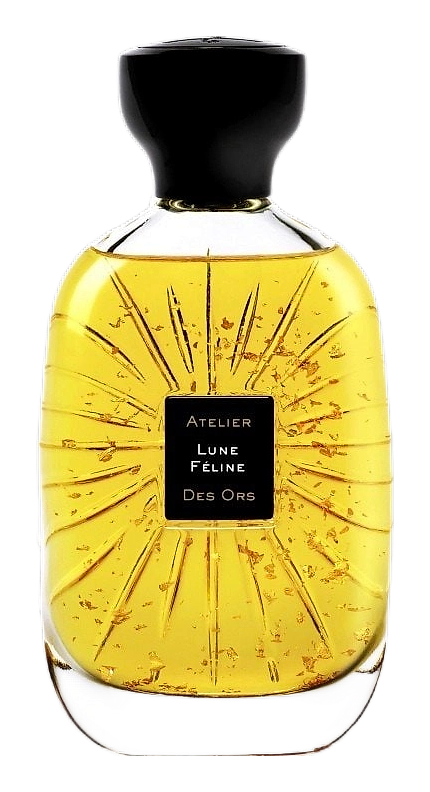
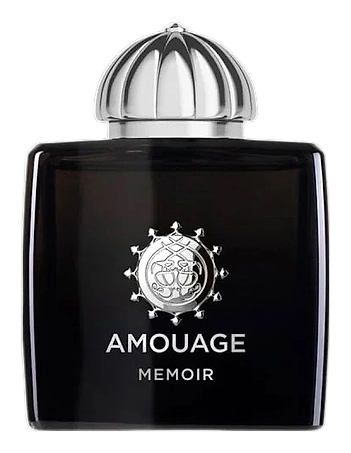
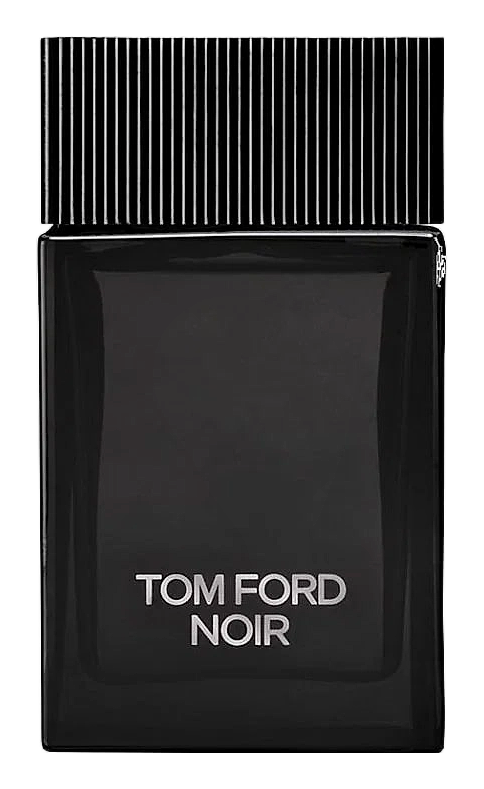
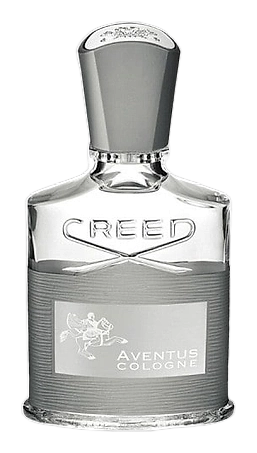
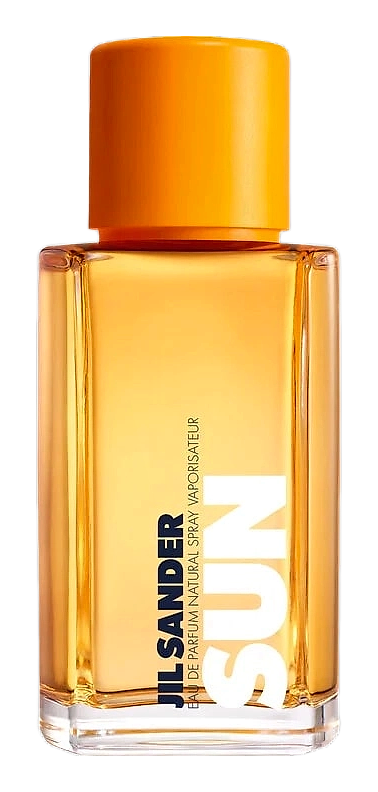
Fragrances featuring Styrax
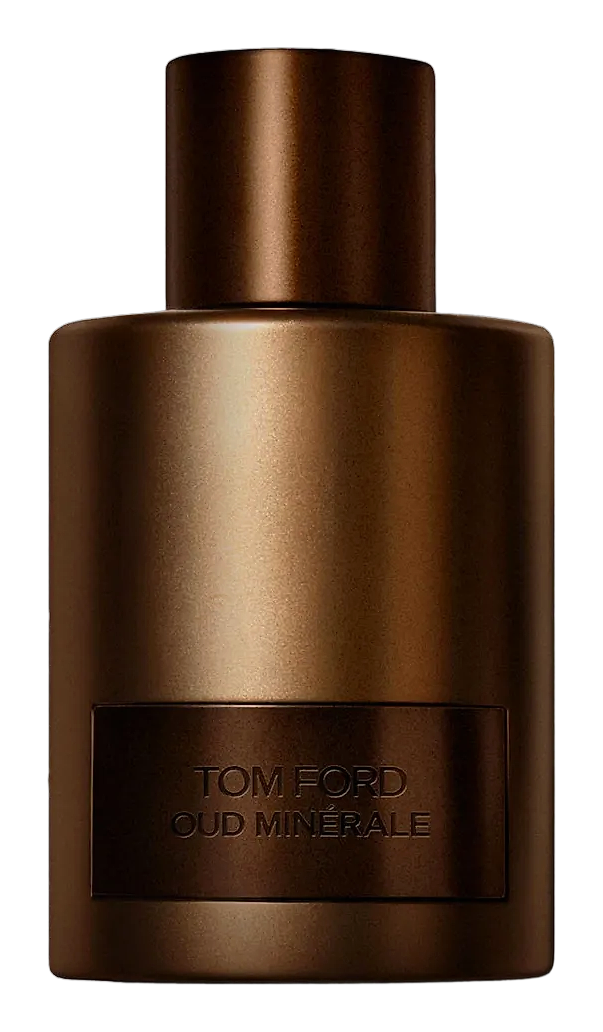
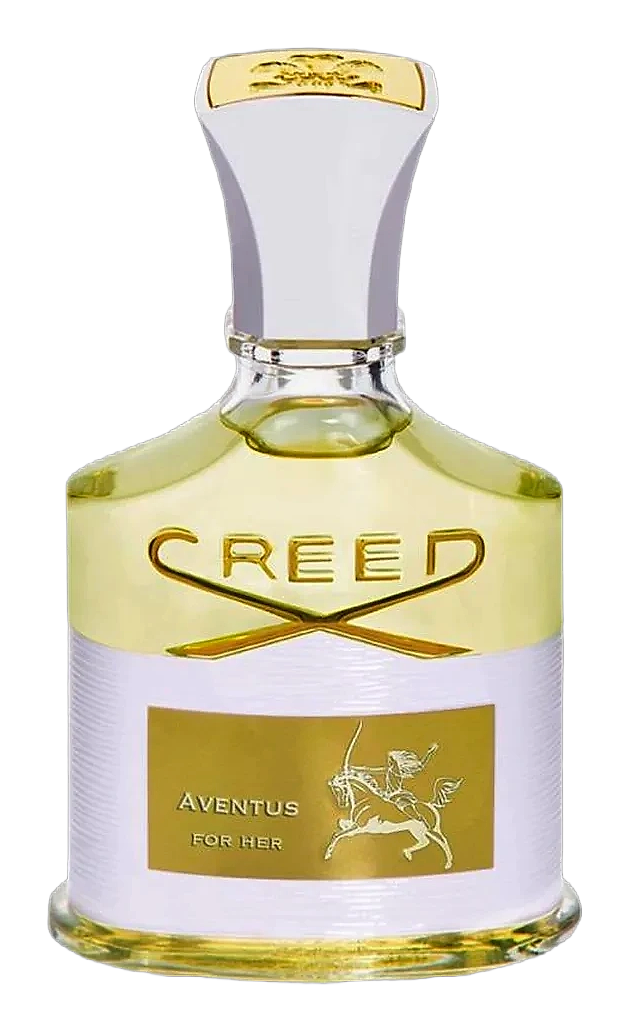
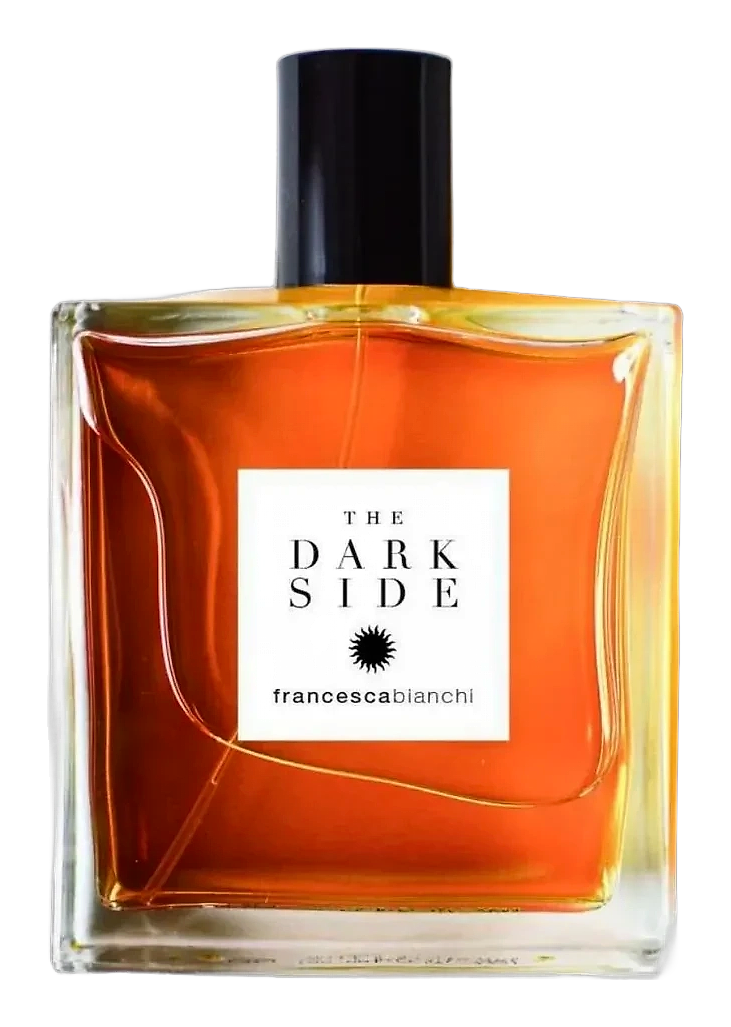
Brands
Brands known for Styrax
Good to know
Questions, answered
The essentials on Styrax in perfumery: how it smells, where it comes from, and how it behaves on skin.
What does styrax smell like in perfume?
Styrax smells balsamic and warm, with vanilla-like sweetness, cinnamon-spiced undertones, and a subtle leathery depth. It blends especially well with florals and woods, lending oriental compositions their characteristic richness and longevity on skin.
Is styrax the same as benzoin?
Styrax and benzoin are closely related but distinct. Benzoin refers specifically to resin from Styrax benzoin and Styrax tonkinensis trees, while "styrax" also describes resin from other Styrax species like Styrax officinalis, which yields a different aromatic profile.
Where is styrax resin harvested today?
Most styrax resin, particularly Siam benzoin from Styrax tonkinensis, is harvested in Laos and Vietnam. Sumatra benzoin comes from Styrax benzoin trees in Indonesia. Both regions produce distinct grades valued by perfumers.
Why is styrax used as a fixative in fragrance?
Styrax resin contains heavy molecules like cinnamic acid and vanillin that evaporate slowly. When blended into a perfume formula, these compounds anchor lighter top and heart notes, extending overall wear time and adding lasting depth.
How is styrax resin extracted from trees?
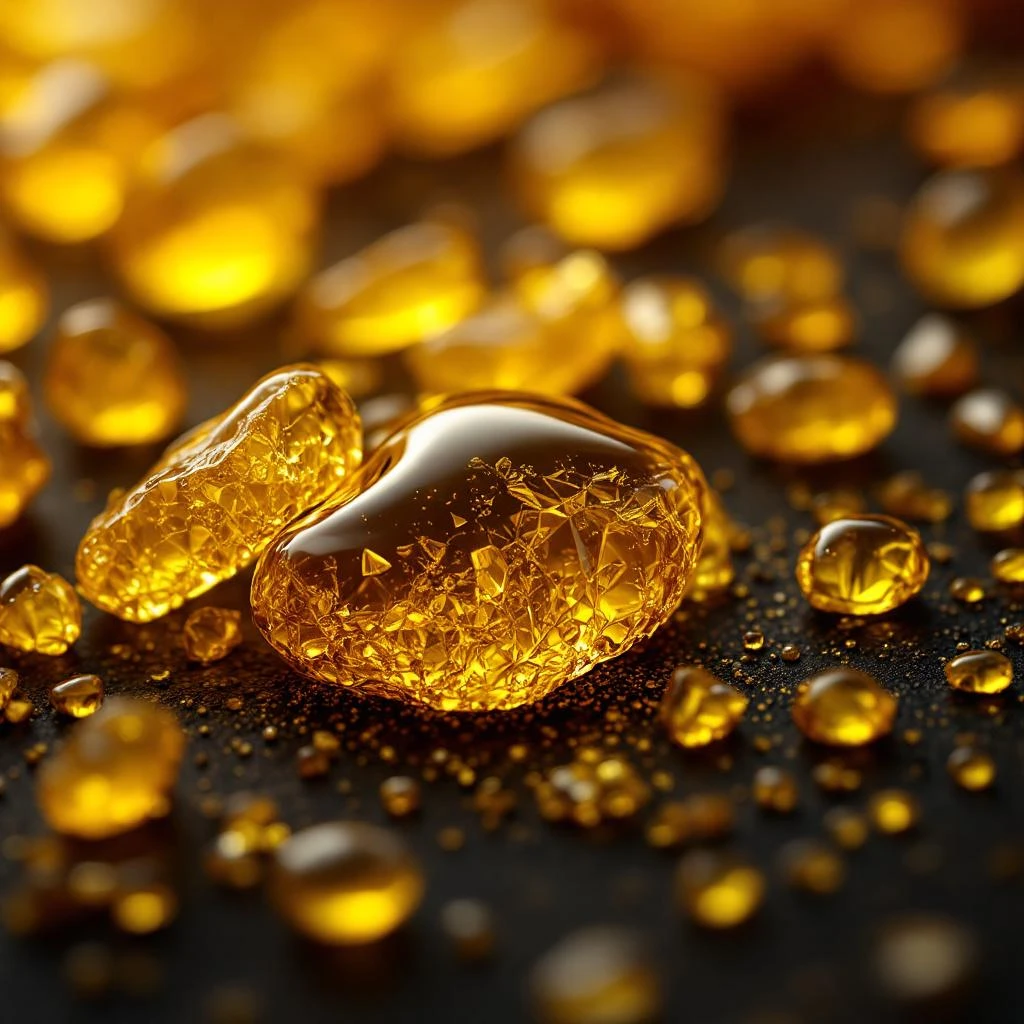
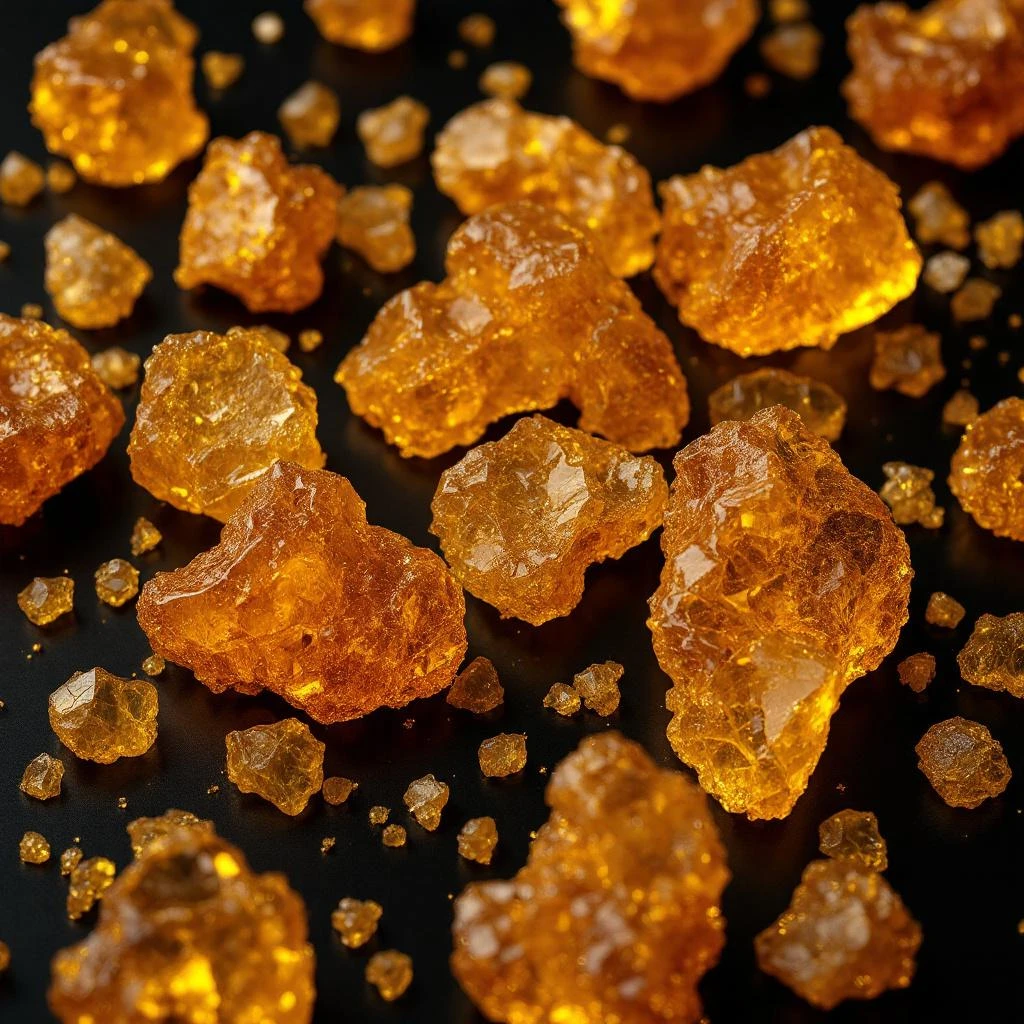
Harvesters cut V-shaped wounds into the bark of mature Styrax trees. The exposed sap oozes out and hardens into amber tears over several weeks. Workers then collect these resin tears by hand for further processing.
What is the difference between styrax resinoid and styrax essential oil?
Styrax resinoid is produced through solvent extraction, yielding a thick, dark concentrate rich in heavier aromatic compounds. Steam distillation produces a lighter essential oil with a cleaner, more volatile profile suitable for fine perfumery.
When was styrax first used in perfumery?
Styrax has documented use dating to ancient Egypt and classical Greece, where it was traded as incense and medicine. Arab traders spread it along Silk Road routes, and by the Middle Ages it had become a staple in European perfumery.
Is styrax considered a natural or synthetic ingredient?
Styrax is a natural ingredient, derived directly from tree resin. No synthetic equivalent fully replicates its complex aroma, though individual compounds like styrone are sometimes used in fragrance chemistry to approximate certain facets.