Broom
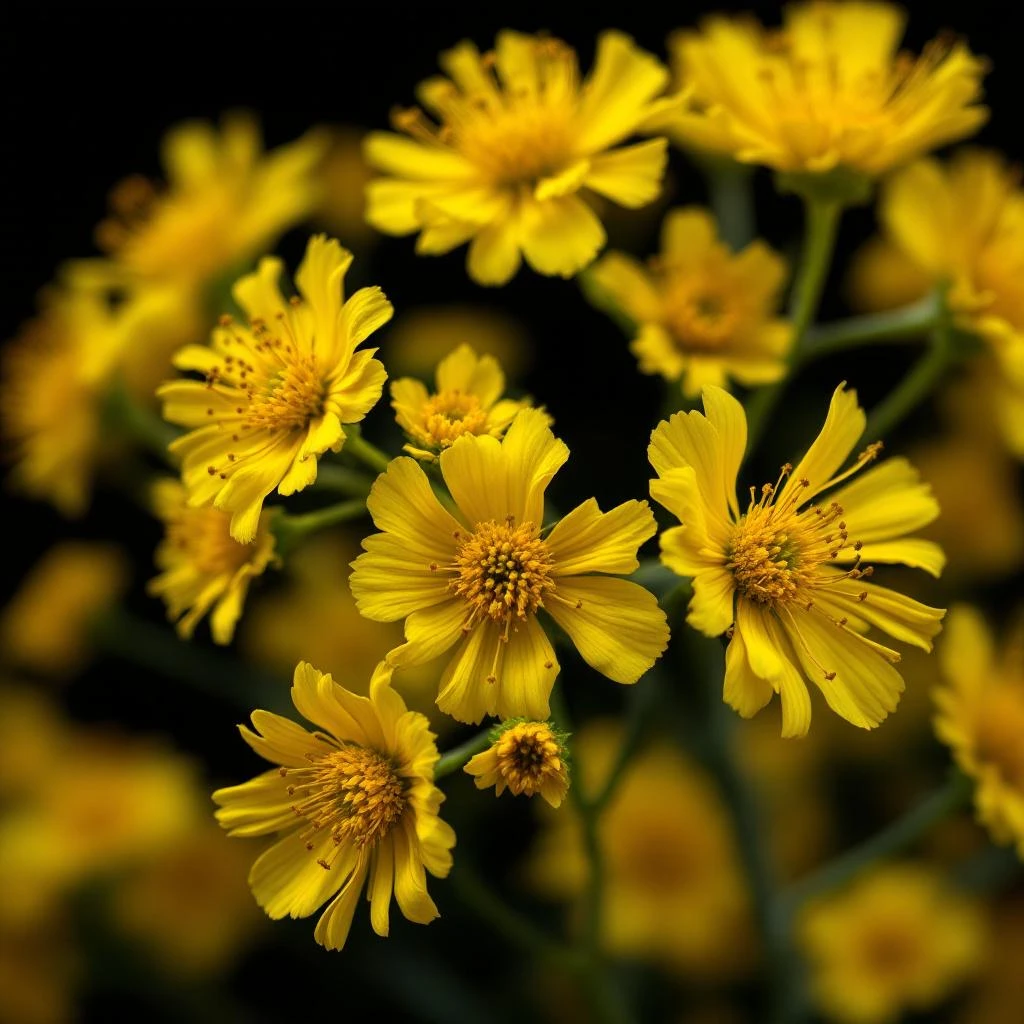
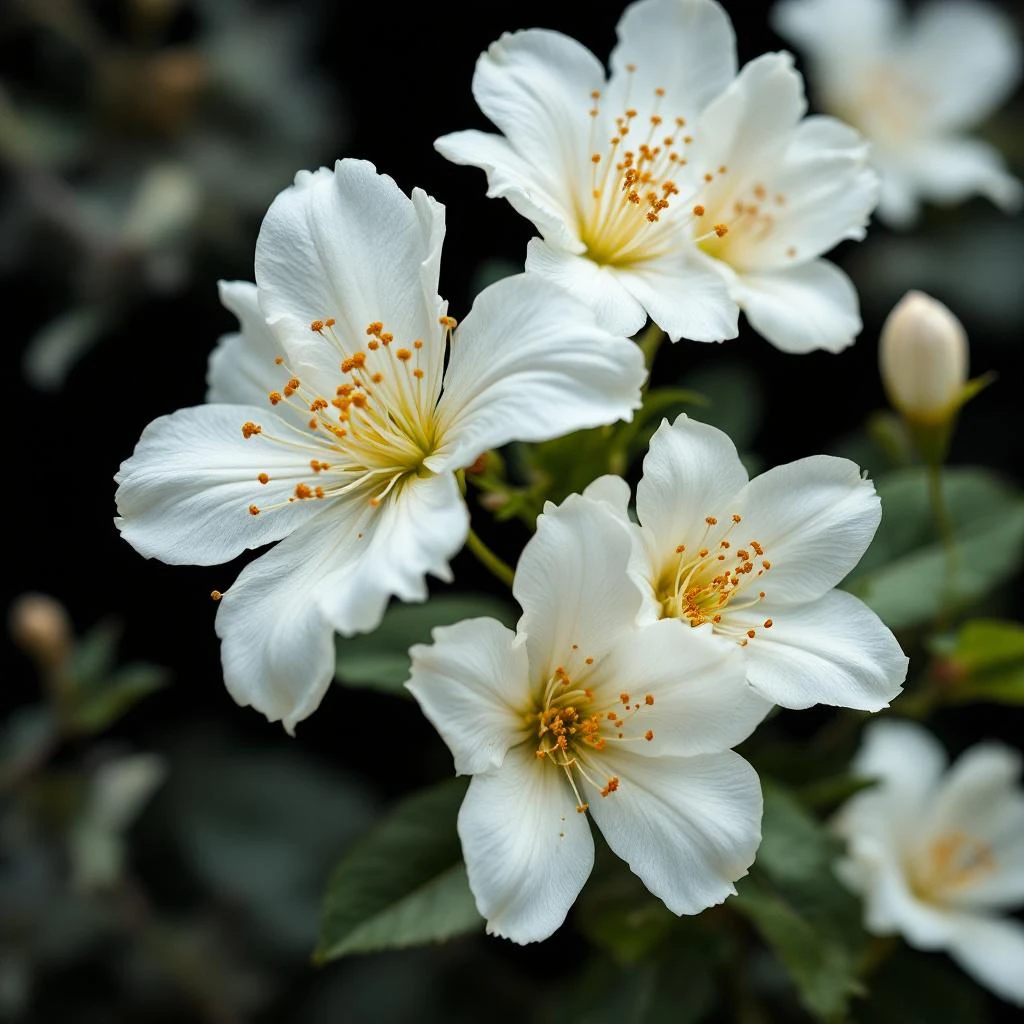
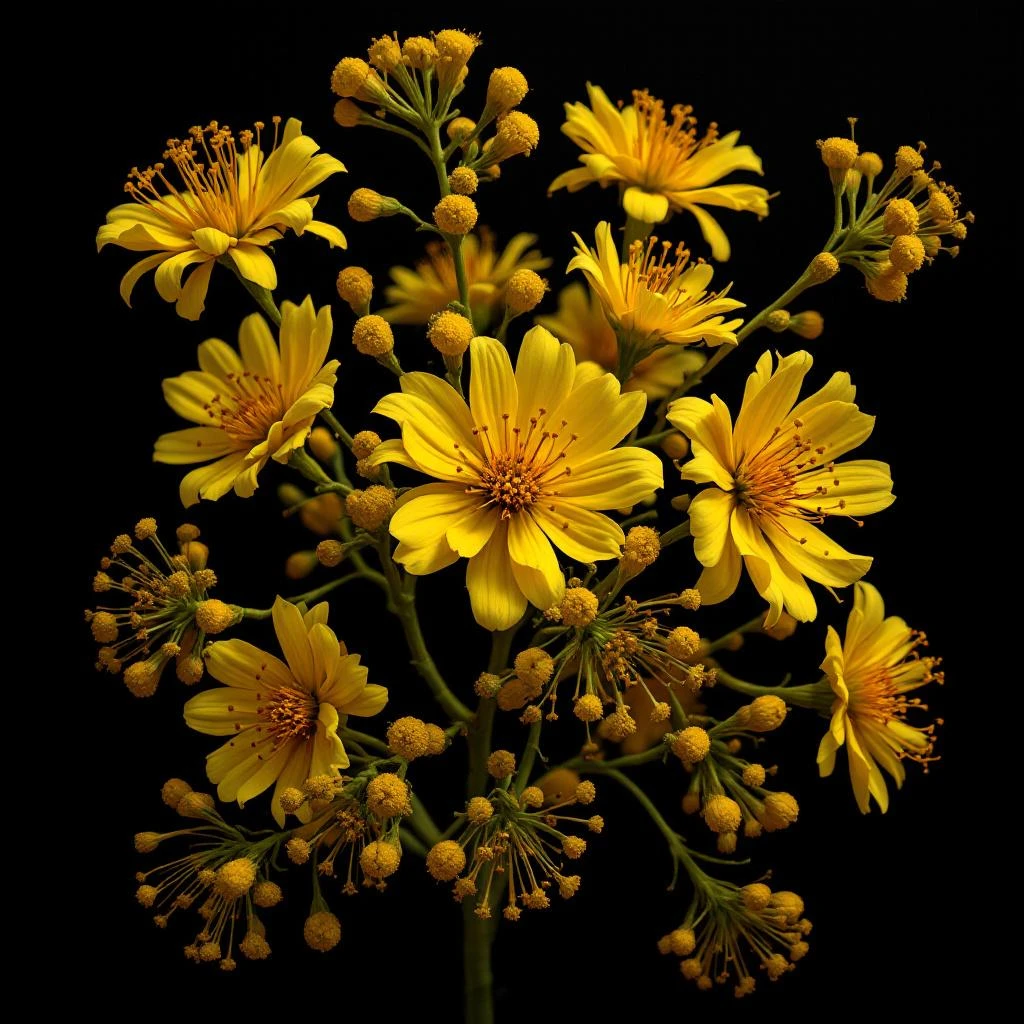
Broom absolute captures the sun-warmed sweetness of Genêt flowers, yielding a honeyed, hay-like aroma with subtle green undertones prized in classical perfumery.
Character
How it smells
Sunlit hay wrapped in golden honey
It takes over 10,000 freshly picked broom flowers to produce just one kilogram of concrete, making broom absolute one of the most labor-intensive naturals in perfumery.







Origin
France
Broom, known in French as Genêt, carries deep historical roots in European folk tradition, where its vivid yellow flowers symbolized both abundance and protection. The plant's botanical name Cytisus derives from the Greek word for clover, though its place in perfumery owes more to the Grasse leather industries of the 19th century than to ancient temples or royal courts.
During the 1800s, broom absolute found a niche role in masking the strong odors of tanned leather, gradually earning recognition from perfumers who appreciated its sweet, hay-like warmth. By the early 20th century, classical perfumers began using broom as a modifier in floral compositions, pairing it with rose, mimosa, and neroli to add depth and a sunlit golden character.
Beyond perfumery, broom held a place in traditional folk medicine as a diuretic and cleansing herb. Today it remains a relatively rare and quietly valuable ingredient, appearing in artisan and heritage fragrances that celebrate the older European palette of natural florals.
Wears it best
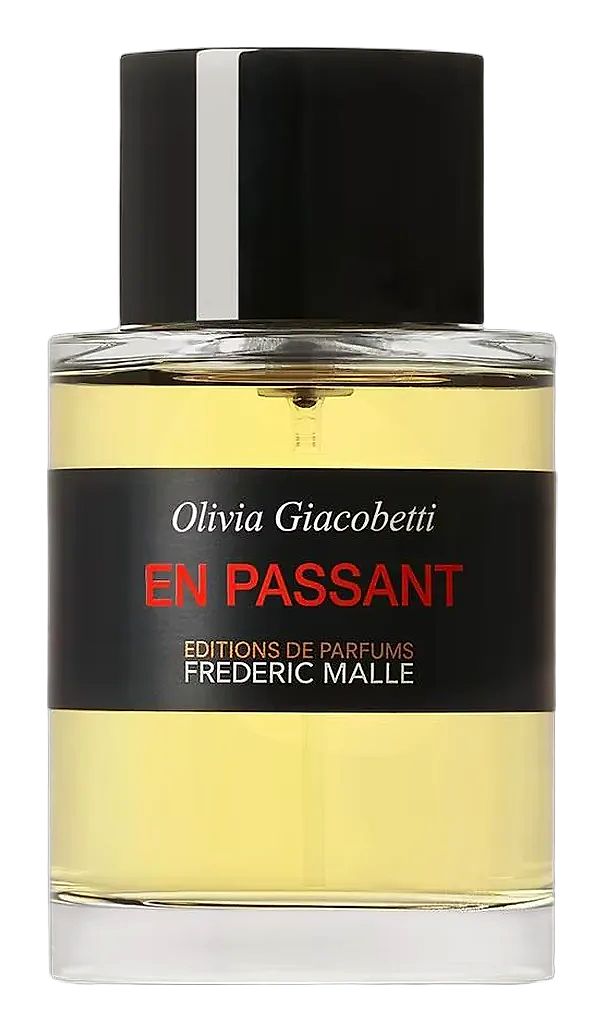
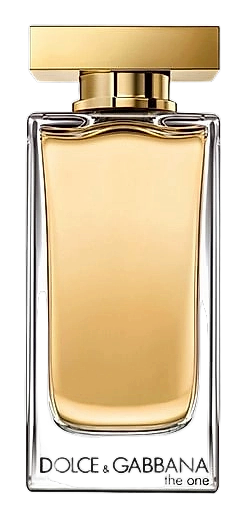
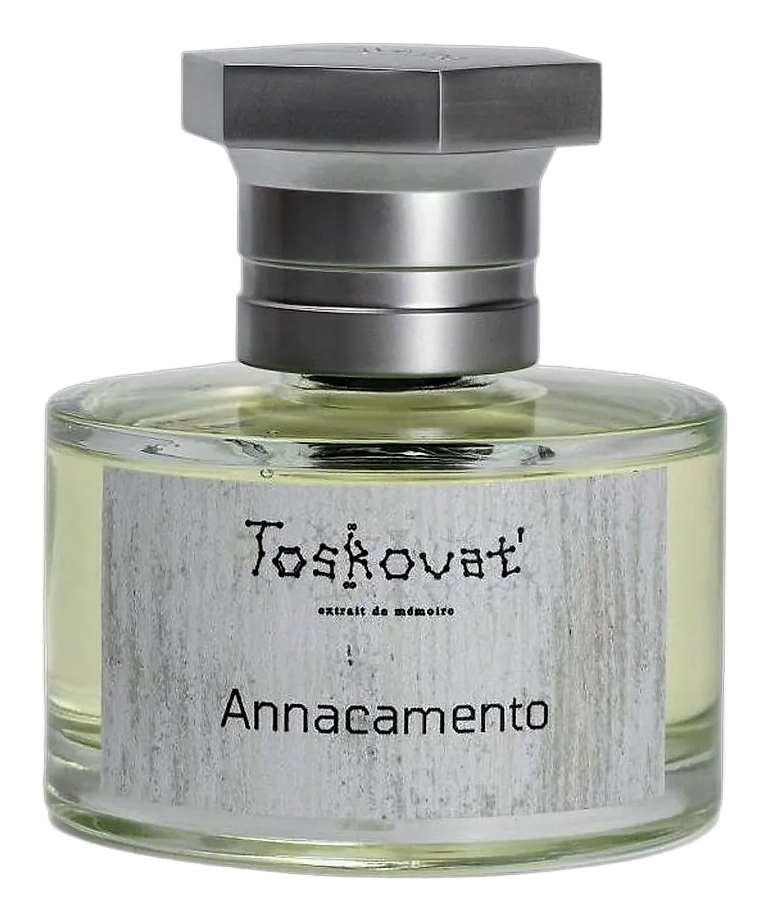
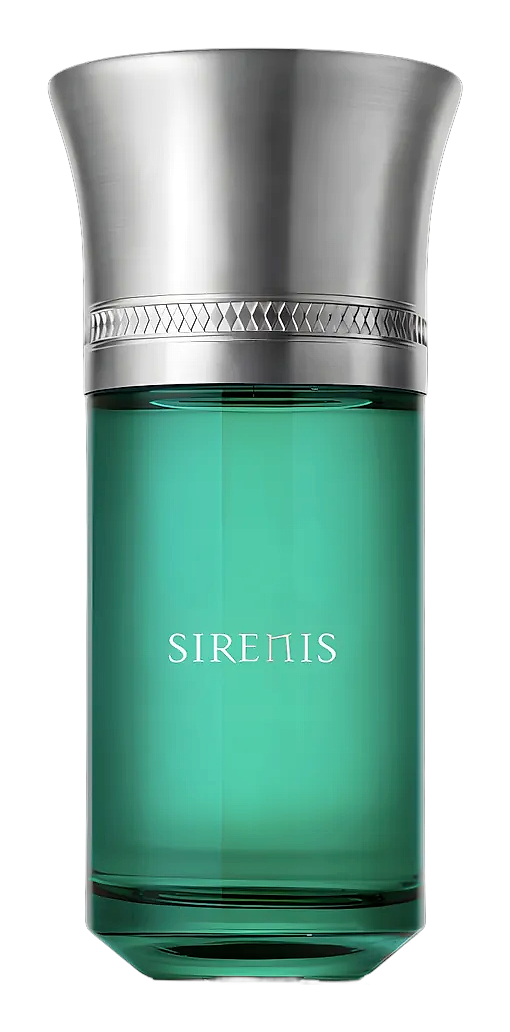
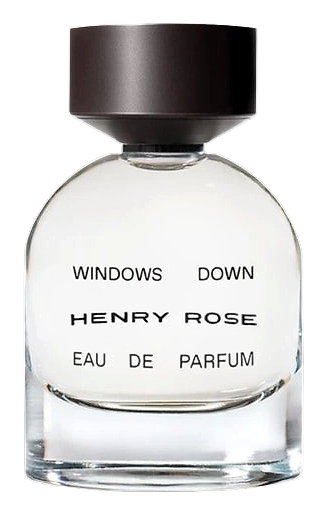
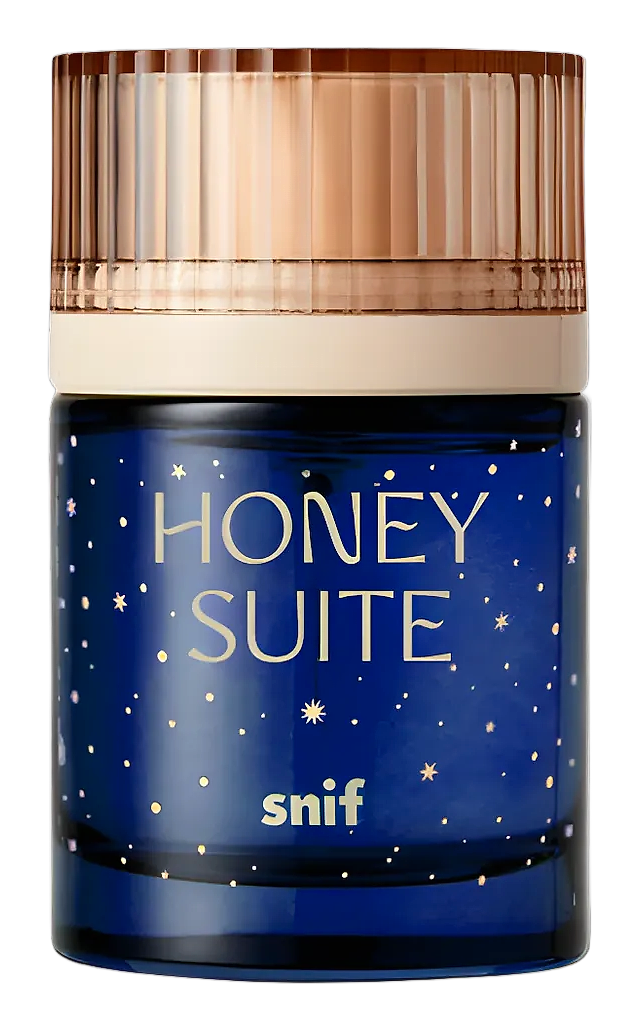
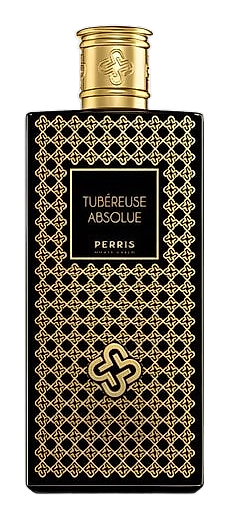
Fragrances featuring Broom



Brands
Brands known for Broom
Good to know
Questions, answered
The essentials on Broom in perfumery: how it smells, where it comes from, and how it behaves on skin.
What does broom smell like in perfume?
Broom absolute smells like warm hay drizzled with honey, carrying soft green undertones and a gentle floral sweetness. Its aroma evokes sunlit meadows and pairs naturally with mimosa and neroli.
Is broom a common fragrance ingredient?
Broom remains relatively uncommon in modern perfumery due to its labor-intensive harvest. It appears mostly in artisan, heritage, and classical-style compositions that celebrate traditional European naturals.
Why is broom so expensive?
Broom requires over 10,000 hand-picked flowers per kilogram of concrete, and harvesting happens within a narrow window each spring. This extreme labor demand, combined with low yields, keeps supply limited.
Where is broom absolute produced?
Natural broom absolute is primarily produced in the Grasse region of Southern France, with secondary production in parts of Italy. Both regions maintain traditional extraction expertise dating back to the 19th century.
How is broom absolute extracted?
Broom flowers undergo solvent extraction to create a waxy concrete, which is then washed with ethanol to yield the pure absolute. Steam distillation is unsuitable because the delicate floral molecules degrade under heat.
What is the botanical source of broom?
Broom perfume comes from Cytisus scoparius and related Genêt species. The bright yellow flowers are the only part used, harvested at full bloom when aromatic oil concentration peaks.
Does broom have any medicinal uses?
Broom has documented diuretic properties in traditional folk medicine and was historically used as a cleansing herb. Its perfumery application, however, developed separately from its medicinal history.
Which perfumes famously feature broom?
Broom has appeared in heritage compositions and classical French perfumery since the late 1800s. Specific modern references remain limited, though several niche houses still feature it in floral-oriental or green-floral builds.