The Story
Why it exists.
The beginning
Delphine Jelk harbored a creative vision for years before bringing Tobacco Honey to life: merging honey as a rich, enveloping nectar with tobacco's distinctive dried-leaf character. These two materials, each commanding attention on their own, presented an intriguing challenge in combination. The house's approach allowed Jelk to explore this duality without rushing toward resolution, treating the interplay between sweet and dry as the composition's central tension rather than a problem to solve.
The note selection reflects a specific philosophy about balance. Honey demands contrast or it becomes overwhelming; clove and star anise provide that counterpoint through their spiced, slightly medicinal quality. Sesame bridges the heart's gourmand and aromatic elements, adding textural interest rather than simply reinforcing sweetness. The oud and sandalwood pairing in the drydown ensures the fragrance ends with wood rather than sugar, a deliberate choice that keeps Tobacco Honey from becoming merely edible.
The evolution
The opening burst of honey, clove, and star anise establishes a sweet-spiced register that immediately announces itself. As the top notes recede, tobacco rises to dominate the heart phase, its aromatic profile now in conversation with vanilla, tonka bean, and sesame. The progression feels natural rather than abrupt, each stage emerging organically from the last. By the time oud and sandalwood arrive in the drydown, the fragrance has traveled from golden sweetness through aromatic complexity to deep, resinous woodiness.
Cultural impact
Tobacco Honey received recognition when it was named Perfume Extraordinaire of the Year at the Fragrance Foundation Awards in 2024. This achievement reflected the fragrance's ability to stand out among the year's releases, capturing attention from industry observers and enthusiasts alike. The composition drew interest for its approach to the honey and tobacco combination, handling familiar materials in a way that felt fresh and considered.
The House
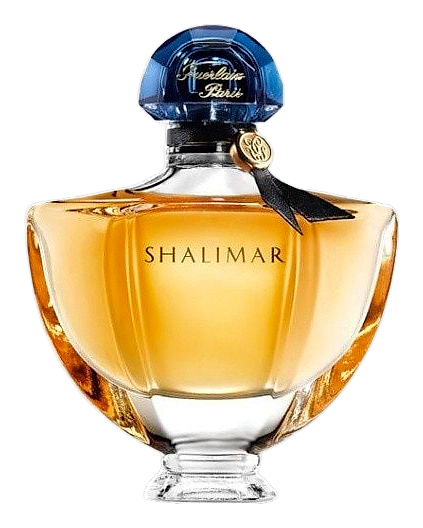
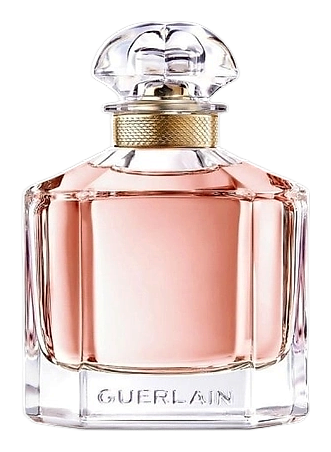
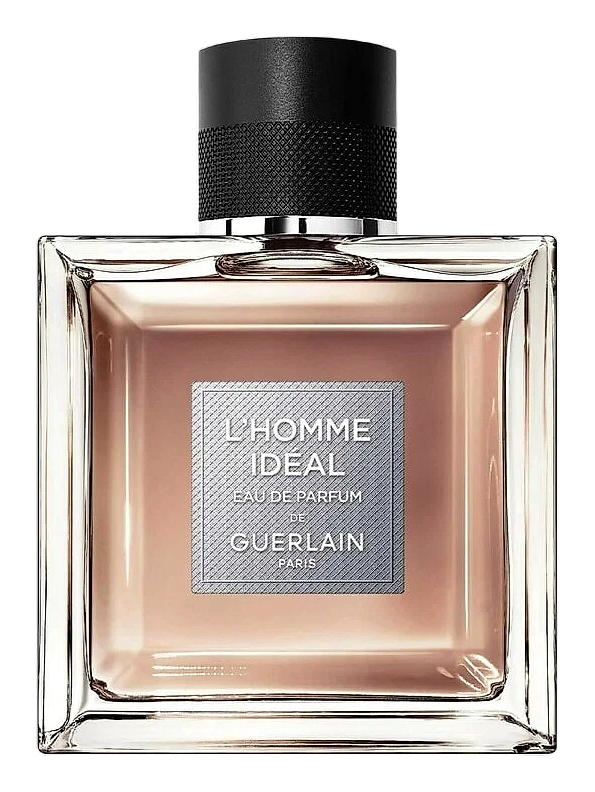
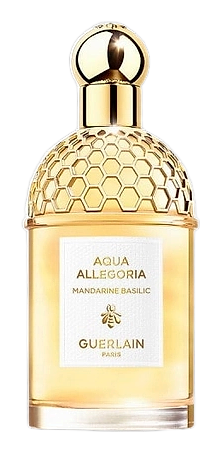
GuerlainGuerlain stands as one of the oldest and most revered perfume houses in the world, founded in Paris in 1828 by Pierre-François-Pascal Guerlain. What began as a boutique on rue de Rivoli quickly became the preferred destination for Parisian society, attracting dandies and elegant women who sought custom-crafted fragrances. The house's influence grew to such heights that Guerlain earned the title of Official Perfumer to Napoleon III after presenting Eau de Cologne Impériale to Empress Eugénie as a wedding gift in 1853. This royal patronage marked the beginning of Guerlain's enduring association with European aristocracy, as the house went on to create fragrances for Queen Victoria and Queen Isabella II of Spain. Today, under the creative direction of Thierry Wasser, the fifth-generation perfumer, Guerlain continues to shape the landscape of fine fragrance with a portfolio spanning over 1,100 olfactory creations. The house remains headquartered at its legendary Champs-Élysées mansion, a historic monument that anchors Guerlain's position at the intersection of heritage and contemporary luxury.
The Creator
Delphine JelkJelk builds compositions around contrast and tension—warm, round, and inviting, yet never soft. Her signature leans heavily on iris, musks, and powdery facets that give her work a distinctive texture, like cashmere caught in amber.