Clove
Clove distills the bold intensity of spice into a fragrance heart note. Its warm, camphorated essence anchors compositions with a lingering depth that has shaped perfumery for millennia.
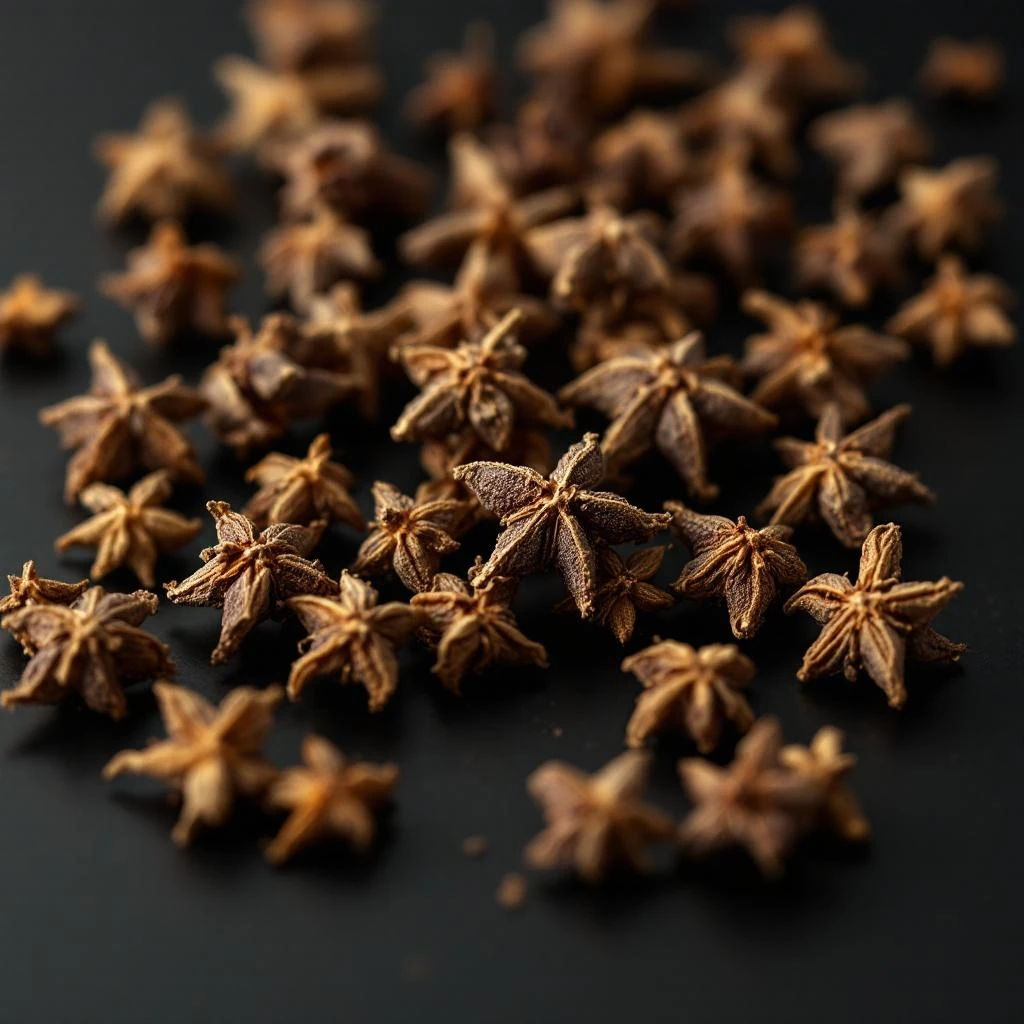
Character
How it smells
Fiery warmth from the Moluccas.
Sultans once demanded clove payment as tribute. Dutch colonizers burned clove stockpiles to control supply.







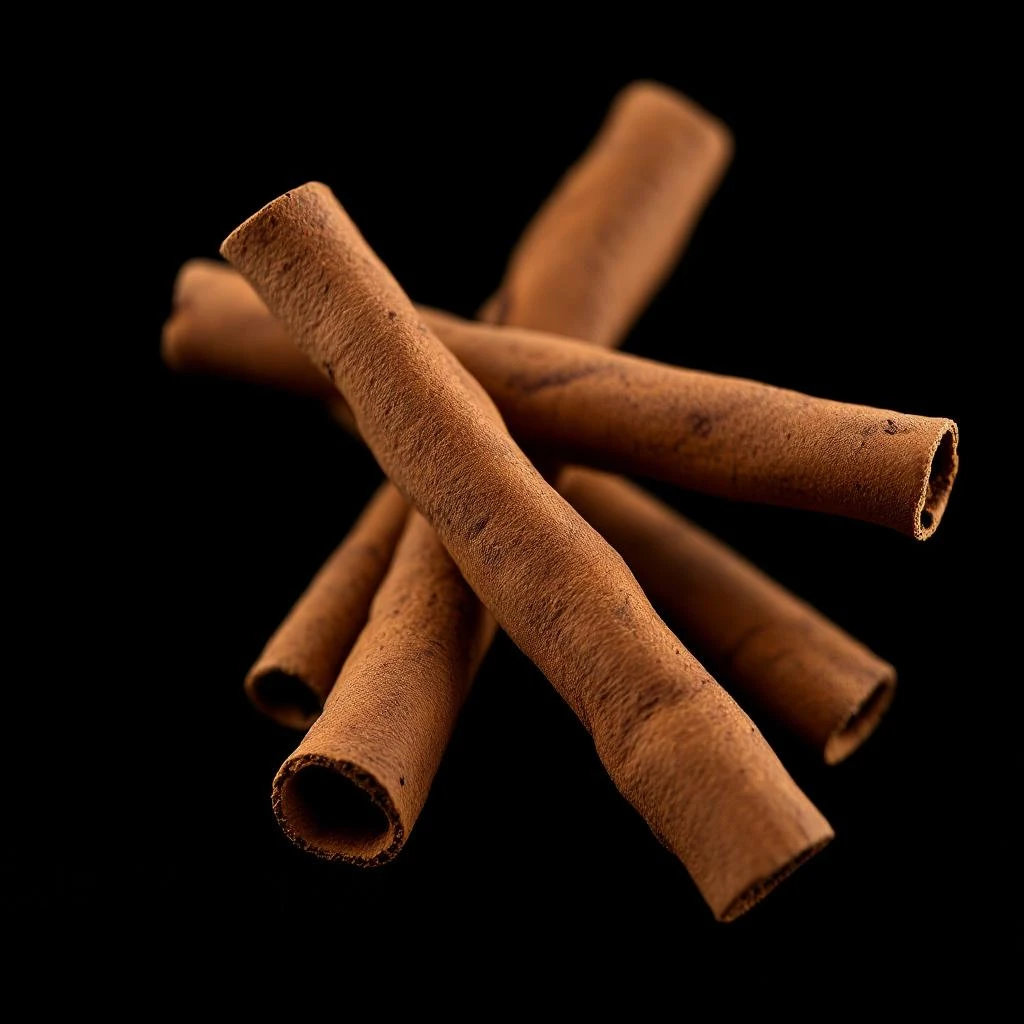

Origin
Indonesia
The clove tree emerged in the Moluccas Islands of Indonesia, a chain the world once called the Spice Islands. Archaeological evidence suggests humans valued this spice for over 2,000 years before it reached European markets. By the 16th century, clove shaped global trade routes and colonial ambitions.
Portuguese, Dutch, and British empires fought for control of clove production. The Dutch famously burned entire clove reserves to artificially inflate prices. Indonesian farmers cultivated clove alongside nutmeg and mace, creating an agricultural economy that persists today.
Modern perfumers draw on this centuries-long relationship with clove, using its warm intensity to build oriental and spicy fragrance structures that feel simultaneously ancient and contemporary.
Wears it best
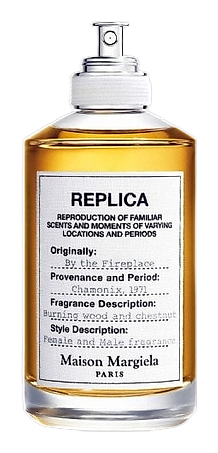
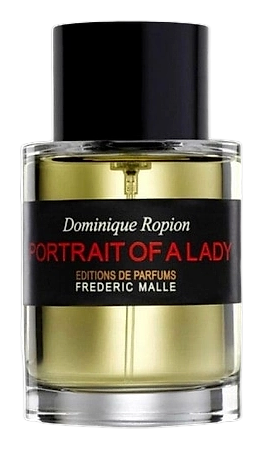
Fragrances featuring Clove




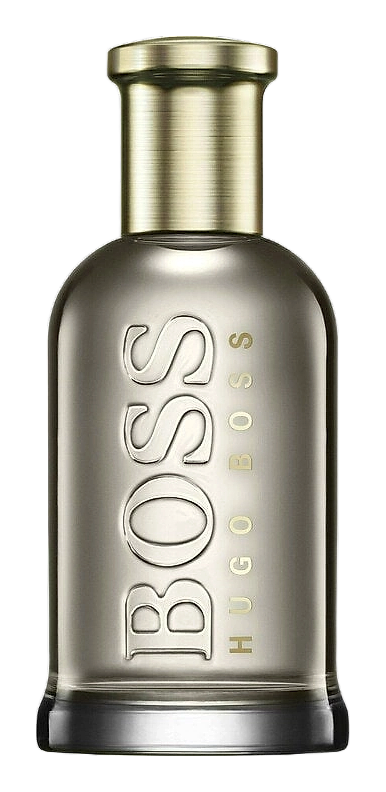
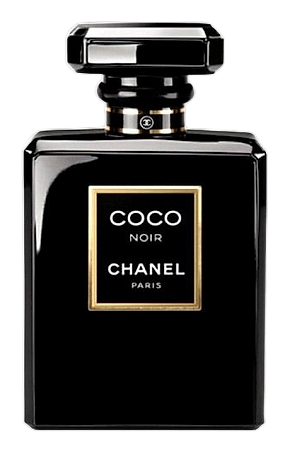
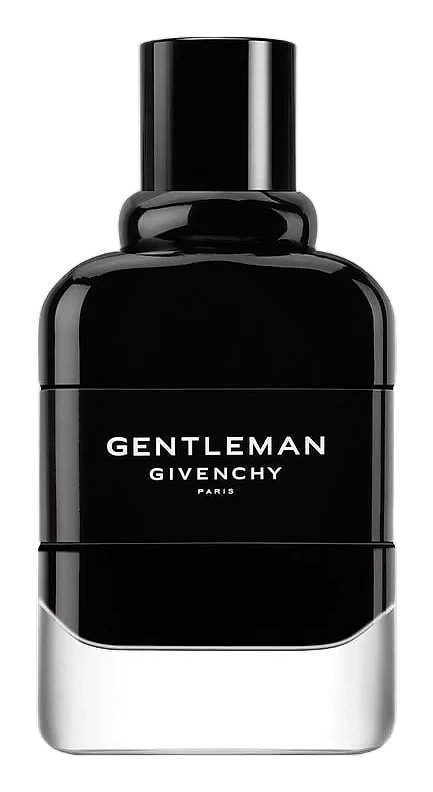

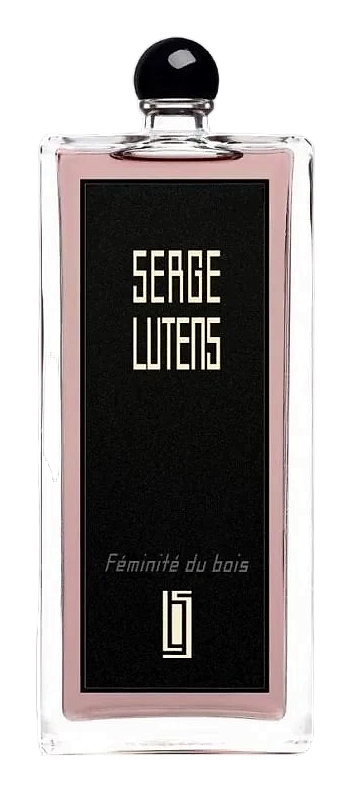

Brands
Brands known for Clove
Good to know
Questions, answered
The essentials on Clove in perfumery: how it smells, where it comes from, and how it behaves on skin.
What does clove smell like in perfume?
Clove registers as warm, spicy, and slightly sweet with a sharp, medicinal edge from eugenol. The effect is simultaneously comforting and intense, creating depth in oriental and woody fragrance families.
How do perfumers extract clove oil?
Steam distillation of dried flower buds at 100–120 degrees Celsius produces clove essential oil. The process isolates eugenol, which comprises up to 85% of the extracted oil.
Why is clove important in perfumery?
Clove provides a powerful spicy heart note that adds warmth and complexity. Its natural eugenol content also acts as an antimicrobial agent, helping preserve fragrance compositions over time.
Where does clove originate?
Clove traces back to the Moluccas Islands in Indonesia, historically called the Spice Islands. These islands remain a primary growing region for high-quality clove used in fine perfumery.
Is clove used in men's or women's fragrances?
Clove appears across gendered fragrances. It adds warmth and spice to men's orientals and colognes while contributing exotic depth to women's floral and oriental compositions.
What ingredients pair well with clove in fragrance?
Clove pairs naturally with sandalwood, vanilla, patchouli, and cinnamon. Perfumers combine these ingredients to build rich oriental and chypre structures with lasting warmth.
Does synthetic clove oil exist?
Synthetic eugenol replicates clove's primary aroma compound. However, natural clove oil retains subtle aromatic complexities that synthetic versions rarely capture fully.
What type of fragrance family uses clove?
Clove defines oriental and spicy fragrance families. It appears in modern orientals, vintage chypres, and seasonal winter warmers where its intensity adds distinctive character.