Sesame
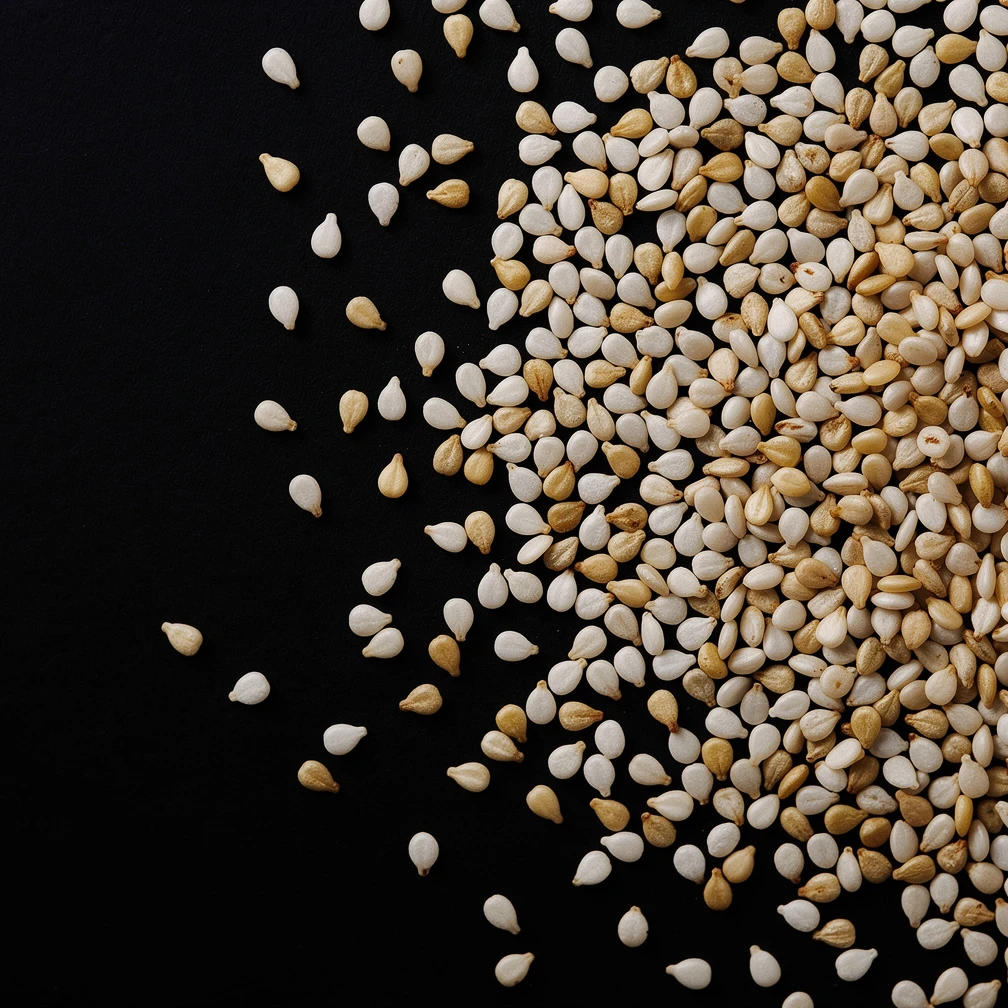
Sesame delivers a warm, nutty aroma in perfumery that evokes freshly baked bread and toasted seeds. This ancient ingredient bridges culinary and fragrance worlds with remarkable versatility.
Character
How it smells
From carrier oil to star note - sesame's perfumery evolution
Ancient Mesopotamians used sesame oil as a fixative in perfumes over 4,000 years ago, long before modern extraction techniques existed.








Origin
India
Sesame entered perfumery through ancient India and Mesopotamia, where it functioned as a carrier oil rather than a standalone fragrance note. Egyptian and Persian perfumers adopted sesame for its fixative properties, incorporating it into temple incense and ceremonial blends around 4000 BCE. For centuries, perfumes consisted mainly of natural ingredients of plant origin, and sesame fit naturally into this tradition.
As organic synthesis emerged in the 19th century, perfumers gained new tools to isolate and amplify sesame's aromatic compounds. Today, sesame occupies a prominent position in gourmand and oriental fragrance families, valued for its ability to evoke comfort, warmth, and culinary authenticity in modern compositions.
Wears it best
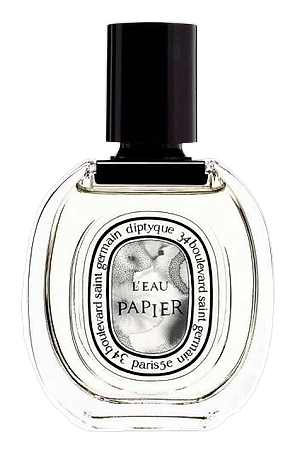
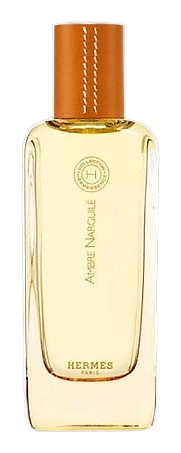
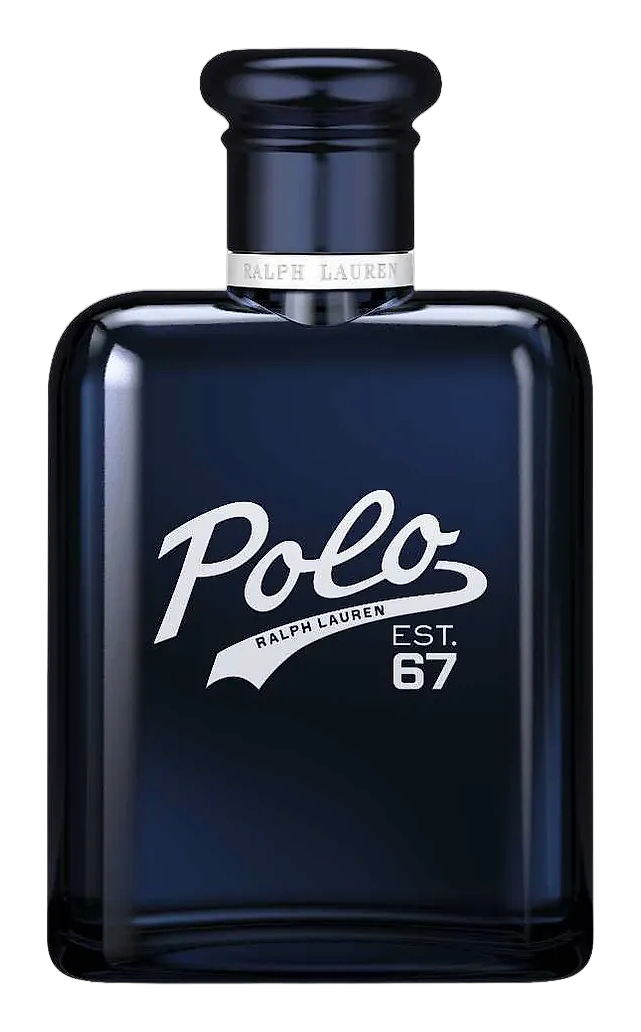
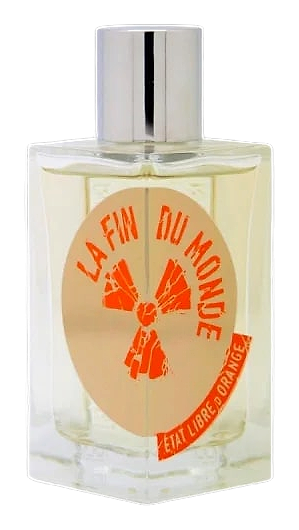
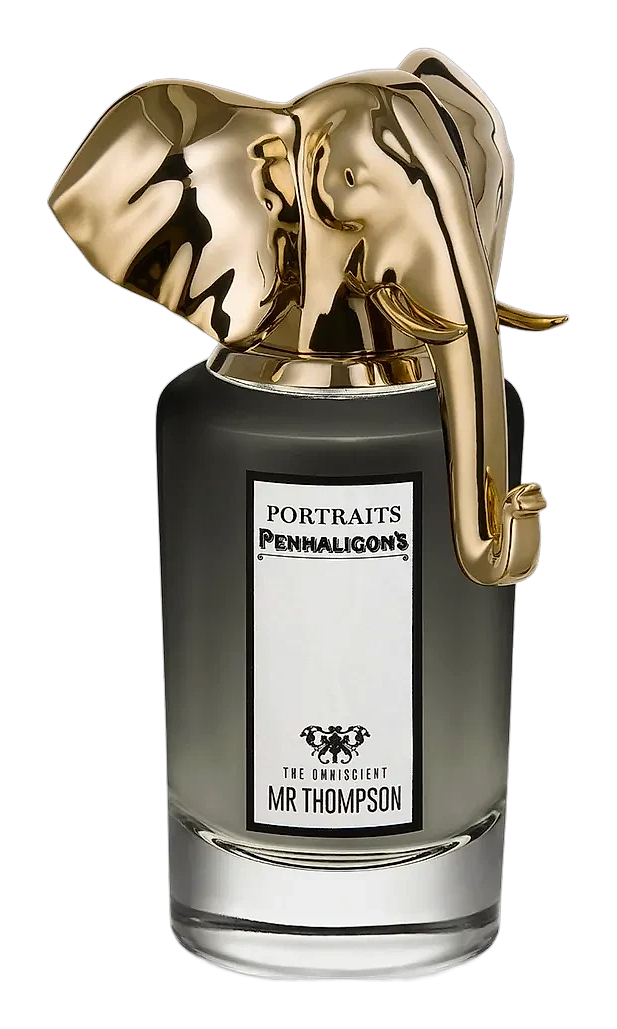
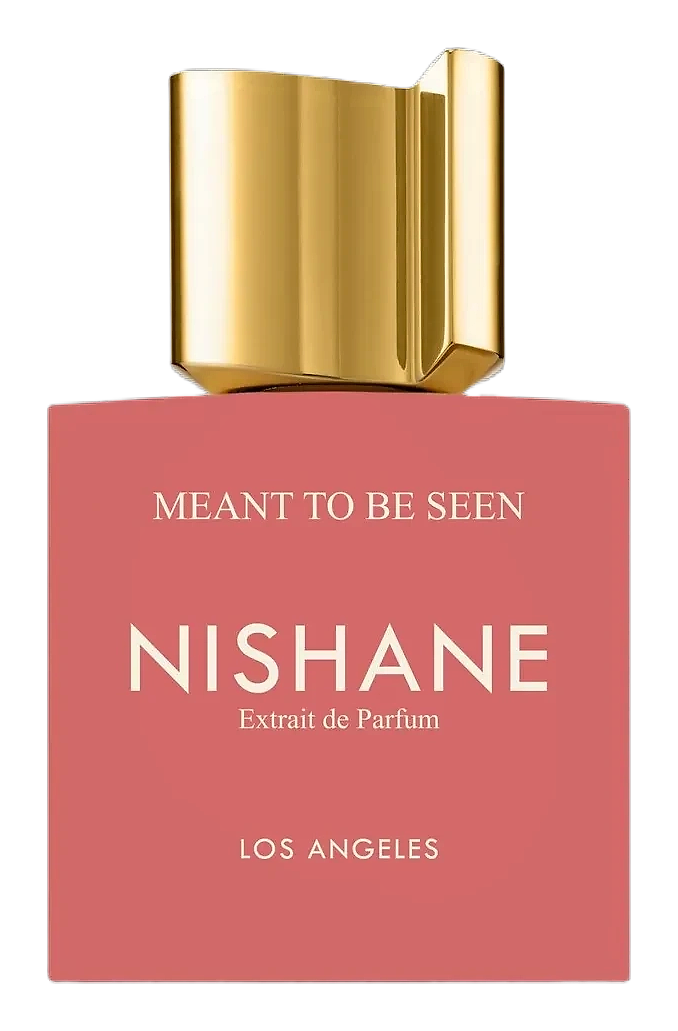
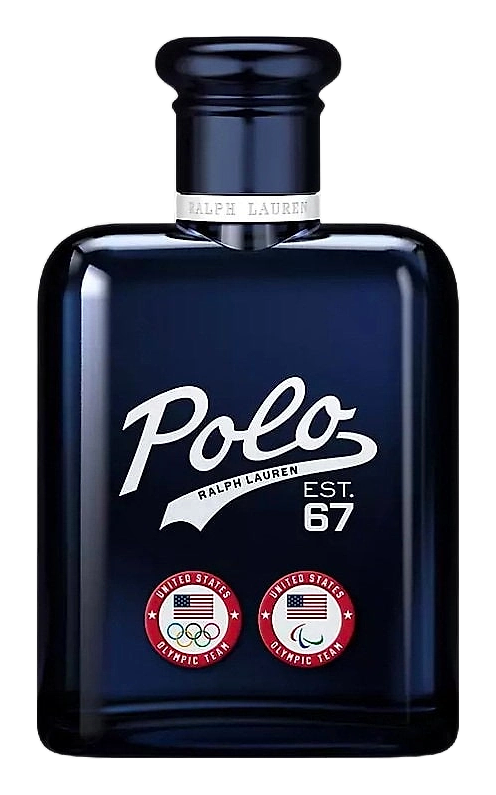
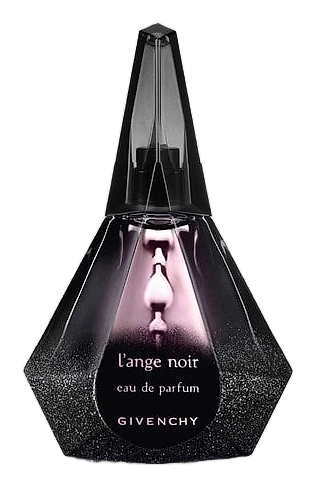
Fragrances featuring Sesame




Brands
Brands known for Sesame
Good to know
Questions, answered
The essentials on Sesame in perfumery: how it smells, where it comes from, and how it behaves on skin.
What does sesame smell like in perfume?
Sesame smells warm, nutty, and slightly toasted with buttery undertones. It evokes fresh bread and tahini, bringing an edible, comforting quality to gourmand and oriental fragrance compositions.
How is sesame oil extracted for perfumery?
Perfumery uses CO2 extraction to isolate sesame's aromatic compounds. Supercritical carbon dioxide acts as a solvent, capturing volatile molecules without the heat damage that traditional methods cause.
What role did sesame play in ancient perfumery?
Ancient Mesopotamians and Indians used sesame oil as a carrier and fixative around 4000 BCE. It diluted and stabilized fragrances while helping scents linger longer on skin and fabric.
Where does quality sesame for perfumery originate?
India remains the primary origin, cultivating sesame for thousands of years. The warm climate and well-drained soils of regions like Rajasthan and Gujarat produce seeds with exceptional aromatic concentration.
What fragrance families feature sesame?
Sesame appears most prominently in gourmand and oriental fragrances. It pairs well with vanilla, benzoin, tonka bean, and sandalwood, adding depth and edible warmth to these compositions.
Is sesame oil the same as sesame absolute?
No. Sesame oil is a cold-pressed fatty carrier oil used for dilution. Sesame absolute from CO2 extraction contains only the aromatic compounds, offering a more concentrated and true-to-nature scent.
Can sesame be created synthetically?
While synthetic substitutes exist, natural CO2-extracted sesame remains preferred for authenticity. Natural sesame provides a complex profile that lab recreation struggles to match fully.
What famous fragrances use sesame?
Sesame features in several niche and designer fragrances known for their gourmand character. It often appears alongside vanilla, caramel, and warm woods in contemporary scent development.