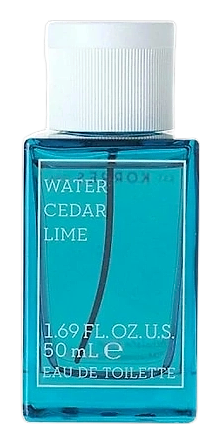
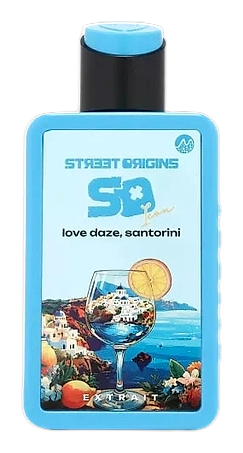
Character
The Story of Marine Notes
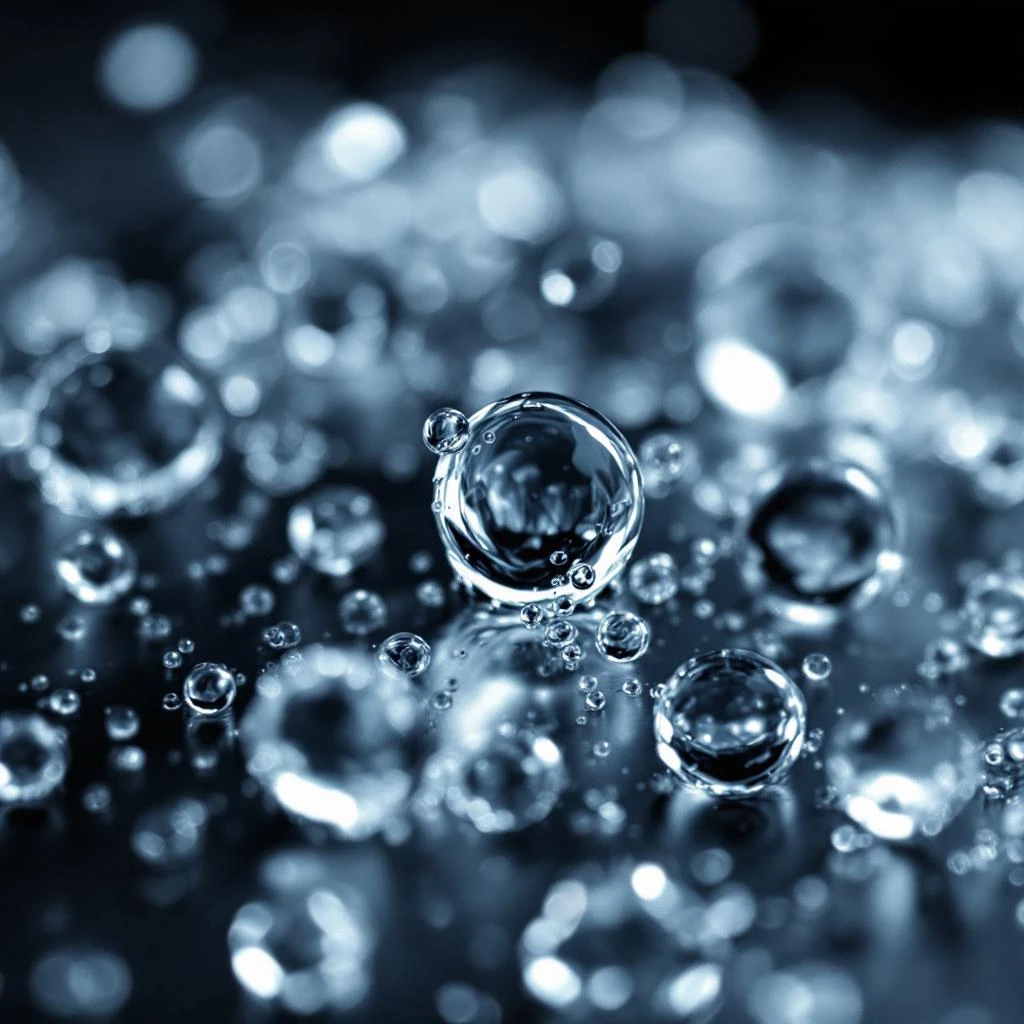
Marine notes capture the crystalline freshness of ocean air and sea spray through synthetic molecules, primarily the legendary Calone and its modern descendants. These accords evoke salt-kissed breeze, wet stone, and the vast blue horizon without ever touching actual seawater.
Heritage
The marine note represents one of perfumery's youngest olfactory families, born from a pharmaceutical laboratory accident in 1966. Pfizer chemists J.J. Beereboom, D.P. Cameron, and C.R. Stephens were synthesizing oxygenated derivatives for benzodiazepine tranquilizer research when they created 7-methyl-2H-1,5-benzodioxepin-3(4H)-one. The molecule sat dormant for two decades, patented but unused, until its patent expiration in the late 1980s coincided with shifting cultural tides.
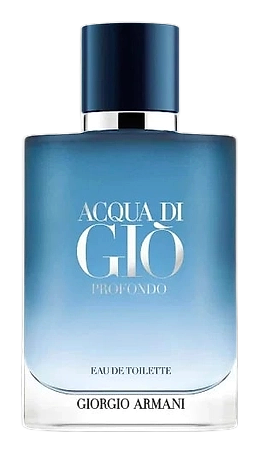
The first fragrance to showcase Calone was Aramis New West (1988), composed by Yves Tanguy, but it was Davidoff Cool Water (1990) that unleashed the aquatic revolution upon the world. The 1990s became the aquatic decade as the scent of synthetic sea breeze came to define an era of fresh, sporty, unisex fragrances. L'Eau d'Issey Miyake (1992) and Acqua di Giò (1996) followed, cementing marine notes as a permanent fixture in the perfumer's vocabulary. Critics eventually decried the trend as overused, but the 2020s have witnessed a sophisticated rehabilitation. Modern perfumers deploy marine molecules with surgical restraint, using trace amounts to create atmospheric effects rather than overt aquatic statements, proving that the scent of the ocean still has depths left to explore.
At a Glance
100
Feature this note
Other
Olfactive group
Synthetic
Lab-crafted
United States
Primary source region
Ingredient Details
Chemical synthesis
Synthetic molecules (primarily Calone, Cascalone, Aquazone)
Did You Know
"Calone is so potent that a single grain could theoretically perfume an Olympic-sized swimming pool. Pfizer chemists discovered it in 1966 while researching tranquilizers, not fragrances."
Pyramid Presence