Juniper
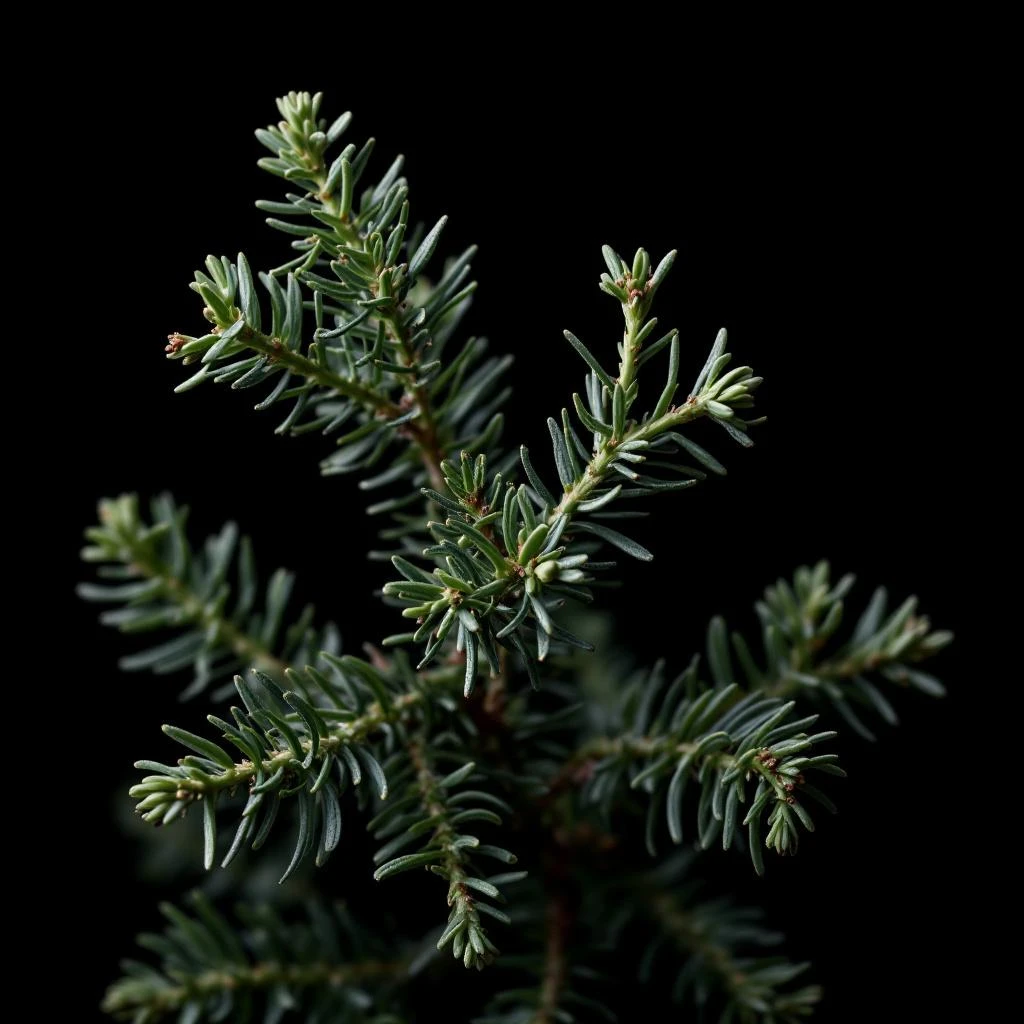
Juniper berry delivers a crisp, biting freshness that anchors some of perfumery's most distinctive men's and aquatic fragrances. Derived from the seed cones of Juniperus communis, this conifer note brings together sharp pine, dry woody warmth, and a whisper of gin-like spirit.
Character
How it smells
The conifer note that made gin famous in perfume.
Juniper berries take up to three years to ripen, meaning a single branch often carries berries in multiple stages of development simultaneously.







Origin
Balkans (Albania, Bulgaria, Serbia)
Aromatic oils from junipers served medicinal, ritual, and cosmetic purposes across antiquity. Egyptians burned juniper resin as incense and incorporated it into unguents. Greek physicians including Dioscorides documented juniper's medicinal properties, while Roman naturalists like Pliny described its use in fumigation and food preservation.
The Latin name Juniperus appears in early European herbals, reflecting its deep roots in Mediterranean plant knowledge. During the Renaissance, apothecaries across Europe stocked juniper berry preparations for both internal and external use. The aromatic bond between juniper and gin solidified in 17th century Holland, where gin makers adopted the berry as their signature botanical.
From the 19th century onward, natural juniper extracts joined the perfumer's palette alongside emerging synthetic aromatics, finding particular expression in fougère, chypre, and modern aquatic constructions.
Wears it best
Fragrances featuring Juniper

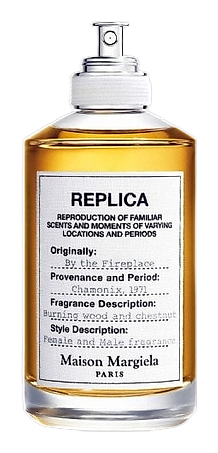
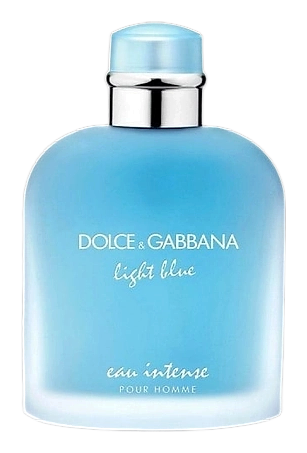
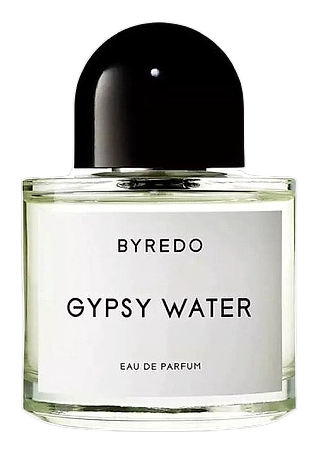
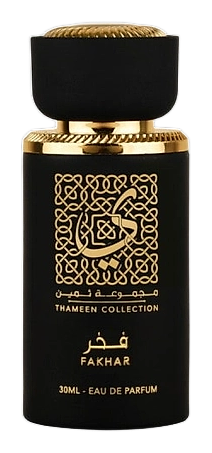
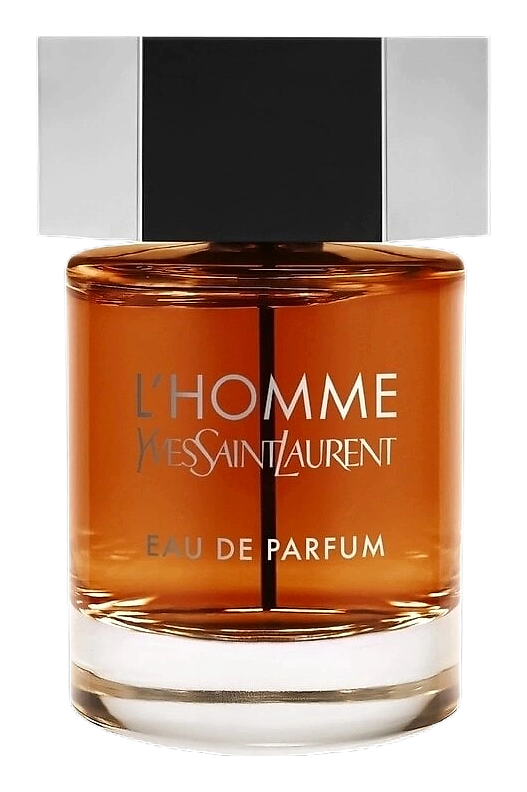

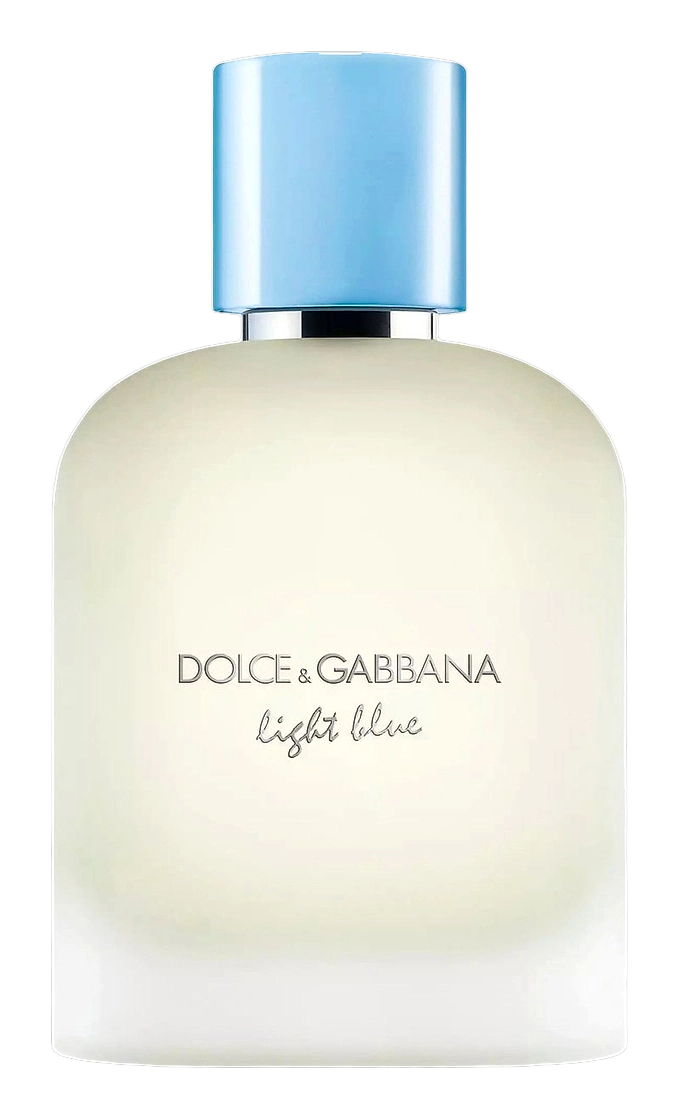

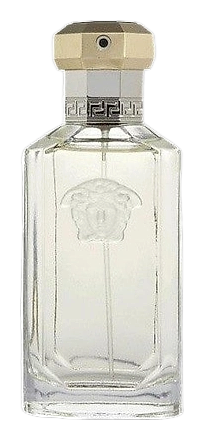
Brands
Brands known for Juniper
Good to know
Questions, answered
The essentials on Juniper in perfumery: how it smells, where it comes from, and how it behaves on skin.
What does juniper smell like?
Juniper smells sharp, crisp, and resinous with a clear pine-like freshness and dry woody undertones. The berry note carries a subtle gin-like facet that many perfumers find distinctive. It reads as both green and warm, depending on concentration.
Is juniper from the juniper plant or juniper berry?
Juniper in perfumery primarily comes from the berries of Juniperus communis, an evergreen conifer. Despite the name, these are technically fleshy seed cones, not true berries. The needles and wood of the plant are also distilled separately.
How long has juniper been used in perfumery?
Juniper has been used since antiquity, appearing in Egyptian unguents and Roman incense traditions. Its consistent use in Western perfumery dates to at least the 19th century, when natural aromatic extracts became systematically incorporated into fragrance compositions.
What extraction method produces juniper berry oil?
Commercial juniper berry oil is produced by steam distillation of crushed berries. CO2 supercritical extraction is used by some artisan producers and yields a more complex aromatic profile. Distillation typically produces a clear oil with a strong alpha-pinene character.
Where does commercial juniper berry oil come from?
The primary commercial source is the Balkans, including Albania, Bulgaria, and Serbia, where Juniperus communis grows wild on dry limestone slopes. Balkan conifer oil dominated by alpha-pinene (CAS 8012-91-7) sets the standard for perfumery use.
Which fragrance families use juniper most prominently?
Juniper appears most often in fougère, chypre, and aromatic fresh fragrances designed for men. It also anchors many aquatic and ozonic constructions, where its crisp conifer note provides structural freshness beneath lighter top notes.
Can juniper berry oil be synthesized or replaced?
Synthetic alpha-pinene exists and mimics juniper's primary aromatic compound, but it lacks the full complexity of natural steam-distilled oil. Natural juniper berry oil remains preferred for premium fragrances due to its layered conifer, resin, and gin-like facets.
What is the aromatherapy context of juniper?
Aromatherapists use juniper berry oil to support circulation, ease sore muscles, and promote alertness. In perfumery, this invigorating quality translates as a clean, sharp freshness that reads as energizing and clarifying on the skin.