
The Story
Why it exists.
The beginning
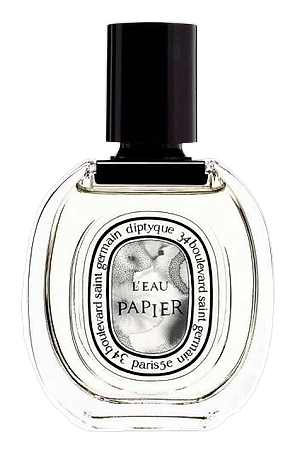
In 2023, Diptyque invited perfumer Fab rice Pellegrin to translate the tactile sensation of fresh stationery into an olfactory experience. Rather than chase obvious paper notes through wood or incense, Pellegrin chose a subtler path. The fragrance captures that suspended moment before a pen touches paper, when possibility lives in the blank surface. The house's artistic heritage informed this restraint, since Diptyque has long elevated everyday objects into subjects of contemplation. This is creative vision meeting sensory craft, the brand's signature approach applied to the unassuming pleasure of clean, quality paper.
The note selection reflects a philosophy of quiet restraint. Musk and white musk provide skin-like warmth without heaviness, the intentional doubling creating texture. Sesame grounds the floral and powder elements with its humble nuttiness, while mimosa adds vintage charm. Woody notes offer structure without the harshness of timber. This pairing creates a scent that feels both personal and artistic, appropriate for a house born from a artSupply shop. Each note serves the concept of paper as Intimate object, the warmth of a handwritten letter.
The evolution
L'Eau Papier opens without reveal, arriving immediately at its creamy musk heart. White musk and sesame emerge tog ether, the nuttiness of sesame threading through the soft powder of musk. Slowly, mimosa arrives as a hushed floral whisper, not blooming so much as existing in the background. Woody notes settle beneath, lending quiet grounding without obtrusive resin. The evolution is not dramatic but meditative, the fragrance remaining close to skin throughout, a constant companion rather than a declarative statement. What lingers is the soft warmth of skin plus paper dust, inseparable and calm.
Cultural impact
Since its 2023 debut, L'Eau Papier has been praised for its understated elegance, often described as a scent for creatives who cherish quiet moments. Wearers note its subtle paper-like opening sets it apart from more overt fragrances, offering a distinct alternative to more traditional choices. The fragrance resonates with those who find beauty in restraint, capturing the meditative quality of a blank page waiting to be filled. Its quiet confidence speaks to a growing appreciation for nuanced perfumery that rewards close attention.