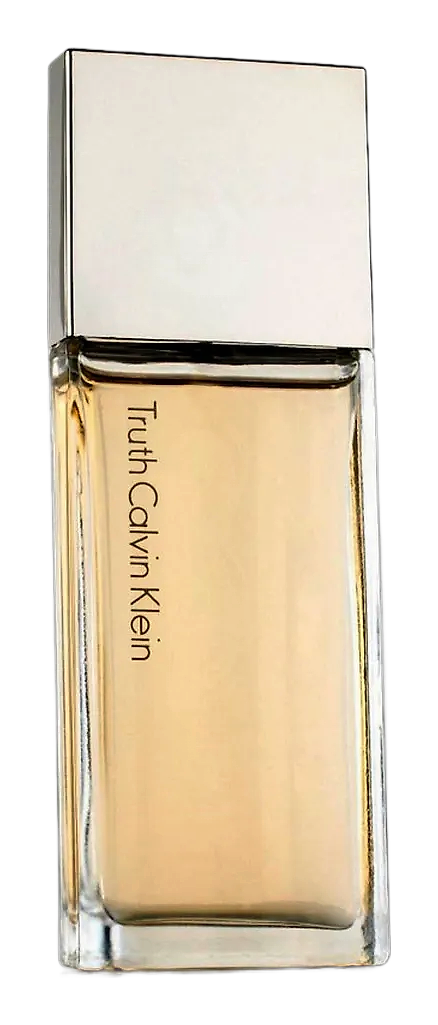

The Story
Why it exists.
The beginning
Calvin Klein has never been a house that complicates things. Pure, simple, modern, that was the philosophy from the start, and it shaped everything from denim to dresses to the fragrances that followed. By 2000, the brand had already built one of the most recognizable portfolios in American fashion fragrance. Truth arrived as a statement about transparency, not just in scent, but in identity. The name said something. The composition said something else. Together, they made a fragrance that didn't need to shout to be heard.
What makes Truth interesting as a composition is how it refuses the expected structure. Instead of leading with a big floral heart, it opens with bamboo, a note that reads green and almost watery, like the smell of fresh stems cut at dawn. Bergamot and lemon keep the top crisp and citrus-forward, but the bamboo is the real story. It makes the freshness feel organic rather than synthetic. The florals, lily, peony, mimosa, arrive in the heart not as a statement but as a whisper. They're there, but they're not performing. The base of sandalwood, vetiver, and patchouli grounds everything in warmth without ever tipping into heaviness. It's a fragrance that knows what it is and doesn't try to be anything else.
The evolution
The opening is quick and clean. Bergamot and lemon announce themselves for maybe five minutes, then bamboo takes over and the whole composition shifts into something greener, cooler, more meditative. You smell it and think of water, of plants, of something still growing. The florals arrive around the twenty-minute mark, lily and peony soft and almost recessive, like background music in a quiet room. They're not the point. The point is the interplay between the fresh green top and the warm woody base. That tension carries the heart phase. By hour three, sandalwood and vetiver have settled in. The patchouli adds a subtle earthiness that keeps the drydown from going sterile. On most skin types, this lasts six to eight hours, a full workday, close to the skin, present without being pushy. The next morning, there's a faint trace of sandalwood on the wrist. Still there. Still calm.
Cultural impact
Truth arrived in 2000, a moment when mass-market fragrance was still figuring out what 'fresh' could mean beyond bar soap and ocean breezes. The bamboo note was unusual for its time, it gave the freshness an organic, plant-like quality rather than the synthetic aquatic accords that dominated the era. The fragrance found its audience among women who wanted something modern and understated without being invisible. It wasn't a statement fragrance. It was a daily fragrance for someone who didn't need to announce themselves.