Peony
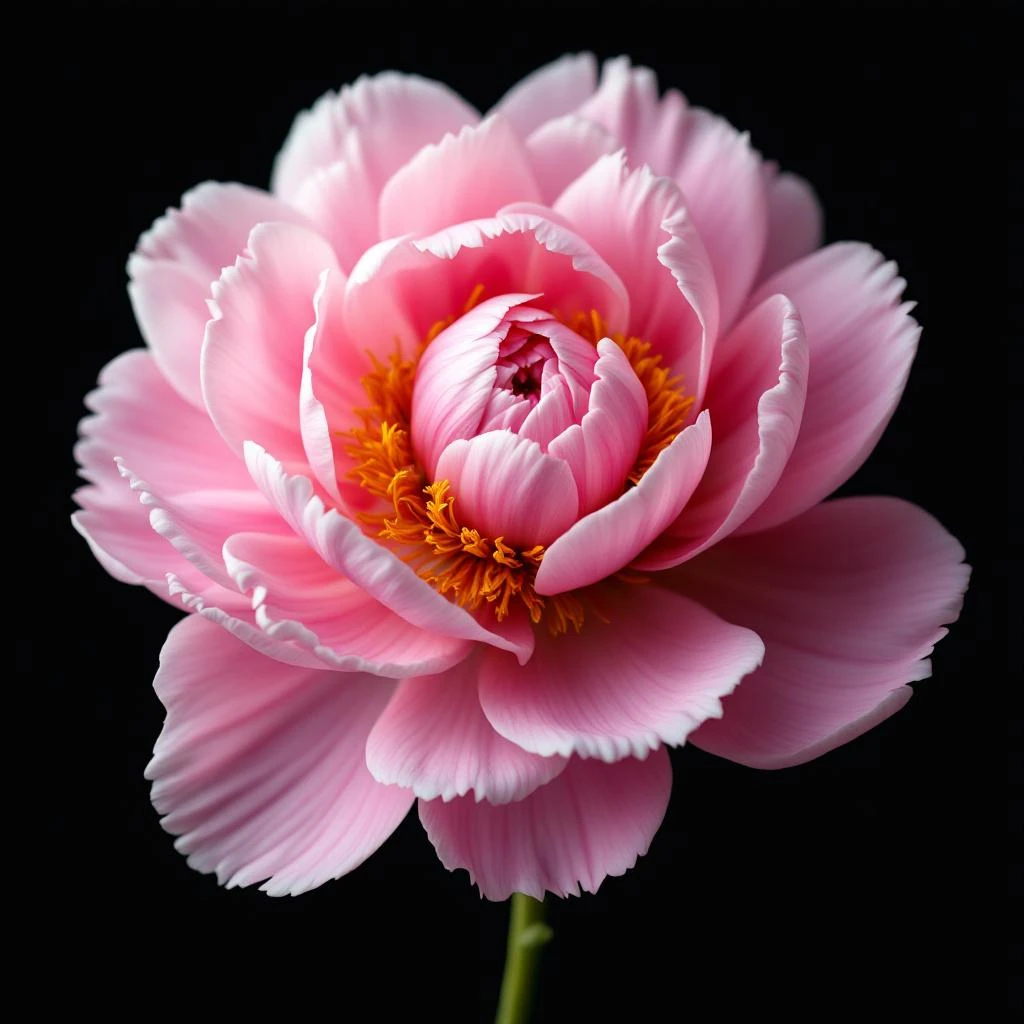
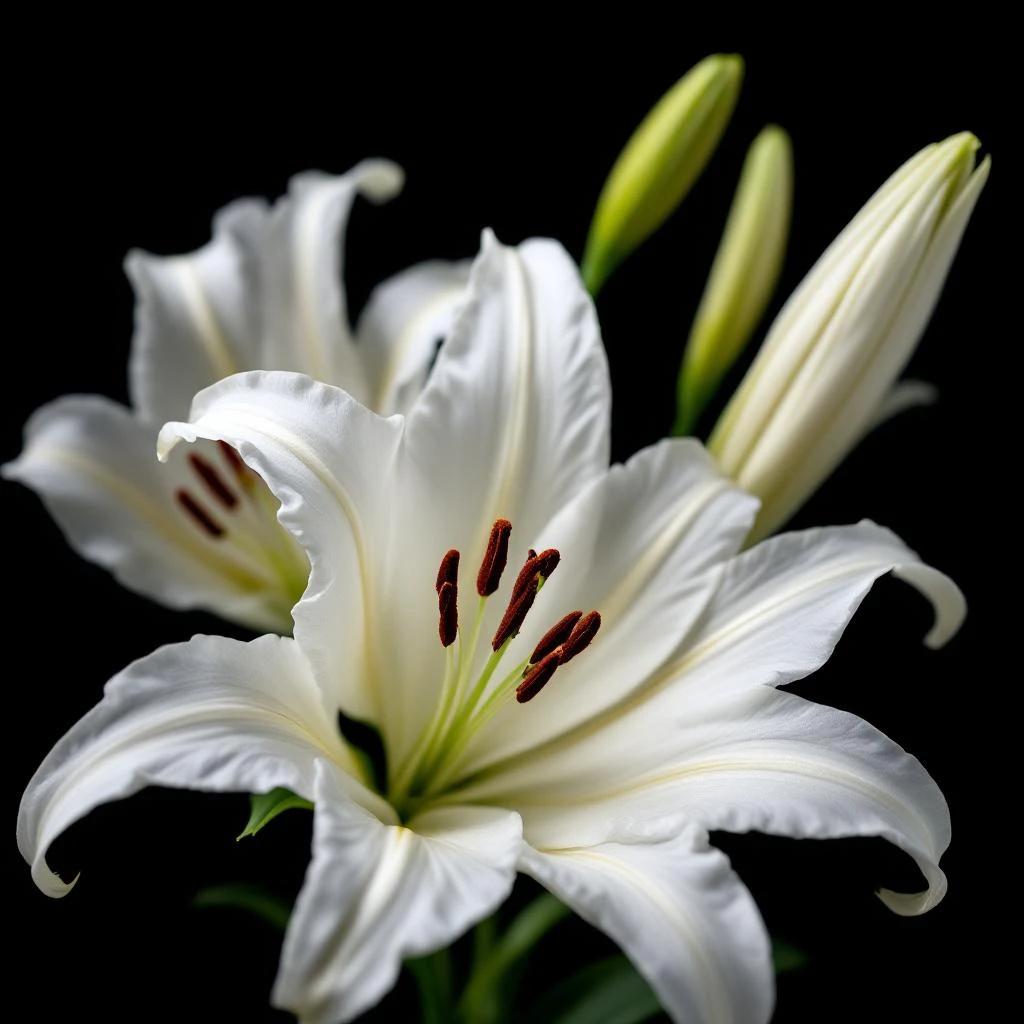
Peony opens with a fresh, rosy, green character that surprises many who expect sweetness. This mute flower produces no extractable oil, yet perfumers have learned to reconstruct its complex bouquet molecule by molecule, making peony one of perfumery's most fascinating illusions.
Character
How it smells
The mute flower that perfumers learned to speak
Peonies exist as herbaceous shrubs and tree peonies, yet neither type yields essential oil or absolute through conventional extraction, earning the flower its "mute" designation in perfumery.








Origin
China
Peony has been cultivated in China for over a thousand years, with the Luoyang region in Henan province emerging as a center of ornamental peony growing. The flower held a revered place in Chinese art and poetry long before perfumery existed. Beyond its ornamental value, traditional Chinese medicine employed peony root to treat night sweats, injuries, and stomach ailments.
In Western contexts, peonies arrived through botanical exchanges along trade routes, eventually becoming prized garden specimens across Europe. The flower’s cultural significance extended to folklore, where it was believed to ward off evil spirits. What makes peony remarkable in the context of fragrance history is how its visual popularity never translated into olfactory presence.
While perfumers longed to capture its romantic charm, the flower simply did not cooperate with extraction technology. This limitation persisted until the development of synthetic aromatic chemistry opened new doors for reconstructing floral scents that nature kept hidden.
Wears it best
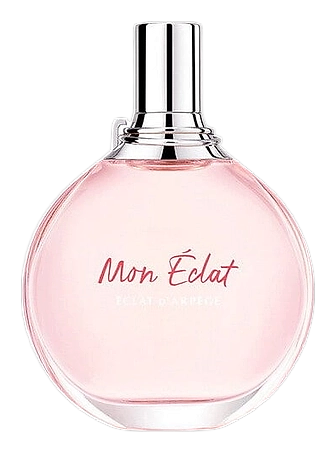
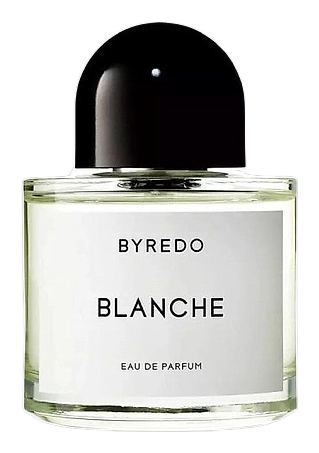
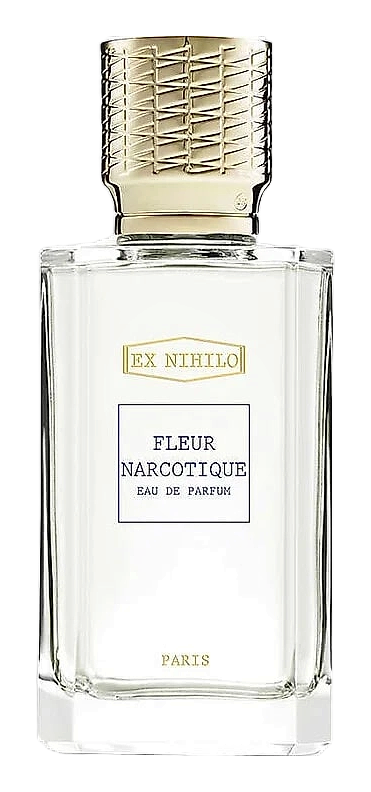
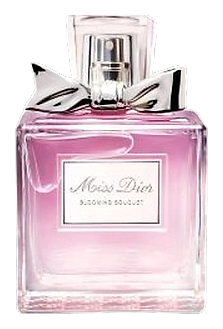
Fragrances featuring Peony





Brands
Brands known for Peony
Good to know
Questions, answered
The essentials on Peony in perfumery: how it smells, where it comes from, and how it behaves on skin.
What does peony smell like?
Peony smells fresh, rosy, and distinctly green. It lacks the heavy sweetness many expect from a floral note. The scent reads as dewy and romantic without being cloying, with a clean quality that makes it versatile across seasons.
Why is peony called a mute flower?
Peony produces no extractable fragrance oil. The flower contains such minimal volatile aromatic compounds that no commercial extraction method yields usable material. Perfumers must reconstruct the scent entirely through accords, giving rise to the "mute" designation.
Is there natural peony extract?
No natural peony extract exists in perfumery. Unlike rose, jasmine, or lavender, peony cannot be distilled or solvent-extracted to produce an absolute or essential oil. Every peony note in fragrance is a reconstructed accord.
How do perfumers recreate peony scent?
Perfumers build peony accords by combining multiple ingredients that together mimic the flower’s scent profile. Key components include rosy alcohols, green aldehydes, and powdery aromatic molecules. The process requires blending rather than simple substitution.
Does peony smell different in every fragrance?
Yes. Because peony is an accord rather than a single material, its expression varies widely between perfumes. Some interpretations emphasize the rosy character, others the green freshness, and still others the powdery finish.
What family does peony belong to in perfumery?
Peony falls within the floral family, though it often appears as a supporting note rather than a dominant one. Its fresh, green character makes it particularly useful in modern and轻盈 floral compositions.
Is peony a year-round note or seasonal?
Peony works across seasons due to its fresh, unheavy character. It appears prominently in spring and summer fragrances but also features in autumn and winter perfumes where a bright floral accent provides balance.
What fragrances showcase peony well?
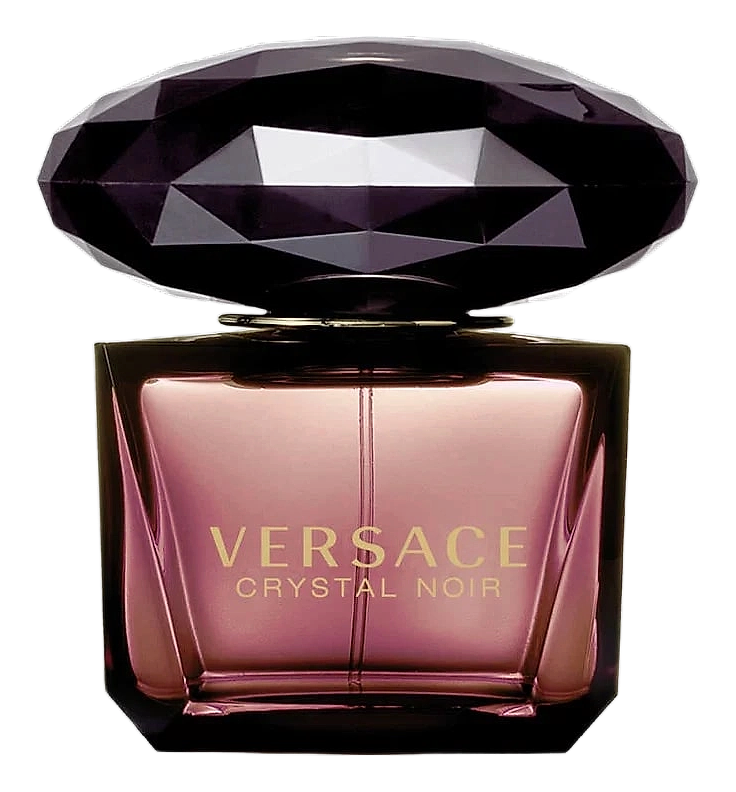
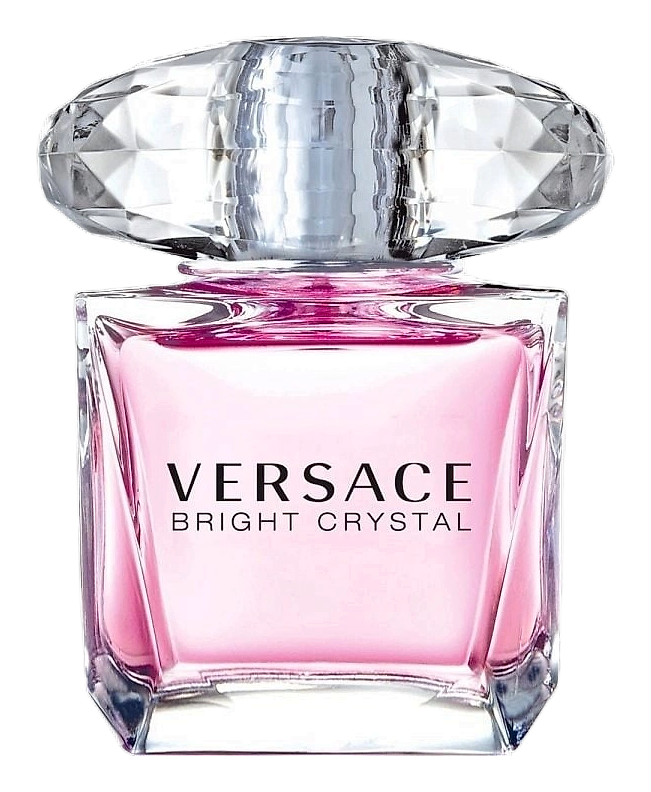
Peony frequently appears in women's fragrances as a spring bloom accent. It pairs well with citrus, musk, and green tea accords. The note rarely stands alone, more often enriching the overall floral composition of a fragrance.