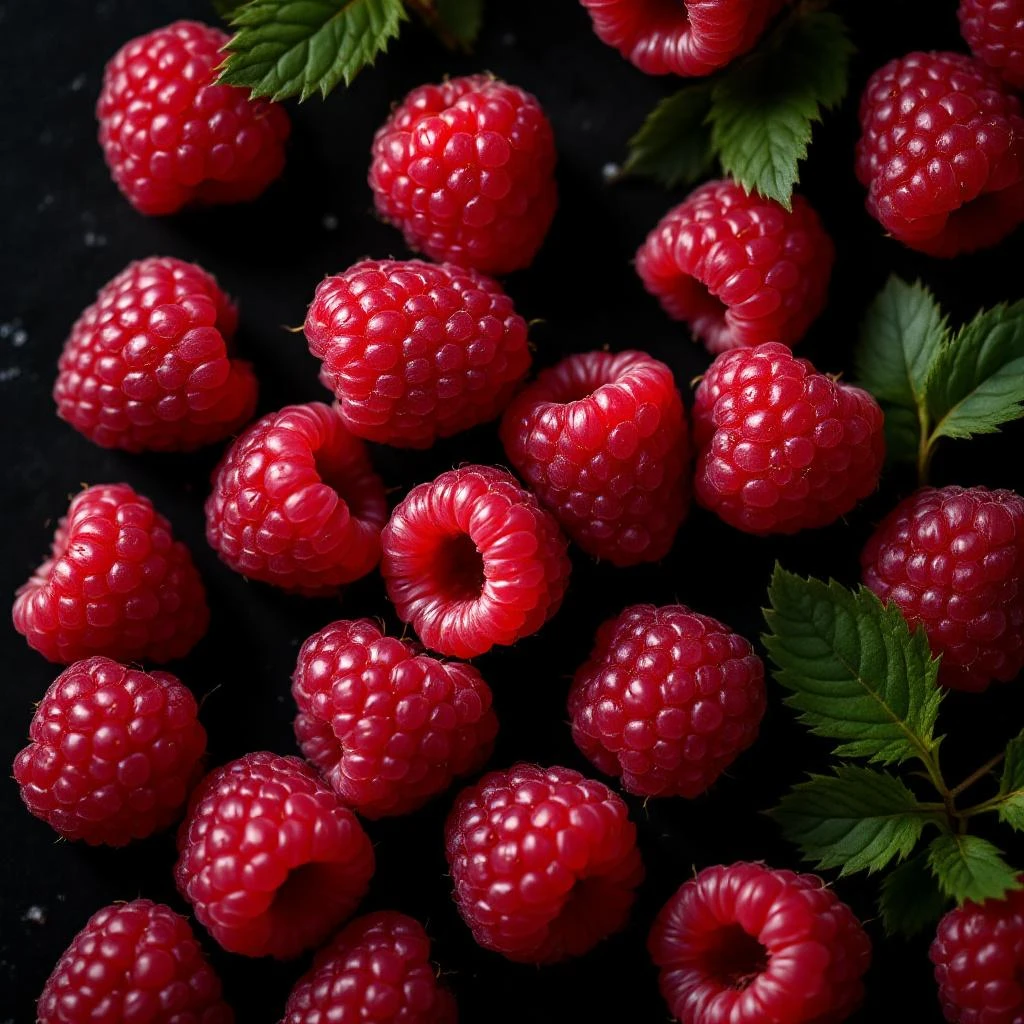
Lychee
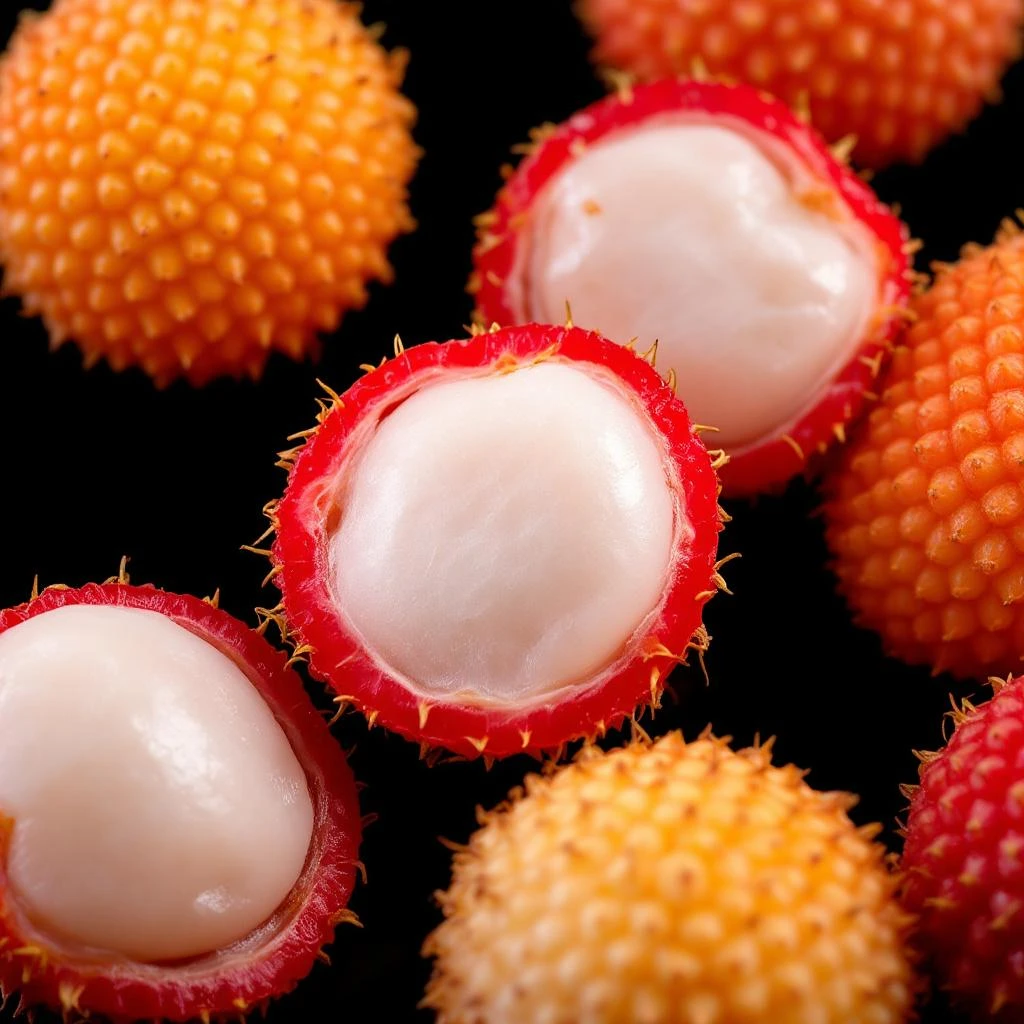
Lychee brings a dewy, almost floral sweetness to fragrance. Its juicy, candy-like aroma conjures orchards in southern China where the fruit first grew wild.
Character
How it smells
Sweet, dewy, and softly exotic.
Lychee scent is almost never drawn from the fruit itself, since natural extraction yields little usable material. Most perfumers rebuild the note from compounds like geraniol and linalool.








Origin
China
Lychee, or Litchi chinensis, has been cultivated in southern China for over two thousand years, with records of the fruit appearing in imperial gardens during the Tang dynasty. Poets praised its translucent flesh and floral perfume long before it reached Western noses.
The fruit spread outward through Burma, India, and eventually Madagascar and South Africa, carried by traders along ancient routes. It arrived in Europe in the late eighteenth century, where it remained a rare delicacy.
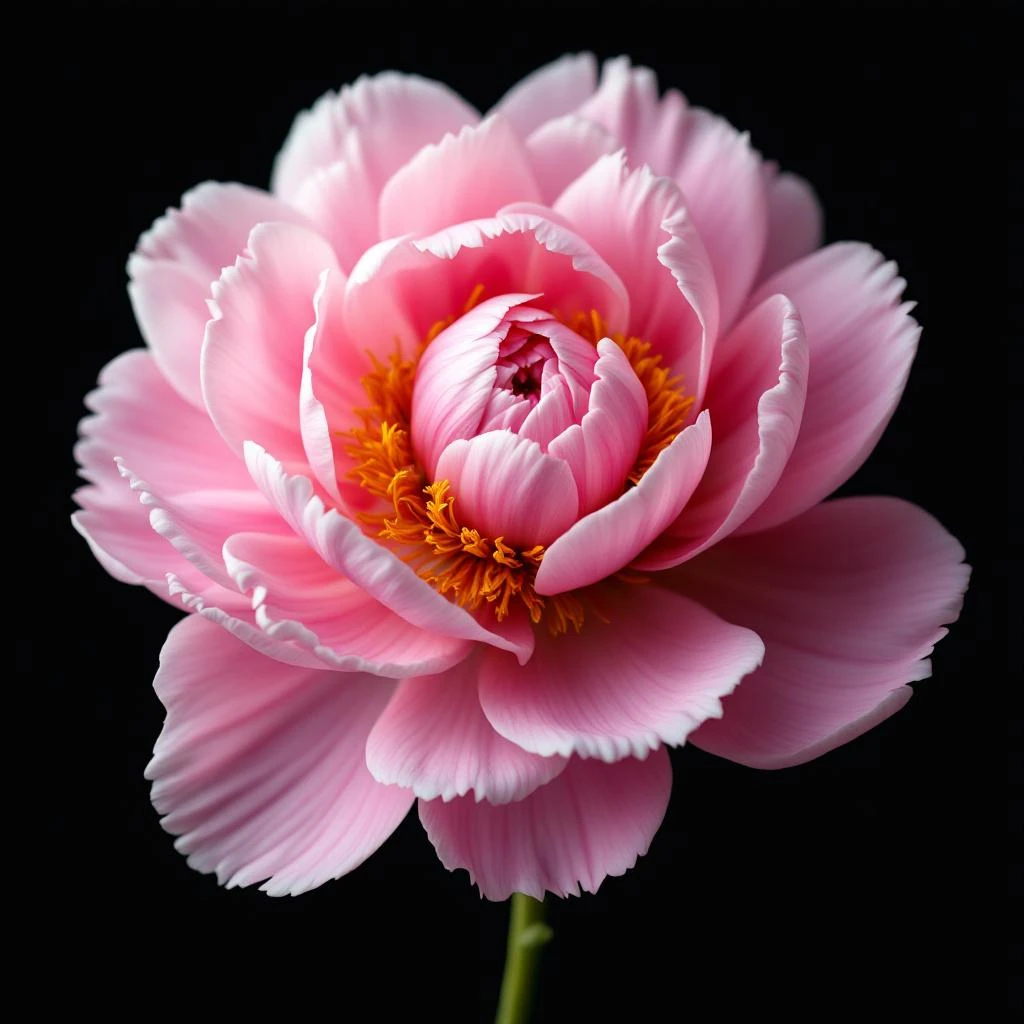
As organic chemistry advanced during the nineteenth century, perfumers gained the ability to rebuild scents that resisted traditional distillation. Lychee became a natural candidate for this synthetic approach once it entered fine fragrance in the late twentieth century, offering a novel fruity sweetness that paired well with rose, peony, and white musk.
Wears it best
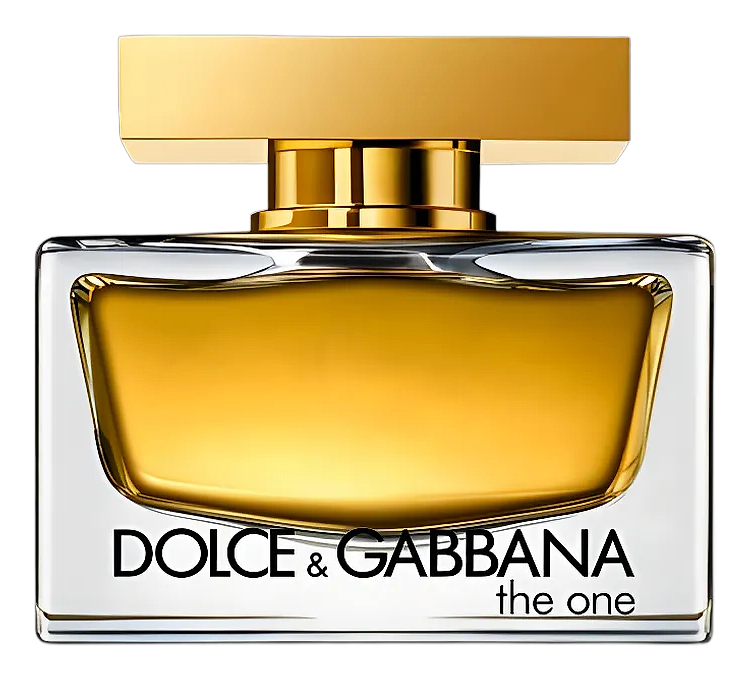
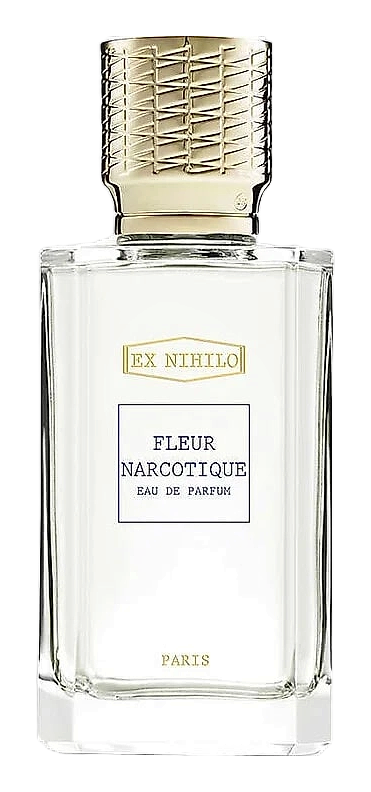
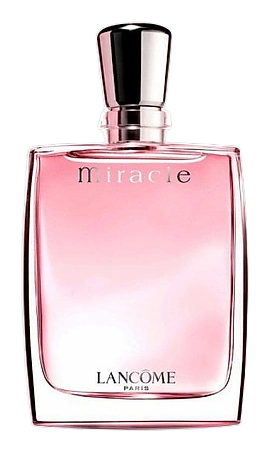
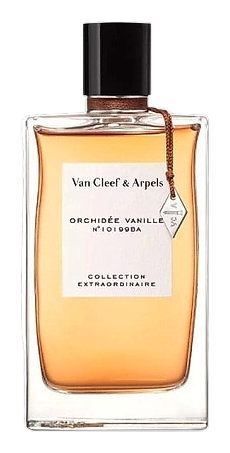
Fragrances featuring Lychee
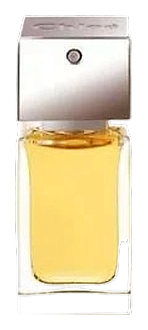
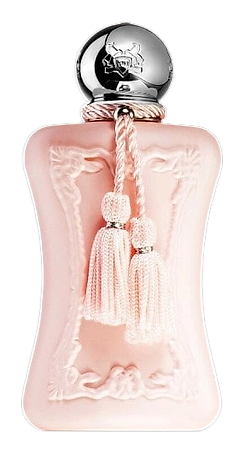
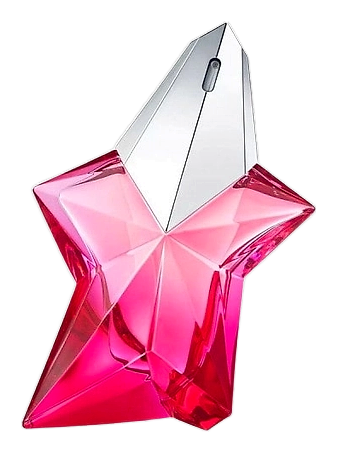


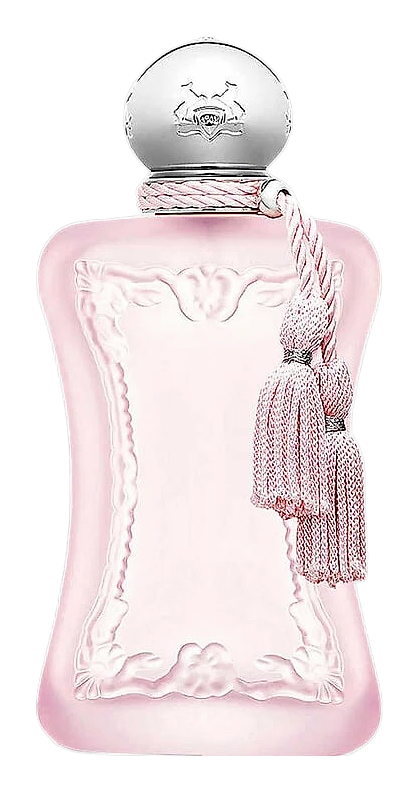
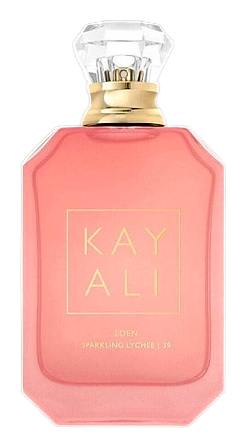
Brands
Brands known for Lychee
Good to know
Questions, answered
The essentials on Lychee in perfumery: how it smells, where it comes from, and how it behaves on skin.
What does lychee smell like in perfume?
Lychee reads as a juicy, sugary sweetness with a soft rose-like lift, almost like biting into a chilled fruit on a warm day. The note sits between fruity and floral, often laced with hints of grape, pear, and geranium.
Is lychee fragrance natural or synthetic?
Nearly always synthetic. The fruit yields very little aromatic oil through distillation, so perfumers reconstruct the scent using compounds like geraniol and linalool. Natural lychee absolute exists but is rare and costly.
Where does lychee originate?
Lychee is native to southern China, with cultivation records stretching back over 2,000 years to the Tang dynasty. Today it grows commercially in Guangdong, Fujian, Hainan, Thailand, and Madagascar.
Is lychee a top, heart, or base note?
Lychee acts as a top to mid note. Its volatile, fruity character lifts the opening of a composition, though longer-lasting formulas can stretch it into the heart with supporting fixatives.
What fragrances pair well with lychee?
Lychee pairs naturally with rose, peony, and white musk, which amplify its floral undertones. Citrus notes like bergamot brighten it, while sandalwood and amber round out the base for added depth.
What fragrance families use lychee?
Lychee appears most often in fruity florals and gourmand compositions, especially in modern feminine releases from the 2000s onward. It also features in fresh aquatic and oriental blends seeking a sweet opening.
Why is lychee hard to extract naturally?
The fruit holds very little volatile oil, making steam or solvent extraction inefficient and expensive. Compounds degrade quickly once the fruit is picked, complicating any attempt at natural distillation.
When was lychee first used in perfumery?
Lychee entered mainstream Western perfumery in the late twentieth century as synthetic reconstruction made the note viable. Its debut coincided with the rise of fruity floral compositions in the 1990s and early 2000s.