Blood Grapefruit
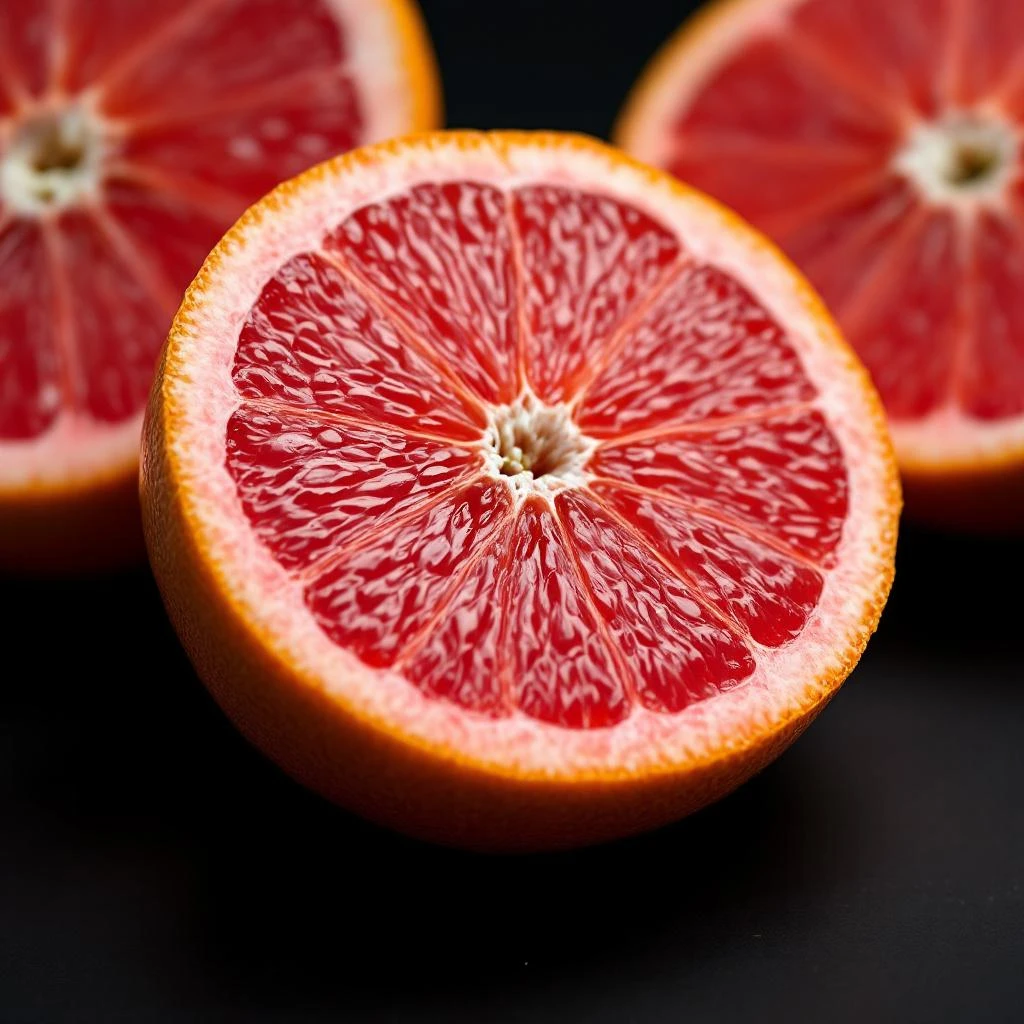
Blood grapefruit delivers tart, sun-drenched brightness that cuts through compositions with electric clarity. Its crimson-fleshed fruit yields an oil that captures sunshine and sharp citrus in a single drop.
Character
How it smells
The sharpest citrus in the palette
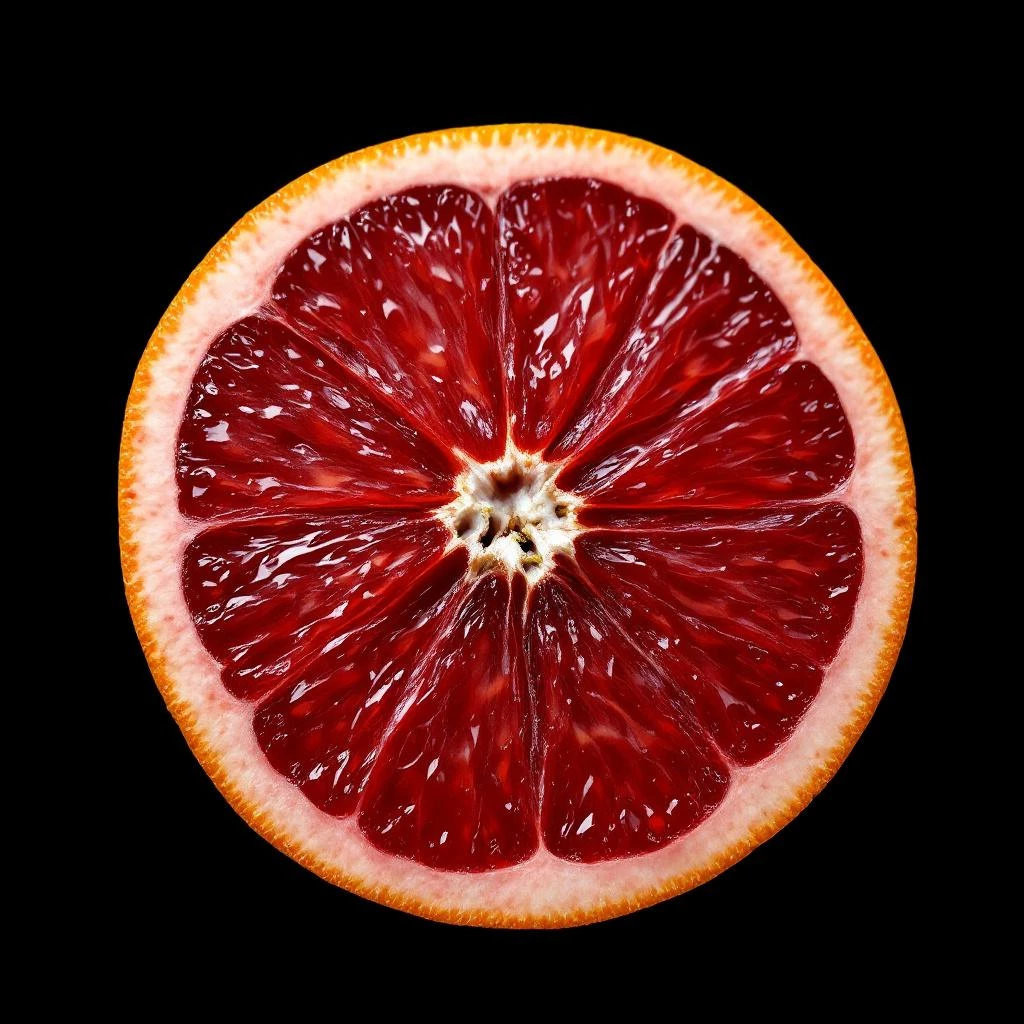
The 'blood' refers not to color but to anthocyanin pigments that develop when nights turn cool, turning flesh deep ruby in Mediterranean climates.







Origin
Barbados
Blood grapefruit likely originated in Barbados during the mid-17th century. Legend attributes the fruit to Captain Phillip Shaddock of the East India Company, who left citrus seeds on the island. The hybrid that emerged combined traits from several citrus species already growing in the Caribbean. Rev. Griffith Hughes documented the fruit in 1750, naming it the 'forbidden fruit' of Barbados in his natural history of the island.
The name 'grapefruit' emerged later, inspired by how the fruit grows in clusters similar to wine grapes. By the 19th century, cultivation spread to Florida and the Mediterranean. Italian and Spanish growers discovered that cool autumn nights triggered anthocyanin production in certain varieties, turning flesh deep ruby red. This pigmented mutation created what we now call blood grapefruit, prized for its milder tartness and subtle berry notes.
Perfumery adopted grapefruit oil in the early 20th century as citrus formulations expanded. The fruit reached commercial significance in Florida by the 1920s, where processors developed efficient extraction methods. By mid-century, grapefruit appeared in fresh colognes, aquatics, and bright chypres worldwide. The ingredient became standard in modern perfumery as consumers sought clean, energizing scents. Today blood grapefruit remains a cornerstone citrus note, valued for its clarity and the complexity nootkatone brings to compositions.
The distinction between blood and white grapefruit matters in fragrance. White varieties offer sharper, more aggressive citrus. Blood types add the berry-like nuance that makes the scent feel rounder and more sophisticated. Perfumers choose based on the emotional effect they want: white grapefruit energizes more directly, blood grapefruit seduces with subtlety.
Wears it best
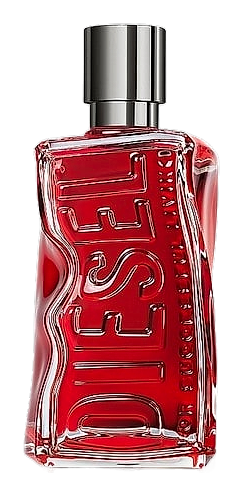
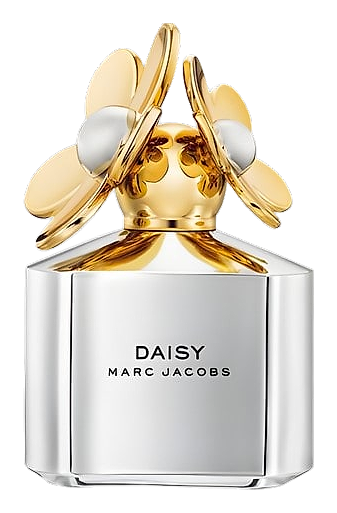
Fragrances featuring Blood Grapefruit










Brands
Brands known for Blood Grapefruit
Good to know
Questions, answered
The essentials on Blood Grapefruit in perfumery: how it smells, where it comes from, and how it behaves on skin.
What does Blood Grapefruit contribute to a fragrance composition?
Blood grapefruit adds sharp, tart brightness that energizes top notes. The nootkatone compound gives grapefruit its signature character, while anthocyanins in blood varieties add mild berry-like undertones. Perfumers use it to create fresh, clean impressions that feel familiar and approachable.
How does Blood Grapefruit differ from regular white grapefruit in scent?
White grapefruit reads as sharper and more aggressive. Blood grapefruit includes anthocyanin pigments that add subtle berry-like nuances, making the citrus feel rounder and more complex. Both share the characteristic nootkatone signature, but blood types offer a softer tartness.
What extraction method preserves Blood Grapefruit oil quality?
Cold pressing extracts oil mechanically without heat, preserving volatile aromatic compounds that would degrade under temperature. The Florida and California citrus industries refined this method in the early 20th century, and grapefruit oil remains one of the most common citrus ingredients in modern perfumery.
Where do producers source Blood Grapefruit oil?
Major production regions include Florida, California, Brazil, South Africa, and Israel. All rely on cold pressing fresh fruit peel. Peak seasonal availability runs November through March in the Northern Hemisphere. Sustainable sourcing concerns include water usage and pesticide management in conventional cultivation.
What notes pair well with Blood Grapefruit?
Blood grapefruit combines effectively with marine and ozonic notes, white florals like jasmine and neroli, and crisp green accents such as galbanum. Clean musks and light woods like cedar round out combinations well. The citrus element reads as both energetic and familiar across these pairings.
How would you describe the scent profile of Blood Grapefruit?
Blood grapefruit opens with sharp, tart brightness and a subtly sweet undertone from nootkatone. Unlike white grapefruit, blood varieties include mild berry-like nuances from anthocyanins. The overall impression feels clean and energizing without any bitter or sour notes.
Does Blood Grapefruit fade quickly in a composition?
Citrus oils evaporate faster than heart notes, making grapefruit most effective as a top note. Stored properly in dark glass away from heat and air, blood grapefruit oil remains stable for 12 to 24 months. The monoterpene content means it dissipates within hours on skin, requiring reapplication for sustained presence.
Is Blood Grapefruit commonly used in women's, men's, or unisex fragrances?
Blood grapefruit appears across women's, men's, and unisex fragrances. The clean, familiar character appeals across gender preferences. Niche and luxury brands often feature it prominently in airy, modern compositions with minimalist sensibilities.