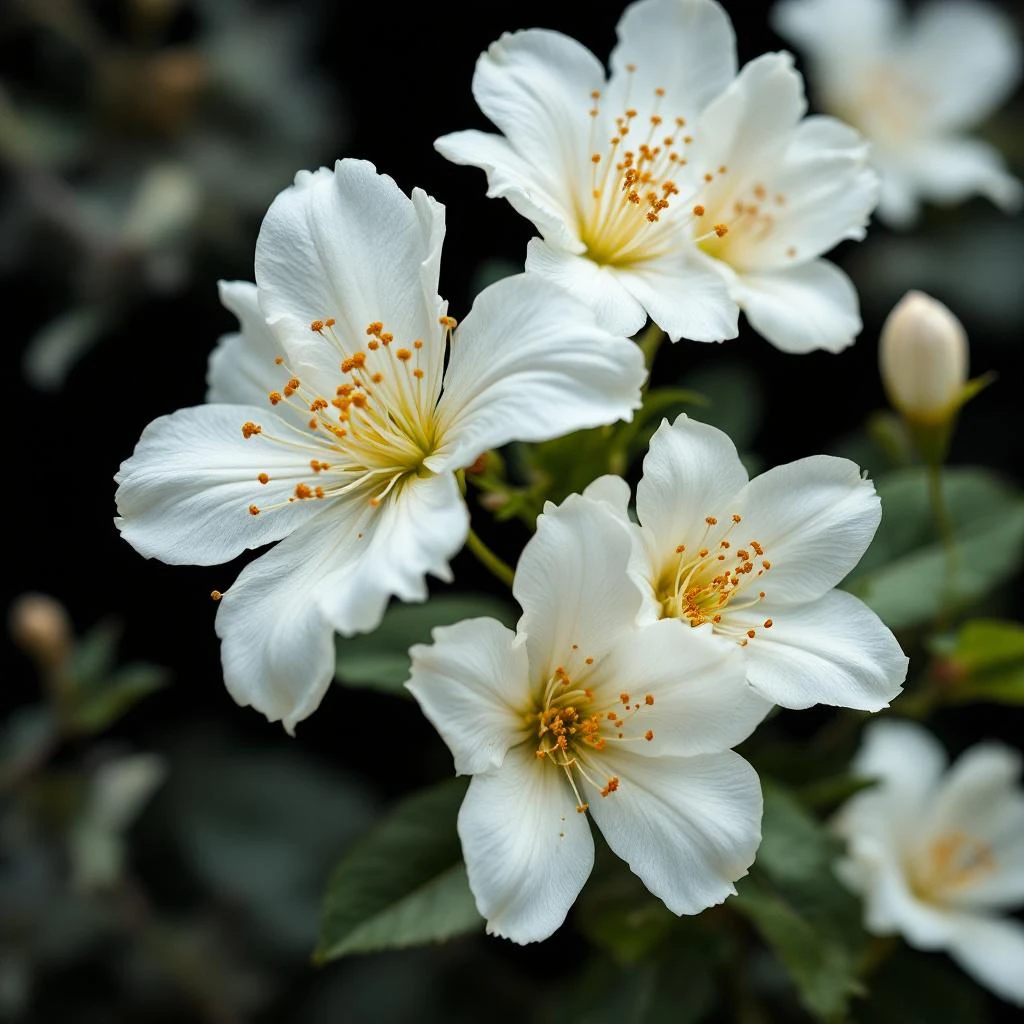
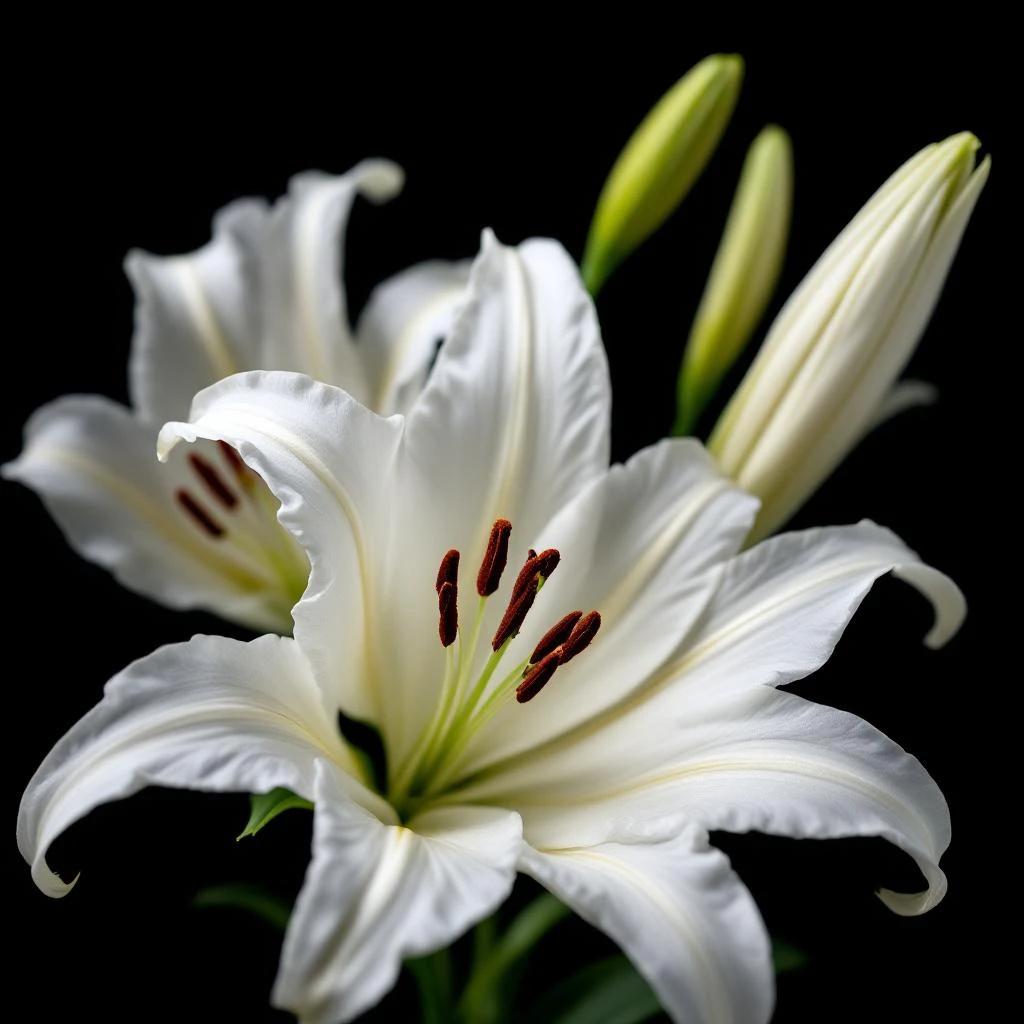
Orchid
Orchid brings a soft, creamy dimension to fine fragrance, balancing powdery sweetness with subtle floral depth. The note appears in compositions ranging from gourmand blends to classic florals.
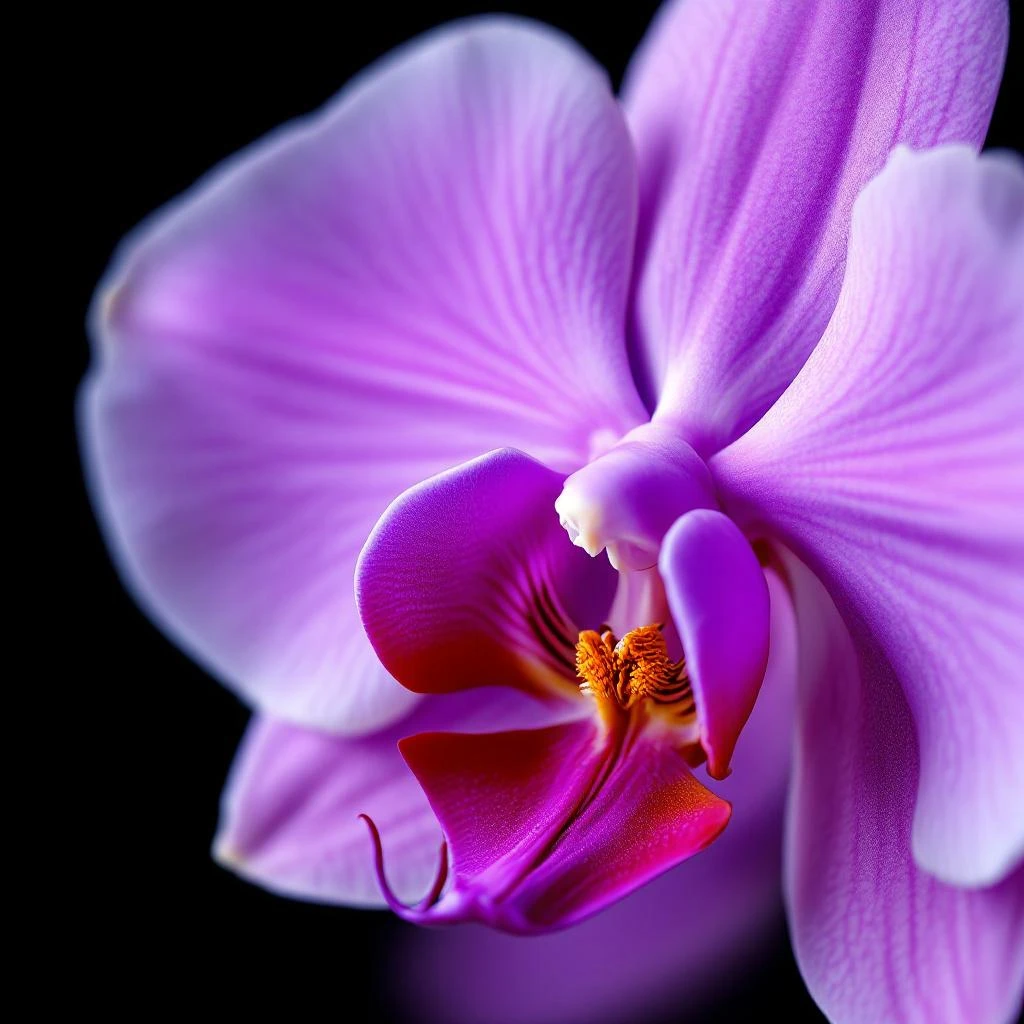
Character
How it smells
Velvety, creamy, quietly mysterious.
Vanilla itself comes from an orchid, Vanilla planifolia. The fruit pods of this tropical vine provide one of perfumery's most beloved warm, sweet materials.








Origin
Mexico
Orchids have carried cultural weight across civilizations long before entering perfumery. In ancient Greece, Theophrastus documented their medicinal uses around 300 BCE, while Aztec civilizations cultivated Vanilla planifolia for ritual beverages before Spanish conquistadors brought the pods to Europe in the 16th century.
The name "orchid" derives from the Greek orchis, meaning testicle, referring to the tubers' shape. The 19th century triggered what historians call "orchidelirium," a Victorian-era craze for collecting exotic specimens that shaped European horticulture.
Synthetic orchid notes became achievable mid-20th century when chemists identified the key odor molecules. Since then, orchid has moved from a rare curiosity to a dependable building block, frequently anchoring white-floral and oriental compositions throughout contemporary fragrance.
Wears it best
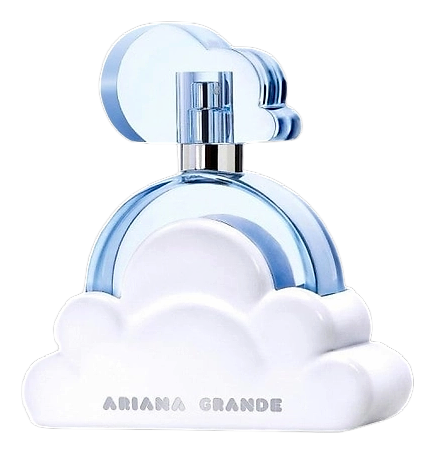
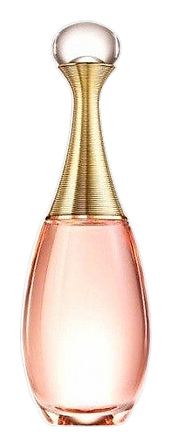
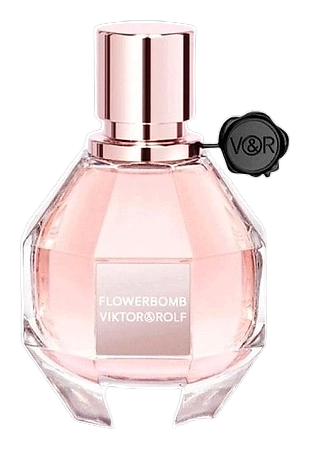
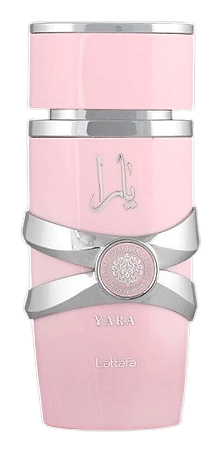
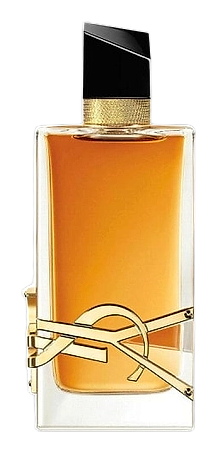
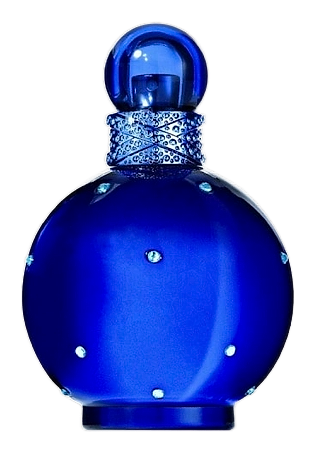
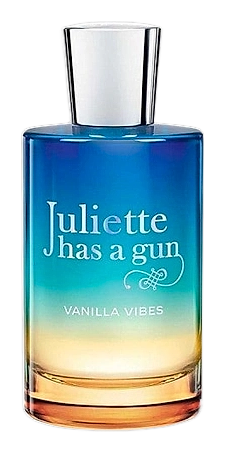
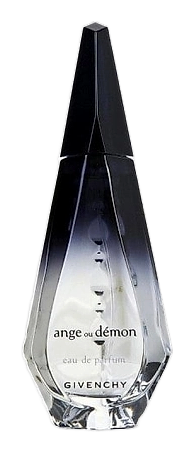
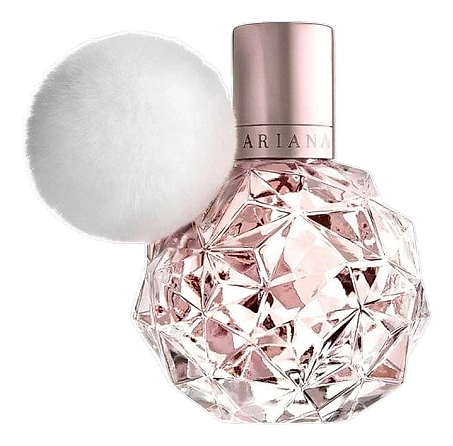
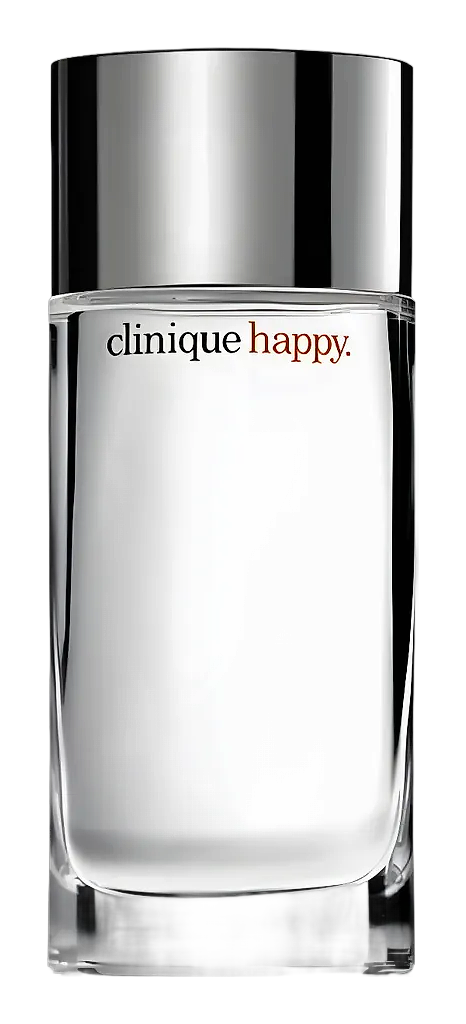
Fragrances featuring Orchid


Brands
Brands known for Orchid
Good to know
Questions, answered
The essentials on Orchid in perfumery: how it smells, where it comes from, and how it behaves on skin.
What does orchid perfume actually smell like?
Orchid notes typically smell creamy, powdery, and softly sweet with subtle fruity or green undertones. The character varies by species, but most interpretations share a smooth, velvety texture without sharp floral sharpness.
Is orchid a common ingredient in fragrance?
Yes, particularly in floral, oriental, and gourmand compositions. Most orchid notes today rely on synthetic aroma molecules rather than natural extracts, making the accord both consistent and widely accessible.
Is orchid perfume natural or synthetic?
Most orchid notes in modern perfumery are synthetic recreations. True natural orchid absolute exists but is extremely rare and costly due to low yield, so chemists developed molecules that capture the flower's signature creaminess.
Where do orchids used in perfumery come from?
Vanilla planifolia, the orchid behind natural vanilla aroma, originates in Mexico and Central America. Other fragrant species used for absolutes are grown in tropical regions including Madagascar, Thailand, and parts of South America.
Does orchid contain vanillin?
Vanilla planifolia orchids produce vanillin in their cured fruit pods, not the flowers. This compound became commercially synthesized in 1874, revolutionizing perfumery and food flavoring with a reliable, scalable source of warm sweetness.
What types of fragrances feature orchid notes?
Orchid appears frequently in white florals, oriental compositions, gourmand blends, and luxury women's fragrances. It pairs especially well with jasmine, rose, vanilla, and woody bases like sandalwood and amber.
How is natural orchid absolute extracted?
Natural orchid absolute is typically produced through solvent extraction of delicate petals, capturing waxy, creamy compounds. Some producers use enfleurage, a traditional cold-fat process suited to fragile blooms that release little scent through steam distillation.
Why are orchid notes usually synthetic?
Orchids produce minimal scent in their flowers and are difficult to cultivate at scale for extraction. Synthetic alternatives, developed from the mid-20th century onward, replicate the flower's creamy, powdery qualities without the resource demands of natural harvest.