
Character
The Story of Mandarin orange tree
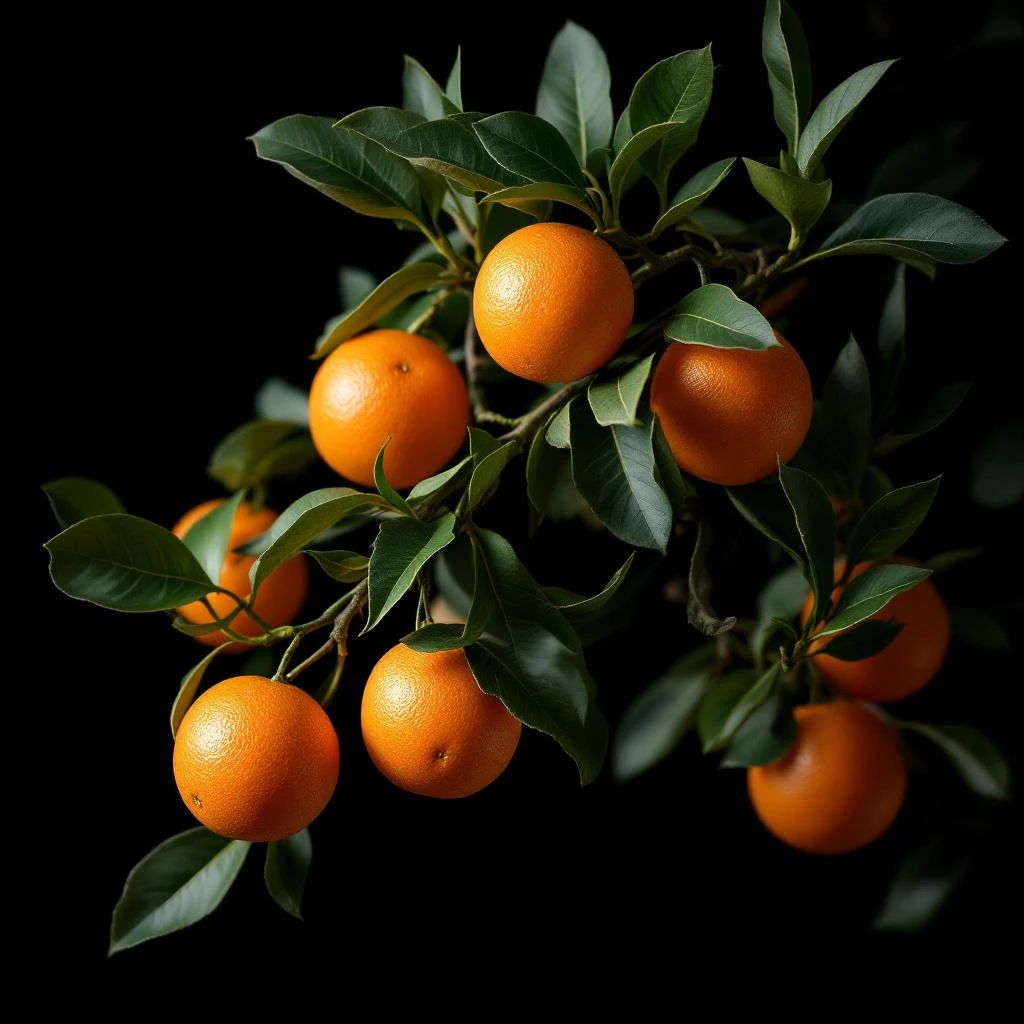
The mandarin orange tree yields one of perfumery's sunniest citrus materials. Cold-pressed from Citrus reticulata peel, mandarin oil captures the fruit's sweet, zesty brightness with a distinctive green edge that distinguishes it from sweeter citrus companions.
Heritage
The mandarin orange traces its lineage to ancient China, where cultivation began over 3,000 years ago in the regions now known as Fujian and Guangdong provinces. The fruit earned its name from a class of imperial officials whose bright robes mirrored the color of the ripe citrus. Trade routes eventually carried the plant across Southeast Asia, reaching India around 1400 BCE before Persian traders introduced it to the Mediterranean. European botanical texts first described the mandarin in the 16th century, though it did not reach significant cultivation in Italy and Spain until the early 19th century. The Calabrian region of Italy now produces some of the world's finest mandarin oil, while Brazil and Argentina have become major commercial producers. In perfumery, mandarin gained prominence during the early 20th century as designers sought fresher, more natural citrus expressions than traditional bergamot offered, particularly for spring and summer formulations.
At a Glance
1
Feature this note
China
Primary source region
Ingredient Details
Cold expression
Fruit peel, Leaves and twigs (petitgrain), Flowers (rarely)
Did You Know
"Ancient Chinese nobility reserved mandarins exclusively for the imperial court, punishable by death if found in common hands."