The Story
Why it exists.
The beginning
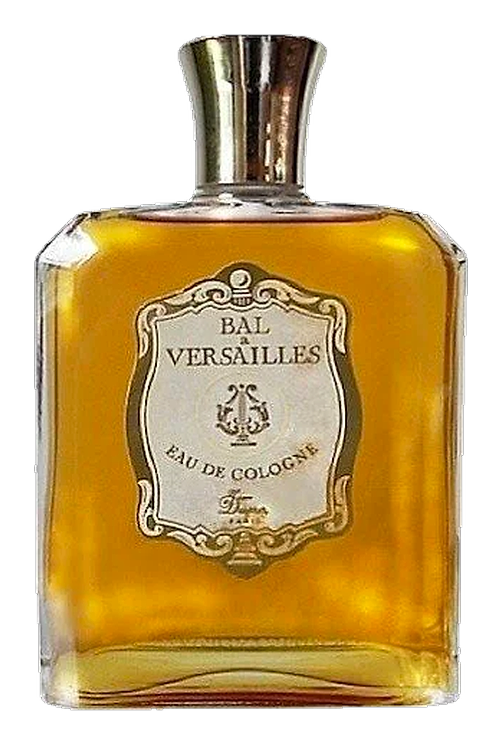
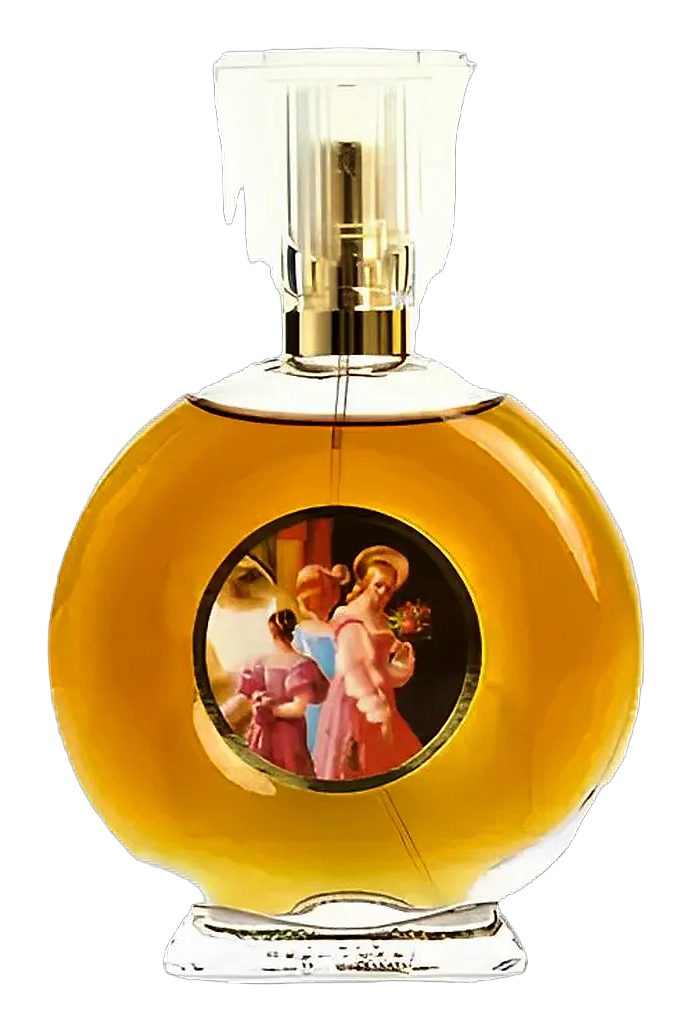
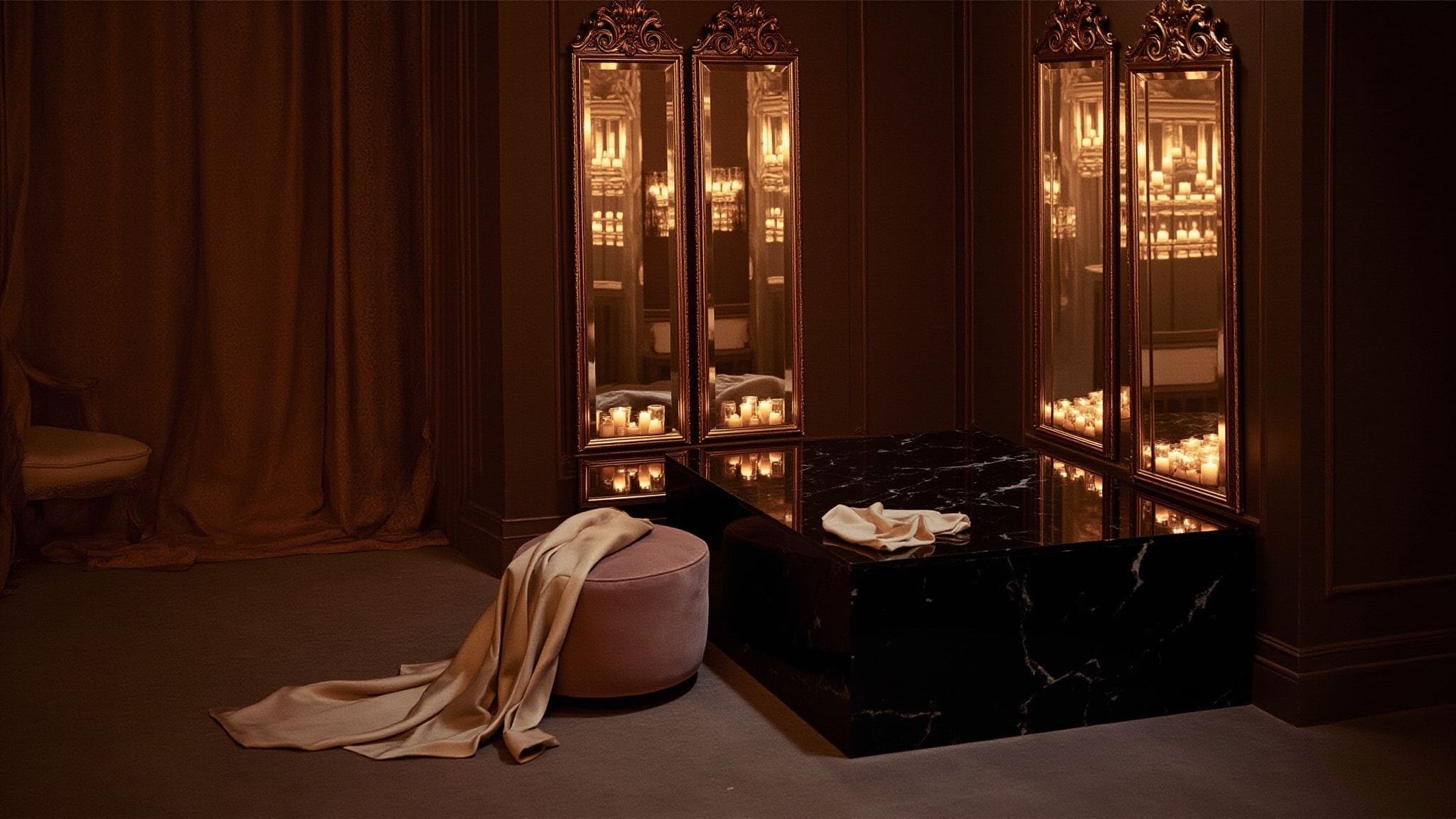
Bal à Versailles arrived in 1962 as a tribute to the grand Parisian ballrooms of the Ancien Régime, those candlelit spaces where powdered wigs, silk gowns, and whispered alliances were the evening's currency. Jean Desprez, a perfumer who had built his house on the principle that fragrance should tell a story, wanted to capture not just the glamour of those events but the animal tension underneath: the heat of bodies in formal dress, the power plays conducted inPerfume. The name was the brief. Everything else followed from there, the boldness, the warmth, the absolute refusal to be subtle. Jean Desprez created Bal à Versailles as an olfactory portrait of a ballroom at full height: chandeliers lit, orchestra tuning, the rustle of taffeta just before the first dance. But beneath the glamour, something else simmered.
What makes Bal à Versailles structurally unusual is the opening move: a thick, unapologetic dose of civet arrives alongside the citrus and white florals, almost like a spoiler at the top of the composition. Most oriental fragrances of that era buried the animalic notes in the base. Jean Desprez put it front and center, daring the wearer to understand what they were signing up for. The heart that follows, leather, ylang-ylang, sandalwood, lilac, does something unexpected: it softens. The leather reads more like suede than saddle, the florals take on a cool, greenish cast from the lilac and vetiver, and the whole middle section feels like a pause in a conversation rather than the main event.
The evolution
The opening hits like aldehydes and citrus lit from within, bergamot, lemon, and mandarin orange set against Bulgarian rose, orange blossom, and jasmine, with rosemary and cassia adding an almost medicinal edge. The civet is present from the first moment, not hidden, not softened. You smell it. The composition doesn't pretend otherwise. Within the first hour, the florals begin to separate from the civet, and the heart emerges: leather, ylang-ylang, sandalwood, lilac. The leather reads more like suede than saddle. The lilac and vetiver bring a cool, greenish counterpoint to the warmth building underneath. This is the pause, the breath between the entrance and whatever comes next. The base arrives and takes over. Amber, benzoin, tolu balsam, vanilla. The whole warm, sticky, resinous weight of it. The civet doesn't disappear. It deepens. Settles into the composition like a secret told close to the ear. Cedar and musk provide the architecture. The drydown lasts for hours, on skin, on fabric, in a room you left an hour ago. This is the payoff.
Cultural impact
Bal à Versailles has become a reference point for bold, animalic orientals in the collector and enthusiast community, a benchmark that still gets cited when discussing vintage French perfumery. The fragrance attracts those who appreciate intense, unapologetic compositions and the distinctive character of classic French houses. Michael Jackson famously adopted it as a signature, which speaks to how the scent transcends gender boundaries and becomes something singular about the person wearing it. Among vintage French orientals, it holds a particular position: warm, golden, multilayered, and impossible to ignore.