The Story
Why it exists.
The beginning
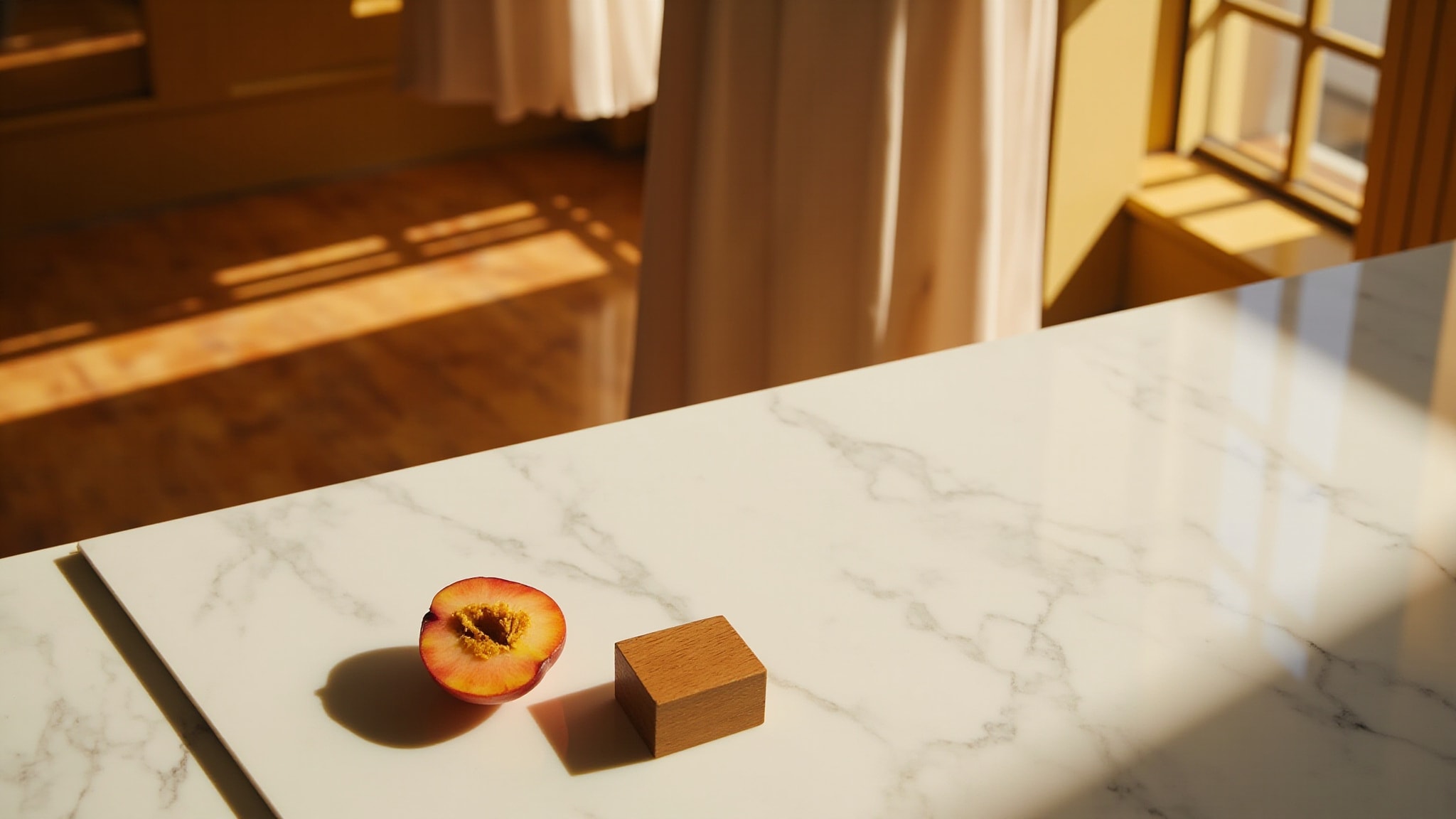
Marcel Rochas approached fashion with a sense of purpose, creating garments for women who moved through the world with intention. His design philosophy emphasized both elegance and practicality, dressing the modern woman without compromising either quality. Edmond Roudnitska made Femme in Paris during the war years, 1943, though it launched in 1944. The name says everything: Femme. Woman. Not a metaphor, not an abstraction. Roudnitska was translating the female form into smell, constructing an olfactory portrait that felt immediate and commanding. He chose peach and plum for the opening, fruits that carry both sweetness and depth, fruits that suggest abundance in uncertain times. Carnation and clove would anchor the heart, spices that speak of warmth and complexity, spices that refuse to be subtle.
Roudnitska understood that peach and plum, while seemingly simple, carry an inherent depth when balanced against spices like carnation and clove. The chypre structure, with its oakmoss and leather foundation, ensures that the sweetness of the opening and the richness of the heart resolve into something that feels complete. Clove and cinnamon in the heart echo the warmth present in the opening, creating continuity. The benzoin and amber in the drydown echo the apricot and plum richness that began everything. Vanilla and musk soften what could be harsh, allowing the woods and leather to provide presence without aggression. This is not a fragrance that shouts. It announces, and there is a difference.
The evolution
The fragrance opens with peach and plum arriving in force, their ripe sweetness tempered by bergamot and the brightness of lemon. Apricot adds a golden richness that deepens the fruitiness while rosewood introduces a dry, woody counterpoint that keeps the opening grounded. Cinnamon weaves through immediately, its warm spice preventing the fruit from feeling like mere sweetness. As minutes pass, the heart takes over with carnation and clove asserting themselves, their peppery, almost savory intensity commanding attention. Jasmine and rose bloom around these spices while rosemary adds an herbaceous note that keeps everything lively. Ylang-ylang provides tropical sweetness and creaminess, and iris adds powdery elegance that elevates the florals. The drydown reveals oakmoss and leather, a classic partnership that provides the structure for everything that came before. Patchouli adds depth, benzoin and amber provide warmth, and vanilla with musk create a soft, lingering finish that feels intimate rather than projecting.
Cultural impact
Femme Rochas occupies a distinctive position among classic fragrances, with a complexity that continues to hold attention decades after its creation. The reformulation in 1989 lightened the peach, but the bones remain the same. Wearers describe it as the scent of someone who doesn't need to announce herself, a fragrance that communicates through presence rather than volume. Its aldehydic warmth, fruity heart, and animalic base create an effect that feels both timeless and specific, a portrait of confidence that hasn't aged into mere nostalgia.