The Story
Why it exists.
The beginning
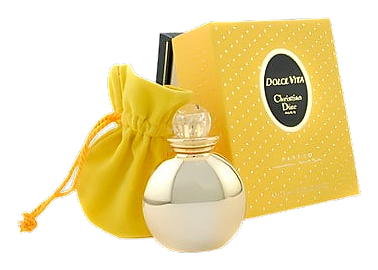
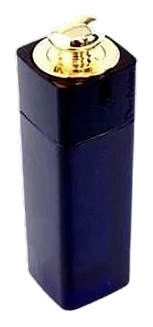
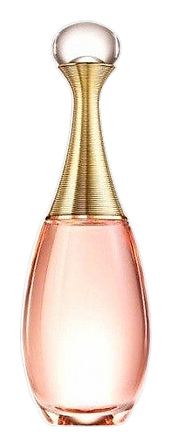
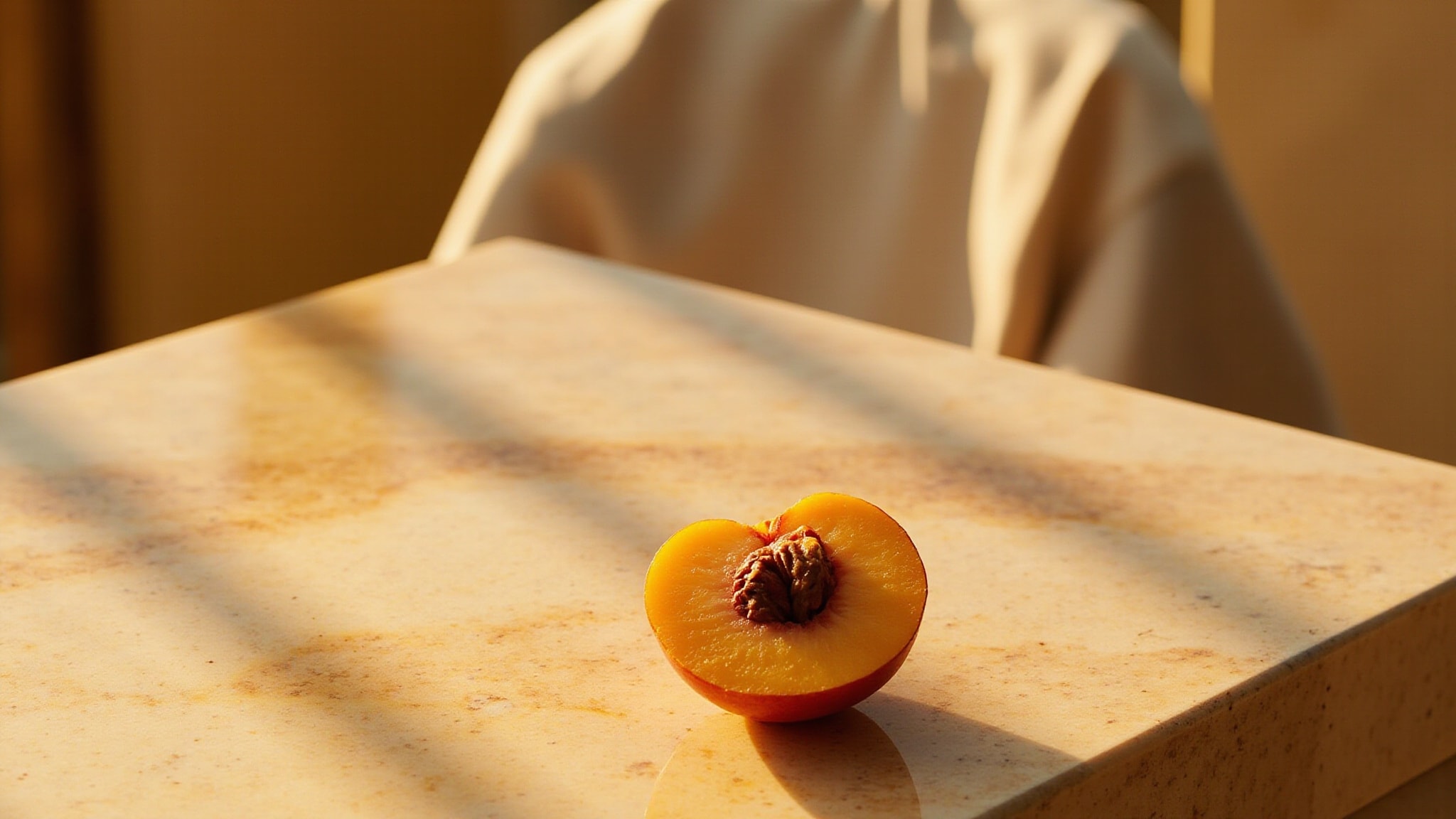
Pierre Bourdon built Dolce Vita with one intention: to bottle joy itself. Launched in 1994, this was the brief handed to one of France's most respected noses, and he answered it by crafting a fruity floral with spicy undertones that felt like warm afternoon light on skin. The name came from the Italian for sweet life, and the fragrance was designed to carry that meaning on its surface. Dior, with its couture heritage and philosophy that perfume is the final touch on a look, gave Bourdon the canvas. He gave the house something it could hang a campaign on: a scent that smells like the easiest, most uncomplicated kind of happiness. Peach, apricot, cinnamon, sandalwood, vanilla. Nothing revolutionary in the materials. Everything in the proportions.
What makes Dolce Vita work is how the warm spices integrate into the fruit without tipping into edible territory. The cinnamon sits in the heart alongside apricot and Brazilian rosewood, giving the sweetness a spiced depth that prevents it from reading as simple or one-dimensional. Heliotrope adds a powdery, slightly almond-floral quality that softens the whole composition and makes it feel luminous rather than heavy. The woody base of sandalwood and cedar anchors everything and keeps the florals from floating too high. Vanilla in the base gives warmth without gourmand sweetness. Coconut adds a subtle creaminess that rounds the drydown into something skin-close and intimate.
The evolution
The opening hits bright and tart. Bergamot and grapefruit arrive first, sharp and immediate, before lily of the valley and magnolia soften the citrus and introduce the florals. That initial brightness lasts about fifteen minutes before the composition settles into its real character. The heart is where Dolce Vita becomes itself. Cinnamon and apricot arrive together, and the peach from the opening doesn't disappear. It deepens instead, becoming richer, more jammy, as the spices give it weight. Heliotrope and magnolia keep the florals present but powdery, almost talc-like, creating a soft backdrop for the fruit and spice to play against. The drydown is where the sandalwood and cedar take over. Sandalwood brings its creamy, slightly sweet woodiness while cedar adds structure and a subtle dryness. Vanilla and coconut blend into a warm, skin-close base that wraps everything together and keeps it there. This is the part that people remember at the end of the day. Not loud. Not projecting across a room.
Cultural impact
Dolce Vita arrived in 1994, when the world was ready for uncomplicated joy. The nineties were a decade of optimism, and this fragrance captured that spirit directly. It's become a reliable choice for people who want warmth and elegance without feeling dressed up. The reformulation shifted the character slightly, making it lighter and more contemporary while keeping that warm, comforting core. Wearers who remember the original tend to feel strongly about the changes. Those discovering it fresh tend to agree on one thing: it smells like happiness.