The Story
Why it exists.
The beginning
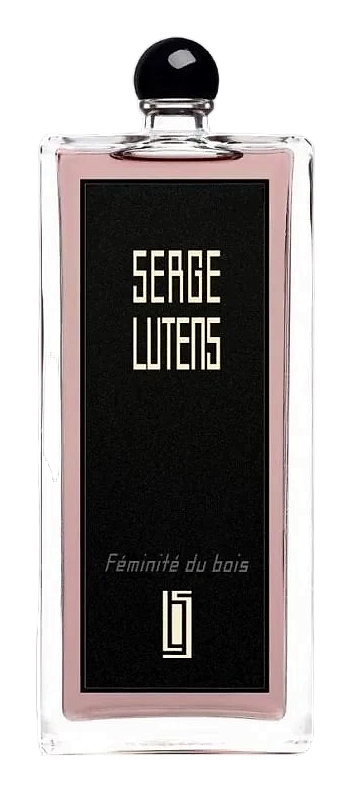
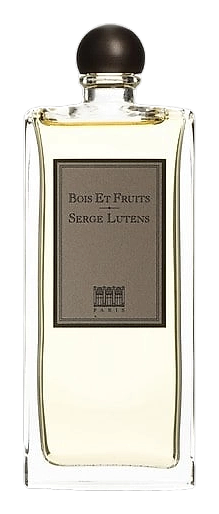
Bois et Fruits emerged in 1992, part of a quartet of "Bois" fragrances that Serge Lutens and Christopher Sheldrake were building at the time. It arrived as a companion piece to Féminité du Bois, sharing its cedar foundation but pushing the fruit element further, darker, more insistent. The name itself is a statement: wood and fruit together, neither subordinate to the other. What Sheldrake was going for wasn't another fruity flanker in the conventional sense. It was an exploration of what happens when stone fruits are allowed to ripen past their peak, to take on complexity rather than brightness. The fragrance opens with a dense, almost wine-like plum note that feels more like a fermented stone fruit than a fresh one.
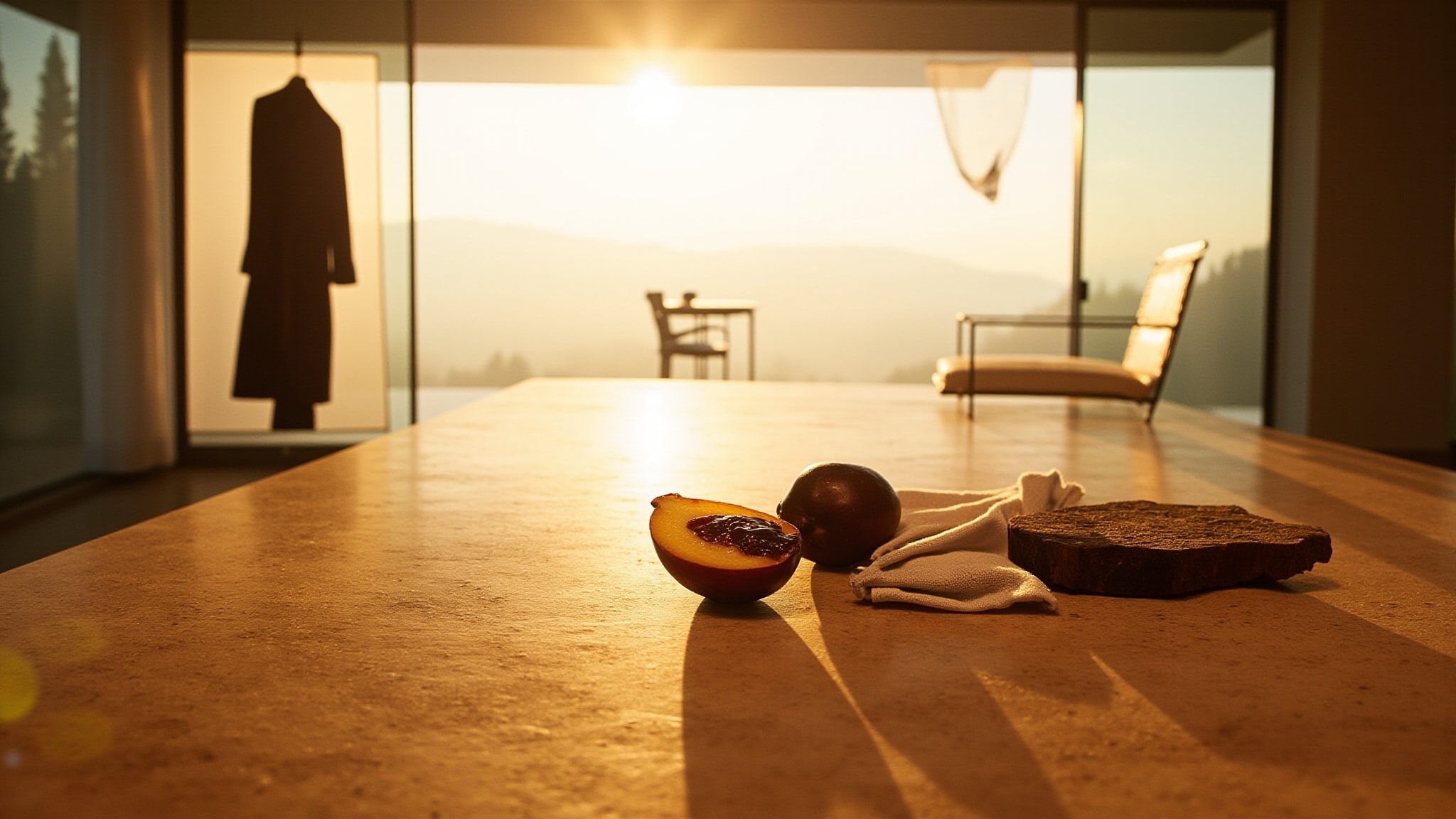
The choice of overripe fruit as the primary material is unusual. Bois et Fruits goes the other direction, embracing density and fermentation as virtues. The plum doesn't smell like a plum; it smells like plum wine, like fruit that's begun to transform. This fermented quality could easily tip into something muddy or unpleasant. That's where the cedar does its work. It doesn't sweeten or soften the fruit, it structures it, pulls it back from collapse, gives the sweetness something to lean against.
The evolution
The opening hits hard and fast, concentrated plum and fig, the density of overripe fruit that can't get any riper without becoming something else entirely. There's a wine-like quality here, almost a brandy warmth, but it's not alcoholic. It's just fruit at its absolute peak, about to turn. This phase holds for the first thirty minutes, maybe forty-five, depending on skin. Then apricot arrives, joining the stone fruit accord without lightening it. The sweetness deepens, becomes more jammy, more concentrated. Cedar begins asserting itself around the one-hour mark, not as a base note arriving late, but as a structural element appearing early, shaping how everything else settles. By the second hour, the wood dominates the composition, though the fruit hasn't disappeared. It's been transformed, abstracted, made into something less literal. The drydown is powdery and warm, cedar and sweet residue mixing into a skin-like warmth that stays intimate and close. Eight to ten hours, sometimes more.
Cultural impact
Bois et Fruits occupies a particular niche within the Serge Lutens catalogue, a fruity fragrance for those who find most fruit notes too bright, too simple, too unwilling to take risks. It was launched in 1992 and represents an alternative approach to the genre. The fragrance appeals to wearers who want something with more depth and ambiguity than a standard fruity composition typically offers. It doesn't follow the expected template for fruit-forward perfume.