The Story
Why it exists.
The beginning
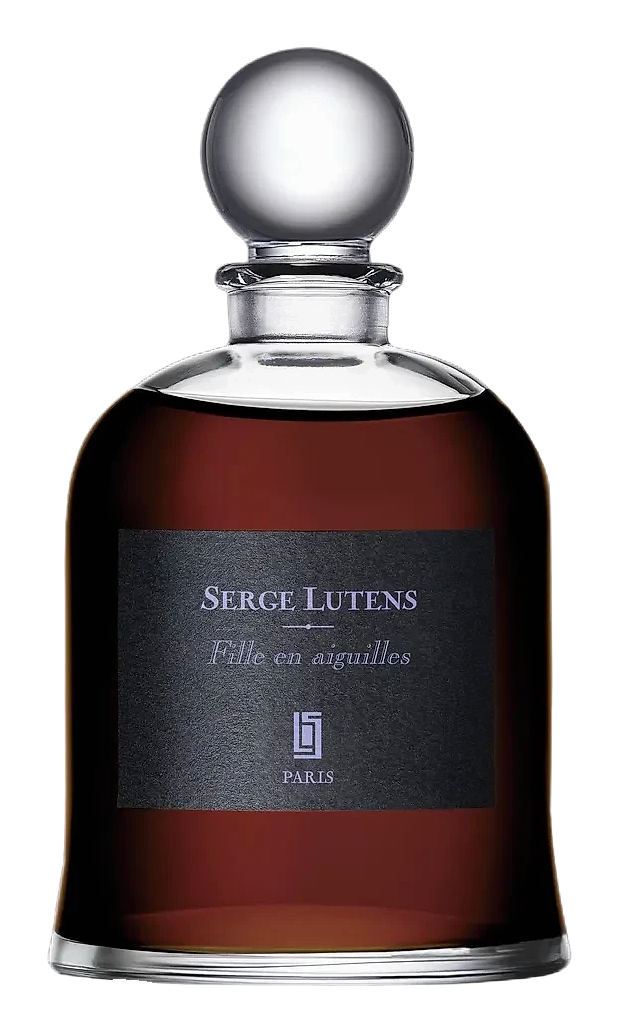
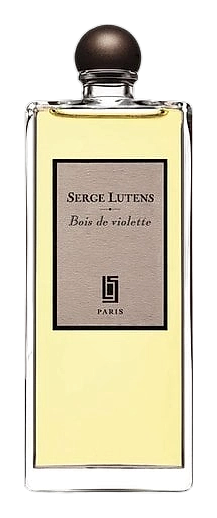
The name is the brief. Bois de Violette, violet wood, first released in 1992 by Serge Lutens, with Christopher Sheldrake composing. This was a companion piece to Féminité du bois, Lutens' landmark violet-and-cedar statement that helped establish the house at the Palais Royal. Where its sibling took the concept further into abstraction, Bois de Violette kept something more legible: a violet that breathes, a cedar that answers. The tension between the two materials defines the entire fragrance. Sheldrake didn't build around them, he set them against each other and let the wearer decide which one wins.
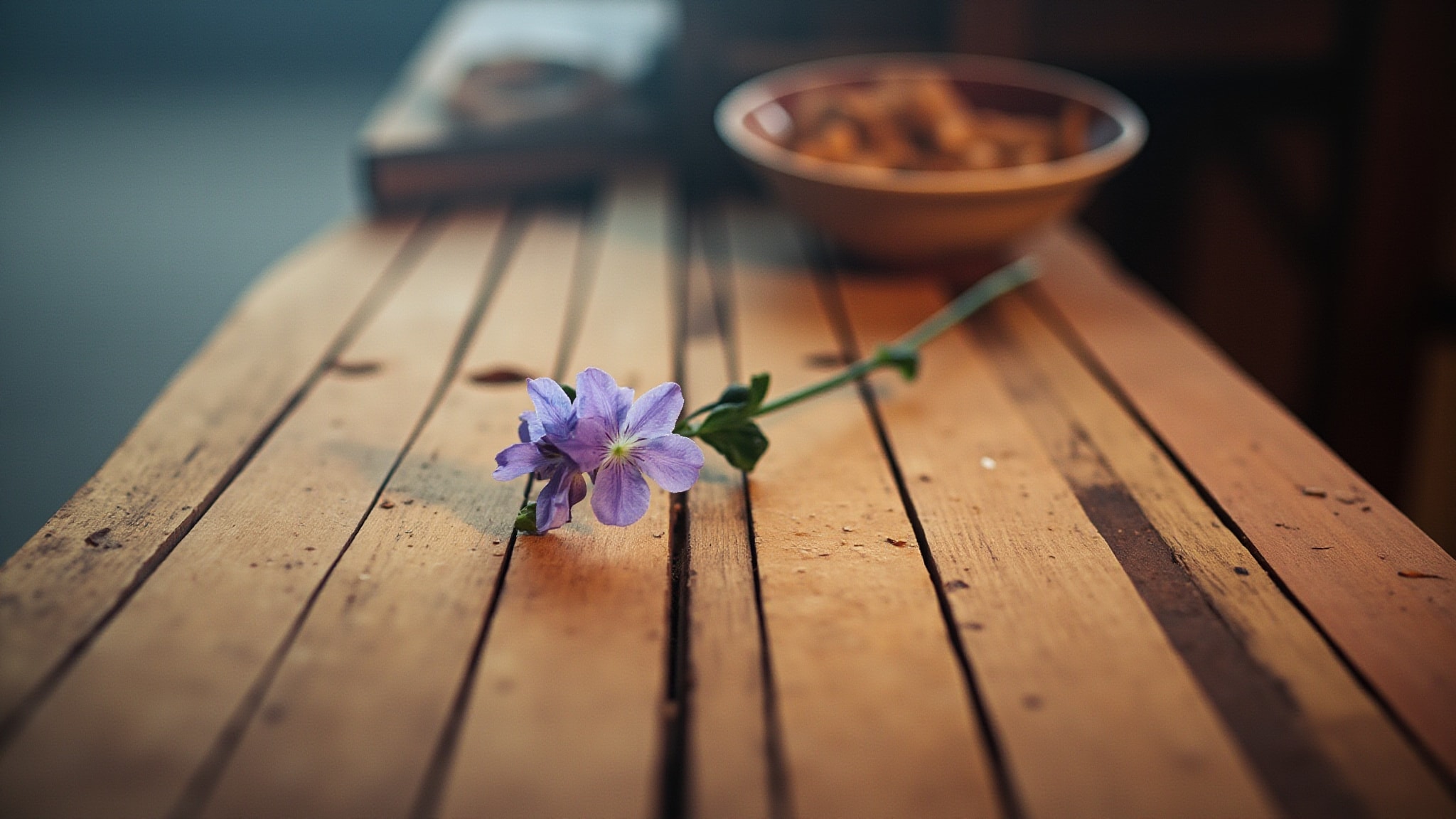
The structure is deceptively simple: three core notes doing distinct work across the wear. Violet leaf leads, not the flower, the stem, the green wet reality of the plant before it blooms. Cardamom threads in as a brief spice, a few minutes of aromatic warmth that keeps the opening from reading purely dewy. Then the cedar arrives and stays, taking over the drydown with that pencil-shaving clarity that makes the violet read powdery rather than fresh. What makes it interesting is the violet never fully disappears. It lingers as a quality of the wood itself, a memory of the flower rather than the flower. That powdery finish is the tell.
The evolution
The opening arrives clean and cool, violet leaf, green and dewy, like the air after rain on a garden path. Fifteen minutes in, the cardamom emerges, a fleeting spice that adds warmth without weight. Then the cedar begins its slow take-over. Not all at once. It edges out the green, replaces it with something drier, woodier, almost mineral. The violet follows but doesn't vanish, it softens, becomes powdery, almost abstract. Two hours in, the composition reads as violet-and-cedar in equal measure, the two notes folded into each other. By hour four, the cedar owns it. That pencil-wood clarity sits close to the skin, powdery violet underneath, quiet and resolved. What remains on fabric the next morning is the cedar. Just cedar. And that faintest ghost of something floral, as if the violet stained the wood and never quite washed out.
Cultural impact
Bois de Violette sits within the Flacons de table collection, a quieter line than the Collection Noire, less confrontational, more wearable. It was designed as a lively, energetic variant on the Féminité du bois concept, closer in spirit to the original than the house's more challenging work. The violet-cedar pairing became something of a Lutens signature, and this 1992 composition helped cement it. What makes it endure is its restraint. It doesn't announce itself. It rewards the wearer who chooses it for the right reasons.