The Story
Why it exists.
The beginning
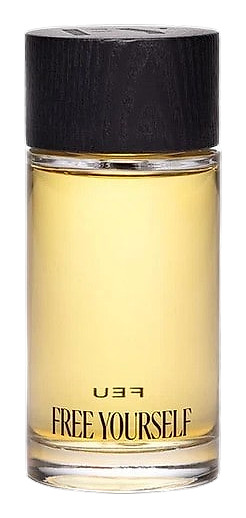
Feu was born from a single question: what does fire actually smell like? Not a candle. Not a hearth. The real thing. Named for the French word for fire, it translates the element's dual nature into scent: clove and cinnamon that bite on entry, ylang-ylang and neroli that smolder in the heart, leather and cedarwood that settle like embers on skin. The composition takes the familiar elements of warmth and intensity and arranges them in unexpected ways, creating something that feels both primal and intentional. What emerges is a fragrance that doesn't apologize for its character. The spice-forward opening establishes a bold presence that carries through to the drydown, where woody notes ground the experience without softening it.
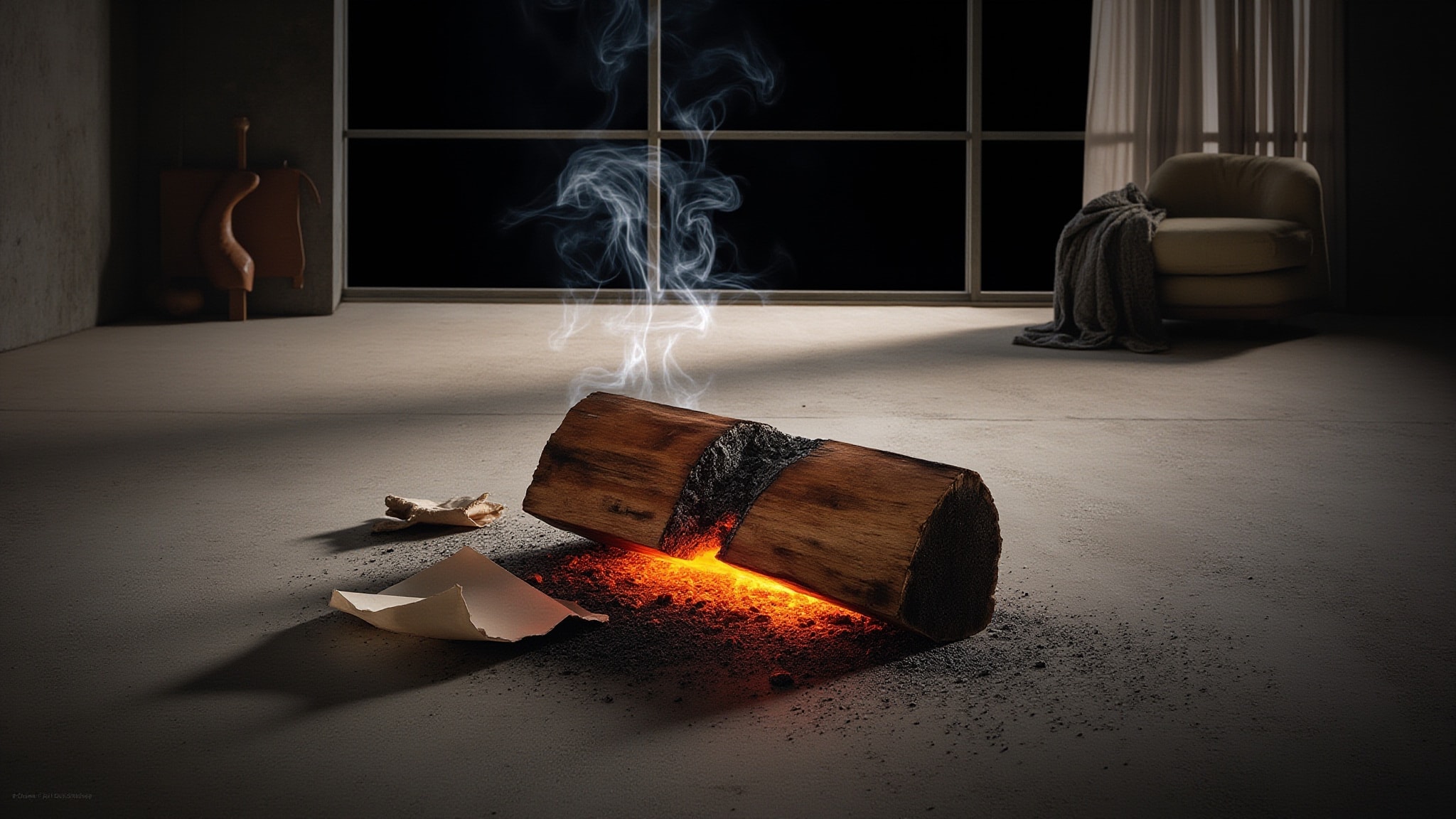
What makes Feu work is its internal contradiction. The composition balances burning heat against cooler, ashy character. Labdanum, tonka, and vanilla push forward with gourmand warmth, while cedarwood overdose provides contrast. It's smoke without being campfire. Spice without being aggressive. The yellow florals add a layer of richness that prevents the composition from feeling harsh or one-dimensional. A powdery softness appears in the heart, offering a bridge between the sharp top notes and the warmer base.
The evolution
Anise and clove hit first, sharp and almost medicinal in their intensity. Cinnamon leaf adds a green, slightly harsh edge that catches attention. Then something shifts. The spice begins to soften as ylang-ylang blooms through the composition, bringing a creamy, almost narcotic sweetness that transforms the character. The transition feels dramatic, like watching a fire catch rather than watching it burn out. Rosemary and neroli add herbal brightness alongside violet's powdery whisper. The drydown introduces musk and leather, warm and intimate, while cedarwood delivers the cold-burnt-log effect, creating a base that prevents the composition from becoming too sweet. What results is a fragrance that moves through distinct phases, each one building on the last without repeating what came before.
Cultural impact
Feu arrives at a moment when more wearers are seeking intensity and distinctiveness in their fragrance choices. The Elements collection offers something outside conventional categories, appealing to those who want spice, smoke, and warmth without familiar oriental associations. Within this context, Feu occupies a specific position: the fragrance for someone who wants something with real character. Its reception reflects this boldness. Some find the opening too medicinal. Others find it a refreshing alternative to predictable spicy compositions. Neither group is wrong.