Anise
Anise delivers a distinct licorice sweetness with aromatic warmth. Perfumers prize it as both a top and heart note, bringing depth to oriental and fresh compositions with its clean, spicy character.
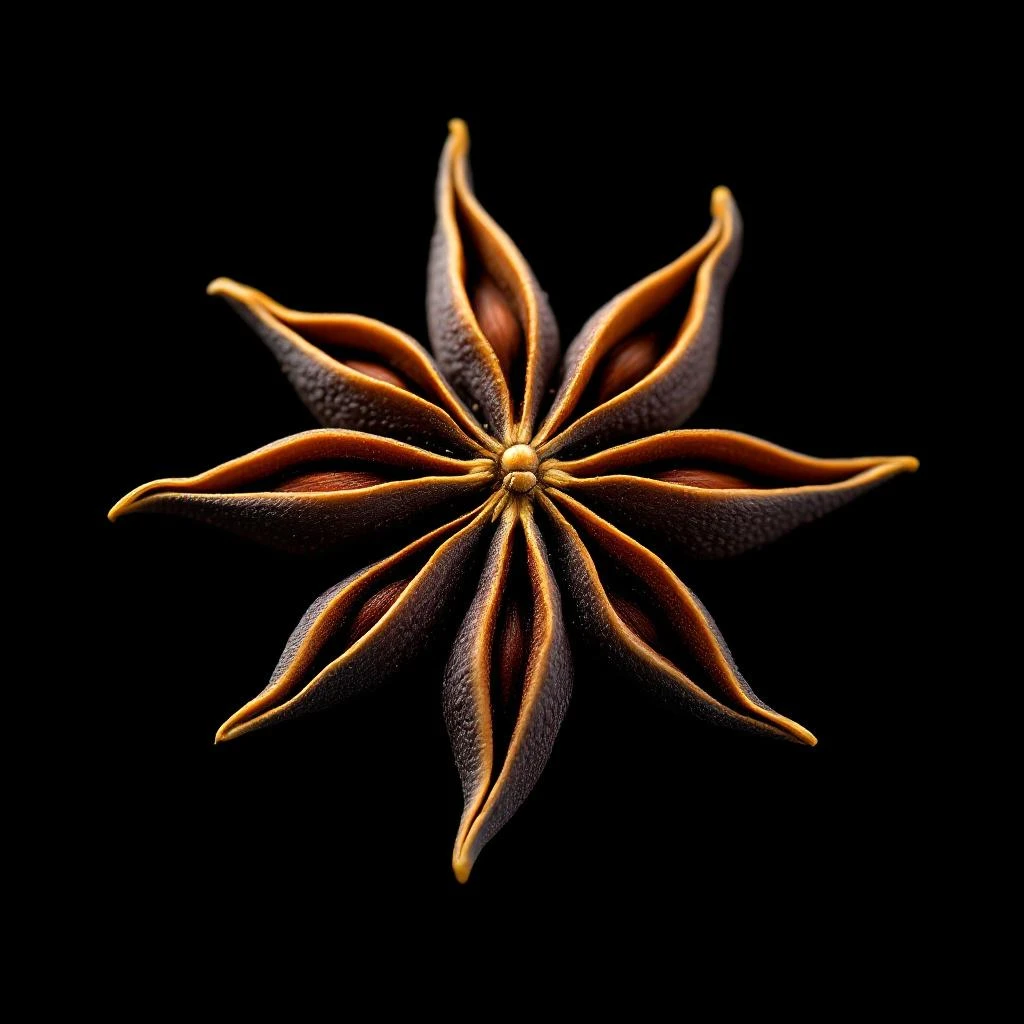
Character
How it smells
The licorice-like spice that bridges sweet and savory.
Ancient physicians in Greece prescribed anise for digestive complaints. Modern research confirms the compound anethole stimulates digestive enzymes.









Origin
Mediterranean region
Anise seeds trace back to ancient Egyptian cultivation around 1500 BC, where workers used them in cooking and medicinal preparations. Greek physicians documented anise in medical texts by the first century AD, praising its digestive and breath-freshening properties. The Roman author Pliny mentioned anise in detailed recipes, confirming its established role in Mediterranean kitchens.
Trade routes spread anise throughout Europe during the Middle Ages, where it became a staple in both culinary and perfumery traditions. Italian monasteries in the Renaissance sourced anise for sacramental preparations and aromatic blends. By the 1600s, French and Italian perfumers worked with anise regularly, pairing it with citrus and wood notes.
Mediterranean cultures developed distinctive spirits using anise, from Greek ouzo to French pastis, reflecting the ingredient's deep regional roots. Today, anise appears across fragrance families, from fresh colognes to rich oriental compositions, maintaining its relevance after 3,500 years of human use.
Wears it best
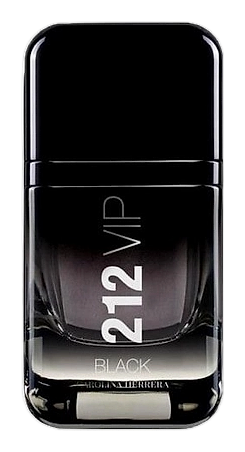
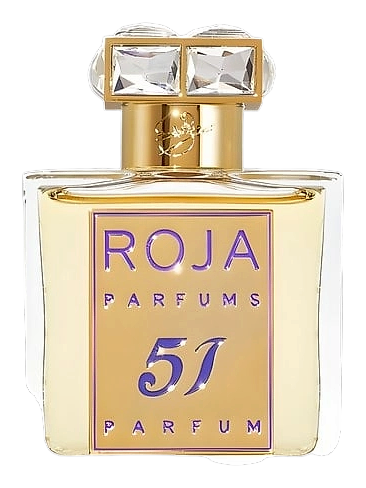
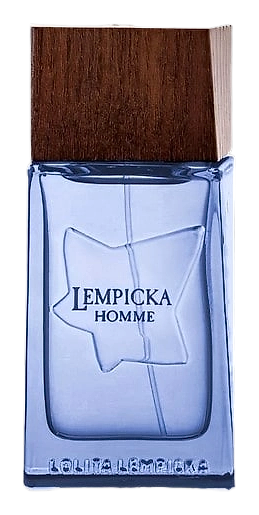
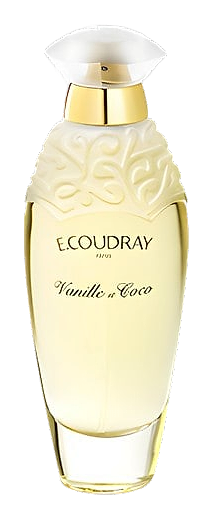
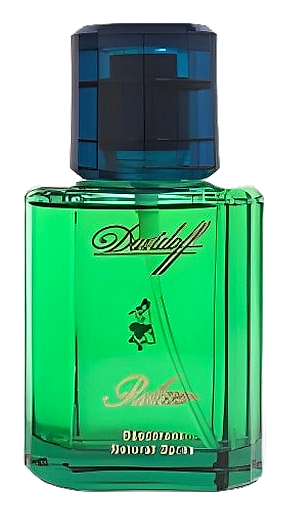
Fragrances featuring Anise

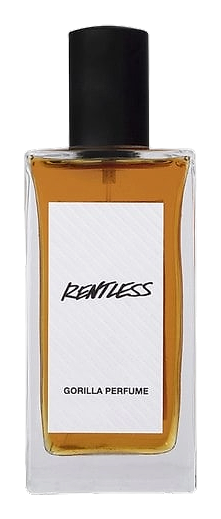
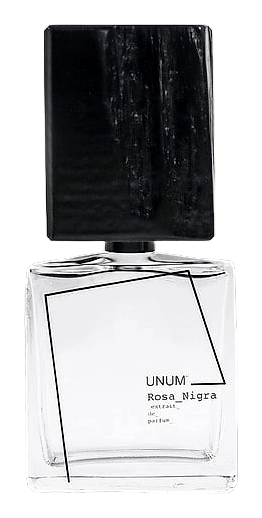


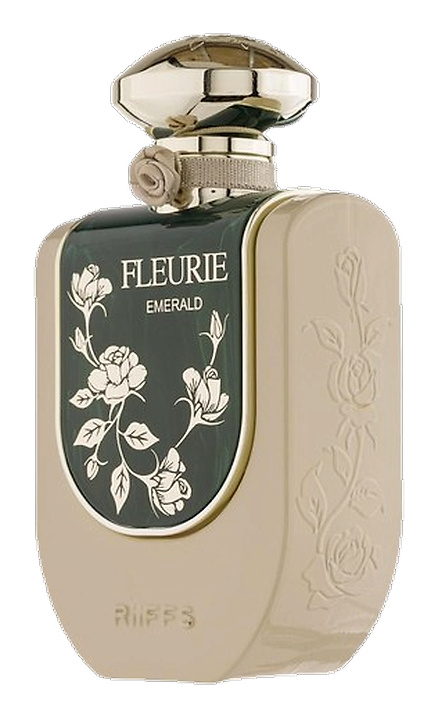
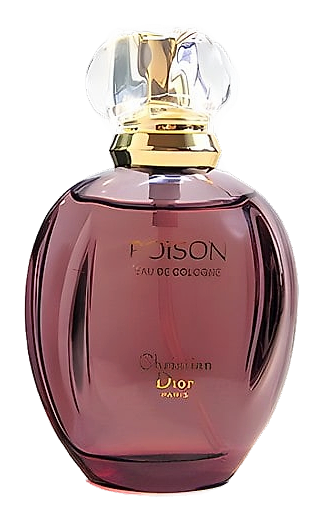
Brands
Brands known for Anise
Good to know
Questions, answered
The essentials on Anise in perfumery: how it smells, where it comes from, and how it behaves on skin.
What compound defines anise's scent?
Anethole defines anise's aroma. This aromatic compound makes up 90-95% of anise essential oil and produces the characteristic licorice sweetness. Synthetic anethole replicates this scent for consistent formulation.
Is anise used as a top note or heart note?
Anise functions as both. As a top note, it provides immediate aromatic impact and lifts compositions with its bright, spicy character. As a heart note, it adds warmth and continuity to fragrance development.
What is the difference between anise and star anise?
Star anise (Illicium verum) grows on an evergreen tree native to China, while anise (Pimpinella anisum) is a small plant from the Mediterranean. Both contain anethole, so they share the licorice note despite being botanically unrelated.
What fragrance combinations work well with anise?
Anise pairs naturally with florals like jasmine and rose, which soften its spice. It also complements vanilla, creating warm oriental character. In fresher compositions, anise works alongside citrus and green notes.
Which fragrance families feature anise most prominently?
Oriental fragrances use anise extensively for its warm, sweet-spicy character. Fougere compositions incorporate anise for aromatic depth. Some fresh colognes and aquatic fragrances use anise as an unexpected top note.
Does anise have historical significance in perfumery?
Ancient Greeks used anise for its aromatic and therapeutic qualities by the first century AD. Egyptian cultivation dates to 1500 BC. Italian Renaissance perfumers worked with anise regularly, establishing its place in Western perfumery.
How does anise contribute to fragrance longevity?
Anethole has moderate volatility, allowing anise to linger through a fragrance's middle stages. The compound helps bridge top and base notes, creating smoother transitions as the composition develops.
Can anise replace licorice in perfumery?
Yes. Anise seeds produce the same anethole compound that defines licorice's scent. Perfumers use anise to achieve authentic licorice character without using the actual licorice root, which is denser and more challenging to extract.