The Story
Why it exists.
The beginning
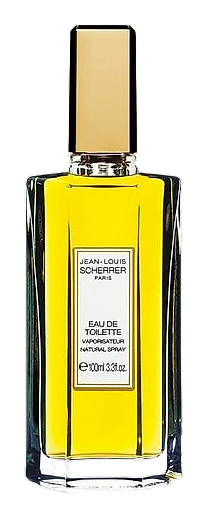
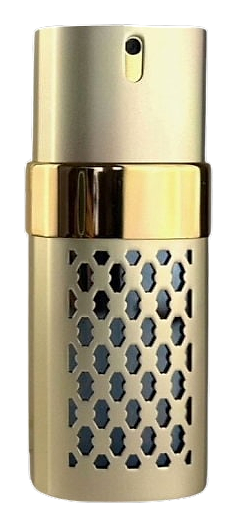
Jean-Louis Scherrer launched Scherrer 2 in 1986, six years after releasing the house's debut fragrance, a green chypre that collectors still talk about. By this point, the house had established its method: compositions that reveal new facets over time, ingredients chosen for how they age on skin rather than how they perform in a bottle. Scherrer 2 was the next move. The brief called for something that built on the house's structural discipline but moved into warmer territory, oriental florals with enough presence to fill a room without shouting. Jean-Louis Scherrer crafted the formula himself, working with French perfumers who understood the balance between couture precision and olfactory impact. The result was a fragrance that felt like a natural evolution: same house, different register.
The honey-tuberose pairing is the structural decision that defines Scherrer 2. Tuberose is one of the most assertive white florals, it doesn't ask for space, it takes it. The honey doesn't soften it. It amplifies. Together they create a heart that feels almost edible, dense with sweetness and warmth. This is where the 1986 couture house logic becomes clear: the brief wasn't for white florals that behave. It was for white florals at their most confident. The aldehydes in the opening support this, they give the composition its initial lift, a brightness that makes the honeyed florals feel theatrical rather than merely sweet.
The evolution
The aldehydes hit first. Not a subtle entrance, a declaration. Pineapple and bergamot follow, the green notes keeping the sweetness from overwhelming the opening. This is 1986 in a spray: confident, theatrical, designed to be noticed before it settles. The transition happens within the first hour. The honeyed florals take over, tuberose leading, jasmine following, the lily of the valley adding a freshness that prevents the heart from becoming too heavy. The aldehydes don't disappear; they shift, becoming structural rather than dominant. The drydown is where Scherrer 2 earns its reputation. Sandalwood and vanilla create a creaminess that lingers. Benzoin and amber add warmth. Heliotrope gives the powdery finish that wearers consistently describe as the signature. Musk stays close to the skin, animalic but not aggressive. On most skin types, this lasts well into the next day, a quiet, warm presence that doesn't announce itself but refuses to leave.
Cultural impact
Scherrer 2 occupies a specific corner of fragrance history, the 1980s oriental floral that rewards wearers who appreciate structure, presence, and vintage elegance. The Vogue mentions suggest it was positioned for women who wanted fragrance as an extension of their composure, not an accessory. The aldehydic opening places it in conversation with the great aldehydic florals of the era, while the honeyed tuberose heart gives it a character that remains distinctive. Wearers who seek it out tend to value the boldness of 1980s compositions and the discipline of classic French chypre structure.