
    Brand Profile

    Jean-Louis Scherrer began as a Parisian couture house before it turned to scent. The label released its first perfume in 1979, a green chypr…More

    France·Est. 1962·Site

    4.4

    Rating

    14
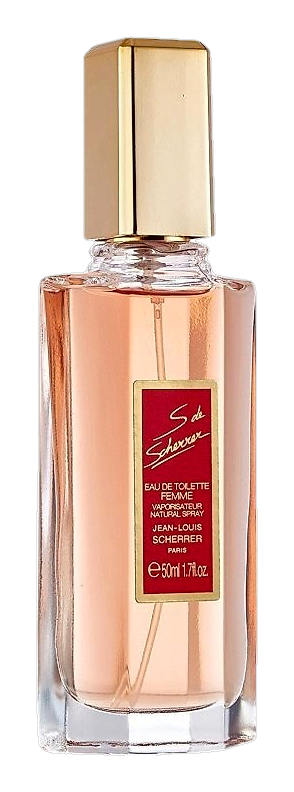
    S de Scherrer by Jean-Louis Scherrer – Eau de Toilette
    Best Seller
    4.4

    S de Scherrer

    Eau de Toilette

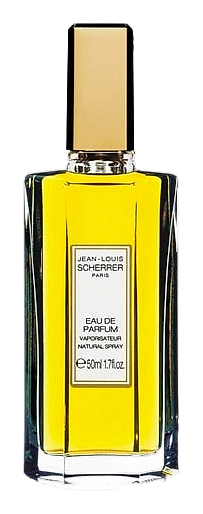
    Jean-Louis Scherrer Eau de Parfum by Jean-Louis Scherrer
    Best Seller
    4.5

    Jean-Louis Scherrer Eau de Parfum

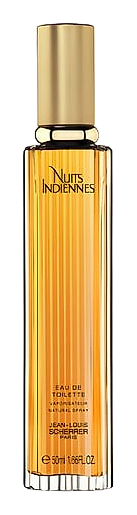
    Nuits Indiennes (Indian Nights) by Jean-Louis Scherrer
    Best Seller
    4.4

    Nuits Indiennes (Indian Nights)

    Jean-Louis Scherrer by Jean-Louis Scherrer
    4.3

    Jean-Louis Scherrer

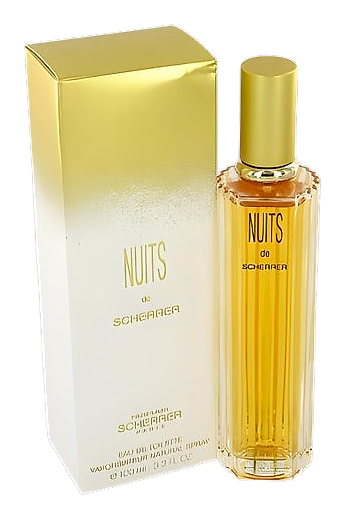
    Nuits de Scherrer by Jean-Louis Scherrer
    4.2

    Nuits de Scherrer

    Scherrer 2 by Jean-Louis Scherrer
    4.2

    Scherrer 2

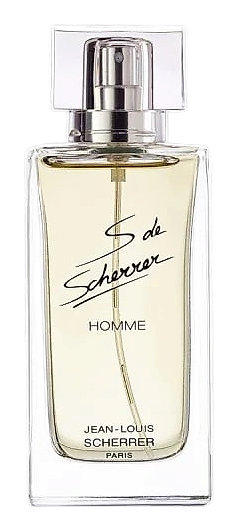
    S de Scherrer Homme by Jean-Louis Scherrer
    4.1

    S de Scherrer Homme

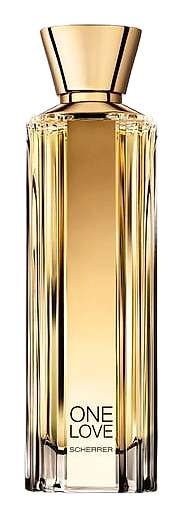
    One Love by Jean-Louis Scherrer
    4.0

    One Love

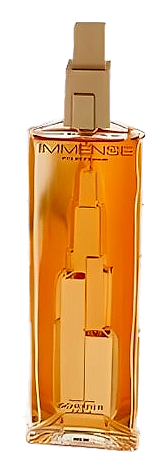
    Immense Pour Homme by Jean-Louis Scherrer
    4.0

    Immense Pour Homme

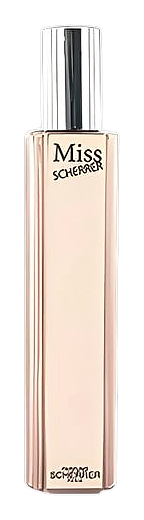
    Miss Scherrer by Jean-Louis Scherrer
    3.9

    Miss Scherrer

    Immense Pour Femme by Jean-Louis Scherrer
    3.9

    Immense Pour Femme

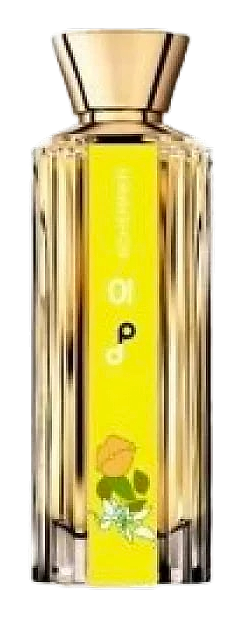
    Pop Delights 01 by Jean-Louis Scherrer
    3.7

    Pop Delights 01

    1 of 2

    The Heritage

    The Story of Jean-Louis Scherrer

    Jean-Louis Scherrer began as a Parisian couture house before it turned to scent. The label released its first perfume in 1979, a green chypre that still draws attention from collectors. Over the decades the house added oriental, woody and floral compositions, each echoing the clean lines of its runway. After the founder’s death in 2013, the brand reopened a flagship boutique on Rue du Faubourg Saint‑Honoré in 2014 and continues to offer a modest but respected portfolio of niche fragrances.

    Heritage

    Jean‑Louis Scherrer trained under Louis Féraud before opening his own couture house in the early 1960s. He chose Rue du Faubourg Saint‑Honoré as the first address, a street that still hosts the brand’s flagship today. The label quickly earned a reputation for dressing French intelligentsia and international socialites; contemporary accounts name Françoise Sagan and Jackie Kennedy among his clients. In 1979 Scherrer launched his inaugural fragrance, simply titled Jean‑Louis Scherrer, a green chypre that broke with the floral dominance of the era. The scent combined sharp bergamot, bitter oakmoss and warm labdanum, creating a structure that perfumers later described as “ultra‑verdant yet inviting.” The house followed with Scherrer 2 in 1986, then expanded into oriental territory with Nuits Indiennes in 1994, a perfume that evoked Indian evenings through spice and amber accords. The early 2000s saw the introduction of masculine offerings such as Immense Pour Homme (2002) and S de Scherrer Homme (2006). Miss Scherrer arrived in 2008, marking the last fragrance released while the founder was alive. Jean‑Louis Scherrer died in 2013, and the fashion house ceased operations. In 2014 a new investment group revived the brand, reopening a boutique on its historic street and re‑issuing classic scents alongside newer releases like One Love (2015). The revival respects the original aesthetic while positioning the house within today’s niche perfume market.

    Craftsmanship

    Jean‑Louis Scherrer works with French perfumers who draft formulas in small laboratories before handing them to larger manufacturers for scale. The original 1979 green chypre was blended using a traditional chypre base: citrus top notes, a heart of rose and jasmine, and a deep, mossy base of oakmoss, labdanum and patchouli. Later scents such as Nuits Indiennes introduced spice accords derived from cardamom and cinnamon, layered over a warm amber foundation. The house sources natural ingredients from established growers; for example, the bergamot in its early fragrances comes from the Calabrian coast, while the sandalwood in later releases is harvested from Indian plantations that follow ISO‑14001 environmental standards. Quality control includes batch testing for consistency, a practice documented by independent reviewers who note the perfume’s stable evolution over years. Bottles are produced in French glass factories that employ hand‑blowing techniques, ensuring each container meets strict thickness tolerances. The brand also caps fragrances with aluminum spray mechanisms designed to deliver a fine, even mist, reducing waste and preserving the perfume’s intended concentration. Throughout its history the house has avoided synthetic shortcuts, preferring natural absolutes when they meet safety regulations, a stance confirmed by ingredient disclosures on third‑party retail sites.

    Design Language

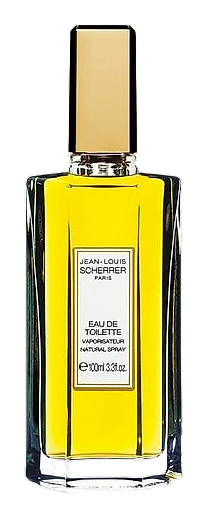
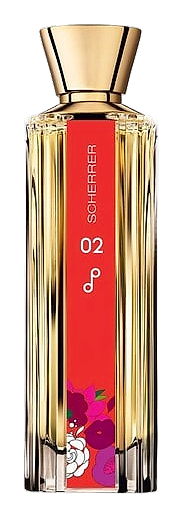
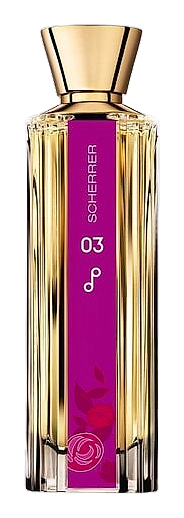
    The visual language of Jean‑Louis Scherrer mirrors the clean silhouette of its clothing. Early bottles featured simple rectangular glass with minimal embossing, a silver or gold cap, and the brand name in a thin, sans‑serif typeface. The label’s color palette stayed restrained—black, white, and muted metallics—allowing the perfume’s hue to become the focal point. In the 2000s the house introduced a matte black bottle for S de Scherrer, adding a subtle brushed texture that hinted at modernity while retaining the classic shape. The 2014 flagship store on Rue du Faubourg Saint‑Honoré showcases a minimalist interior: white walls, polished wood, and discreet lighting that highlights the perfume displays without overt branding. Marketing imagery often portrays the fragrance against architectural backdrops, emphasizing structure over narrative. Graphic assets use clean lines and generous white space, reinforcing the idea that each scent is a well‑cut garment for the nose. The overall aesthetic communicates confidence through restraint, inviting the wearer to focus on the perfume’s composition rather than decorative excess.

    Philosophy

    The house treats fragrance as an extension of couture tailoring. Designers and perfumers collaborate to balance top, middle and base notes the way a dress balances cut, fabric and finish. The brand values timeless structure over fleeting trends, preferring ingredients that age gracefully on skin. It seeks to translate the discipline of pattern‑making into olfactory architecture, using clear, linear compositions that reveal new facets over time. Sustainability appears in sourcing choices; the house favors natural extracts that can be harvested responsibly, such as sustainably farmed bergamot from Calabria and ethically sourced oakmoss from European forests. Rather than chase novelty, the house refines classic families—chypre, oriental, woody—while allowing each new release to reflect a specific cultural or emotional reference, as seen in Nuits Indiennes’ homage to Indian nights. This approach keeps the portfolio cohesive yet diverse, offering collectors a sense of continuity across decades.

    Key Milestones

    1962

    Jean‑Louis Scherrer opens his own couture house on Rue du Faubourg Saint‑Honoré after leaving Louis Féraud.

    1979

    Launch of the first fragrance, Jean‑Louis Scherrer, a green chypre that becomes a cult classic among collectors.

    1994

    Release of Nuits Indiennes, an oriental scent inspired by Indian evenings, expanding the brand’s olfactory palette.

    2008

    Miss Scherrer debuts, the final fragrance released before the founder’s death.

    2013

    Jean‑Louis Scherrer passes away, and the fashion house ceases operations.

    2014

    The brand is revived, opens a new flagship boutique on its historic Rue du Faubourg Saint‑Honoré address, and begins re‑issuing classic scents.

    At a Glance

    Brand profile snapshot

    Origin

    France

    Founded

    1962

    Heritage

    64

    Years active

    Collection

    1

    Fragrances released

    Avg Rating

    4.4

    Community sentiment

    Release Rhythm

    2017
    3
    2015
    1
    2008
    1
    2006
    2
    2002
    2
    1994
    2
    1986
    1
    1979
    2
    scherrer.com

    Did You Know?

    Interesting Facts

    Distinctive details and defining moments that shape the house personality.

    01

    The 1979 green chypre launched before the widespread popularity of floral‑dominant perfumes, making it a bold choice for its time.

    02

    Jean‑Louis Scherrer dressed cultural icons such as Françoise Sagan and Jackie Kennedy, linking the perfume house to a high‑profile social circle.

    03

    Nuits Indiennes was one of the early French fragrances to explicitly reference Indian culture, predating the recent wave of East‑inspired niche scents.

    04

    The brand’s 2014 revival chose to reopen on the exact street where the original couture house began, reinforcing its historic roots.

    05

    Miss Scherrer, released in 2008, was the last new scent introduced while the founder was alive, marking the end of an era.

    The Artisans

    The Perfumers