The Story
Why it exists.
The beginning
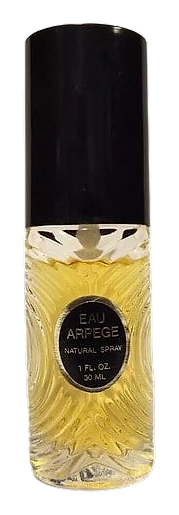
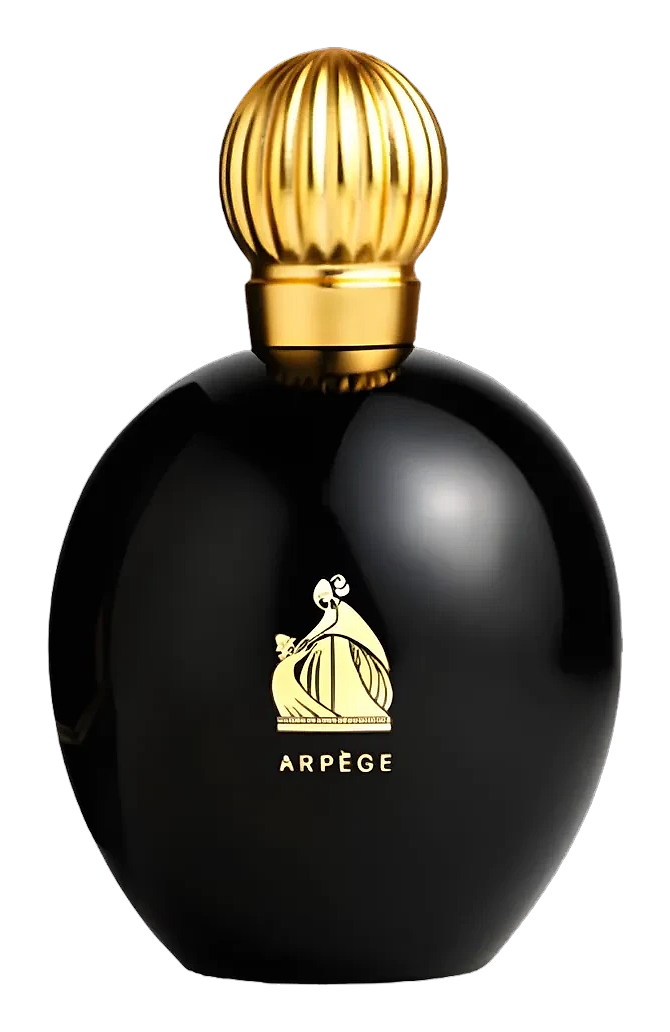
Arpège's 1975 EDP incarnation marks a deliberate evolution from its 1927 Extrait predecessor. Translated into a more accessible concentration while preserving the aldehydic-floral-chypre architecture that made the original iconic. André Fraysse, who helped create the 1927 version, returned to reinterpret the signature for this 1975 release, maintaining continuity in the house's olfactory identity even as the format shifted from extrait to eau de parfum.
The aldehydes are the tell. They always are. That waxy, sparkling lift, the element that separates this from the crowd and ties it to the grand tradition of classic perfumery. Bergamot and neroli sit beneath the aldehydic brightness, providing the citrus lift that grounds the opening. Honeysuckle, lily of the valley, and peach arrive quietly, adding delicate florals with a subtle sweetness. The heart deepens through geranium's green-rosy character, jasmine's rich indolic warmth, and ylang-ylang's tropical creaminess. Iris and coriander bring powdery sophistication and a spicy edge, while rose and camellia complete the floral progression.
The evolution
The opening arrives bright and deliberate, aldehydes sparking against bergamot and neroli. That waxy, almost champagne-like lift announces itself for the first thirty minutes before the florals begin their slow arrival. Honeysuckle and lily of the valley bloom quietly, peach lending a subtle sweetness that doesn't shout. The heart deepens gradually. Geranium and jasmine layer in, ylang-ylang adding its tropical creaminess beneath iris and coriander's spicy lift. Rose and camellia complete the floral heart. Then the base takes over. Patchouli and vetiver provide earthy depth beneath sandalwood and vanilla's warm, powdery embrace. Musk and ambergris create an intimate, skin-close warmth that lingers for hours after the florals fade. The drydown is the payoff, warm, powdery, and distinctly personal.
Cultural impact
The aldehydic-floral-chypre structure has become a reference point in perfumery. Appreciated by those who value classic construction and attracts collectors seeking heritage fragrances from established houses. Not the most commanding scent in any room, but holds quiet relevance among those who understand its significance.