    Brand Profile

    Lanvin stands as one of fashion's most storied houses, tracing its lineage back to 1889 when Jeanne-Marie Lanvin opened her first millinery…More

    France·Est. 1889·Site

    3

    Fragrances

    3.9

    Rating

    50
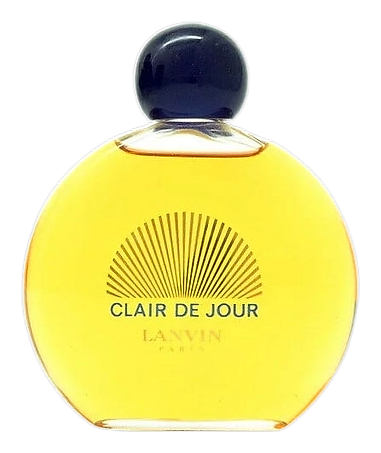
    Clair de Jour by Lanvin
    4.0

    Clair de Jour

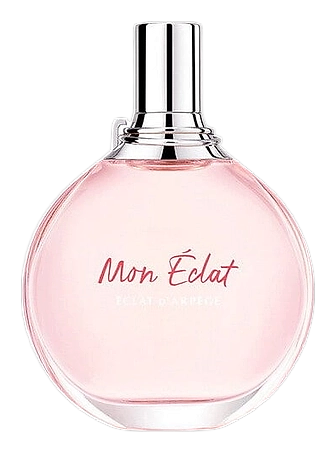
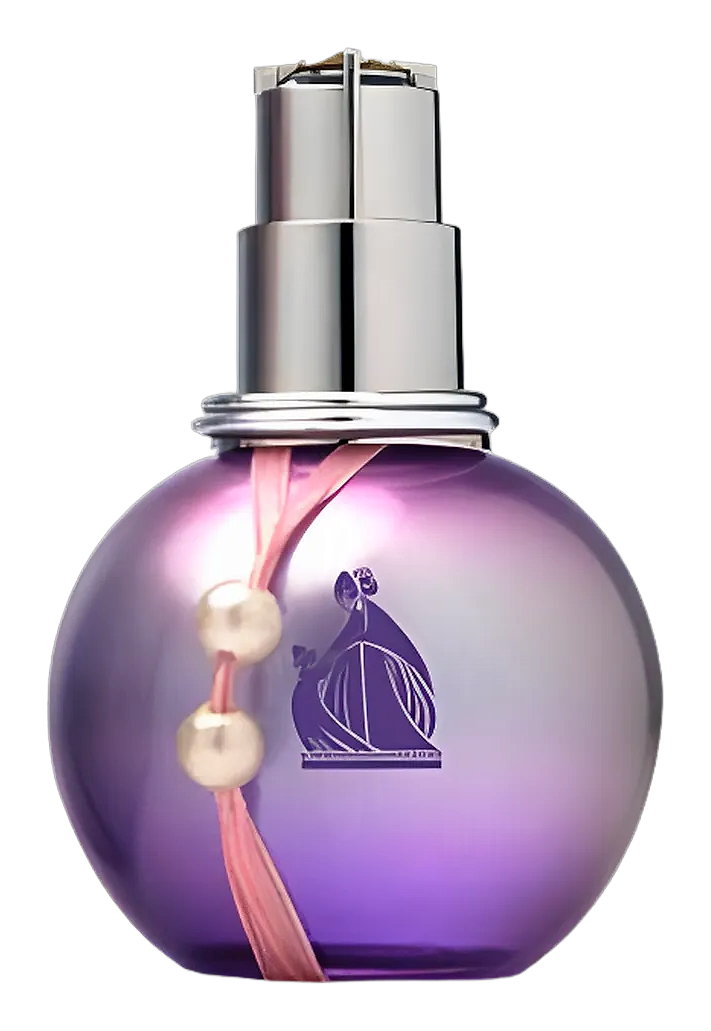
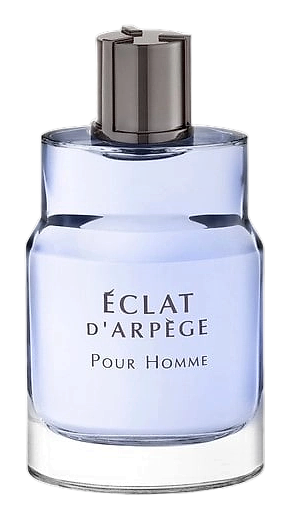
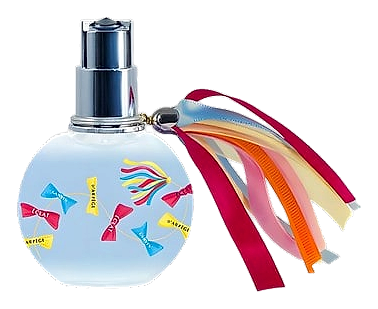
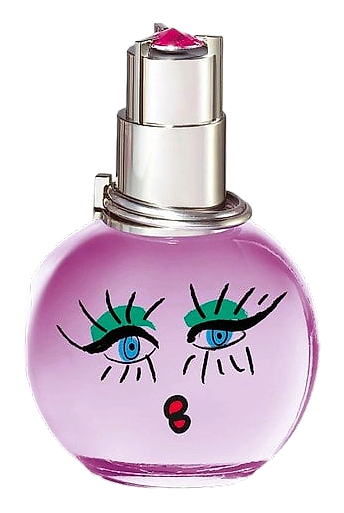
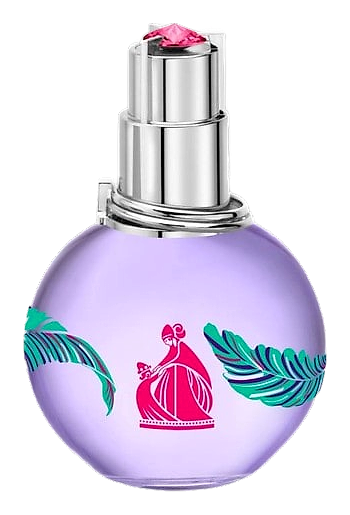
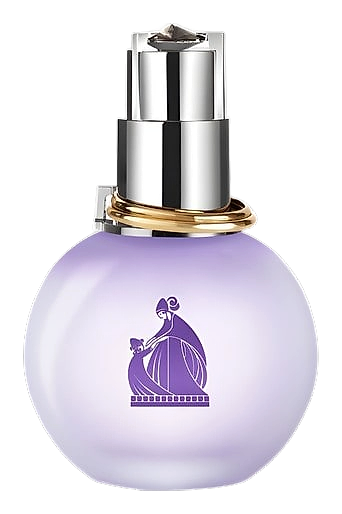
    Eclat d’Arpège by Lanvin – Eau de Parfum
    4.0

    Eclat d’Arpège

    Eau de Parfum

    Géranium D'Espagne (Spanish Geranium) by Lanvin
    Best Seller
    4.7

    Géranium D'Espagne (Spanish Geranium)

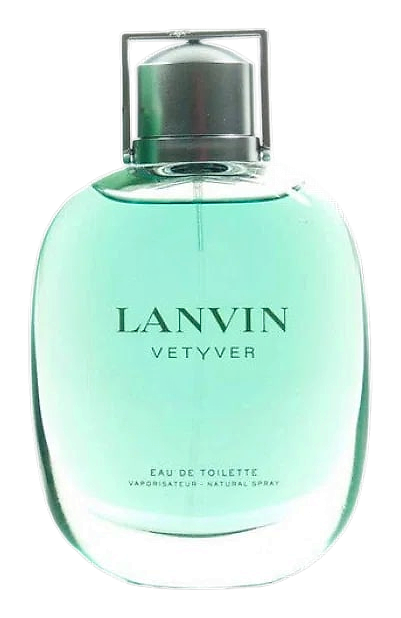
    Vetyver (1964) by Lanvin
    Best Seller
    4.7

    Vetyver (1964)

    Pretexte by Lanvin
    Best Seller
    4.6

    Pretexte

    Monsieur Lanvin by Lanvin
    4.5

    Monsieur Lanvin

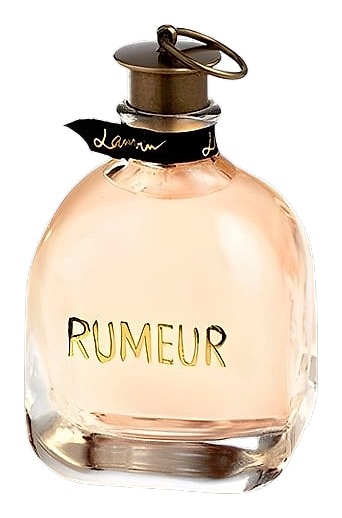
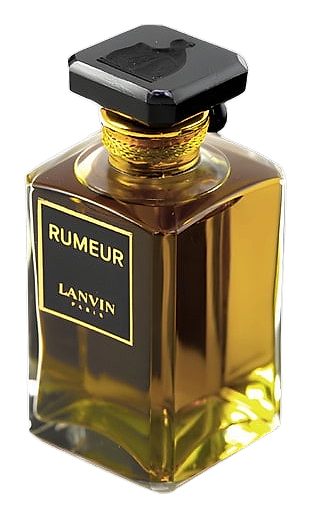
    Rumeur (original) by Lanvin
    4.5

    Rumeur (original)

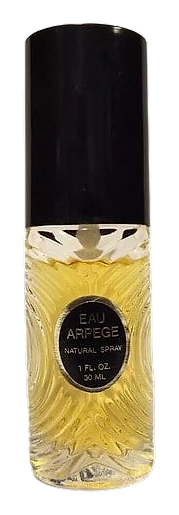
    Eau Arpege by Lanvin
    4.5

    Eau Arpege

    Crescendo by Lanvin
    4.5

    Crescendo

    Lanvin for Men by Lanvin
    4.5

    Lanvin for Men

    Eau My Sin by Lanvin
    4.5

    Eau My Sin

    Eau de Lanvin by Lanvin
    4.4

    Eau de Lanvin

    1 of 5

    The Heritage

    The Story of Lanvin

    Lanvin stands as one of fashion's most storied houses, tracing its lineage back to 1889 when Jeanne-Marie Lanvin opened her first millinery boutique in Paris. Today it holds the distinction of being the oldest continuously operating French fashion house. The brand's perfumery arm, Lanvin Parfums, established in 1924, has produced some of the most evocative fragrances of the 20th century, from the landmark Arpège to timeless scents like Vetyver, Rumeur, and Eau de Lanvin. Under the stewardship of Lanvin Group since 2018, the house continues to honor its founder's vision while navigating a new chapter in its distinguished history.

    Heritage

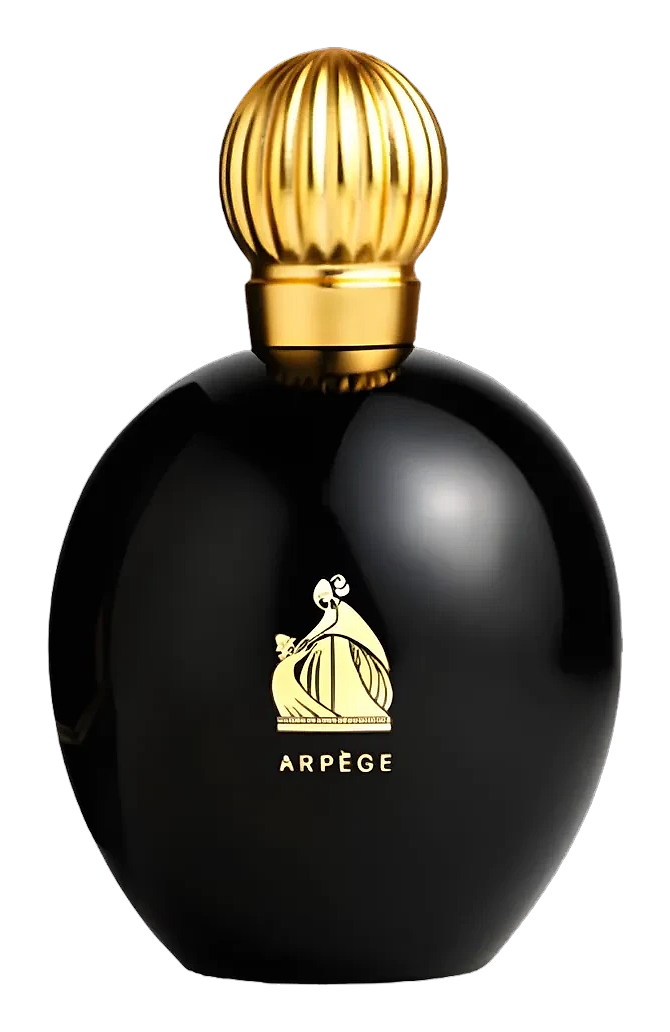
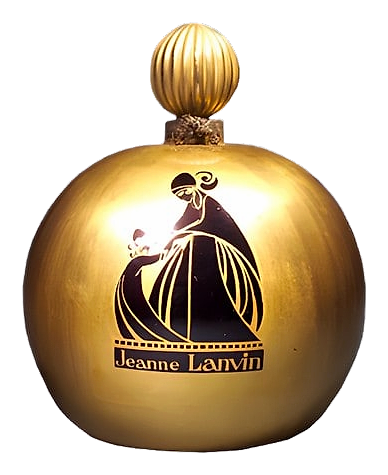
    Jeanne Lanvin began her career as a milliner, opening her first shop at 16 Rue Boissy-d'Anglas in Paris in 1889. Her entry into fashion came through designing dresses for her daughter Marguerite, whose elegance attracted a wealthy clientele that propelled Lanvin toward haute couture. By the 1920s, the house had expanded into home décor, menswear, furs, and lingerie, building an empire that touched every dimension of elegant living. Lanvin established Lanvin Parfums SA in 1924, launching into perfumery with the same ambition she brought to fashion. The first official fragrance, Mon Péché (My Sin), appeared in 1925 and was formulated by Maria Zède working with André Fraysse, who became the house's in-house perfumer. The scent found particular success upon its American release that same year. But it was Arpège, introduced in 1927, that would become the house's defining creation. Jeanne commissioned the fragrance as a birthday gift for her daughter Marguerite, by then known as Countess Marie-Blanche de Polignac. She consulted the accomplished musician on the scent's concept before engaging Fraysse to build the perfume around the finest ingredients available. The story goes that when Marie-Blanche first smelled the composition, she declared it sounded like an arpeggio. Jeanne named the fragrance Arpège in tribute to her daughter's musicianship. The signature bottle for Arpège was designed by Armand Alber-Rateau, the Art Nouveau interior designer who had shaped Lanvin's flagship store on Faubourg Saint-Honoré. His spherical La Boule flask, originally produced by the Manufacture Nationale de Sèvres, features Paul Iribe's 1907 gold illustration depicting Jeanne and Marguerite, rendered as a wedding gift years earlier. The bottle's black glass globe with its narrow neck, said to evoke the curves of a woman's body, has become one of perfumery's most recognizable vessels. Following Jeanne's death in 1946, her daughter Marie-Blanche assumed direction of both the fashion house and perfume company, continuing collections until 1950. The family retained control until 1989, when external ownership arrived. The perfume business found new stewardship with Interparfums in 2007. In 2018, Lanvin Group, a Shanghai-based conglomerate, acquired the fashion house, placing this storied French institution under Asian ownership while preserving its remarkable 135-year legacy.

    Craftsmanship

    Lanvin's commitment to exceptional materials defined its perfumery from the start. Arpège, the house's signature fragrance launched in 1927, set the standard: bergamot, neroli, Bulgarian rose, Grasse jasmine, honeysuckle, lily of the valley, violet, ylang ylang, with a base of iris, vetiver, amber, and sandalwood. These ingredients represented the perfume world's most coveted materials, assembled without compromise. The house maintained continuity in formulation that few others achieved. Arpège remained in production with its original formula for decades, a remarkable feat in an industry where reformulation has become standard practice. This stability reflected Lanvin's belief in honoring the original vision rather than chasing cost efficiencies. Development timelines reflected the house's patience. Arpège required two years of work before its debut, a luxury that spoke to Jeanne's resources and determination to get the scent right. The house worked with distinguished perfumers, beginning with André Fraysse as in-house creator and Maria Zède, whose work on My Sin established the family's quality expectations. The signature globe bottle for Arpège required collaboration with the Manufacture Nationale de Sèvres, the institution responsible for French state porcelain. This connection to fine craftsmanship extended perfumery into territory usually reserved for decorative arts. The bottle's production demanded expertise in handling black glass to achieve the globe's luminous depth, a technical challenge that elevated the vessel itself to collectible status. This combination of premium ingredients, extended development, and artisanal vessel production defined Lanvin's approach to perfumery as a form of luxury craft rather than mere consumer product.

    Design Language

    Lanvin's aesthetic draws from Art Nouveau elegance and a deeply personal narrative of motherhood. The house's identity emerged from the creative partnership between Jeanne Lanvin and Armand Alber-Rateau, the interior designer who shaped both the Faubourg Saint-Honoré flagship and the visual language of Lanvin Parfums. Rateau's most significant contribution was the spherical La Boule flask designed for Arpège in 1927. The globe bottle, with its black glass surface and narrow neck, created a silhouette unlike anything else in perfumery. The form was said to symbolize feminine curves, transforming the fragrance vessel into an object of intimate beauty. Its Art Deco geometry balanced modernity with timelessness. The decoration of the bottle elevated it further. Paul Iribe's 1907 gold illustration, originally created as a wedding gift depicting Jeanne with her daughter Marguerite, was rendered in gold leaf across the globe's surface. This personal touch transformed the bottle into a talisman, linking the fragrance to the house's founding love story. The house maintained this visual language across decades, adapting the iconic globe for various expressions while preserving its essential character. Deep blacks, restrained golds, and typography that spoke of understated sophistication defined Lanvin's visual identity. The historic store on Faubourg Saint-Honoré, with its Rateau-designed interiors, reinforced this sense of heritage, offering visitors an environment where 1920s glamour remained preserved under one roof. This combination of intimate narrative and refined visual craft positioned Lanvin as the essence of quiet luxury, a house whose elegance spoke through substance rather than spectacle.

    Philosophy

    For Jeanne Lanvin, perfume was never an afterthought. She viewed it as an essential accessory on a woman's dressing table, integral to the lifestyle concept she had built across fashion and home. Her approach centered on creating fragrances that would endure rather than follow trends, expressions of genuine emotion rather than commercial calculation. Arpège exemplified this philosophy. Jeanne spared no expense in sourcing the world's most precious olfactory materials, building the fragrance around notes that included Bulgarian rose, Grasse jasmine, honeysuckle, lily of the valley, violets, and ylang ylang, grounded by iris, vetiver, amber, and sandalwood. She wanted it to be, simply, the most beautiful fragrance in the world. The famous tagline that followed, "Promise her anything, but give her Arpège," reflected her conviction that perfume could function as a profound personal gesture. Jeanne participated actively in naming her fragrances, contributing titles like Scandal, Prétexte, and Rumeur herself. She brought the same curatorial instinct to perfumery that characterized her fashion collections. Her pioneering spirit extended to gender boundaries in fragrance, a notion that scent transcends categories. In 1933, she introduced Eau de Lanvin, among the first unisex scents produced by a major fashion house, a radical idea at a time when gender-specific fragrance was the norm. This approach shaped Lanvin Parfums' identity: each fragrance as a considered artistic statement, reflecting the era's values while remaining relevant across generations. The house built its reputation not through volume or trend-chasing but through creating olfactory landmarks that earned their place in cultural memory.

    Key Milestones

    1889

    Jeanne Lanvin opens her first millinery boutique at 16 Rue Boissy-d'Anglas in Paris, launching a fashion house that would become the oldest still operating in France.

    1924

    Lanvin Parfums SA is established at 4 Rond-Point des Champs-Elysées, formalizing Jeanne's entry into perfumery with the launch of her fragrance business.

    1927

    Arpège debuts, created as a gift for daughter Marguerite's 30th birthday. The fragrance becomes the house's signature scent, still in production today.

    1933

    Eau de Lanvin launches as one of the first unisex fragrances from a major fashion house, pioneering the concept of gender-transcending scent.

    1946

    Jeanne Lanvin dies at age 79. Her daughter Marguerite, now Countess Marie-Blanche de Polignac, assumes direction of both the fashion house and perfume company.

    2007

    The perfume business is sold to Interparfums, separating the fragrance operations from the fashion house after 83 years of family stewardship.

    At a Glance

    Brand profile snapshot

    Origin

    France

    Founded

    1889

    Heritage

    137

    Years active

    Collection

    3

    Fragrances released

    Avg Rating

    3.9

    Community sentiment

    Release Rhythm

    2022
    1
    2021
    1
    2019
    1
    2017
    1
    2016
    2
    2015
    4
    2014
    3
    2013
    1
    lanvin.com

    Did You Know?

    Interesting Facts

    Distinctive details and defining moments that shape the house personality.

    01

    Arpège has been in continuous production since 1927, making it one of the oldest continuously manufactured luxury fragrances in the world.

    02

    Jeanne Lanvin was born in Paris on January 1, 1867 and died on July 6, 1946, leaving behind both a fashion empire and a perfumery business that her daughter would continue.

    03

    The spherical Arpège bottle was originally produced by the Manufacture Nationale de Sèvres, the same institution that creates French state porcelain and official diplomatic gifts.

    04

    Jeanne's daughter Marie-Blanche, who inspired Arpège and later directed the house, was a professional opera singer before assuming leadership of the family business.

    05

    Eau de Lanvin, launched in 1933, positioned Lanvin among the earliest houses to introduce a unisex fragrance, anticipating modern gender-fluid perfumery by decades.