The Story
Why it exists.
The beginning
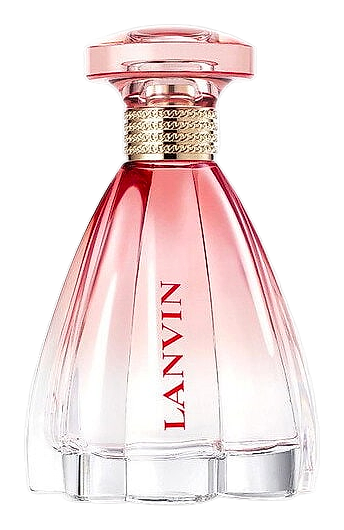
Modern Princess Blooming arrives in 2020, a sequel to Lanvin's 2016 Modern Princess. Where the original introduced the house to a younger, fruitier register, this follow-up deepens the concept. Perfumer Nathalie Lorson built Blooming around the idea of a princess who grew up, still playful, still bright, but with more dimension underneath the sweetness. The name itself suggests movement and bloom, not a static portrait but something unfolding. That's the thread running through the composition. A cool, wet opening that slowly warms into something floral and intimate. The transition is the point. It's not a fragrance that announces itself and stays. It's one that arrives fresh and settles close, becoming part of the wearer's skin rather than a statement they project outward.
The osmanthus is the quiet key. Red osmanthus brings an apricot-like nuance that most people don't catch immediately, it's subtle, sitting underneath the rose and jasmine like a half-heard melody. But without it, this fragrance would feel like a dozen others. Osmanthus gives the floral heart something unexpected to work against. The rose and jasmine could have been predictable. Osmanthus makes them interesting. White musk and cedar form the base, but they stay quiet. The cedar doesn't shout its presence, it adds structure, a wooden frame around the softness. The white musk is skin-close from the start, building warmth without ever becoming heavy.
The evolution
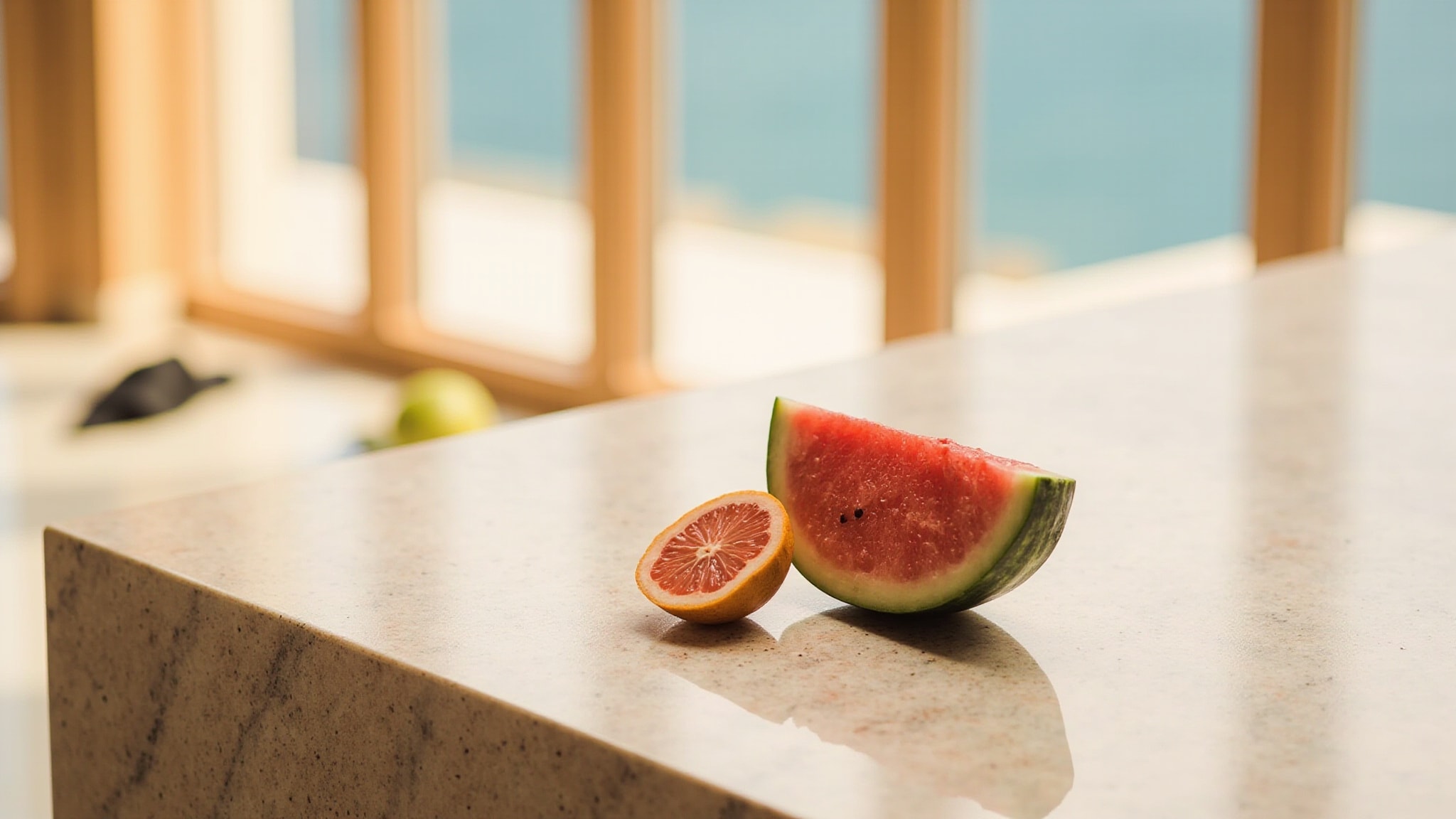
The opening hits immediately. Cold watermelon, mandarin, pink grapefruit, bright and wet, like biting into fruit at the fridge's coldest point. This phase lasts about fifteen minutes before the florals begin their slow emergence. The transition between phases is smooth and unhurried. The watermelon doesn't disappear, it retreats, becoming part of the background rather than the foreground. The heart develops over the next two to four hours. Damask rose and jasmine arrive gradually, petals still holding dew. The osmanthus adds its apricot shadow, catching light whenever the rose peaks. By this point, the fragrance has become something warmer than its opening suggested, a summer morning turning into afternoon. The drydown is where it lives longest and most intimately. White musk wraps close. Cedar adds quiet depth underneath. This is the version that stays on skin the next morning, faint, warm, unmistakable. The fragrance was designed to be felt more than announced. Close enough for someone leaning in. Not for the room.
Cultural impact
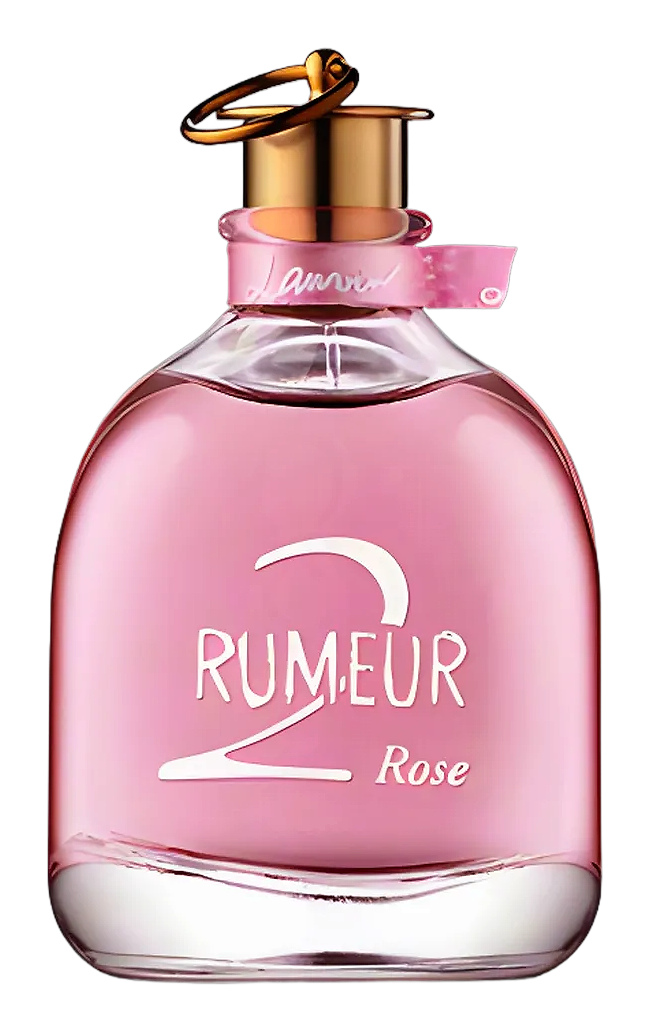
Modern Princess Blooming occupies a specific corner of accessible luxury, bright, fruity-floral, and priced for experimentation rather than aspiration. It hasn't generated the critical attention that Arpège or Rumeur received, but it has found its audience among younger wearers entering the fragrance world. For many, this is the scent that comes before the deeper, more complex bottles they'll discover later.