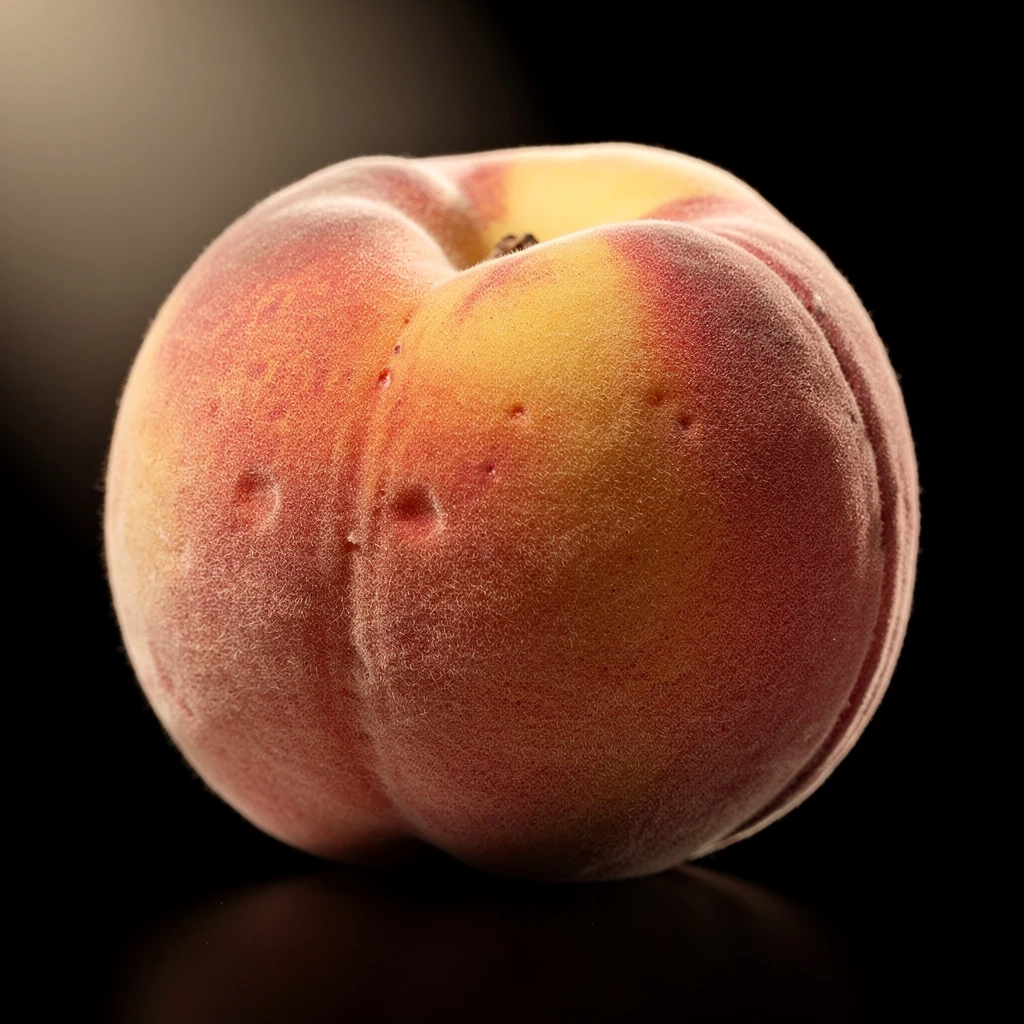
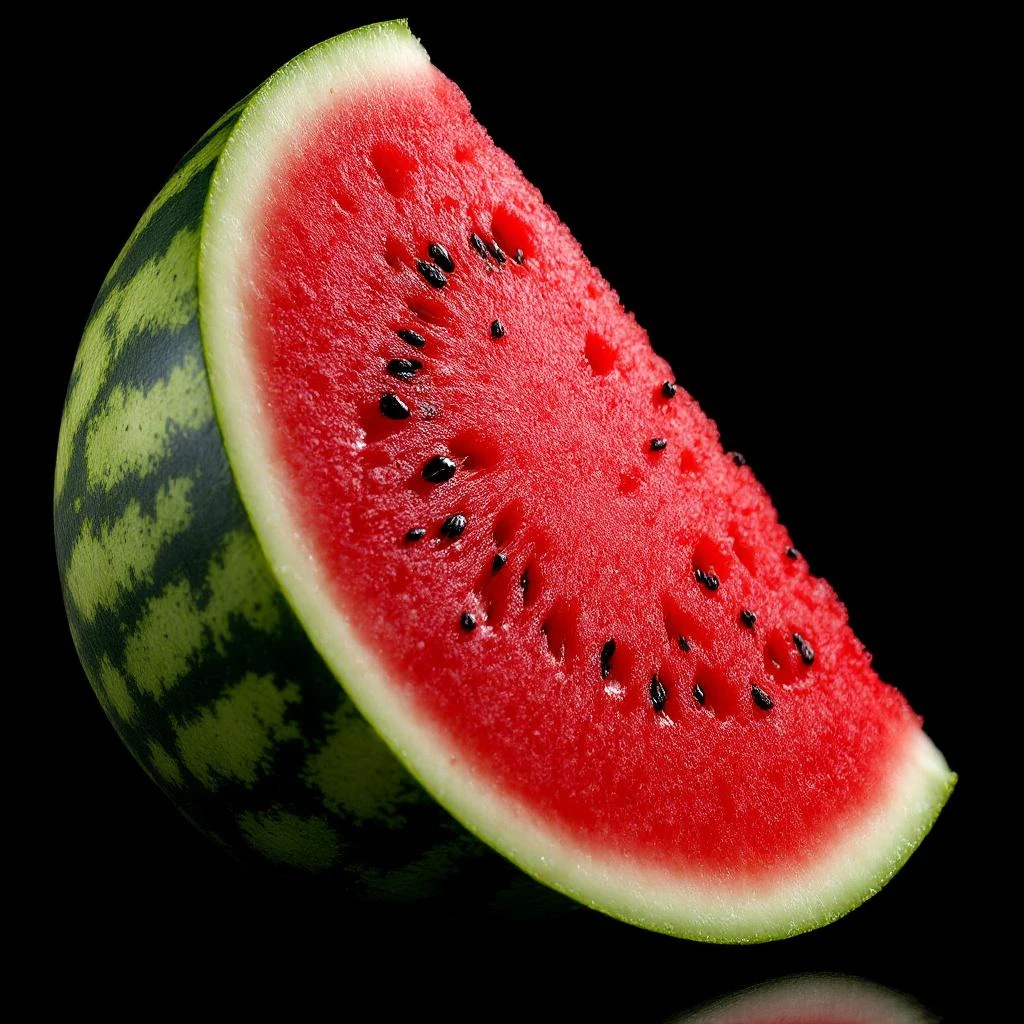
Watermelon
A bright, refreshing note that captures summer's most iconic fruit. In perfumery, watermelon brings an immediate juiciness that lifts compositions with playful, modern energy.
Character
How it smells
Summer captured in a bottle.
Chanel's 1990s hit Allure introduced watermelon ketone to mainstream perfumery, changing aquatic fragrances forever.








Origin
France
Watermelon ketone emerged from an accidental discovery in 1966. Chemists at Camilli, Albert and Laloue, a fragrance house founded in 1830, were working to develop a new tranquilliser when they created what would eventually become known as Valium. Instead, they produced a compound with an entirely different character.
The molecule remained largely unexplored until the 1980s when perfumers began incorporating it into oceanic fragrance compositions. Its debut in mainstream perfumery came through Chanel's Allure in 1996, where it helped define the fresh, aquatic trend that dominated the late 1990s and early 2000s.
Wears it best
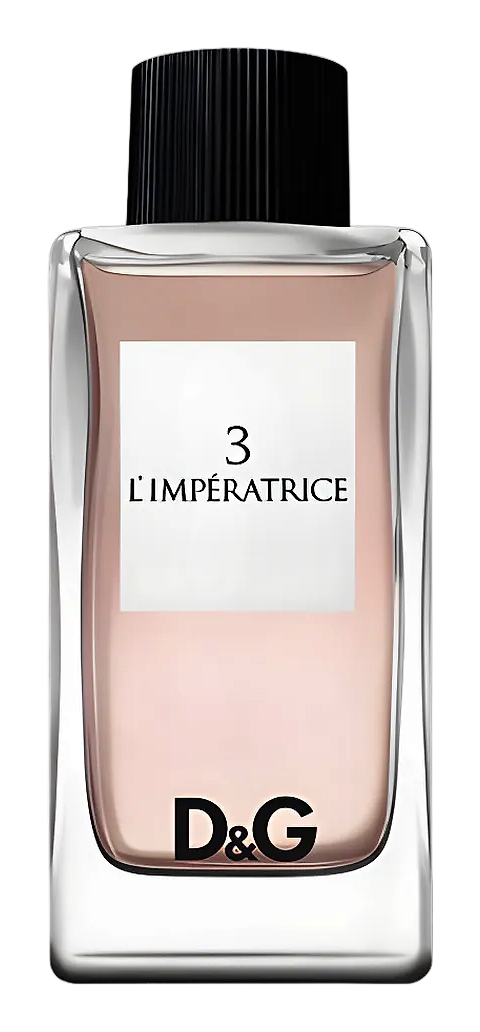
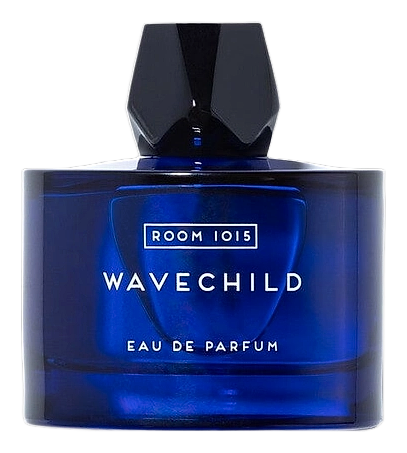
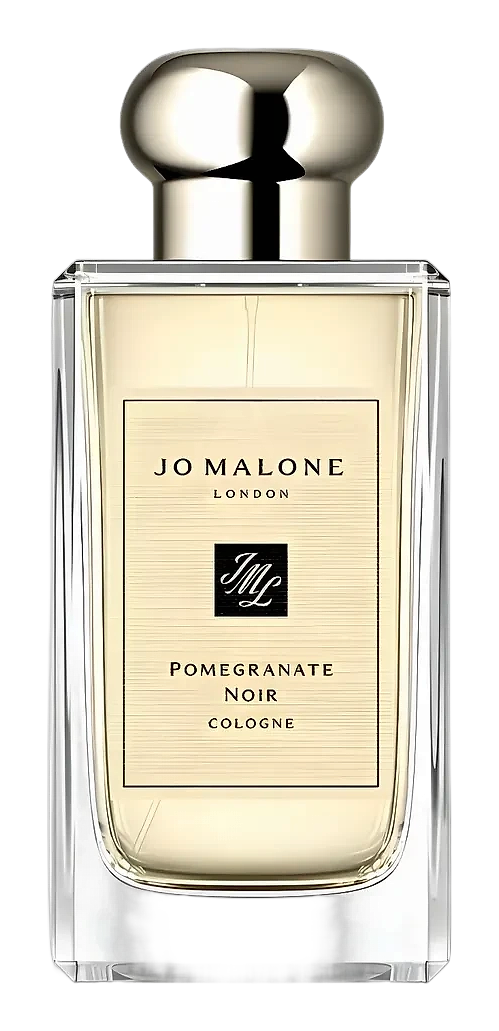
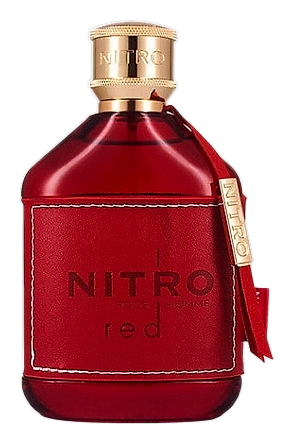
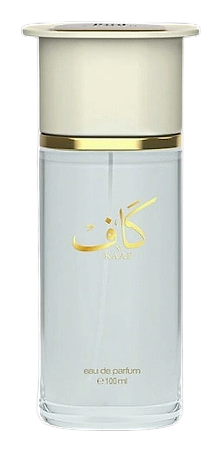
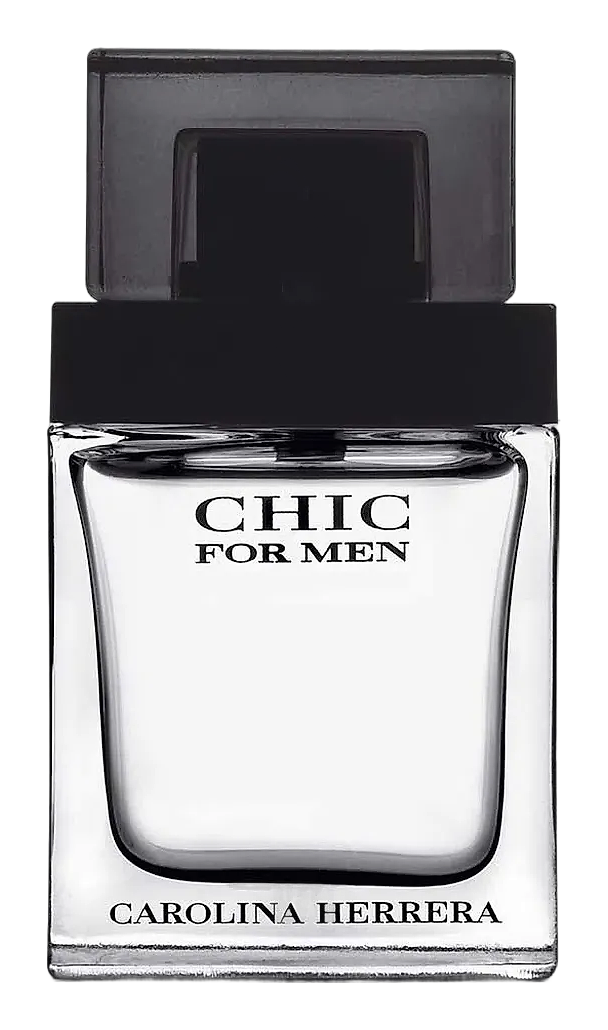
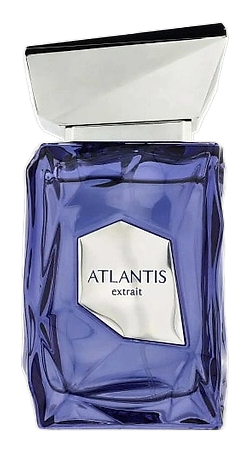
Fragrances featuring Watermelon

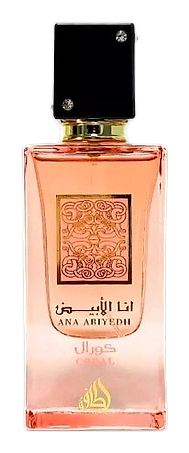
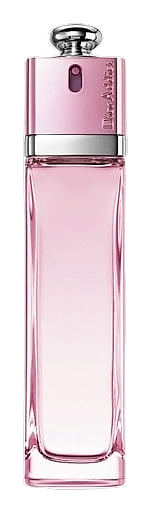
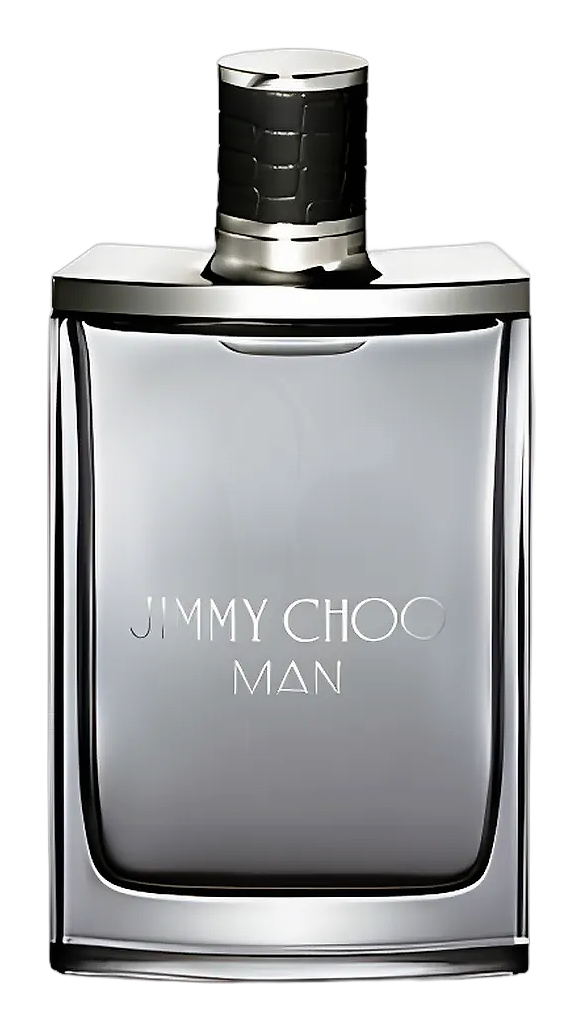
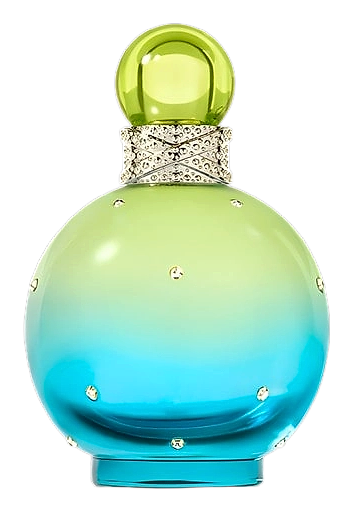
Brands
Brands known for Watermelon
Good to know
Questions, answered
The essentials on Watermelon in perfumery: how it smells, where it comes from, and how it behaves on skin.
What does watermelon smell like in perfume?
Watermelon in perfumery offers a crisp, juicy sweetness with fresh green and watery facets. The synthetic watermelon ketone adds marine and ozonic qualities that give it a clean, oceanic character beyond what natural watermelon provides.
Is watermelon a natural or synthetic ingredient?
Watermelon note in perfumery is almost exclusively synthetic. The key compound, watermelon ketone (Calone), is created through laboratory synthesis, ensuring consistent performance across fragrances.
When was watermelon ketone discovered?
Calone was discovered in 1966 by chemists at Camilli, Albert and Laloue, a French fragrance house founded in 1830. The discovery was accidental, occurring during research into tranquillisers.
What fragrances feature watermelon prominently?
Watermelon ketone first gained widespread use in Chanel Allure (1996), which helped establish it as a defining note in 1990s aquatic fragrances. It appears in countless fresh, aquatic compositions.
What fragrance families pair well with watermelon?
Watermelon works exceptionally well with aquatic, citrus, green, and white floral notes. It adds brightness to marine compositions and brings playful juiciness to fruity-floral fragrances.
Does watermelon have good longevity in perfume?
Watermelon ketone functions as a base note in perfumery, providing the fresh, aquatic foundation that defines oceanic fragrances. Its staying power comes from its ability to anchor the top notes while maintaining a clean, fresh character.
What gives watermelon its distinctive scent profile?
The compound delivers intensely fresh sea-breeze character with prominent watermelon-like fruitiness, subtle floral undertones, and a distinctive mineralic-oyster facet that becomes more apparent at higher concentrations.
Why is watermelon important in modern perfumery?
Watermelon ketone revolutionized aquatic fragrances in the 1980s and 1990s, creating an entirely new fragrance family. It transformed how perfumers approach freshness and marine notes in composition.