Red Osmanthus
A rare floral treasure that bridges apricot fruitiness with velvety suede. Red osmanthus captures autumn in full bloom, offering perfumery's most complex floral heart with its unique blend of sweet fruit and leather undertones.
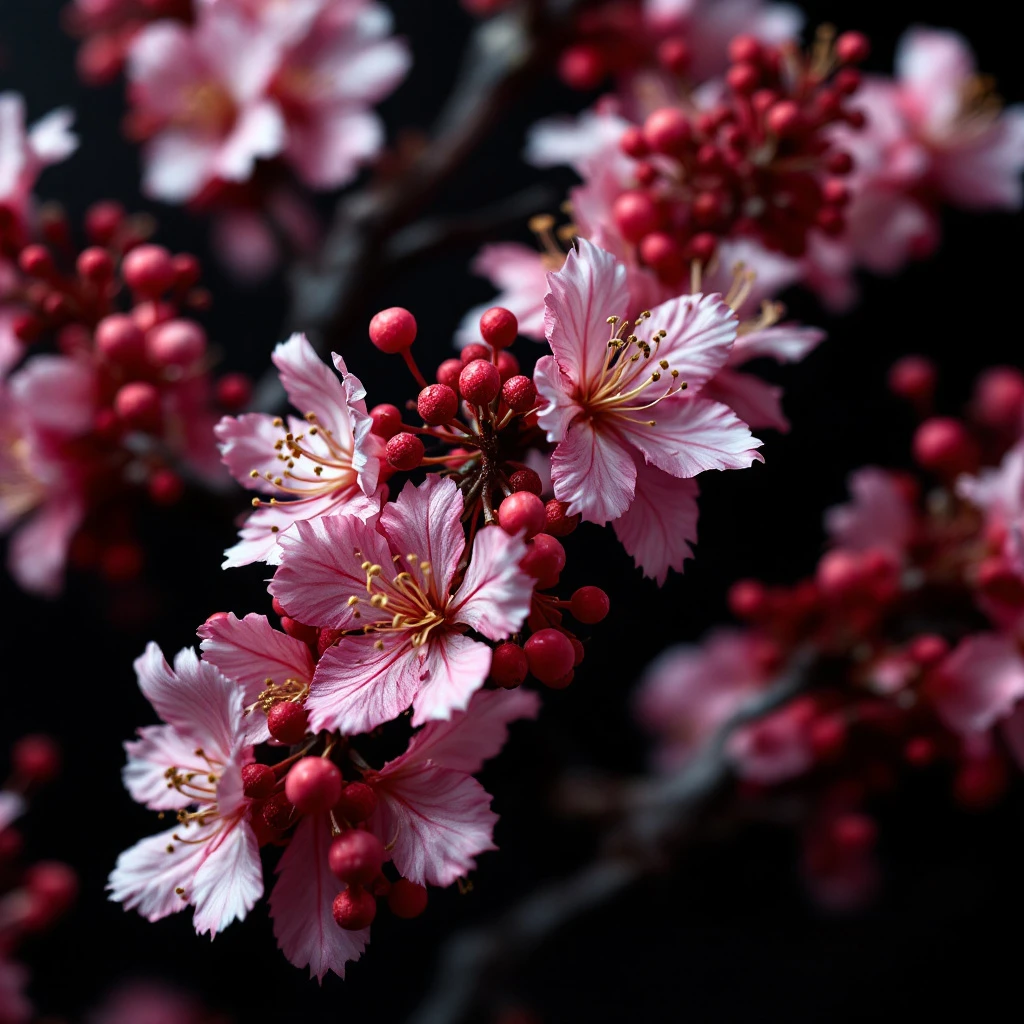
Character
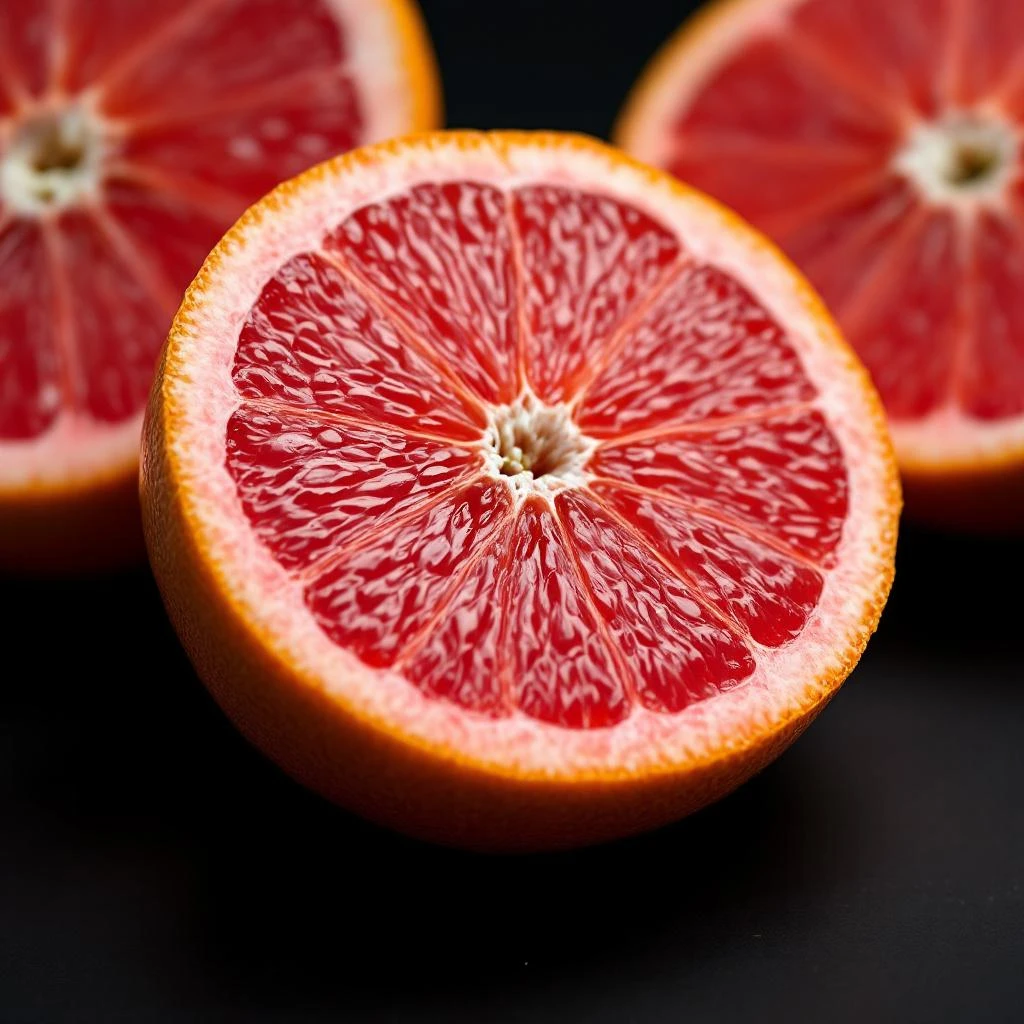
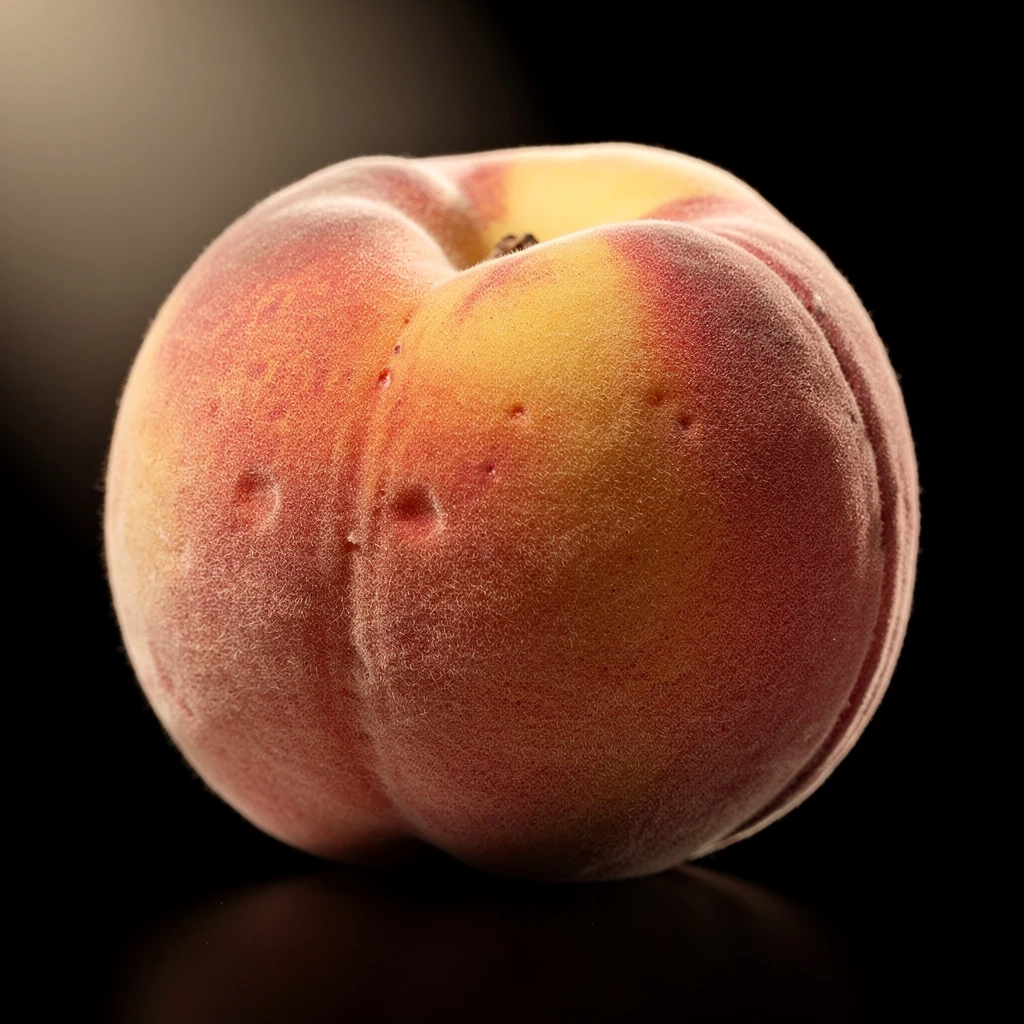
How it smells
Autumn's most complex floral note.
China produces only 500 kg of osmanthus concrete annually, making it rarer than many precious woods and resins.



Origin
China
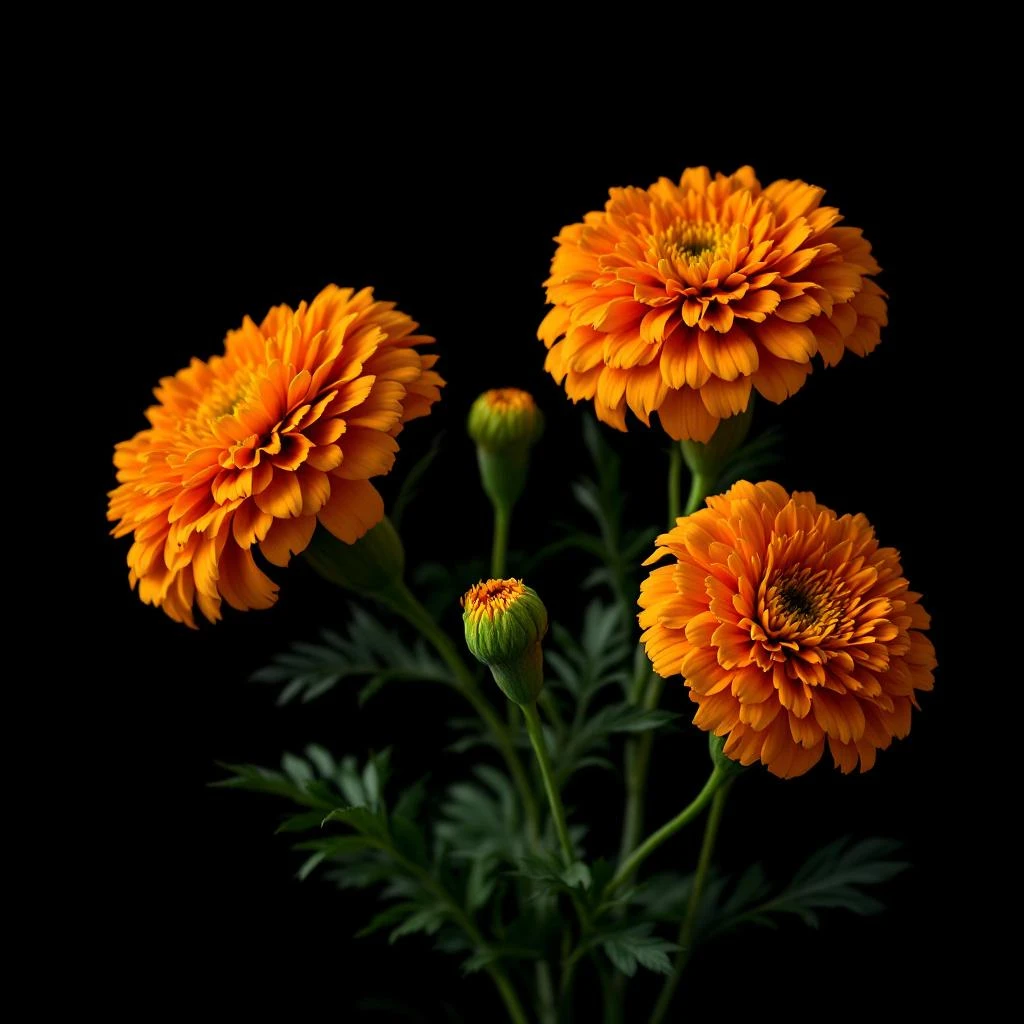
Osmanthus fragrans has been cultivated in China for over 2,500 years, making it one of the oldest domesticated flowering plants in East Asia. The flower's Greek name literally means fragrant flower, a direct translation of its botanical identity.
Traditional Chinese perfumery prized osmanthus for being thick, clear, long-lasting, and far-reaching in scent, qualities that set it apart from more fleeting florals. Beyond perfumery, Chinese artisans used the blossoms to flavor teas, wines, and confections for centuries.
The plant reached European gardens in the late eighteenth century but never gained commercial traction in Western perfumery until recently. Today, osmanthus remains deeply woven into Chinese cultural identity, celebrated in festivals and still featured in daily tea rituals.
Wears it best
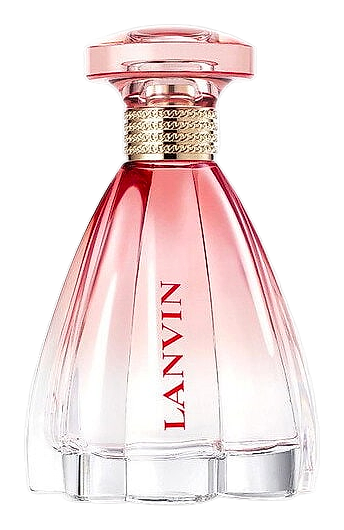
Fragrances featuring Red Osmanthus
Brands
Brands known for Red Osmanthus
Good to know
Questions, answered
The essentials on Red Osmanthus in perfumery: how it smells, where it comes from, and how it behaves on skin.
What makes osmanthus smell unique among florals?
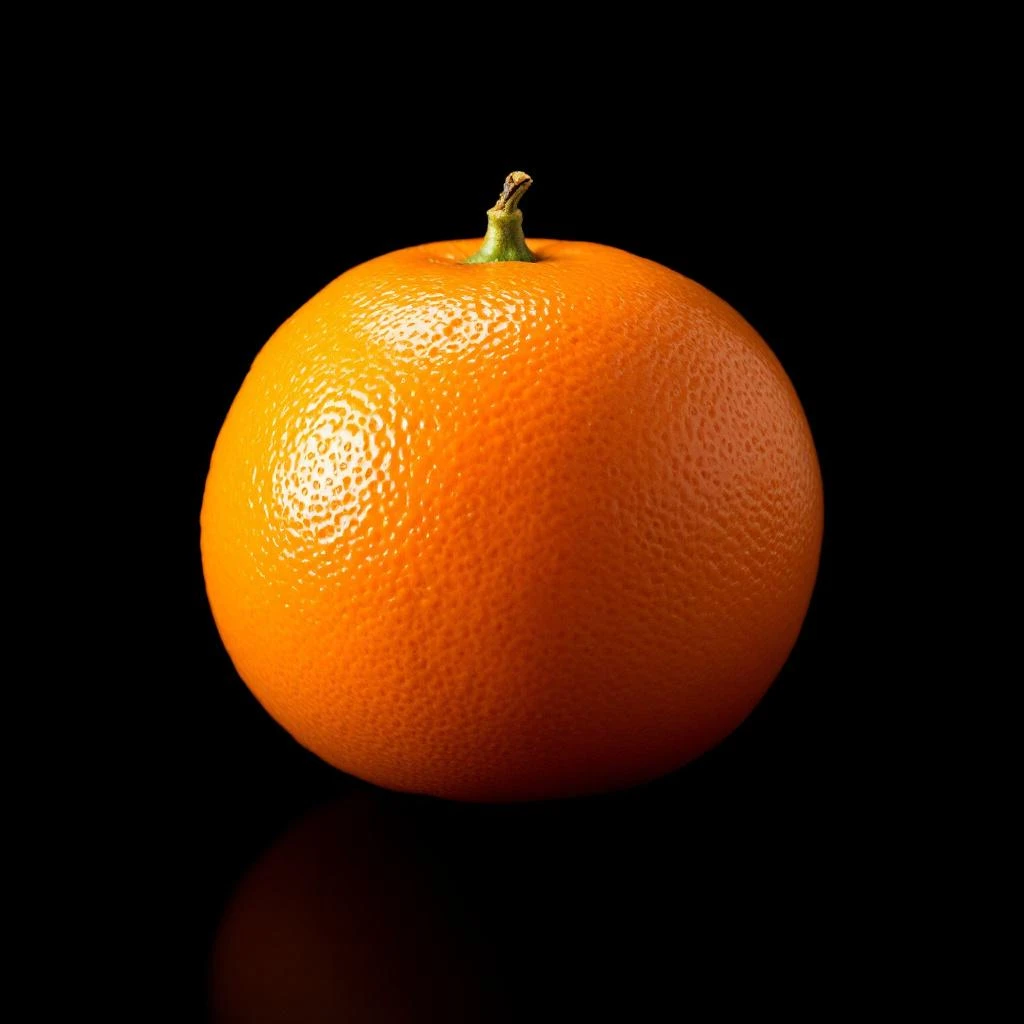
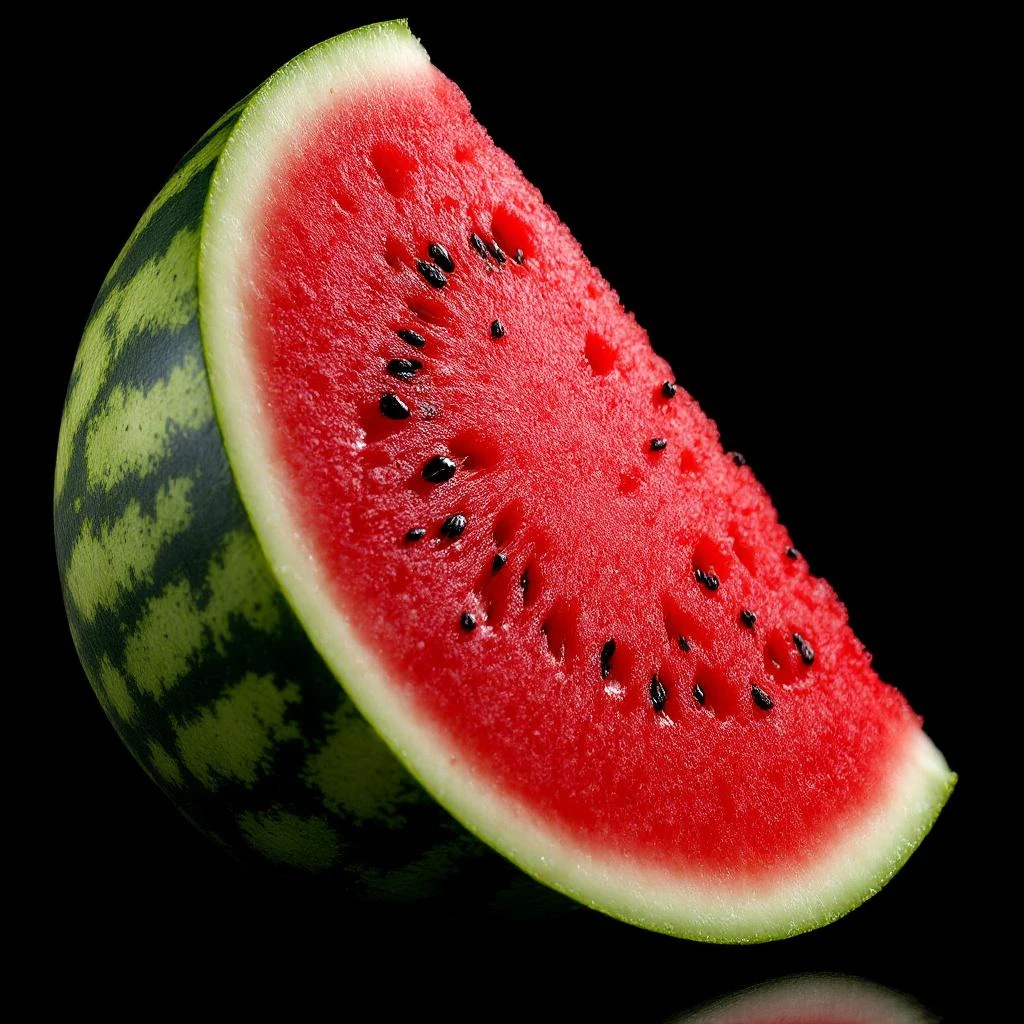
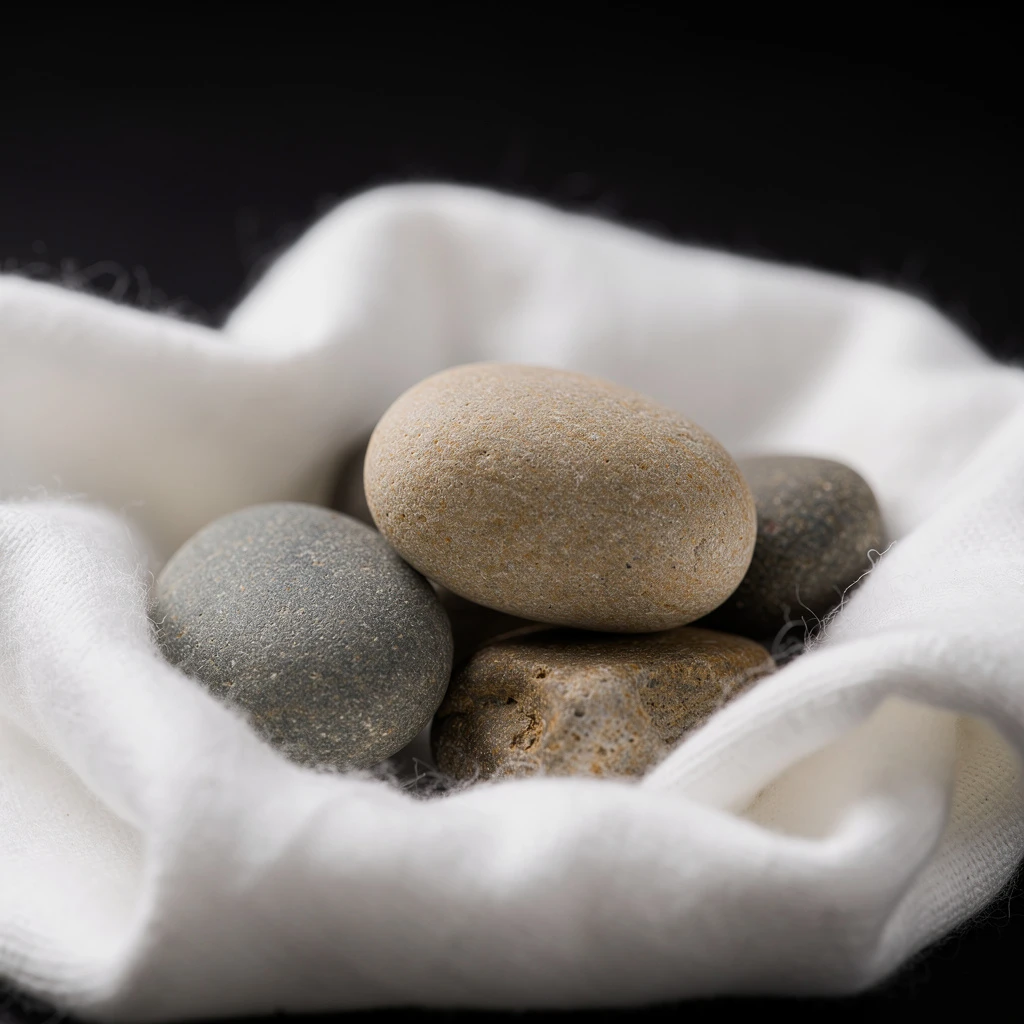
Osmanthus combines apricot-like fruity notes with suede and leather undertones, creating a sweet yet complex floral. This rare duality sets it apart from conventional florals.
How rare is osmanthus in perfumery?
China produces approximately 500 kg of osmanthus concrete annually, a fraction of what is harvested for other major floral ingredients. The short two-week harvest window adds to its scarcity.
What extraction process creates osmanthus absolute?
Solvent extraction using hexane produces osmanthus concrete, which is then refined into absolute. This method best captures the flower's complex scent profile.
Where does osmanthus grow best?
Osmanthus thrives in southern China, particularly between Guilin and Yangzhou in Guangxi province. The warm, humid climate and alkaline soils of this region produce the most fragrant blooms.
Does osmanthus have traditional uses beyond perfumery?
Chinese medicine and tea culture have used osmanthus for centuries. Artisans flavor teas, wines, and traditional sweets with the blossoms, and traditional medicine valued its aroma qualities.
What fragrance families pair well with osmanthus?
Osmanthus works with chypre, oriental, and woody compositions. It bridges floral and fruity categories, complementing notes like bergamot, patchouli, and other florals like rose.
Why is osmanthus called fragrant flower?
The name derives from the Greek 'osme' (smell) and 'anthos' (flower), literally meaning fragrant flower. Chinese also names it sweet olive for its scent and fruit appearance.
What gives red osmanthus its characteristic color and scent?
Red osmanthus refers to varieties with deeper orange to reddish blooms, which produce extracts with richer, more intense fruity-peachy notes than lighter varieties.



