The Story
Why it exists.
The beginning
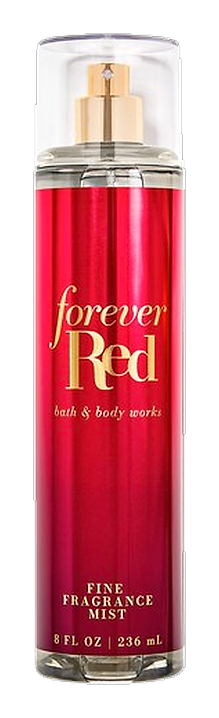
Forever Red arrived in 2012, a collaboration between perfumers Honorine Blanc, Harry Frémont, and the DSM-Firmenich team. The brief was clear: build a fragrance around the tension between bright fruit and deep warmth. French peach, apple, and pomegranate open the composition, a trio that reads almost candied at first spray. The heart brings calendula, red osmanthus, and red peony, moving the scent from grocery-store fruit toward something more botanical and deliberate. Vanilla rum and oak wood anchor the base, giving the fragrance its adult weight and its name its meaning. This isn't red as in blushing. It's red as in red carpet, red wine, red door left unlocked.
What makes Forever Red unusual is the calendula. Pot marigold isn't a standard perfumery ingredient, it sits in the heart alongside red osmanthus and red peony, adding a faintly herbal warmth that prevents the florals from becoming a pure syrup. The base does the real work, though. Vanilla rum bridges the gap between sweetness and warmth, while oak wood provides the structure that keeps the entire composition from going flat. It's a fruity-floral-gourmand that actually commits to its base, which is rarer than it should be in mass-market fragrances.
The evolution
Forever Red opens with immediate sweetness, pomegranate and peach that border on syrupy before the florals arrive. The red peony and osmanthus bloom around the one-hour mark, softening the fruit into something more garden than grocery. Vanilla rum emerges around the second hour, adding warmth and a slight boozy edge that keeps the sweetness from feeling juvenile. The marshmallow note stays close to the skin, a soft whisper beneath the stronger elements. By the third hour, oak wood takes over, dry, woody, and lasting. Moderate sillage means it stays close rather than filling a room, but longevity is strong enough that it lingers on skin through an evening. On fabric the next day, the oak wood resurfaces, a quiet reminder.
Cultural impact
Forever Red launched in 2012 as part of Bath & Body Works' push into more statement-oriented fine fragrances. The fruity-floral-gourmand category was well-established by then, but Forever Red distinguished itself with oak wood in the base, a note that added depth and longevity rare in mass-market fragrances at that price point.